AutoCAD is an architectural, building, and engineering drafting and designing tool that is talked about before a person tries it. The software is not new, beginning as a basic desktop drawing tool, and currently, it is an entire design system. The fundamental functions—drawing, modeling, measuring, and correcting—have remained the same, although now larger projects are possible to be handled in a more precise manner. AutoCAD allows professionals to make precise 2-D plans, detailed layouts, and 3D models, which will be used to give a real-life direction to construction. It is used by many firms, starting with the initial concepts until the final drawings for fabrication.
It does not take long before new users will realize that AutoCAD is not a light and casual tool. It contains a steep learning curve of commands, shortcuts, and workflows, which is rewarded. AutoCAD is dependable and standardized and is applicable in most industries. It is the key center of technical drafts with thousands of file formats, plugins, and extensions. AutoCAD is used by people to draw precise drawings, since proper measurements result in proper construction. AutoCAD is the tool of choice, whether you are designing floor plans, mechanical parts, or site layouts.
What Are the Key Features of AutoCAD?
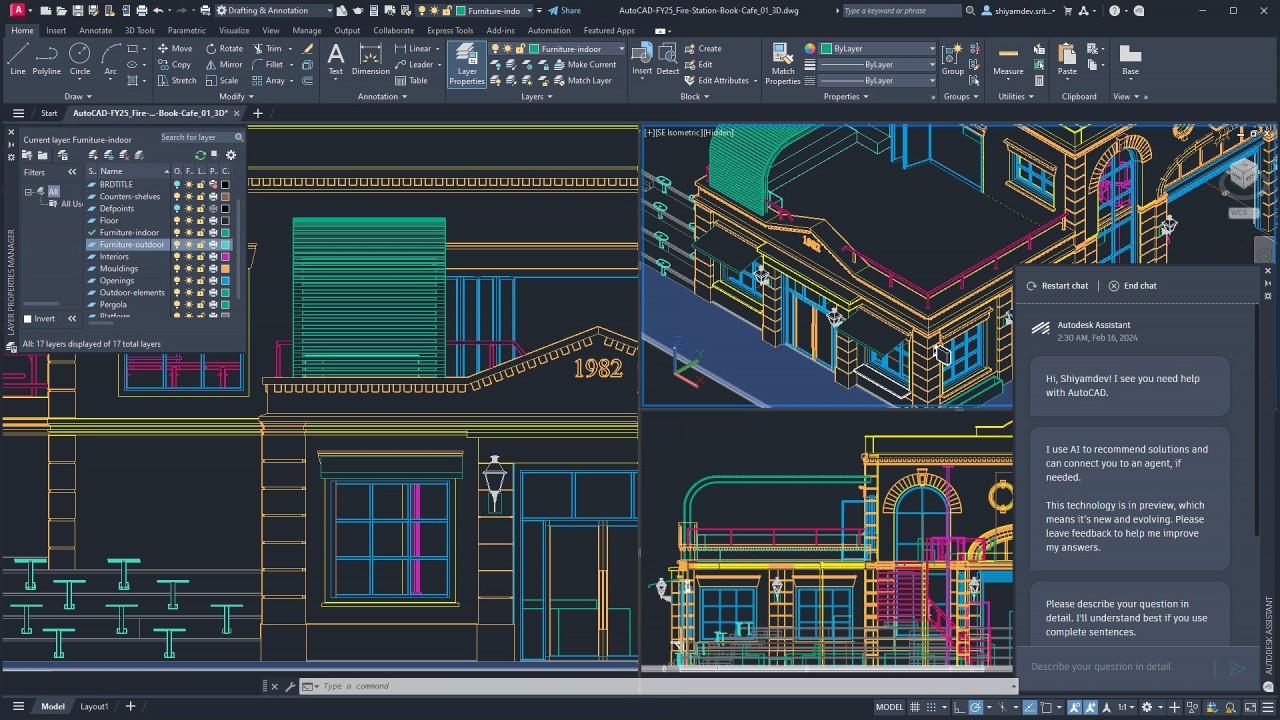
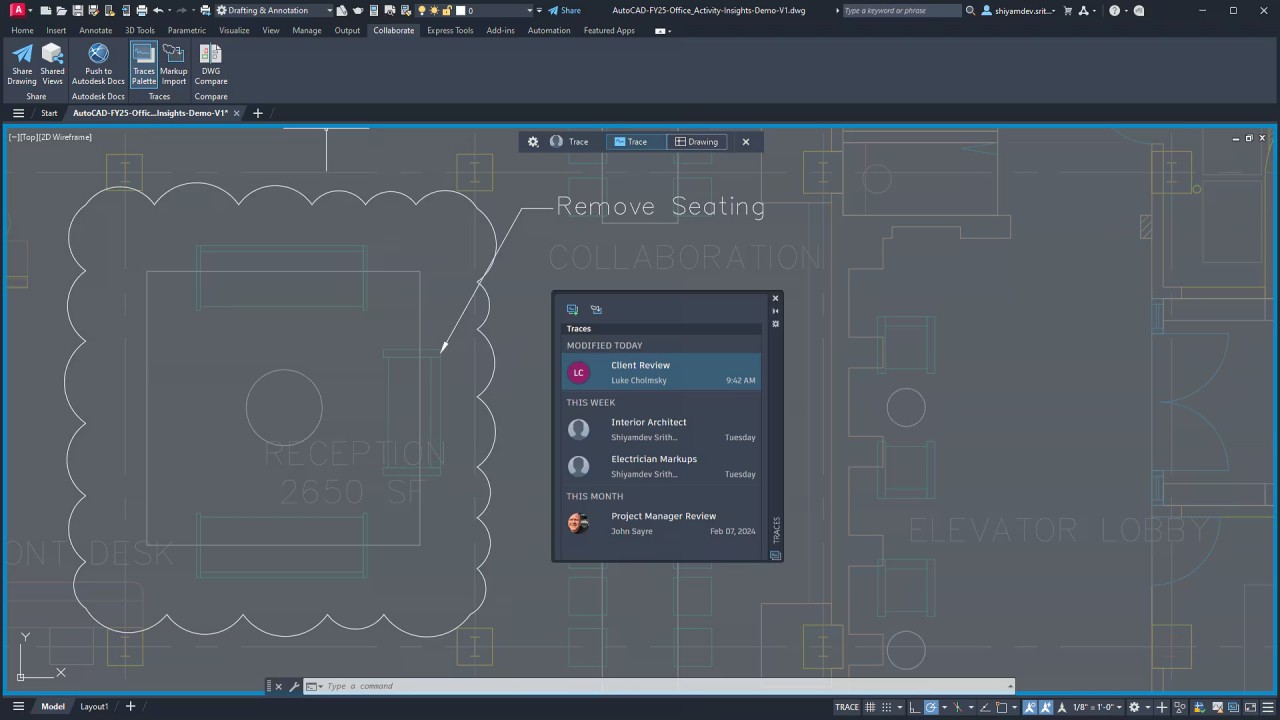
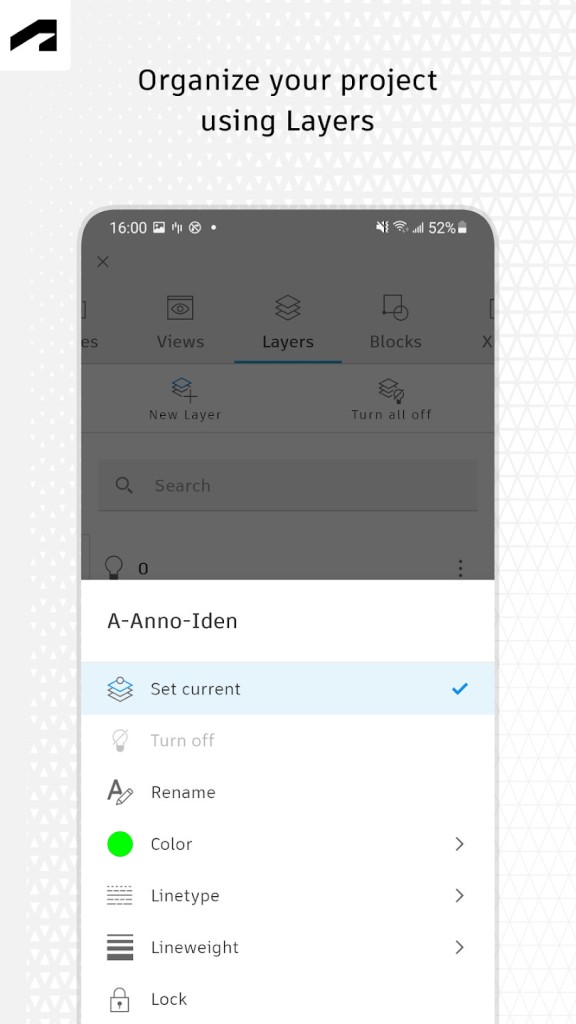
The capabilities of AutoCAD are quite vast, with the primary emphasis on drawing, editing, and structuring design information. During drafting in 2D, users can plot walls, symbols, mechanical outlines, beams, and electrical routes—all that is seen in a construction plan. Angles, dimensions, lines, and radii are operated at a numerical level, providing accuracy in case of guesswork. Layers enable users to isolate electrical, plumbing, structural, and finish details so that a team can reveal or conceal details without searching through clutter.
AutoCAD is also used in 3D modeling. The user can extrude 2D shapes, create solids, angle, and view an object in perspective. The models can produce sections as well as elevation, saving time in documentation. Furthermore, AutoCAD is superior at annotation, including text callouts, symbols, hatch patterns, measurement marks, and revision notes, which convert drawings into well-understood instructions.
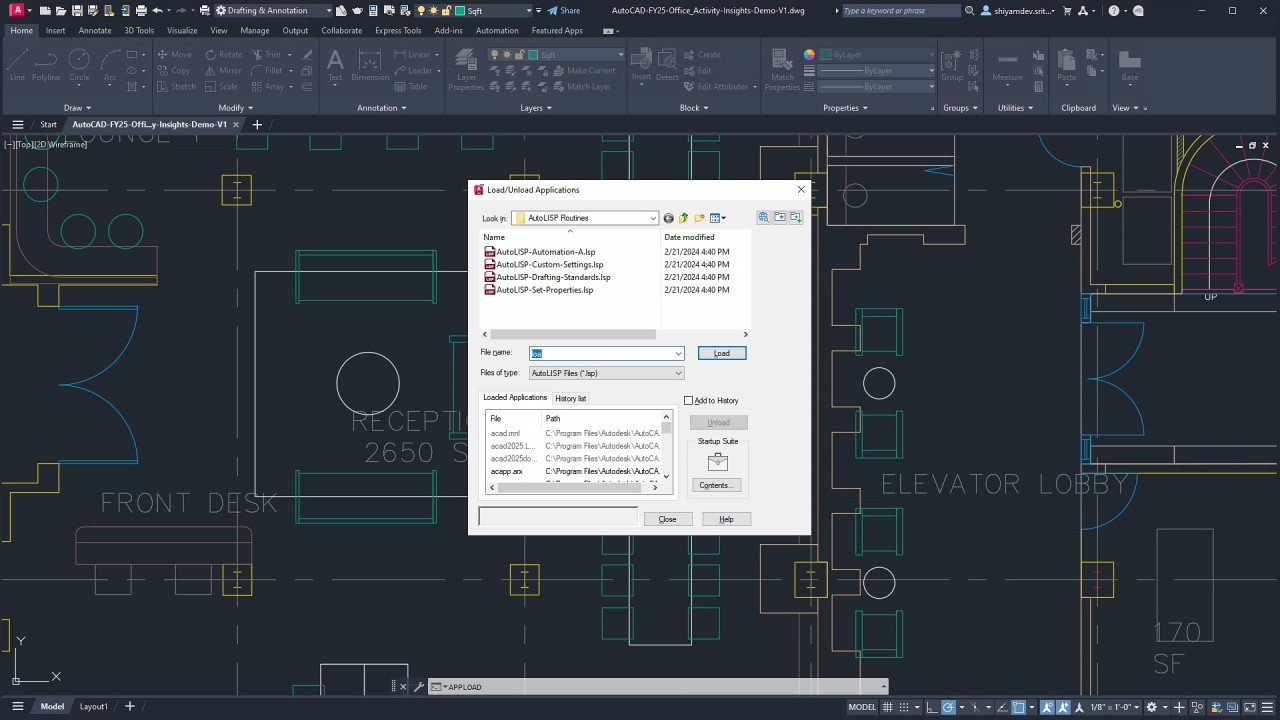
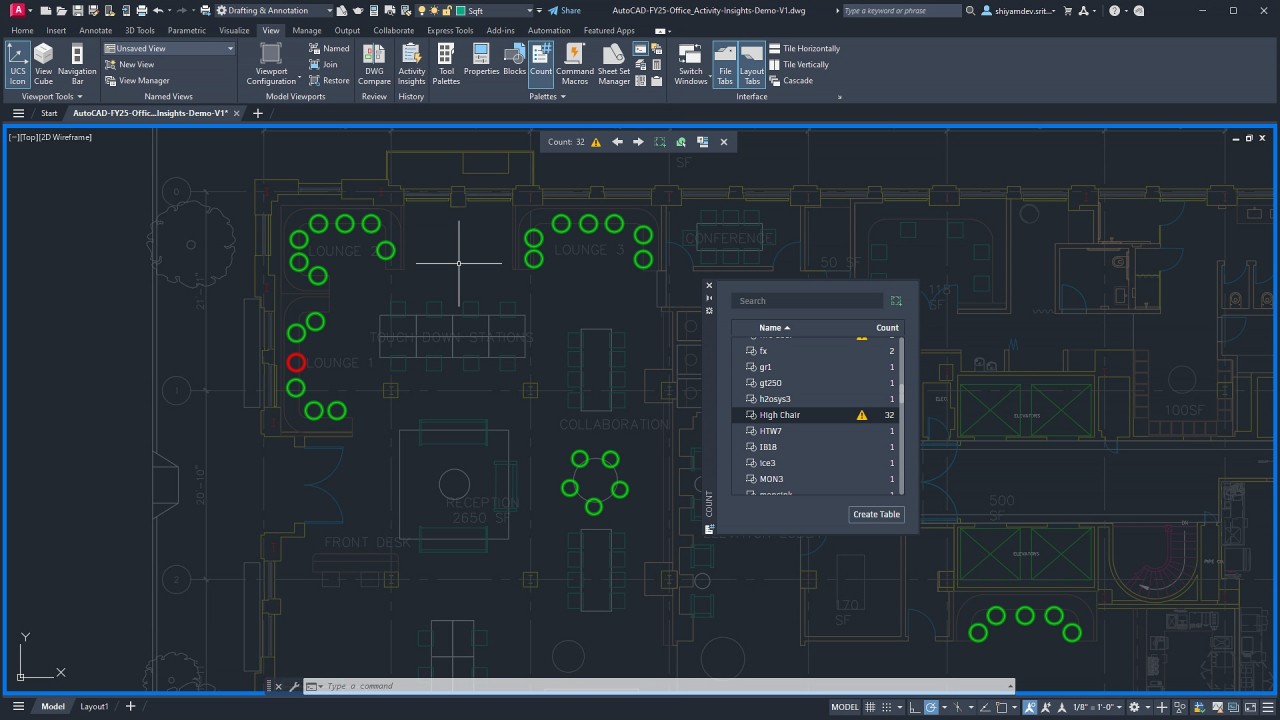
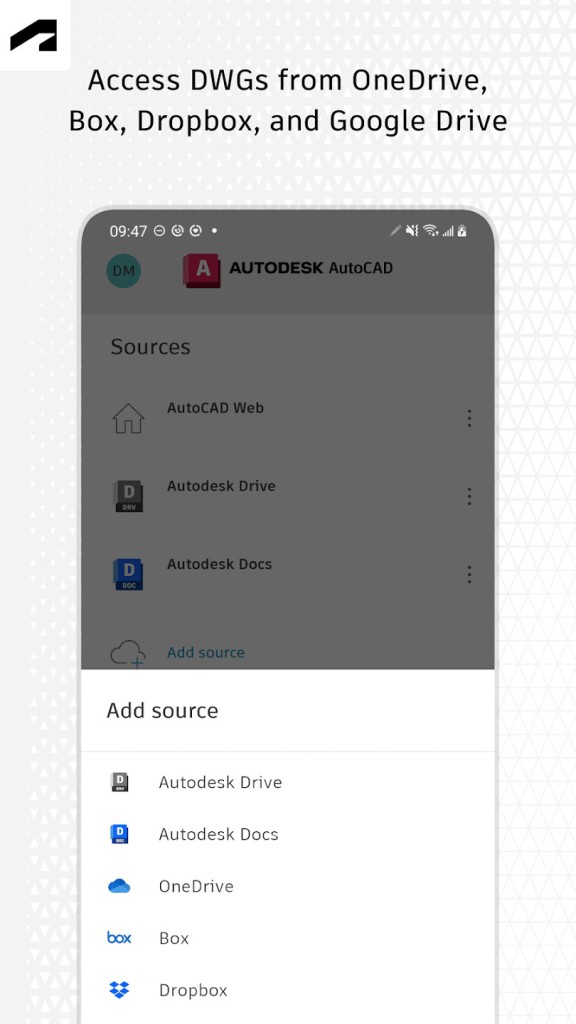
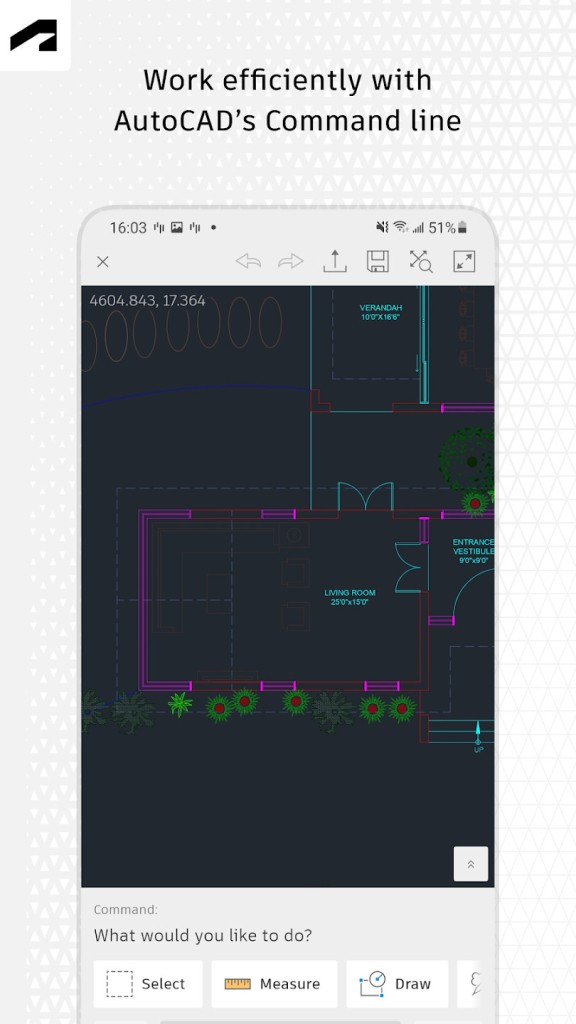
AutoCAD is compatible with cloud-based solutions in the form of Autodesk Docs, OneDrive, and Dropbox, which allow teams to access drawings remotely. Command-based input allows power users to operate fast without using menus, and the speed increases with practice. Blocks—ready-to-use drawing pieces—cut down monotonous work; one door block can be reused by hundreds of edits and be altered all over with a single edit. AutoCAD is dull, procedural, and designed to provide precision drawings.
Is AutoCAD Free to Use?
AutoCAD is not free to use regularly. Autodesk offers a trial version to new users, and students or teachers may receive a free academic license. Two subscriptions can be used commercially, monthly and annual, depending on the licensing requirements. The price represents its professional capabilities. Although there are lighter versions, AutoCAD is a commercial program due to its accuracy, compatibility, and extensive history of development. After the trial expires, users may still access a limited read-only mode or full features if they already hold an AutoCAD or AutoCAD LT subscription.
Which Platforms Support AutoCAD?
AutoCAD is based on Windows and macOS. These desktop versions offer the entire toolkit and are used most effectively in drafting, modeling, and documentation environments, particularly where large displays are used or when more than one monitor is present. The desktop application is adopted by many professionals with heavy design work, as it is fast and flexible in input.
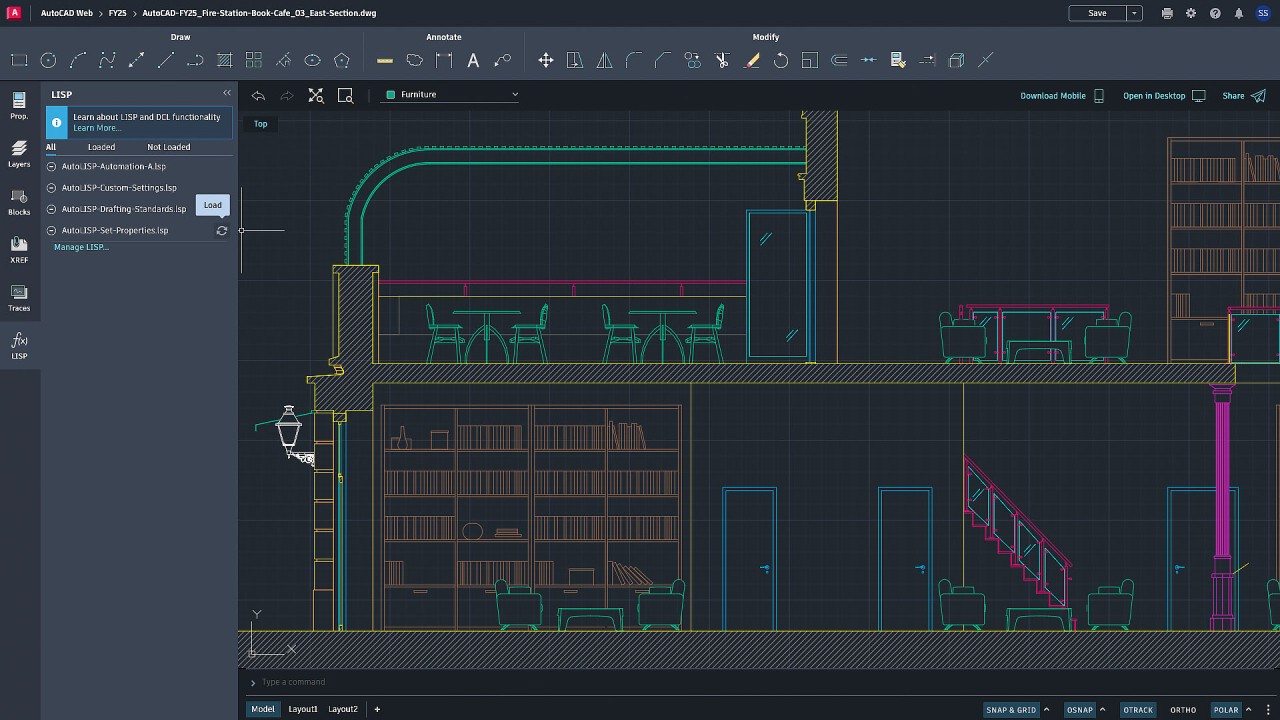
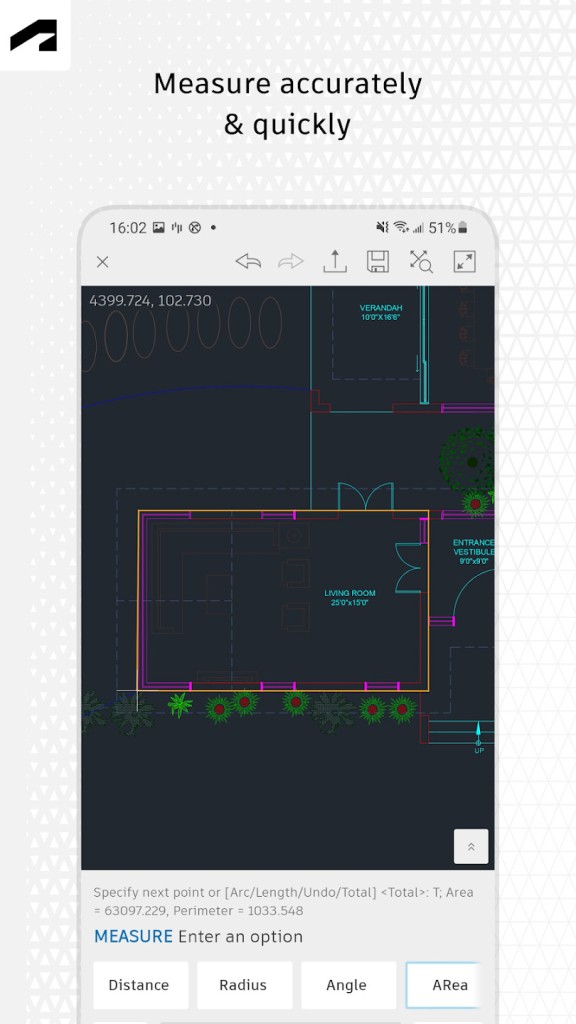
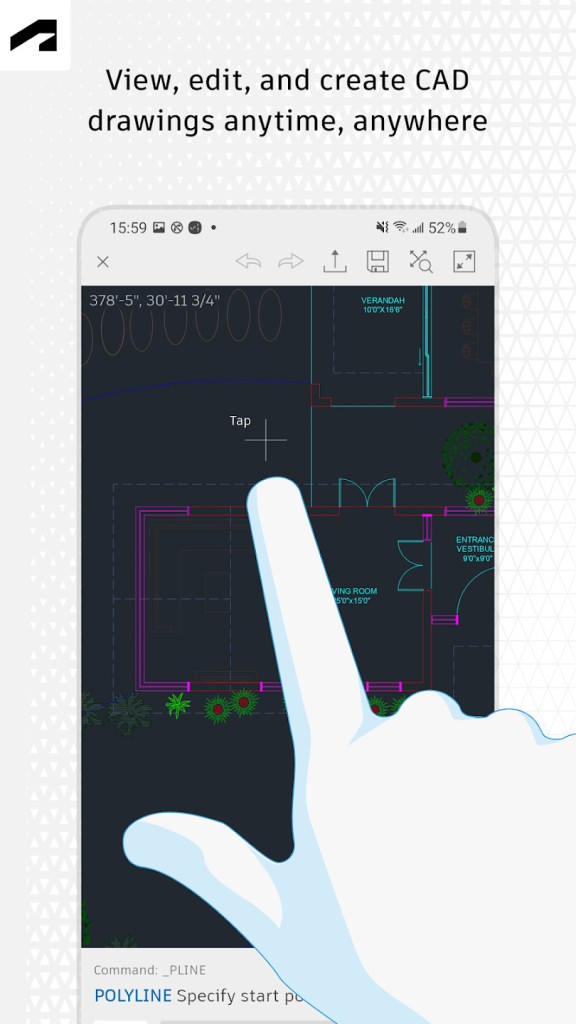
AutoCAD Web and the mobile application are field-friendly versions that are lightweight. View, annotate, or make minor edits without the full desktop software by logging in through a browser or using the Android or iOS application. They do not substitute the desktop version; instead, they allow users to open files in DWG format immediately, examine measurements, add notes to the files, and synchronize the changes at a later stage.
Cloud sync allows the transfer of projects between devices. A drawing initiated in the office can be viewed on a tablet, edited on the site, and completed in a workstation. This renders AutoCAD flexible for the team located in various destinations. Windows or macOS desktops are still used by those who require full functionality, and teams that require mobility and not deep tools use tablets and web access.
What Are the Best Alternatives to AutoCAD?
FreeCAD is an open-source software that is used as a modeling tool by users who require design control without subscriptions. It can parametrically model 3D, and its interface is less polished than commercial software; however, it has a learning curve. Users make adjustable shapes and mechanical components that are updated automatically as the values vary. An understanding of CAD workflow is accessible to architects, engineers, hobbyists, and students at a low cost. Although it does not emulate AutoCAD line-by-line, particularly in the case of quick 2D drafting, it is highly powerful and versatile in terms of modeling, iteration, and experimentation. Additional features are added based on community plugins. Many new learners simply download it to explore 3D modeling without investing in paid tools.
ProfiCAD is not oriented towards general architectural or mechanical design but rather towards electrical schematic drafting. It focuses on wiring layouts, control diagrams, and panel documents. Symbol libraries are used to create symbols, switches, circuits, and PCB connections in a short period of time. People working with automation wiring or control boards can spend less time on it than on generic CAD tools, since it reduces unwarranted complexity. It does not have the geometric depth of complete CAD packages, but it does work in situations where clarity of electrical documentation is required. ProfiCAD is not used in large infrastructure drawings, but in small-scale planning. Many engineers download it specifically for electrical schematics, where accuracy matters more than shape modeling.
Another open-source solution is KiCad, a PCB design tool rather than an architecture or construction tool. Components, traces, and electronic paths are placed instead of walls and beams. KiCad is used with 3D, which allows the board view, a simulation, and manufacturing export, which is suitable for electrical engineers when creating their own circuits. It will not sensationalize AutoCAD in drawing up plans; however, it is an excellent professional electronic layout tool. The library of footprints and schematic symbols of KiCad is expanding, and new features are added by a dynamic community. Users of AutoCAD in the electronics industry commonly have a combination of both AutoCAD to design buildings and KiCad to design board layouts. Some users even download KiCad alongside AutoCAD so both drafting and circuit layout needs are covered.