X, formerly Twitter, is a social media platform created in 2006 by Jack Dorsey, Evan Williams, Biz Stone, and Noah Glass. The first message on the service was posted by Jack Dorsey on March 21, 2006, when the platform was still called “Twttr.” He wrote, “just setting up my twttr.” In its early days, Twitter became known in particular for its microblogging concept and its famous logo featuring a blue bird.
The platform has long been known for its short messages, which were initially limited to 140 characters and then increased to 280 characters in 2017. It also allows users to share images, videos, links, and other content. In November 2021, Jack Dorsey stepped down as CEO and was replaced by Parag Agrawal. A few months later, Elon Musk made an offer to acquire Twitter, and the deal was finally closed in October 2022 for $44 billion.
In July 2023, Twitter was renamed X and adopted a new visual identity, notably replacing its famous blue bird with the X logo. Elon Musk also expressed his ambition to transform the platform into a “super app” by gradually developing services that go beyond the social network, particularly in the areas of messaging and payments.
What Are the Key Features of X (Twitter)?
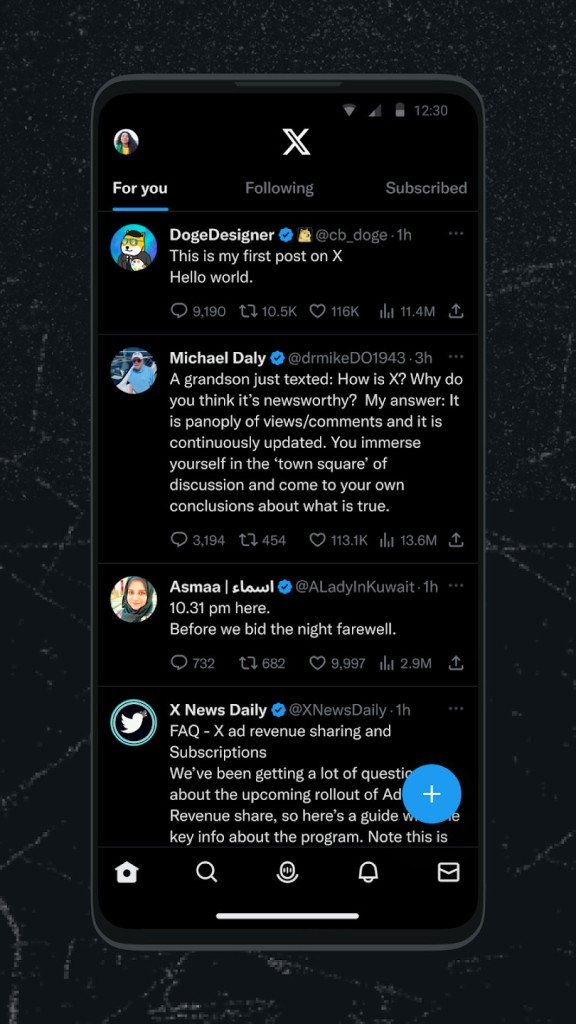
X allows users to publish content in the form of messages called “posts,” formerly known as tweets. Standard posts are limited to 280 characters, while X Premium subscribers can post much longer content, up to 25,000 characters. Posts can include photos, GIFs, or videos. Premium subscribers can also upload videos of up to about three hours under certain conditions.
The platform allows users to participate in public conversations, follow the news, and view content related to their interests. Users can interact with posts through mentions, hashtags, likes, replies, and reposts. X is home to individuals, content creators, public figures, and brands alike. Accounts can also be configured to protect their posts.
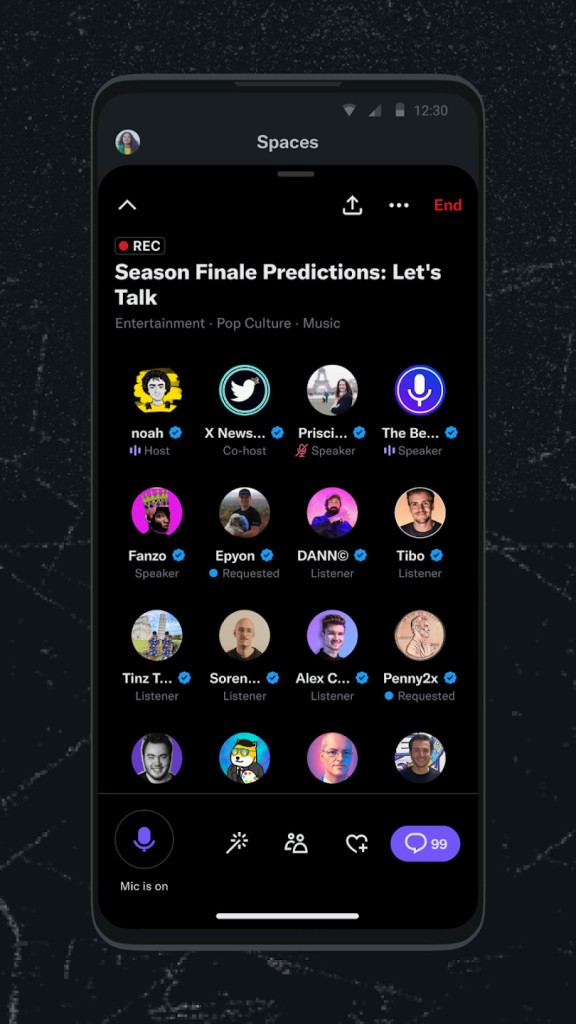
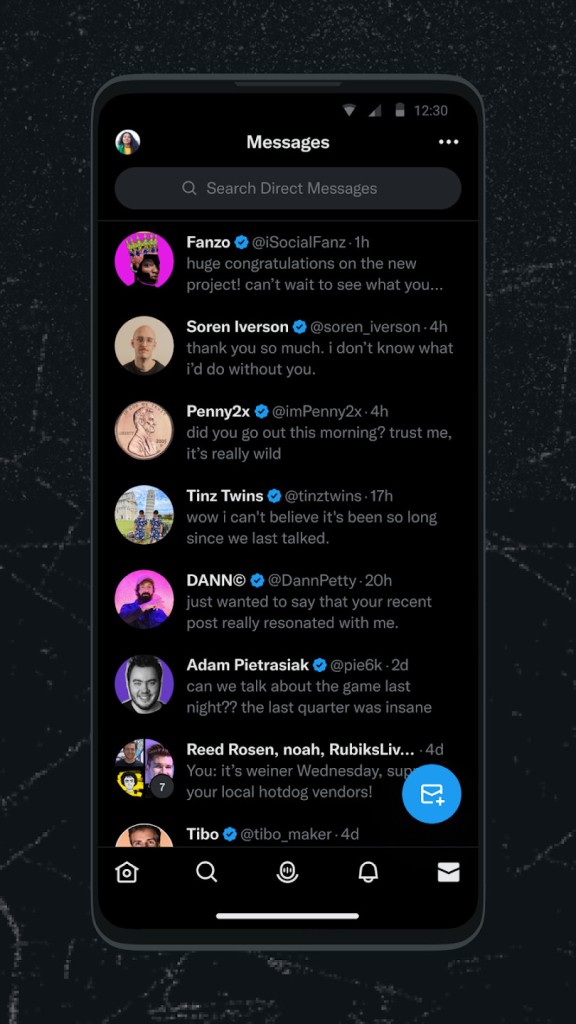
X also offers “Spaces,” which allow users to host live audio conversations, as well as live video streaming features. Private messages, meanwhile, let users communicate directly with one another. The platform also features “Communities” that bring users together around shared interests.
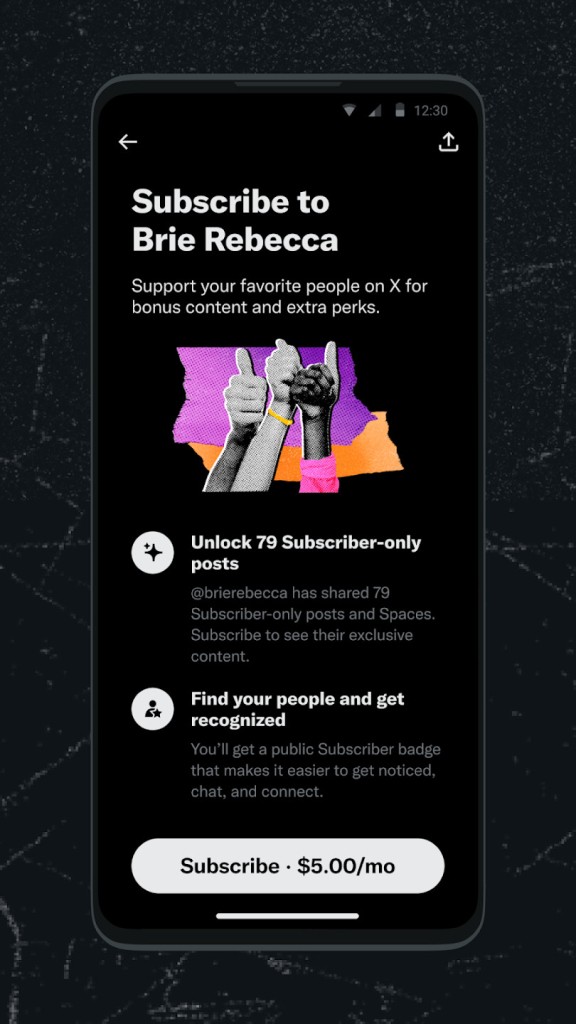
Other features of X include Community Notes, which allow users to add context to certain posts. The platform also offers various monetization mechanisms for creators, including Subscriptions that provide access to exclusive content. Since September 2026, the Creator Revenue Sharing program has been gradually replaced by the Original Content Rewards program.
Is X (Twitter) Free to Use?
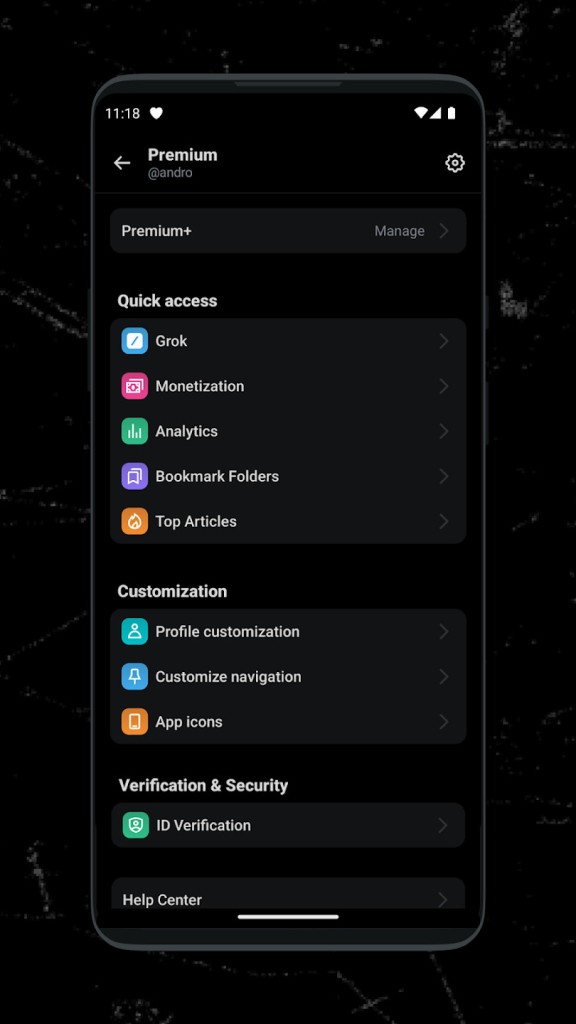
The X app remains available for free download and use for users who want to enjoy the social network’s core features. The platform also offers three paid subscription tiers: X Premium Basic, X Premium, and X Premium+, which provide progressively more features. Pricing varies by country and subscription plan.
The free version of X allows users to post and view content, search, and interact with other users. It remains partially funded by advertising. The Basic subscription does not reduce the number of ads, while the Premium plan reduces ads in certain feeds, and Premium+ offers a virtually ad-free experience.
Which Platforms Support X (Twitter)?
X can be used on many devices. You can download the mobile app to your Android smartphone or tablet, as well as to compatible Apple devices (iPhone, iPad).
It’s also possible to use X directly from a web browser, without installing the app. This version lets you access the platform from a computer or any other device with a compatible browser. There is no desktop app; on a computer, the web service is the primary way to use it.
What Are the Best Alternatives to X (Twitter)?
X is an effective social network; the platform offers a wide range of options, whether for personal or professional use. You can stay up-to-date on the latest news through trending topics and also discover various topics through users or accounts that share success stories related to specific content. However, since Twitter became X, many microblogging alternatives have emerged.
Developed by Meta to compete with X, Threads is a social network linked to Instagram, designed primarily for posting and following text-based messages and participating in online conversations. Users can share posts accompanied by photos, videos, or links, and then interact with other members’ posts by liking, commenting on, or sharing them. The app also lets users follow the Instagram accounts of their choice and discover content based on their interests. Designed as a space for discussion and interaction, Threads offers personalized feeds and moderation tools to manage interactions. The service is available for free on smartphones and via a web browser; users can sign up and manage their profile using an Instagram account.
Bluesky is a microblogging social network that allows users to post messages, images, and videos and then interact with other users. The platform is based on the AT Protocol, an open-source protocol designed to enable different social services to communicate with one another and facilitate the portability of accounts and data. Bluesky offers a timeline, a discovery feed, and personalized feeds that users can choose from or subscribe to. Users can also use a domain name as their username. Available on computers and mobile devices, the service also features various tools for moderation and content control.
In a slightly different vein, Mastodon is a decentralized, open-source social network that allows users to post short messages, share images, videos, and links, and interact with other users. Unlike traditional social networks, Mastodon is built on a network of independent servers, called “instances,” that can communicate with one another using the ActivityPub protocol. Each instance has its own rules and community, while allowing its members to interact with users on other servers. The platform does not rely on a centralized algorithm to organize posts and offers various tools for managing interactions and moderation. Mastodon is available for free on the web and through various mobile apps. Its decentralized nature makes it an alternative to social platforms that rely on a single infrastructure.