Snapchat is a multimedia messaging app built around the idea that not every moment needs to live on the internet forever. When you send a photo or video through Snapchat, the content disappears after the recipient views it or after a short window of time. That core concept of ephemeral communication is what made Snapchat popular when it first launched. The app has grown considerably since then, adding public content feeds, augmented reality features, location sharing, and AI-powered tools on top of its messaging foundation.
Developed by Snap Inc., Snapchat has grown to more than 900 million monthly active users worldwide and remains especially popular among younger audiences. The app centers on the camera rather than a text-based feed, encouraging users to communicate through photos, short videos, and creative overlays rather than typed messages. While other social platforms have adopted similar features over the years, Snapchat continues to distinguish itself through its commitment to real-time, casual sharing and its investment in AR technology.
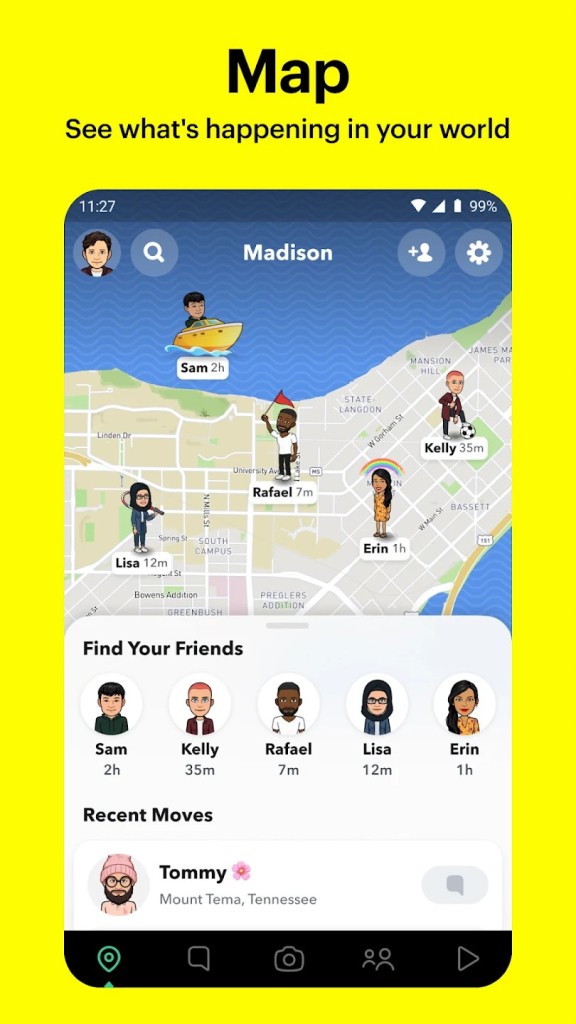
Beyond private messaging, Snapchat functions as a content platform. Users can post Stories that remain visible for 24 hours, browse curated media through the Discover section, and watch short-form videos in Spotlight, which surfaces community content through algorithmic recommendations. Snap Map lets you share your live location with friends and explore public content posted from locations around the world. A built-in AI chatbot called My AI can answer questions and hold conversations directly within the app.
What Are the Key Features of Snapchat?
Snapchat's camera is the heart of the experience, and it opens by default when you launch the app. From there, you can take a photo or record a video, apply AR lenses that transform your face or surroundings, add text, stickers, music, or drawings, and send the result to specific friends or post it to your Story. The AR lens library is extensive, with thousands of community-created and branded options that range from simple face filters to full environmental overlays.
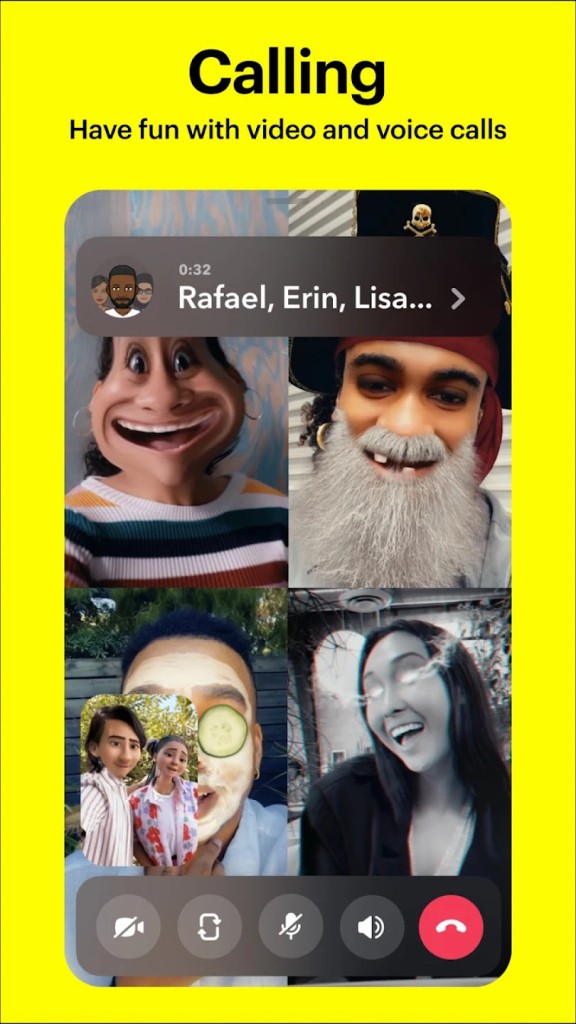
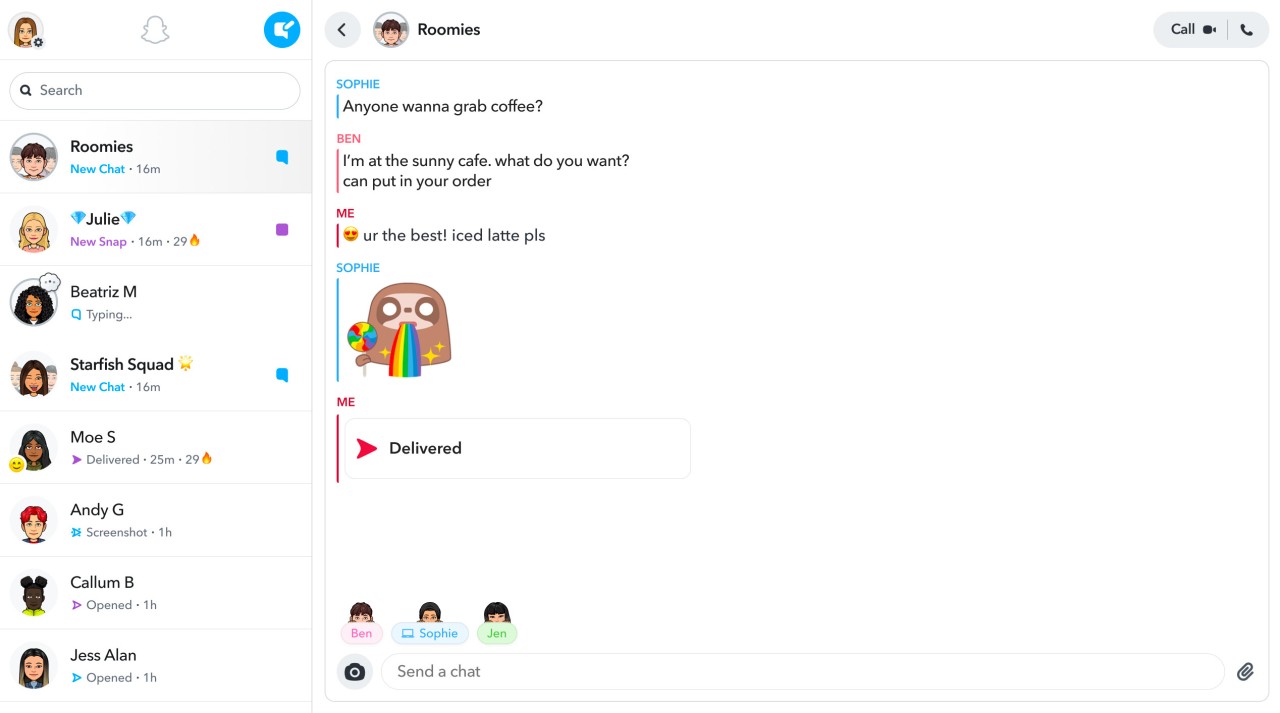
Messaging on Snapchat goes beyond sending Snaps. You can also have text-based chats, make voice and video calls, and send photos that persist in the conversation rather than disappearing. The app also supports group chats with multiple participants. Snapstreaks, which track consecutive days of exchanging Snaps with a friend, have become a defining social feature of the platform and a major motivator for daily engagement.
Bitmoji integration lets each user create a custom cartoon avatar that appears throughout the app, from chat stickers to the Snap Map. The Discover section delivers content from media publishers, entertainment brands, and individual creators, while Spotlight functions as Snapchat's answer to short-form video feeds. Creator tools allow users to build public profiles, grow audiences, and even sell paid subscriptions to exclusive content. My AI, powered by large language models, is accessible directly from the chat list and can help with recommendations, answer questions, or just carry on a conversation.
Is Snapchat Free to Use?
Snapchat is free to download and use. All core features, including messaging, Stories, Snap Map, AR lenses, Spotlight, and Discover, are available without paying anything. There is no requirement to create a paid account to access the app's main functionality.
Snap Inc. offers an optional subscription called Snapchat+ that adds extra customization and social features on top of the free experience. Snapchat+ does not unlock features that are essential for communication. Instead, it provides perks like the Friend Solar System, Story rewatch indicators, custom app icons, and priority access to experimental features. A higher Platinum tier also reduces the number of ads shown in the app. The core Snapchat experience remains fully functional without any subscription.
Which Platforms Support Snapchat?
You can download Snapchat on iOS and Android devices. The app is available through the Apple App Store and Google Play Store. Both versions receive regular updates and feature parity, though historically the Android version lagged behind iOS in performance. That gap has narrowed significantly, and both platforms now offer a comparable experience.
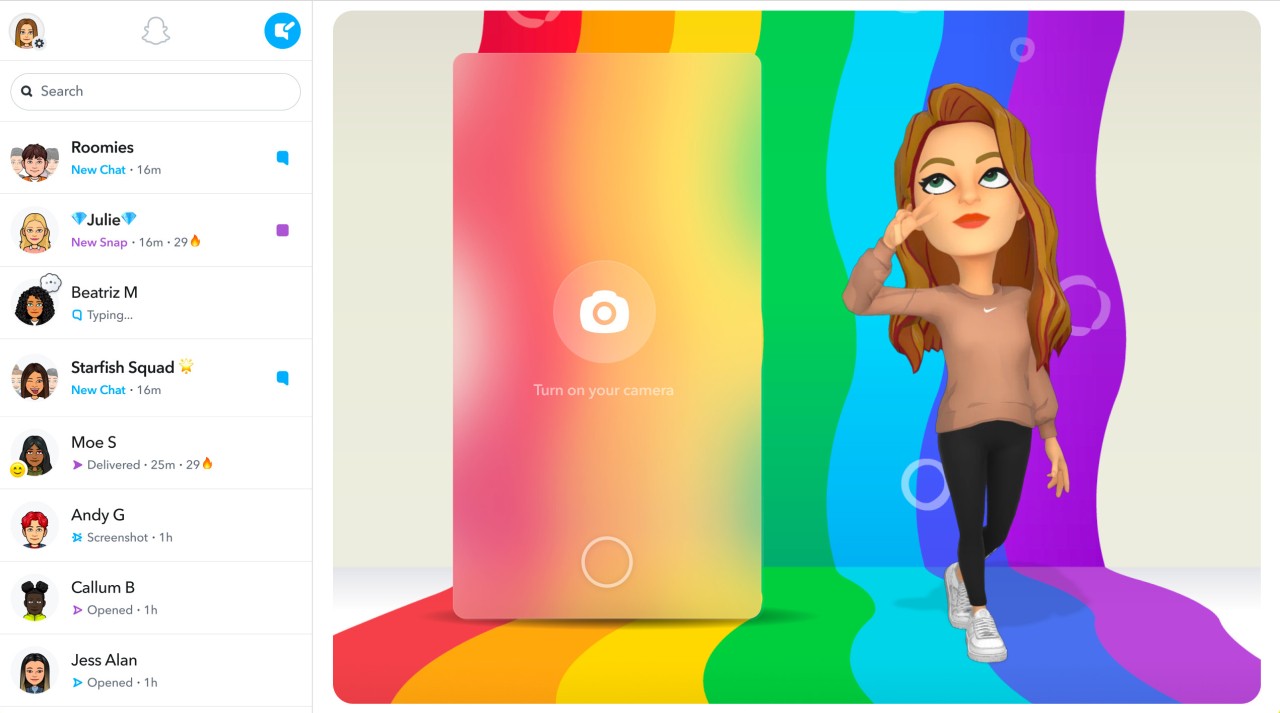
Snapchat also provides a web version at web.snapchat.com, which supports messaging and video calls from a desktop or laptop browser. There is no standalone desktop application. The web version covers basic communication but does not include all features found in the mobile app, such as AR lenses, Snap Map, or Spotlight. For the full Snapchat experience, the mobile app is the primary platform.
What Are the Best Alternatives to Snapchat?
TikTok is the most direct competitor when it comes to short-form video content. While Snapchat emphasizes private messaging and ephemeral sharing, TikTok is built around a public video feed driven by one of the most effective recommendation algorithms in social media. Creators on TikTok tend to reach wider audiences faster, and the editing tools for video content are more advanced. If your main interest is watching and creating short videos rather than messaging friends, TikTok is the stronger option. It is free to download on iOS and Android.
Facebook is a broader social networking platform that covers messaging, groups, events, marketplace listings, and video content under one roof. While it lacks Snapchat's focus on ephemeral content and AR features, Facebook Messenger supports disappearing messages and has its own set of camera effects. Facebook appeals to a wider age range and is especially useful for staying connected with family, joining interest-based communities, or following news. It is free to use on iOS, Android, and the web.
Instagram shares the most DNA with Snapchat among the major social platforms. Snapchat's format directly inspired Instagram Stories, and the app also offers direct messaging, Reels for short-form video, and a wide selection of AR filters. Where Snapchat prioritizes close-friend communication, Instagram leans more toward public sharing and building a curated profile. For users who want both a polished visual feed and messaging in one app, Instagram covers a lot of ground. It is free to download on iOS and Android, with a web version also available.