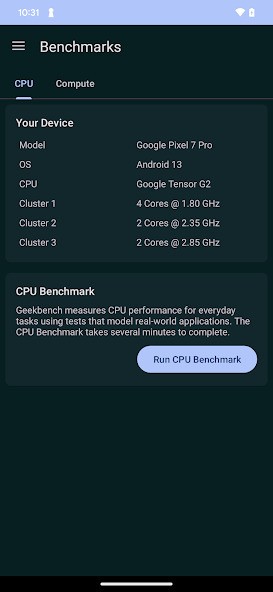
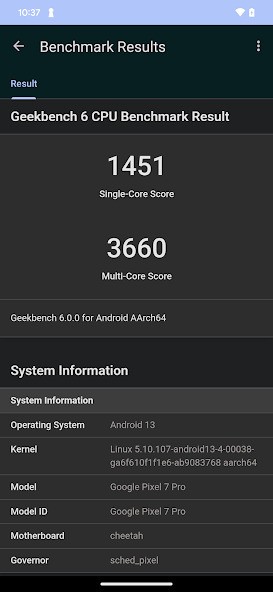
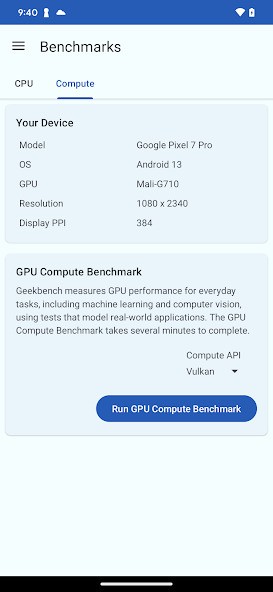
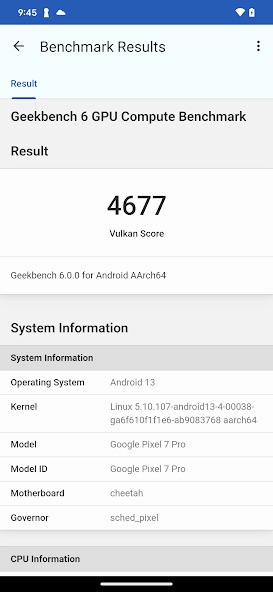
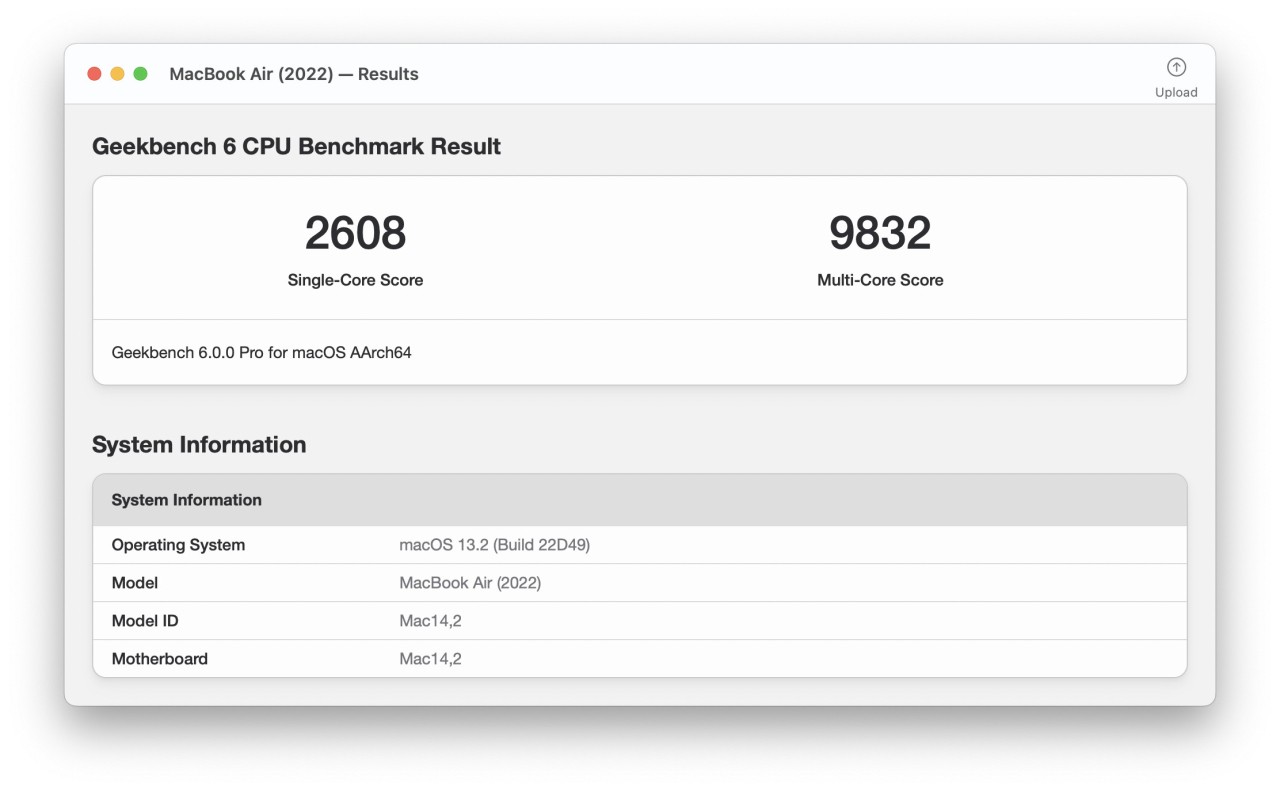
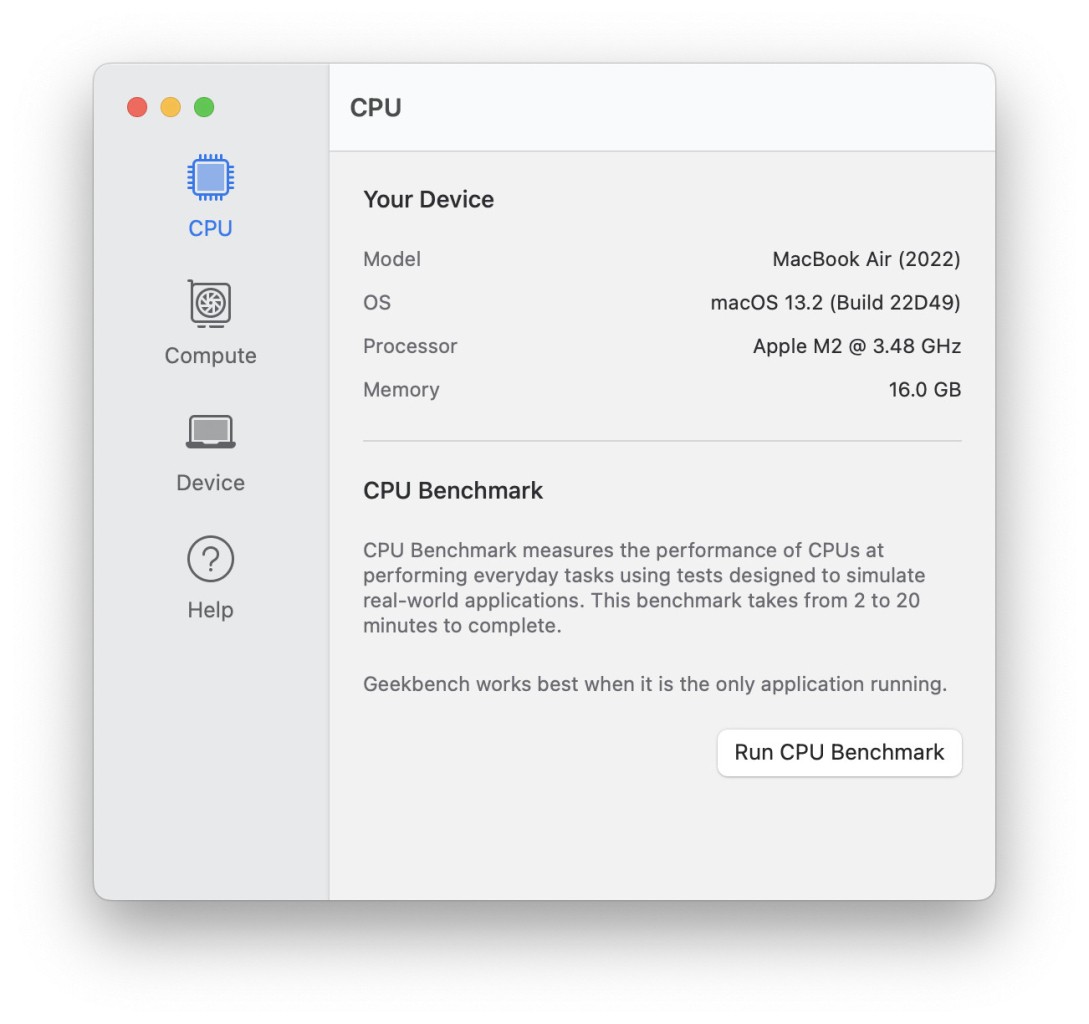
Geekbench is a cross-platform benchmarking application that measures the performance of a given device in normal computing activities. It can be applied to desktop computers as well as mobile devices at any given time, and users get the opportunity to test the performance of the same with one or two clicks. Geekbench is aimed at providing you with a clear understanding of how any given system can be fast or slow in terms of its performance on some common workloads.
Geekbench concentrates on actual performance rather than on the numbers. It is an indicator of the performance of a system when performing basic applications, multitasking, and overall computer usage that a user undergoes in their daily life. Due to this method, it is frequently employed to put various devices into comparison despite seasoned operating systems or by not using the unified hardware architecture.
The software is popular among individuals, reviewers, and developers, and those organizations that require an effortless method of investigating the performance of the system. The results can be contrasted with another device, including newer hardware, which can help the user to understand their position. Geekbench is fast, simple, and easy to use, and it does not ask for high-level technical skills to operate or comprehend.
What Are the Key Features of Geekbench?
Geekbench is a utility that tests the CPU and GPU performance through practical tests. The CPU benchmarking is a single-core and multi-core performance evaluation test that applies to daily activities, including dealing with emails, image processing, media playing, and concurrent execution of multiple processes. It also covers more recent loads of machine learning and augmented reality, based on the current use patterns.
The benchmark of the GPU Compute is devoted to gaming, image processing, and video editing. It is compatible with popular graphics APIs, such as OpenCL, Metal, and Vulkan, which enables testing of the performance of various GPUs within various platforms. Geekbench 6 proposes new approaches to testing graphics cards and machine learning workloads to represent more current applications.
Geekbench is a design that revolves around real-life testing. The benchmarks refer to real data sets and tasks of some popular applications, and this simplifies the results to comprehend and makes them closer to reality. It is also possible to save the scores to be accessed on the Geekbench Browser, where the user can store the results, share them, and compare them with other devices.
Is Geekbench Free to Use?
Geekbench exists in both a free version and a paid version. The free version allows running benchmarks and seeing simple results, which is often sufficient to perform casual testing and achieve some basic comparisons. Paid versions allow access to more advanced functions like more detailed results, additional features, and the right to use the service commercially. It will be based on the platform and the applications it will be used for, particularly for business or professional use.
Which Platforms Support Geekbench?
Geekbench is cross-platform. It is compatible with Windows, macOS, Linux, Android, and iOS, allowing users to test the performance with a wide variety of devices, including desktop computers, laptops, smartphones, and tablets. The possibility of comparing the performance of two very dissimilar systems is one of the primary advantages of Geekbench. The user can compare mobile devices with desktops or different systems with different operating systems and processors.
Owing to the identical benchmark rationale between platforms, comparisons and outcomes are comparable. Geekbench does not use platform-specific facilities only, which contributes to making test results fair. This allows it to be handy when one has more than one device to use and also when one prefers an overview of the performance and not per-platform testing.
What Are the Best Alternatives to Geekbench?
Another popular alternative is 3DMark Basic. This standard is primarily graphics-oriented and is also game-oriented (rather than system-oriented). It provides graphical display tests, which are used to identify the capability of a system's graphics card to render graphics, physically compute in cases, and provide real-time effects. Due to this consideration, 3DMark Basic is commonly best among gamers or users who are testing graphics cards. It is, however, not representative of real-life computing activities like using applications, performance, and multitasking, which are the main focus of testing in Geekbench. A basic version of 3DMark Basic is easy to download for users who want to test gaming and graphics performance.
Maxon Cinebench is another alternative. Cinebench is a famous CPU testing tool used to test the performance of a CPU using workloads in the form of rendering. It relies on rendering tasks to demonstrate the performance of a processor at heavy, sustained loads and therefore cannot be used by users working in industrial applications of 3D modeling, animation, or content creation. Although Cinebench is a better indicator of the underlying power of raw processors, it is concentrated on a single kind of workload, and does not sample representative system behavior, and general everyday activities; thus, it is more oriented than Geekbench. Cinebench can be downloaded by users who want to quickly check how a CPU performs under heavy rendering workloads.
Another alternative is AnTuTu Benchmark, although it is primarily meant to be used on mobile devices. AnTuTu is a performance test of smartphones and tablets in terms of CPU speed, graphics performance, memory performance, and general experience as a user. It is usually employed to make comparisons of Android-based devices and is prevalent in mobile hardware reviews. Despite offering valuable information on mobile performance, AnTuTu is not designed to take tests on desktop or laptop computers and cannot make broad cross-platform comparisons like Geekbench. AnTuTu Benchmark is widely available to download on mobile platforms for users focused on smartphone performance testing.