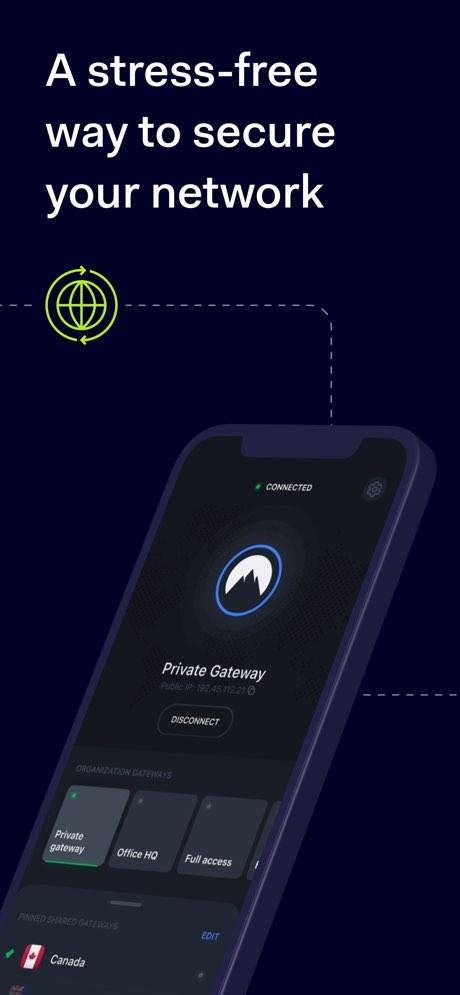
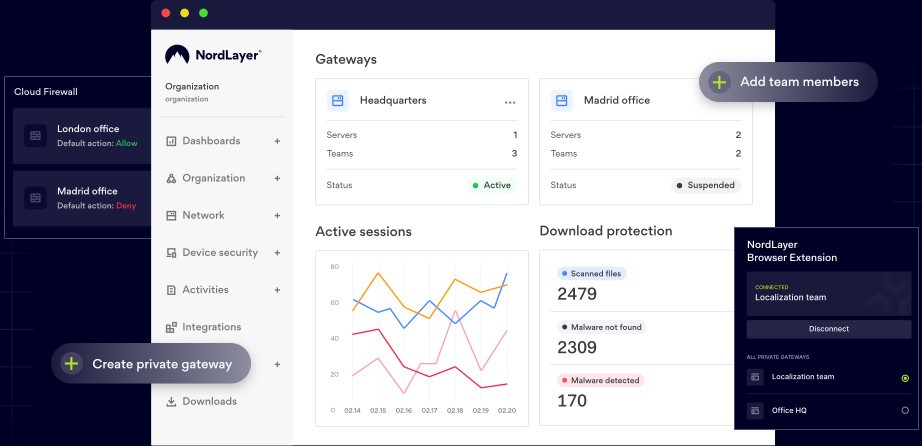
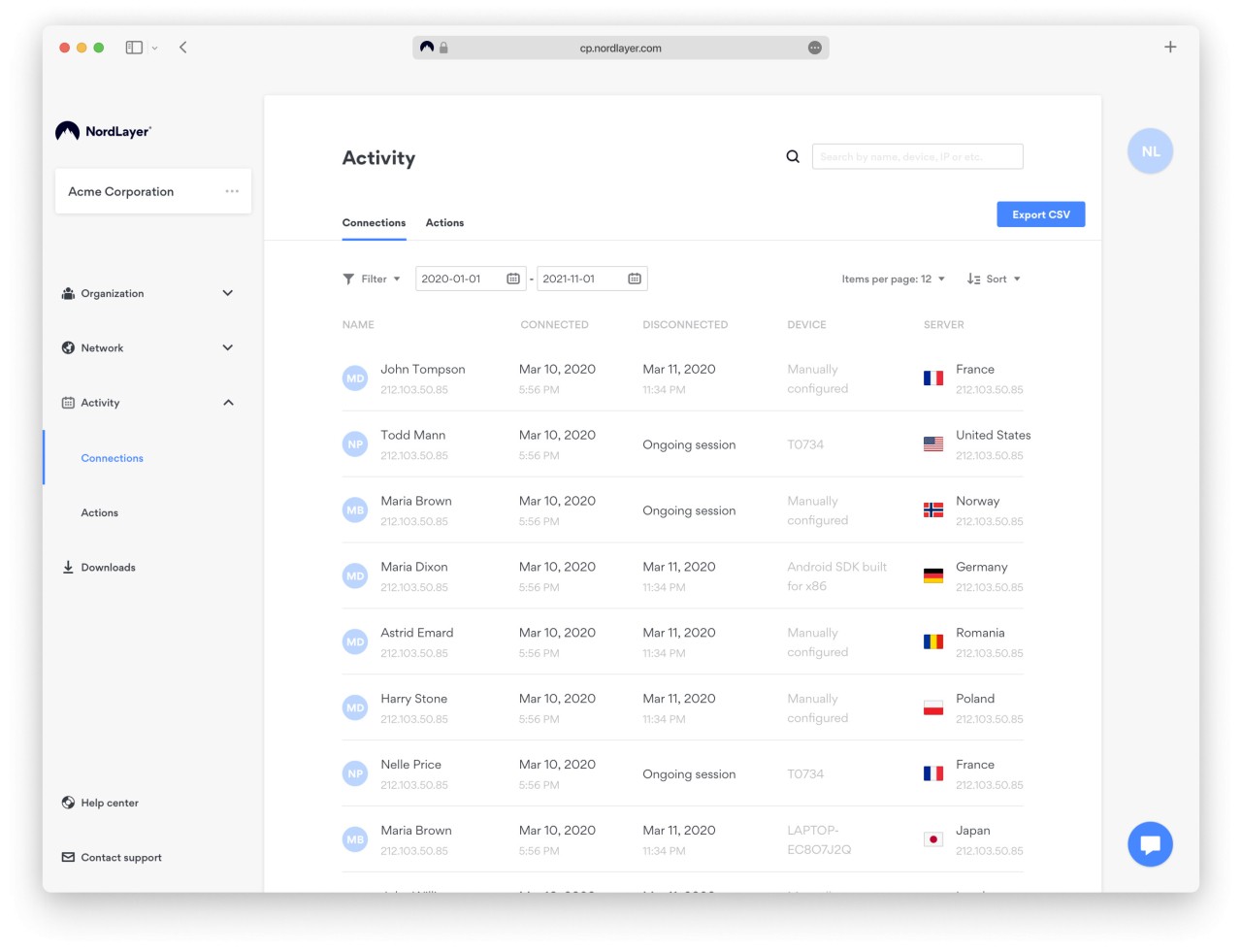
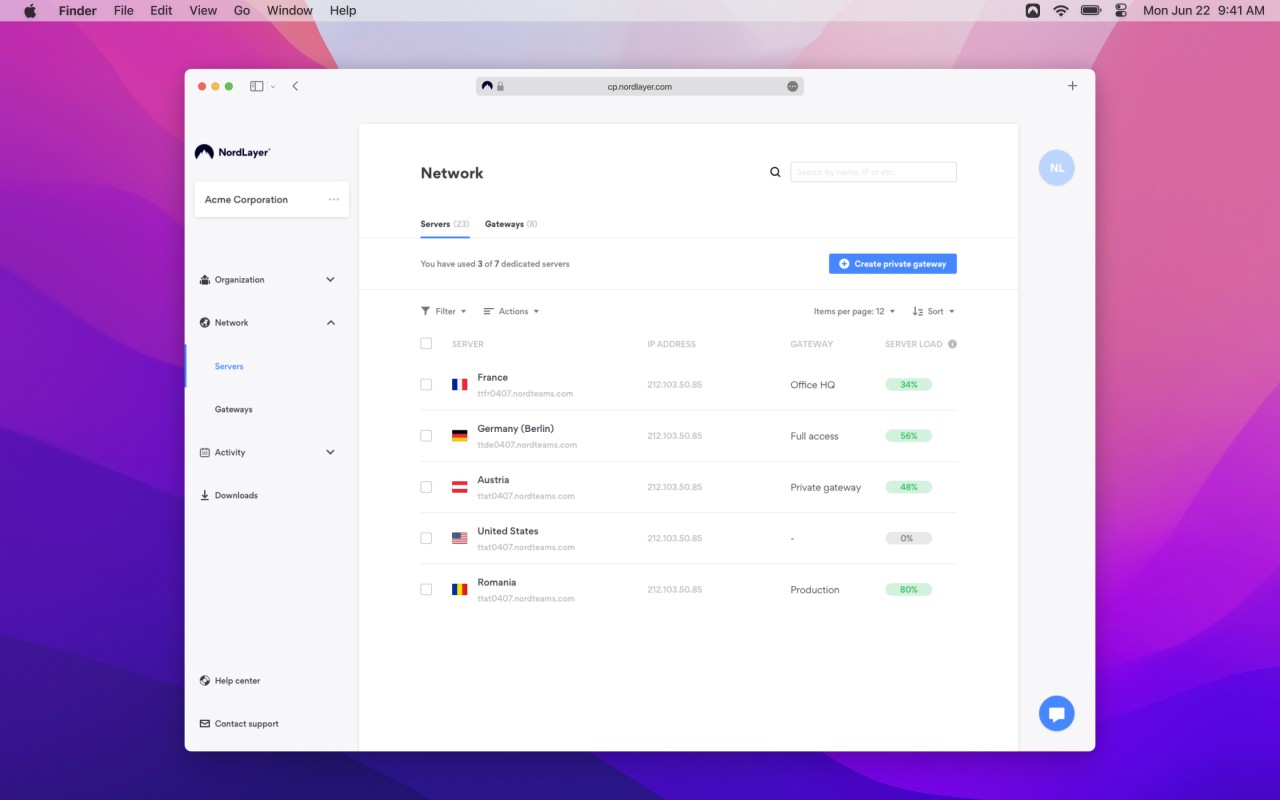
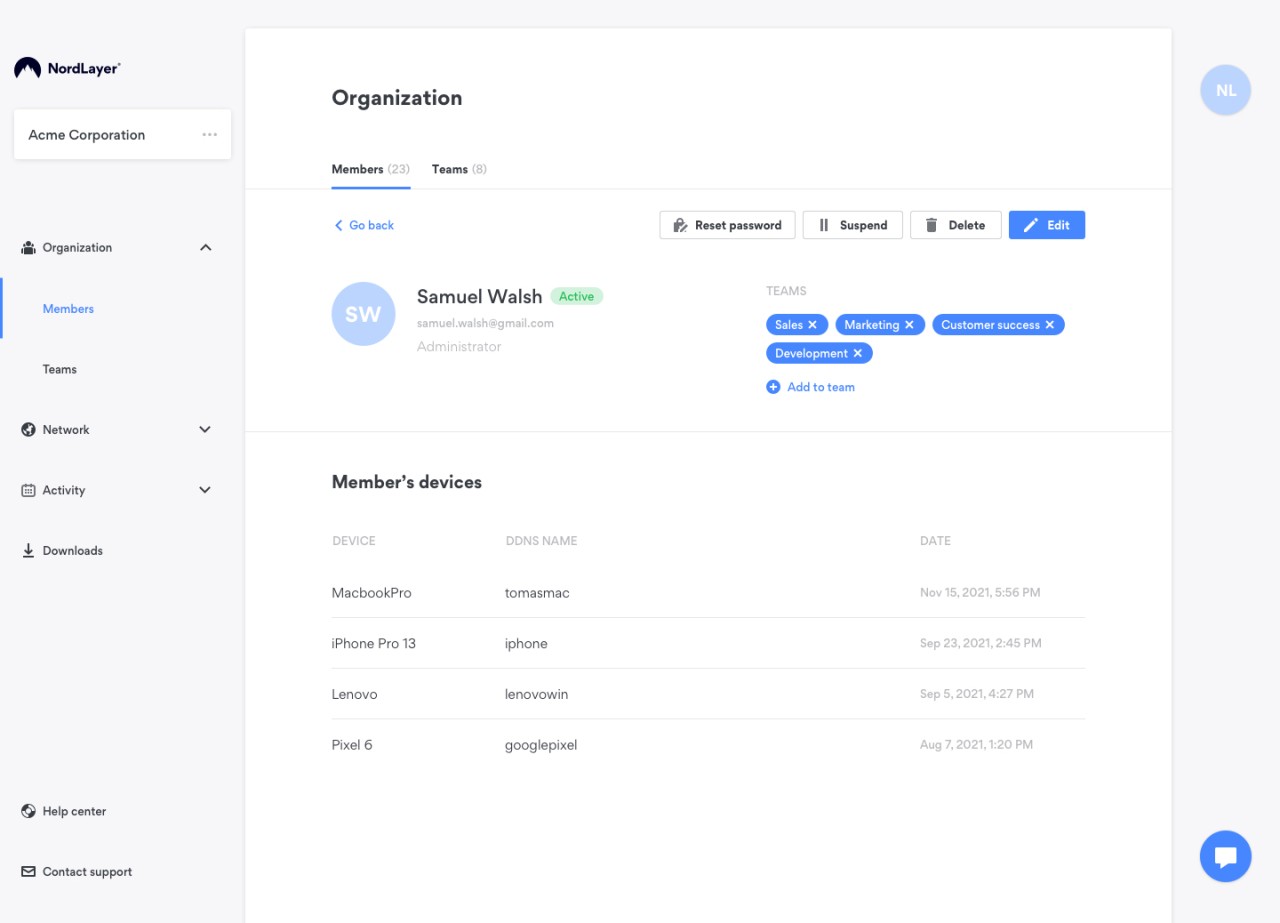
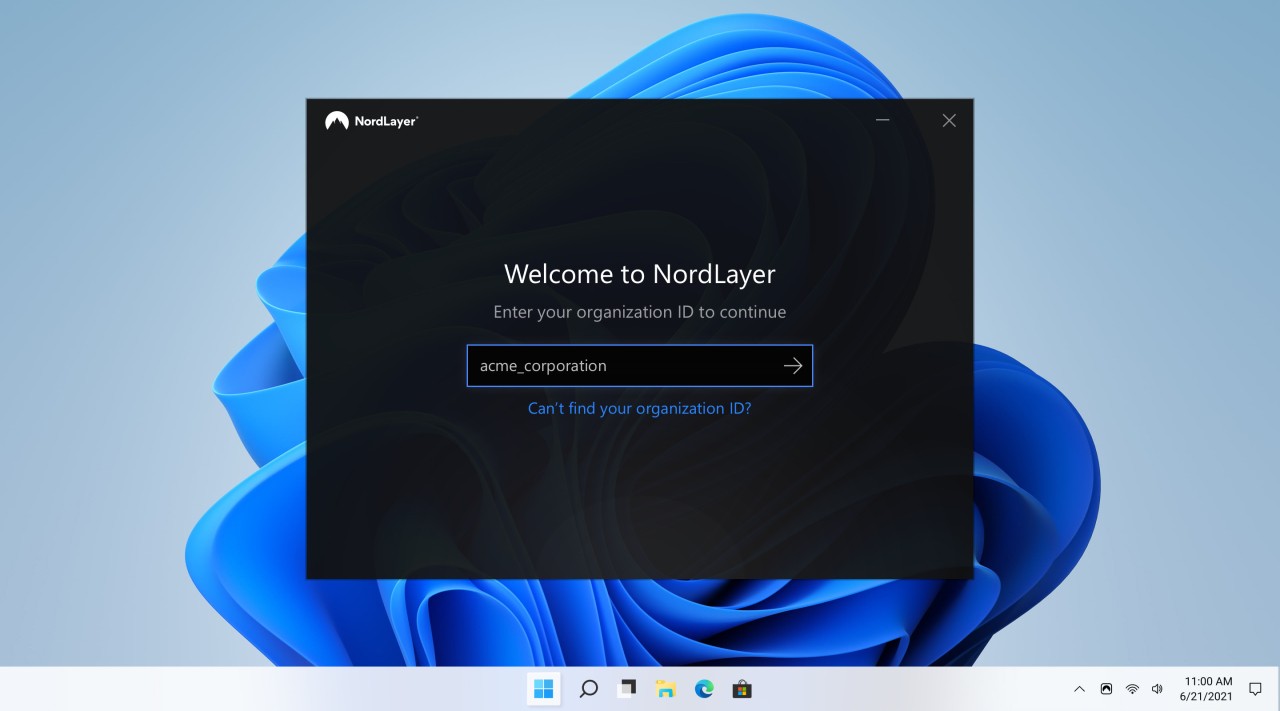
NordLayer is a business-focused cybersecurity platform designed to help organizations create secure connections between employees, devices, offices, cloud services, and private company resources. Rather than functioning just as a traditional consumer VPN, NordLayer brings together several network security technologies within a cloud-based platform that can be managed from a centralized location.
The software is aimed at businesses that need to support remote, hybrid, or distributed teams without relying entirely on physical networking hardware. Employees can connect securely from different locations, while administrators can establish rules controlling who is allowed to access particular applications, systems, and resources. This can be particularly useful for organizations where employees regularly work outside a central office or need secure access to internal company infrastructure.
NordLayer combines Business VPN functionality with Zero Trust Network Access, access management, threat prevention, and threat intelligence tools. This approach allows businesses to address several areas of network security through one platform rather than managing separate solutions for encrypted connectivity, user access, and network protection.
The platform is also designed with deployment and management in mind. Its cloud-native approach can reduce the need for complex hardware installations and allow businesses to deploy security tools more quickly. This makes it an option for organizations looking for enterprise-level network security without building and maintaining all of the required infrastructure themselves.
What Are the Key Features of NordLayer?
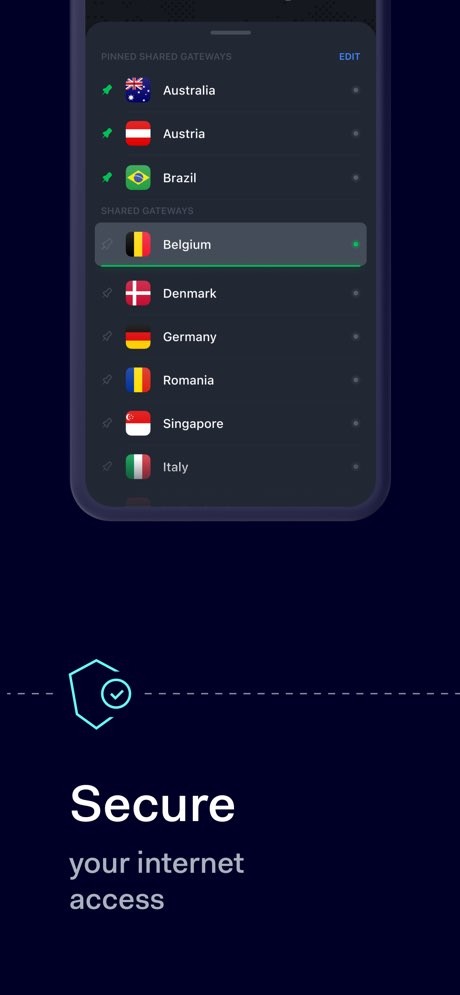
NordLayer has several tools designed to help businesses secure their networks without relying entirely on traditional hardware-based infrastructure. Its Business VPN feature creates encrypted connections for employees, while dedicated gateways and site-to-site connectivity can help connect offices and remote workers securely.
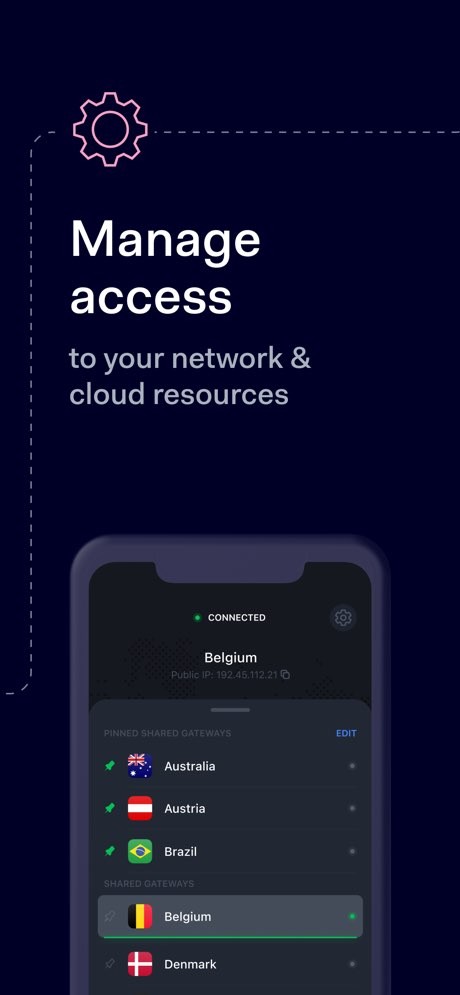
The platform also includes Zero Trust Network Access, allowing businesses to control who can access specific resources. Organizations can use features such as single sign-on, multi-factor authentication, device checks, network segmentation, and cloud firewall policies to manage access across their networks.
NordLayer also offers threat prevention tools that can block malicious websites and dangerous domains, identify shadow IT, and help stop risky downloads. Its threat intelligence features can monitor for exposed credentials and domain breaches, helping organizations identify potential security issues before they become more serious.
Businesses can manage users, devices, access rules, and security settings from a centralized platform. NordLayer also offers a business-focused browser designed to add another layer of protection to web-based work and company data.
Is NordLayer Free to Use?
No, NordLayer is not a free service. It is a paid cybersecurity platform aimed primarily at businesses, with pricing based on the plan and features an organization requires.
NordLayer offers a 14-day money-back guarantee, allowing customers to try the service with the option to request a refund within that period. The platform is designed for organizations of different sizes, from smaller teams to larger businesses that need more advanced access management and network security features.
Which Platforms Support NordLayer?
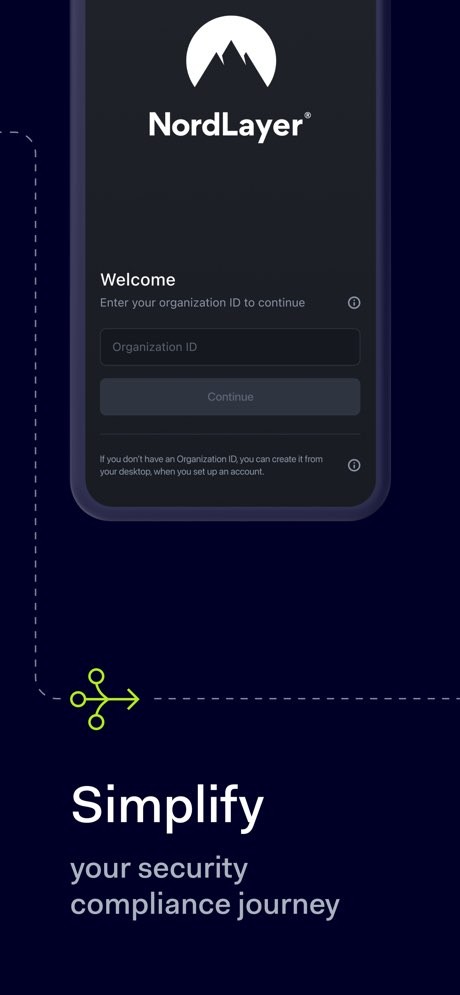
NordLayer supports Windows, macOS, Linux, Android, and iOS. This means employees can use the service across desktop computers, laptops, and mobile devices, which can be useful for organizations with remote or hybrid teams using different operating systems.
NordLayer is also available through a browser extension, while its NordLayer Browser provides an additional browser-based security option for businesses. Android users can download NordLayer for supported devices, while iPhone and iPad users can access it through iOS.
What Are the Best Alternatives to NordLayer?
Twingate is a Zero Trust Network Access platform that provides secure access to private company resources without using a traditional VPN architecture. It may be a good alternative for businesses primarily looking to implement a Zero Trust approach and control access to individual applications and resources.
OpenVPN is a well-known VPN solution that focuses on creating encrypted connections between users and private networks. It may be better suited to businesses looking for a more traditional VPN setup or organizations that want greater flexibility over how their VPN infrastructure is configured.
Tailscale is another alternative that uses a mesh networking approach to connect devices securely. It can be particularly useful for teams that need to connect distributed devices and services without manually configuring more complex networking infrastructure.