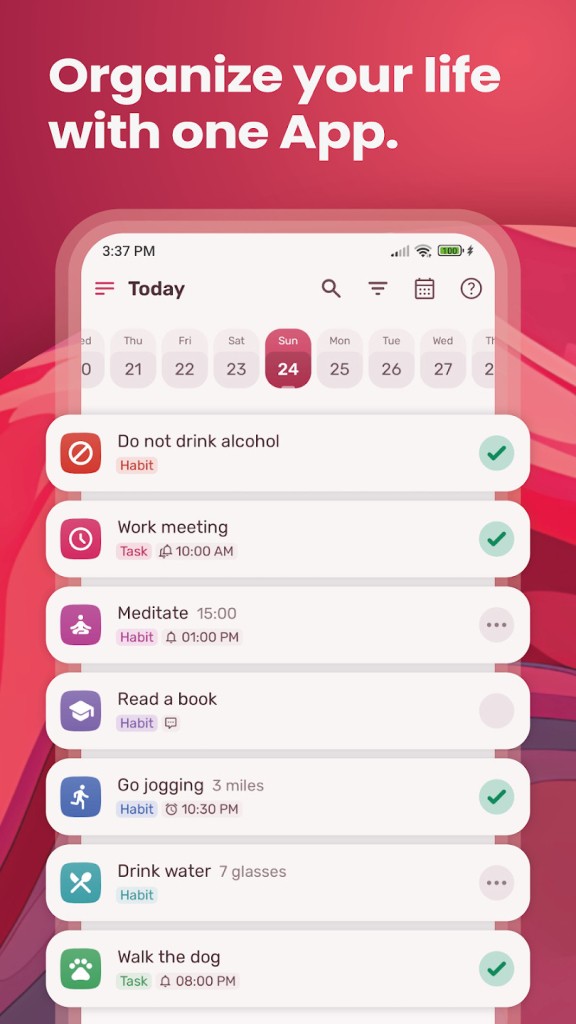
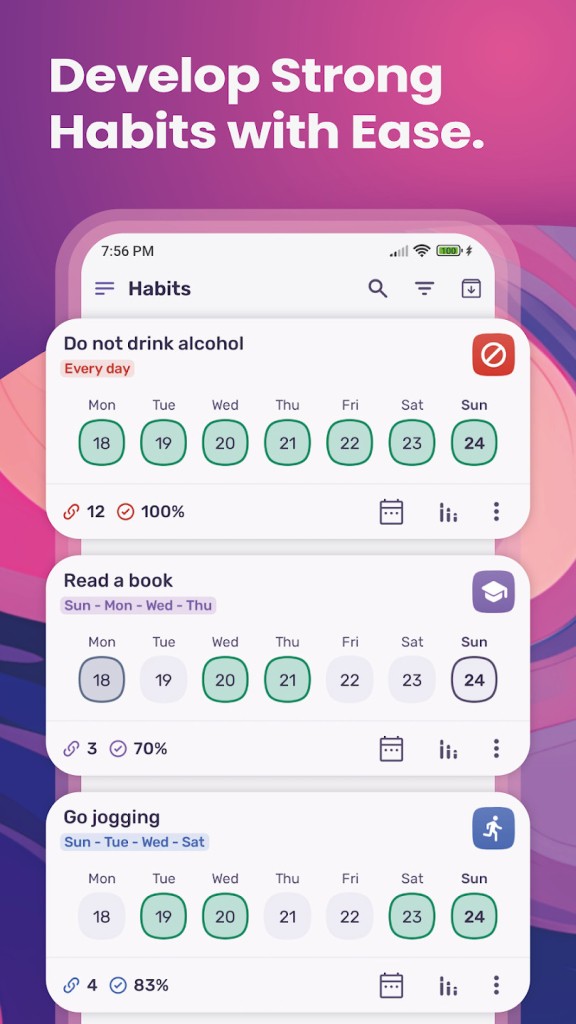
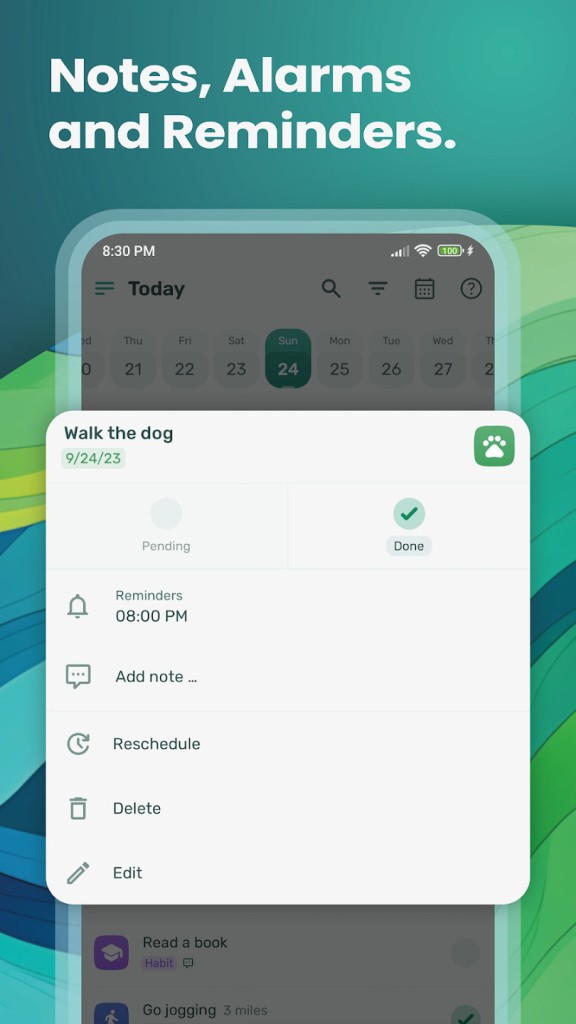
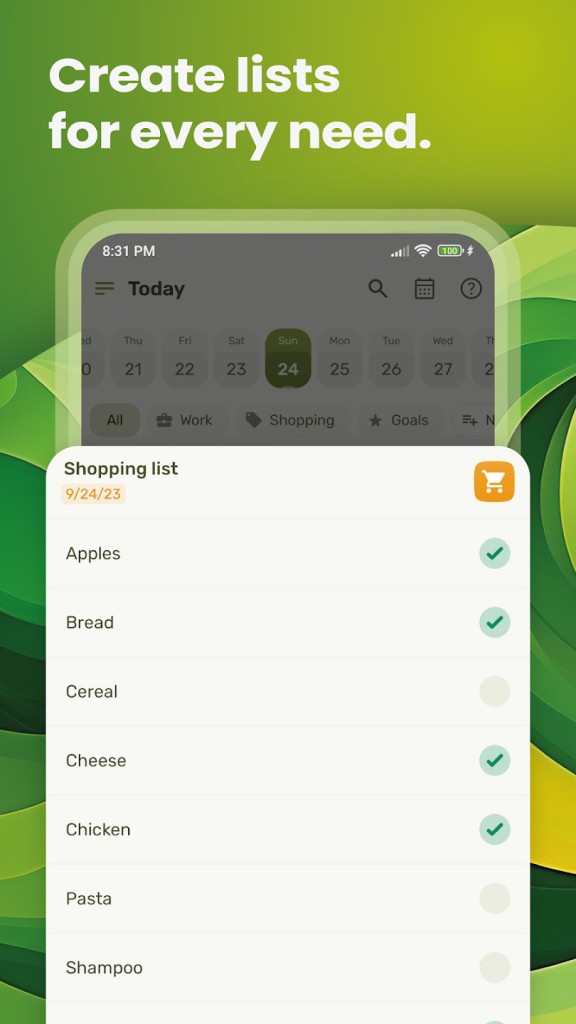
Evenly combining a habit tracker with a to-do list application, HabitNow is a basic app. It does not apply flashy gimmicks to reinvent the wheel. Rather, it is in the middle of simple checklist applications and more sophisticated habit-forming applications. The majority of users have their routines, such as schoolwork, jobs, chores, health reminders, or any other recurring task, in a single place. You can add habits and activities with ease, and the app is both effective and silent in the background without imposing a specific way of doing it.
Make your routines, cross them off, and the app tracks a running history. It is primarily great because it is organized and everything is in a single system, rather than notes and alarms all over the place. A calendar view does not allow tasks to be floating around individually. It is also used by some as a productivity tool; others merely count water consumption or streaks. HabitNow is not imposing a particular lifestyle on you; it is simply something that gives you the means to customize your own routine and watch your consistency with time.
What Are the Key Features of HabitNow?
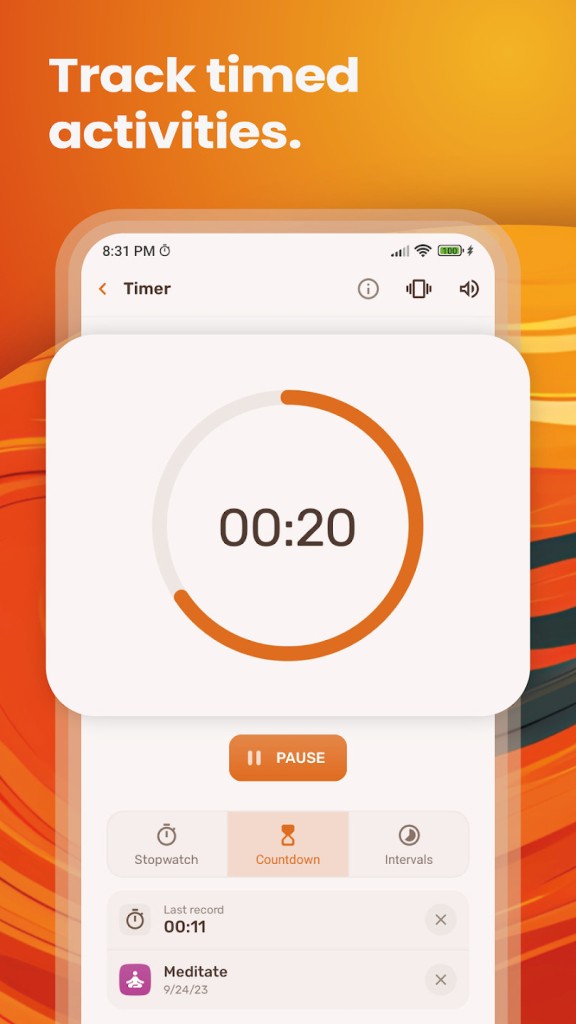
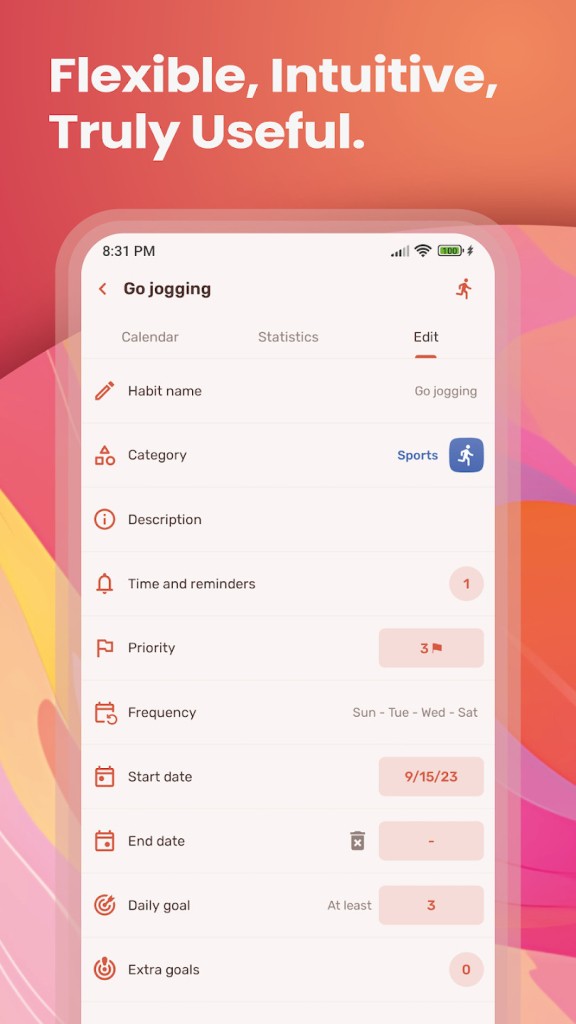
HabitNow contains functionality that is common to productivity tools but organized in such a way that it appears small. You receive streak tracking, priority, category, and different timetables, such as daily, weekly, or personal. The tasks are sorted with reminders, alarms, and due dates; thus, it will be possible to organize the short-term and long-term habits. An inbuilt timer will be yet another notch: you may have countdown sessions or a plain stopwatch tracking of your study time or exercises.
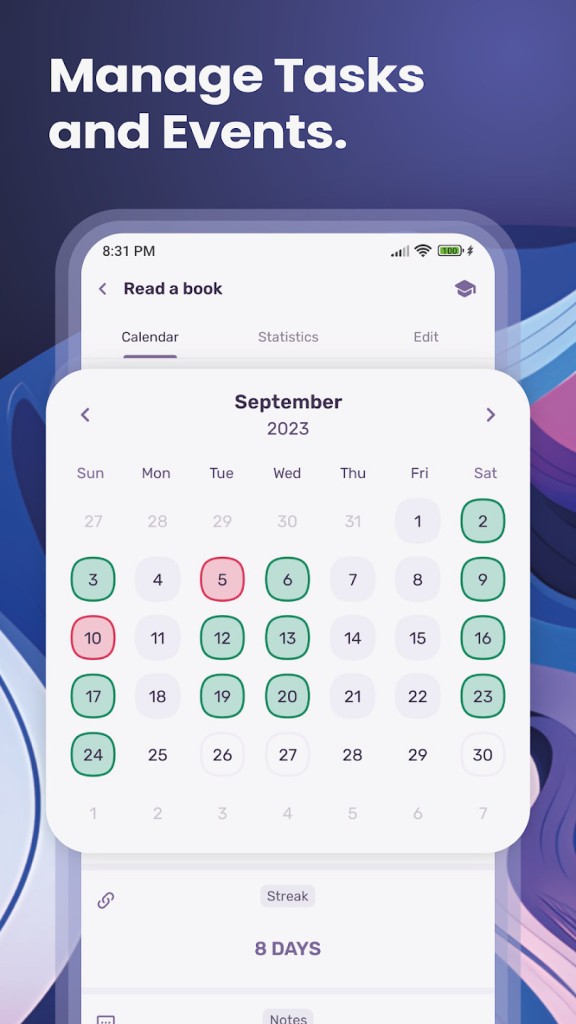
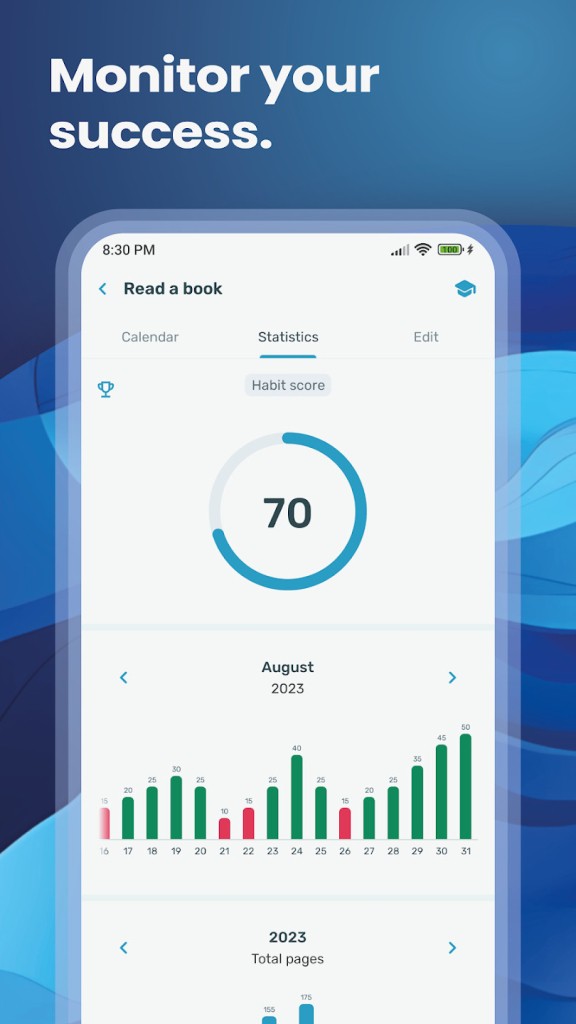
The calendar area presents all your habits and activities for the month, which is useful if you like the bird's-eye view rather than lists. The customization features are icons, themes, and color setups. Charts and simple statistics are available to those interested in seeing the trends or tracking the improvement in progress by the week. The widgets allow previewing things without launching the app, and premium users can save up to cloud storage; the regulars save it locally. The whole aspect is rather on individual makeup than on habit frameworks.
Is HabitNow Free to Use?
A free version that includes most basic features—tracking, addition of tasks, reminders, and scheduling—is provided by HabitNow. Additional services are offered as a one-time premium upgrade, with more functions supplied, such as longer backup cycles, extra customization, and some advanced features. No subscriptions; upgrades are bound to your Google account. The free version can be used as is; however, individuals who require long-term storage and cross-device backup can opt to purchase the premium.
Which Platforms Support HabitNow?
HabitNow is predominantly accessible on Android through the Google Play Store. No specific web app or desktop edition is provided, and thus, when using it, you remain attached to your phone or tablet. Since the application uses Google Play Services to authenticate, provide analytics, and crash reports, applications that are running alternative or unapproved versions of Android may experience reduced functionality.
Storage of data is based on the free or premium version. Free users save all the data on their computer; paid users may need the optional cloud backups feature to sync Google Habits and Tasks to their Google account. The app does not allow social functionality: it solely uses Google Sign-In to connect purchases and backups. The iOS version is not available yet and thus cannot be installed by Apple users on the App Store.
What Are the Best Alternatives to HabitNow?
Rabit dwells on visual motivation. Your habits are not displayed in charts and common habit streaks but in the form of small virtual plants that flourish when you manage to accomplish tasks and wilt when you miss them. This design will attract those people who are not fond of numbers and graphics. The app is lightweight with reminders and streaks without clogged settings. Rabit would be suited to individuals desiring a gentle inclination towards consistency. It makes the habit of building a silent, plant-growing process that stimulates daily improvement. You can always download it whenever you want to test this softer, visual habit-building approach.
LifeUp takes the reverse path and gamifies the whole process. All activities can earn experience points, levels, and in-game rewards for an in-app character. Actions are mini achievements instead of simple checkmarks. This is attractive to users who enjoy the RPG-like development and external incentive. LifeUp is not a minimal one, but it is still based on the idea that habits are quests. You receive collectibles, tasks, goals, and some intervals of animations. It may seem hectic to those who just need a clean checklist, though to those people who like the elements of a game, it brings more life to the routine aspects.
If the gamified style appeals to you, you can download LifeUp to see how it transforms everyday tasks into XP and levels.
The popular gamified habit tracker is Habitica. It gamifies habits, tasks, and everyday activities: the real-life activities are rewarded with gear, pets, mounts, and coins like in RPG missions. Habitica, in contrast to LifeUp, is more of a community-oriented game, with guilds, parties, challenges, and shared quests, which advance respectively. Avoiding work is hurting your personality, which brings responsibility. Depending on what you want—a quiet personal tracker or something that motivates you socially or plays like a game—it can be really overwhelming when you prefer Habitica over more traditional habit apps. It provides more layers of teamwork and customization than HabitNow does. Many users download Habitica specifically for its social quests and RPG-style accountability.