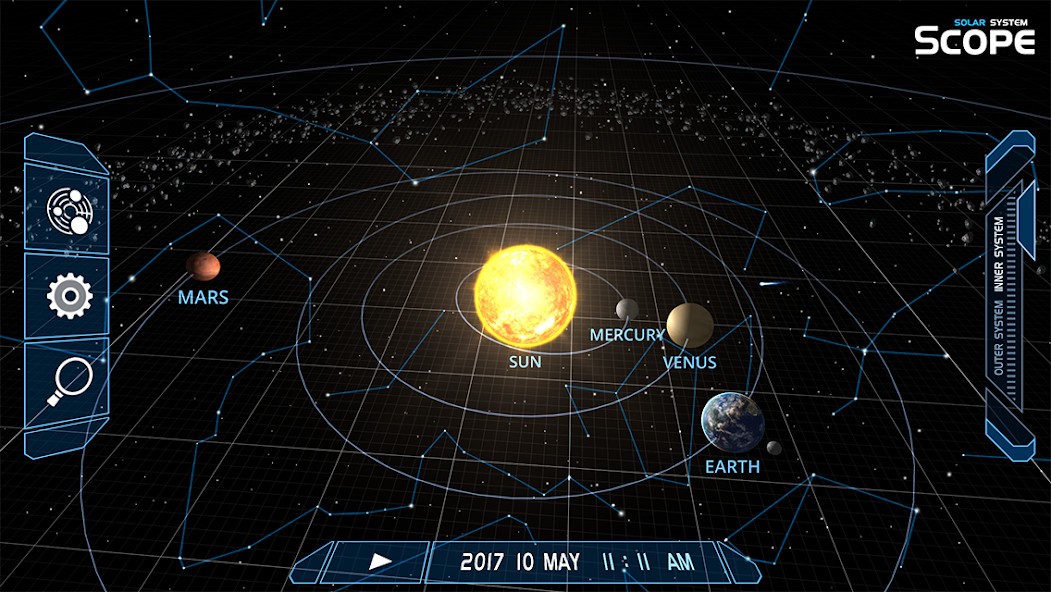
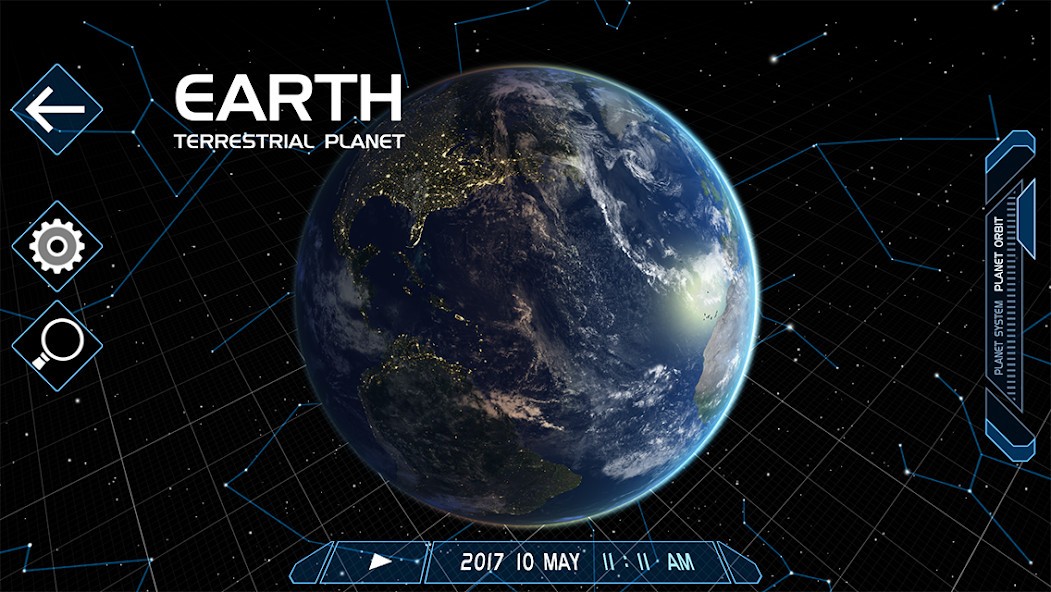
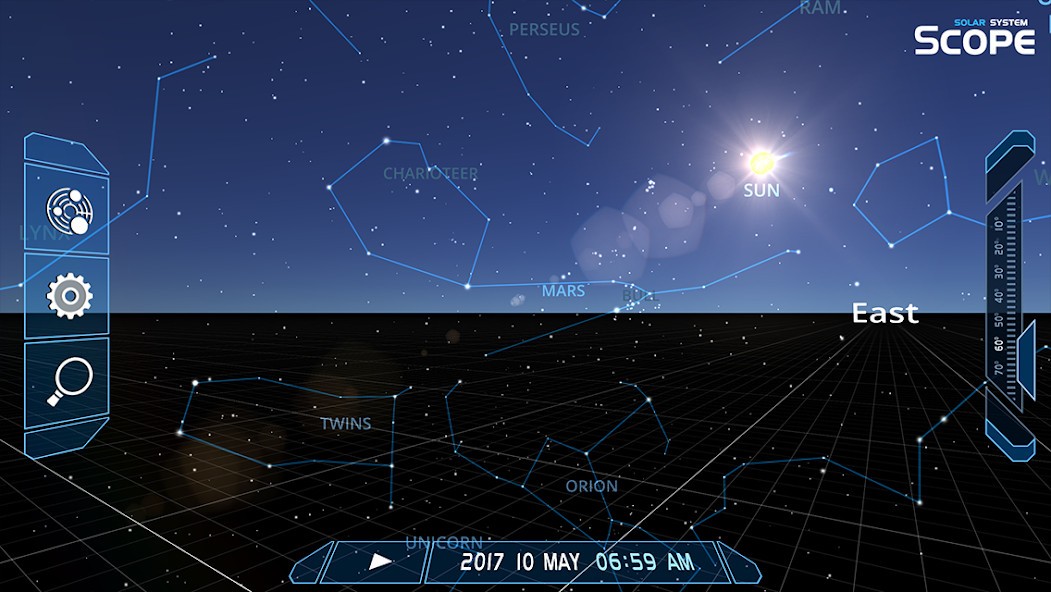
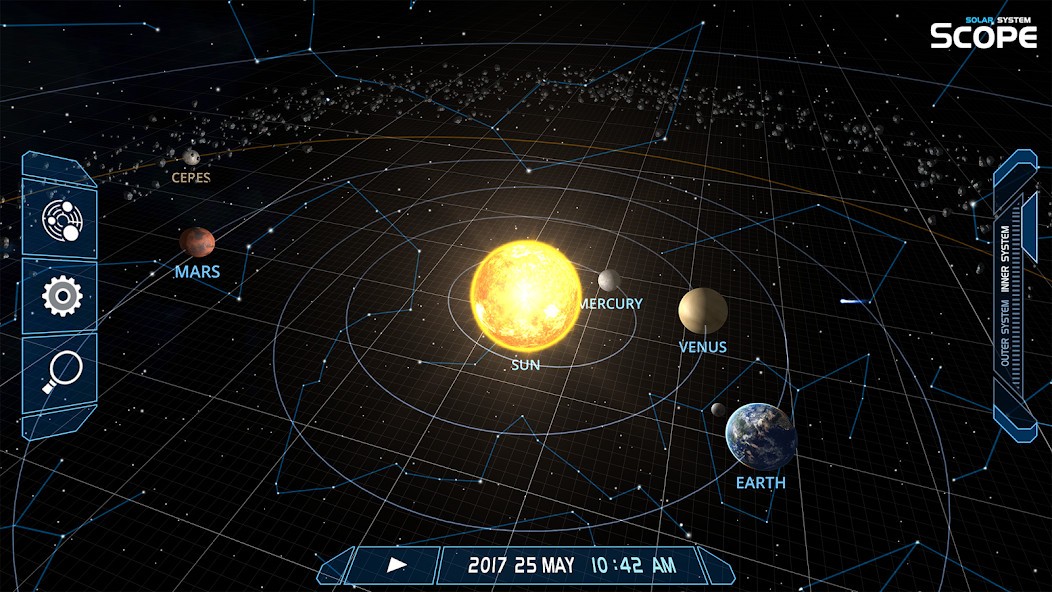
Solar System Scope is an interactive model of the solar system that allows users to view an interactive space in the solar system, the night sky, and outer space. It does not depict planets, moons, stars, and other objects at fixed locations. This is aimed at demonstrating the appearance of space and its motion and not reading about it.
People who are interested in astronomy can also use the software, but would like to enjoy a straightforward and graphic experience. It depicts space in a manner that is more convenient for comprehending distances, movement, and relationships. Users are free to travel and acquire knowledge as they get to know each other.
Solar System Scope is not new and has been around since 2011, when it was given a free version. However, with time, it has changed into a desktop and mobile-based tool that is a product of a simple online model. It is an exploration, learning, rather than professional research.
It is a relaxing and interactive experience. It is not fast or full of controls for the users. Instead, it allows individuals to browse at their leisure, and it is viable among students, hobbyists, and casual learners.
What Are the Key Features of Solar System Scope?
Its major characteristic is a real-time space model. Objects are displayed at their present positions, and it helps users to see the movement of planets and stars over time. This differentiates it from the fixed diagrams or plain images.
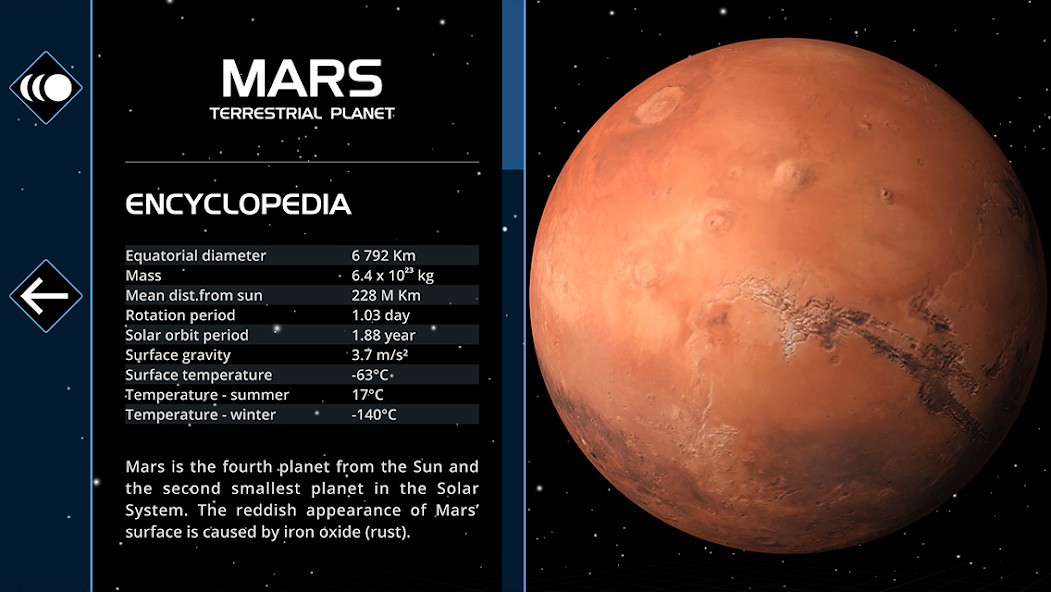
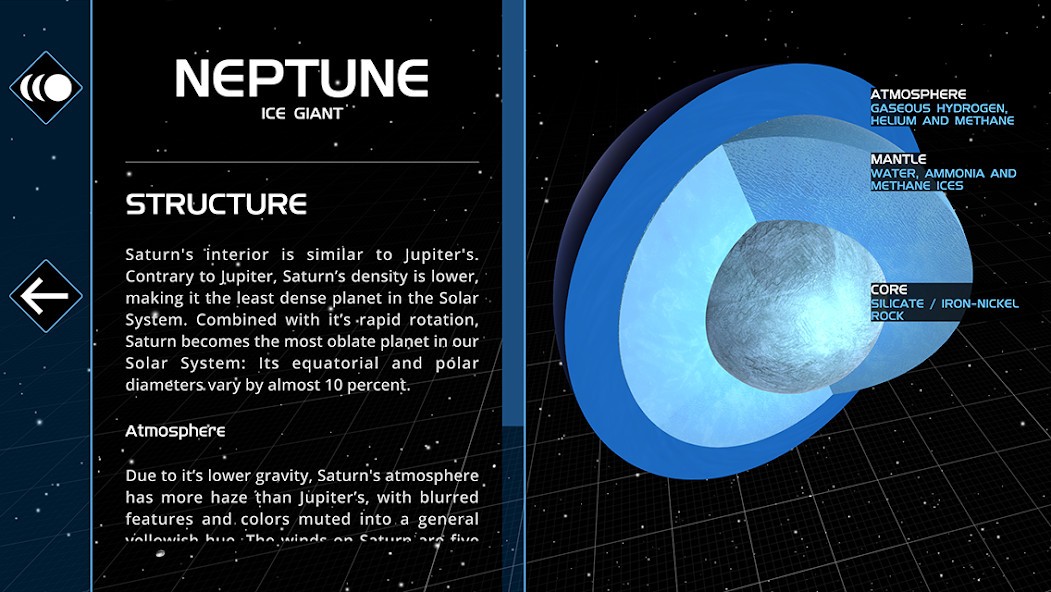
The software provides perspectives on the solar system, the sky at night, and deep space. Users can browse planets, constellations, galaxies, and popular objects such as those of the Messier catalog. Most things have brief facts about them, regarding what they are and why they are important.
The desktop version has better graphics and can work when offline, and this is handy in case one wants to explore continuously. It also plays in the fullscreen mode, which makes the experience more fluid and real. The software is designed in such a way that it does not bounce off between lets but flows around the space.
Solar System Scope is an application on mobile devices that allows users to point their phone to the sky to find out the constellations. This makes the app a learning guide to real-world sky observation. The interface is kept to a minimum to help people to explore and not spend time on settings with complicated features.
Its developers are more in bettering the space model instead of creating irrelevant features. Modifications have ensued over time, which have included the addition of more objects, more views on the night sky, and smoother navigation.
Is Solar System Scope Free to Use?
Solar System Scope possesses a free version that a user can browse through. The free version has been implemented since the early period of the project, and the developers are planning to maintain it as such.
It also has paid-up options, including the desktop version and optional in-store purchases on the mobile. These are auxiliary in building development without entirely displacing the free version.
Which Platforms Support Solar System Scope?
Solar System Scope supports many platforms, and the modes of exploration of space differ depending on the user's needs. It has an online version that executes it through an internet web browser. It is compatible with desktop computers and needs to have WebGL enabled, and cannot execute on mobile browsers. There is also a PC and Mac version. It is more graphic and offline after it is downloaded. It is a version that is user-friendly and has a more complete experience.
Android and iOS versions are available in mobile versions. They are open-source, and they have optional in-app purchases. Mobile support allows the user to navigate the space anywhere and even detect the constellations by pointing their device at the sky. Solar System Scope is not an online or cloud-based tool. All versions can be run on the device locally, aiding performance and offline access based on the platform.
What Are the Best Alternatives to Solar System Scope?
Stellarium is commonly used when the user desires to have a realistic picture of the night sky. It pays attention to stars, constellations, and the appearance of the sky at certain points on Earth. The feeling is more like when using a digital telescope than when one is a general space explorer. It is quite handy in sky watching and getting familiar with constellations, though it can sound somewhat technical in case someone is simply interested in having a peaceful adventure. The interface displays much information at the same time, and it might be overwhelming at first for beginners. Many users choose to download Stellarium when they want a detailed and realistic night sky experience.
Winstars is more presentation-oriented and visual in astronomy. It displays planets, stars, and space objects in the form of clear images and appealing animation. People who value space as a visual phenomenon and not learning the precise locations tend to use the software. As much as it makes it deep, it may be at times more of a space viewer rather than an interactive learning tool. It might be enjoyable to users who like sightseeing planets and galaxies, but simpler users might like something simpler. Some users download Winstars mainly for its smooth visuals and visually pleasing space views.
The WorldWide Telescope is developed based on directed exploration and education. It does not just free-roam the space everywhere, but tends to offer programmed tours and edited vistas. This renders it applicable in classrooms or in the case of users who would wish to have tutorials on space. But it might be too rigid for the person who desires to be free and improvise according to their approach without the set route. Users often download WorldWide Telescope when they prefer guided tours and structured learning.