The re-release of the three original Resident Evil games on Steam should be something to celebrate, but for reasons beyond anyone’s grasp, Capcom has chosen to add the ruinous Enigma DRM to all three titles despite having only just pulled the same game-breaking tech from Resident Evil 4 last month. And people are not happy.
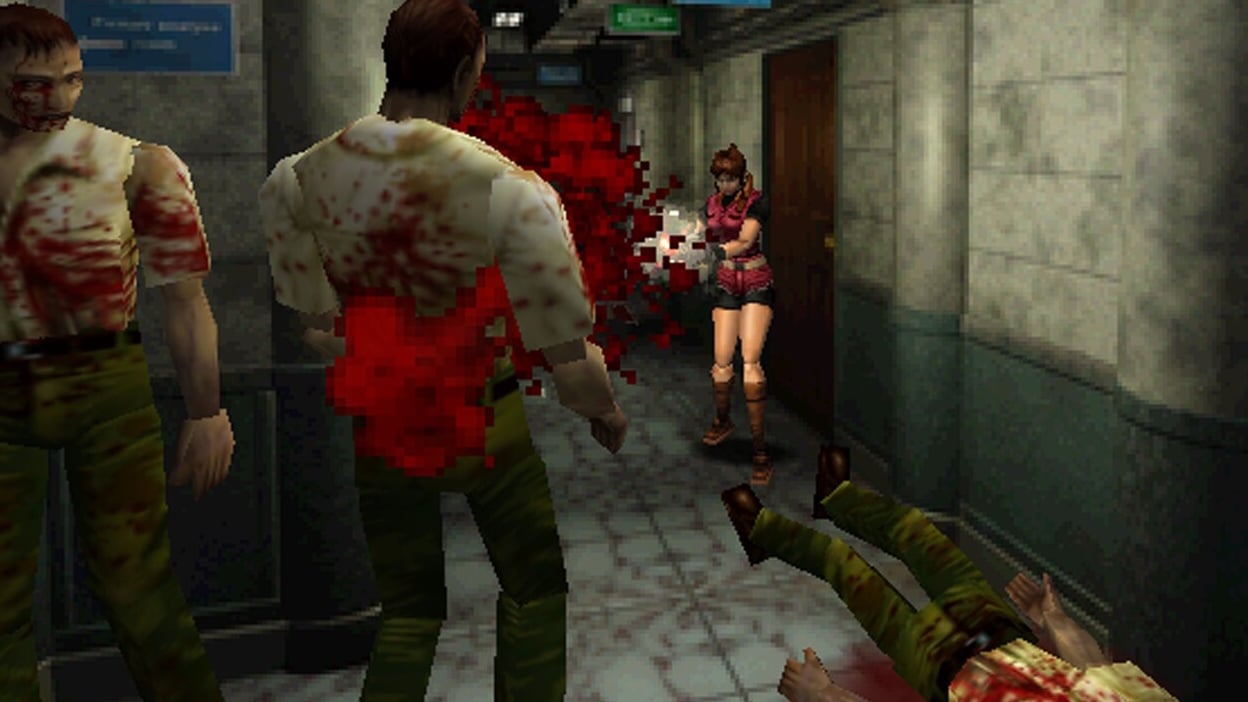
Today, April 2, Capcom re-added the first three Resident Evil games to Steam, the same tidied-up versions that run on modern machines that have been available on GOG DRM-free for ages. And that should be a good thing, a way for people to add the beloved horror games to their collections. Except, nope, because all three games have been infected with Enigma DRM, a piece of anti-piracy tech that causes performance to flail, and according to Steam users (thanks IGN), stops them from running on Steam Deck at all.
It’s hard to comprehend exactly what Capcom’s plan is with its current spate of classic game additions to Steam, because no matter how loudly people complain that this idiotic Enigma DRM ruins game performance, breaks the games on Steam Deck, and makes for an all-around far inferior version, the publisher just keeps slapping it on everything. Dino Crisis 1 and 2 were similarly spoiled in February, as was the already-released Resident Evil 4. In fact, so calamitous was the RE4 situation that Capcom was forced to reverse the decision less than a month later. That situation was more pronounced because the game had already been on sale with the slightly less crappy Denuvo DRM wormed inside it, and after the change people who already owned and were playing the game suddenly discovered they no longer could. And for everyone else, the game began suffering FPS drops, according to Digital Foundry running 20 percent worse than it had before.
A puzzling situation
So for Capcom to insist on continuing to use Enigma at this point is utterly bizarre. The company knows it makes games run worse, it knows it causes Steam Deck issues and breaks the games on Linux, and it’s only just dealt with a large backlash resulting from the exact same situation. So who, after the publisher so embarrassingly had to disinfect Resident 4 of the DRM, thought, “What we need to do is add this to Resident Evil 1, 2 and 3!”? It’s inexplicable, and we’ve reached out to Capcom to ask what its rationale was here.
DRM is a folly at the best of times, inconveniencing those who buy a game legitimately while being patched out for anyone pirating the software. But in this instance it’s especially ridiculous, and not least because these are 30-year-old games! I think perhaps the window has closed on a need to build barbed-wire fences around a game once it hits its third decade of sale. But even if you strongly disagreed, it’s unequivocally farcical in this instance given Capcom has been happily selling the exact same versions of these games without any DRM for years on GOG! That is to say you can buy the games as an .exe you could upload or email to your friends infinite times right now, with no restrictions. So what is the purpose of the Steam version’s rights management in the first place?!
In fact, GOG has already committed to maintain the games in a DRM-free form for all forthcoming PC technology for the rest of time, as part of its Preservation Program. The only advantage to the Steam versions right now is that Capcom is having a Spring Sale and all three of the Resi Evils are half price at $5 each. It’s $25 for all three on GOG. But at least they work properly!
There’s nothing more c-suite-brained than DRM, this willingness to sell a worse version of a game to paying customers if it means they can pretend it’s stopping baddies from getting it for free. Making a free version better than a paid version is, you might think, not a brilliant marketing strategy. But to continue doing so a month after it just blew up in your face: that’s spectacularly idiotic.