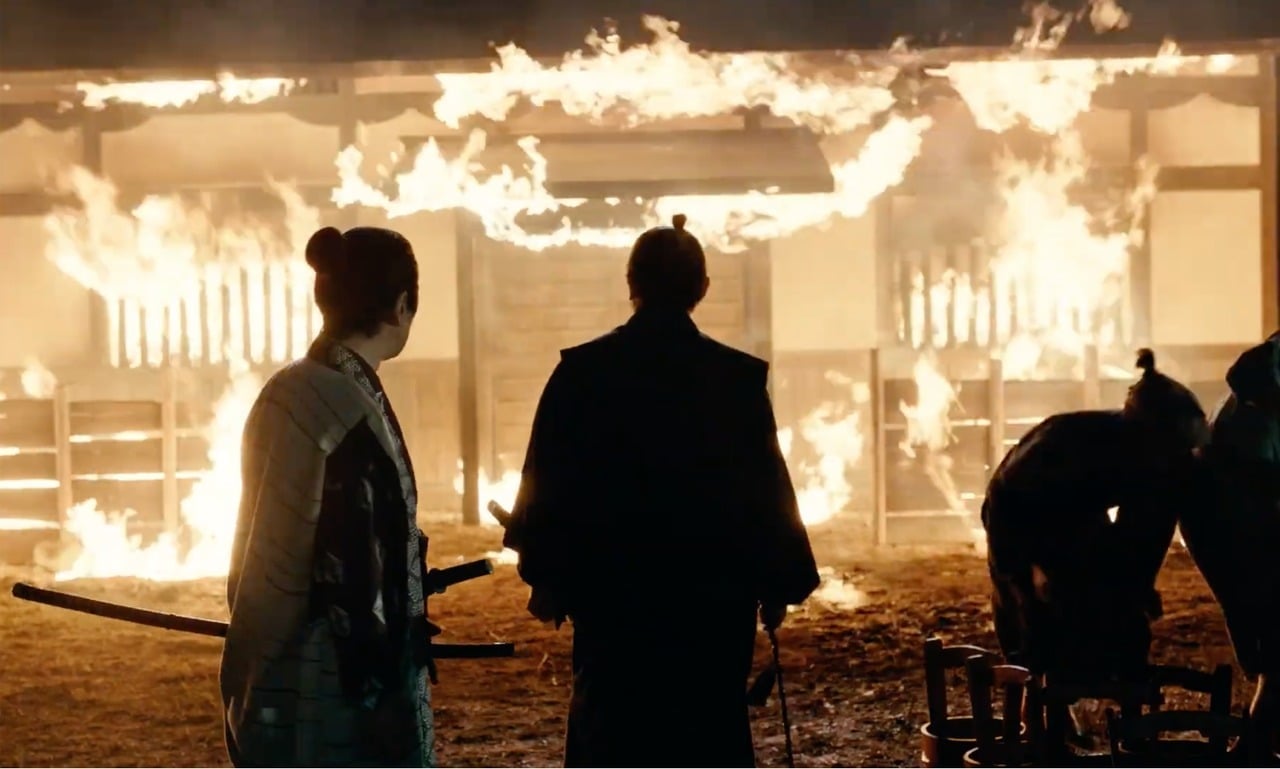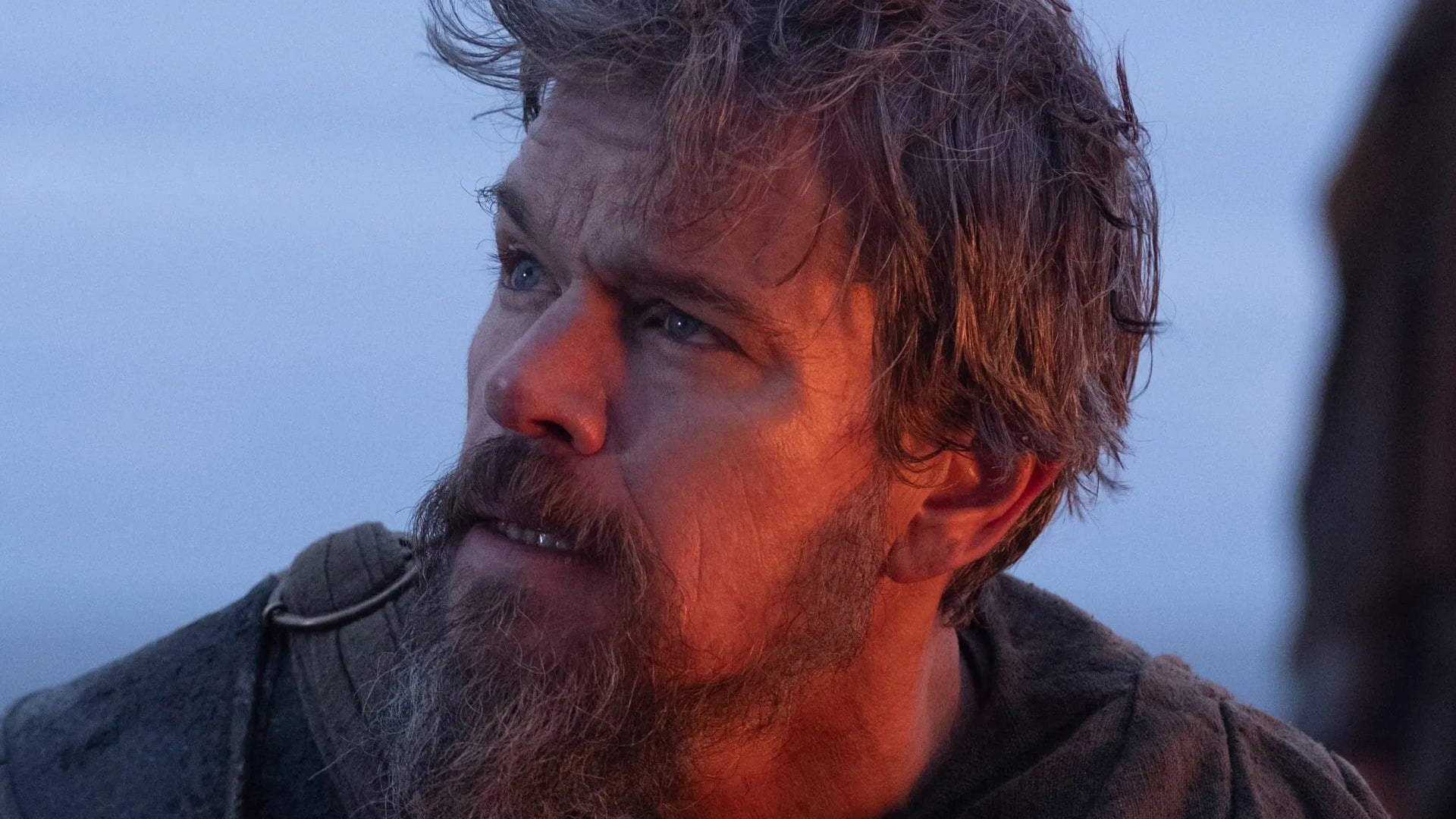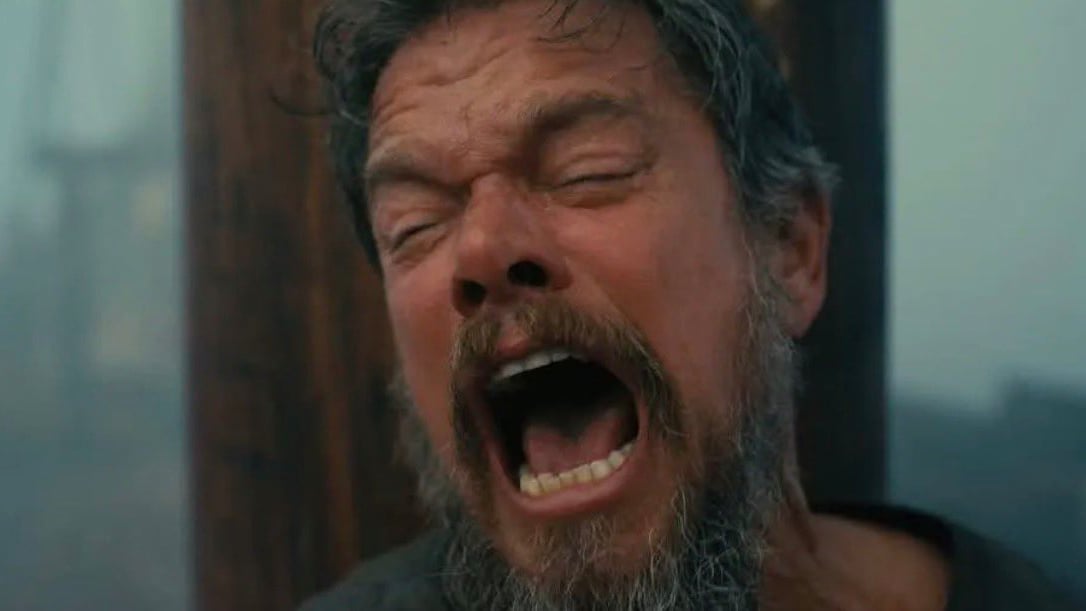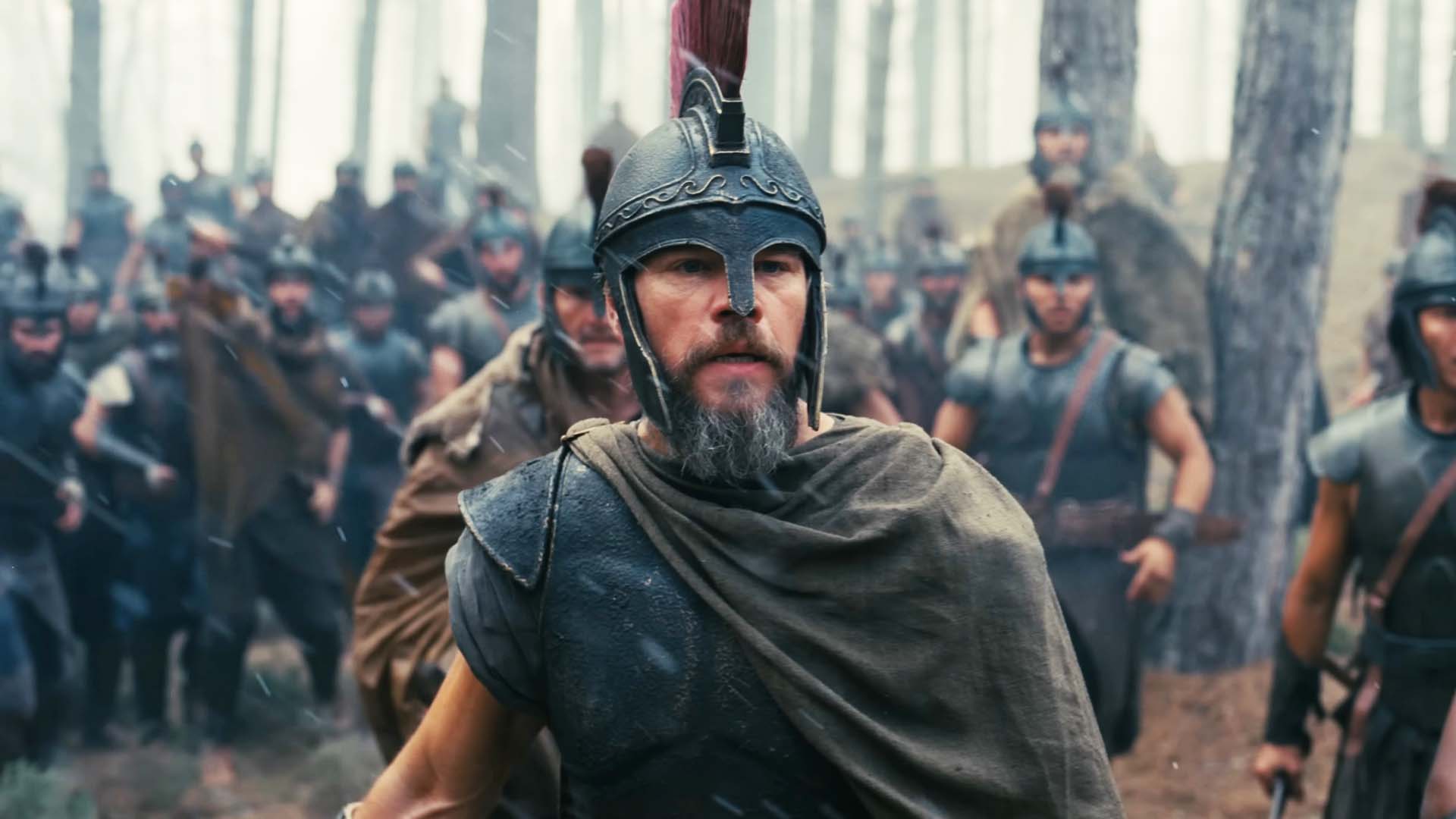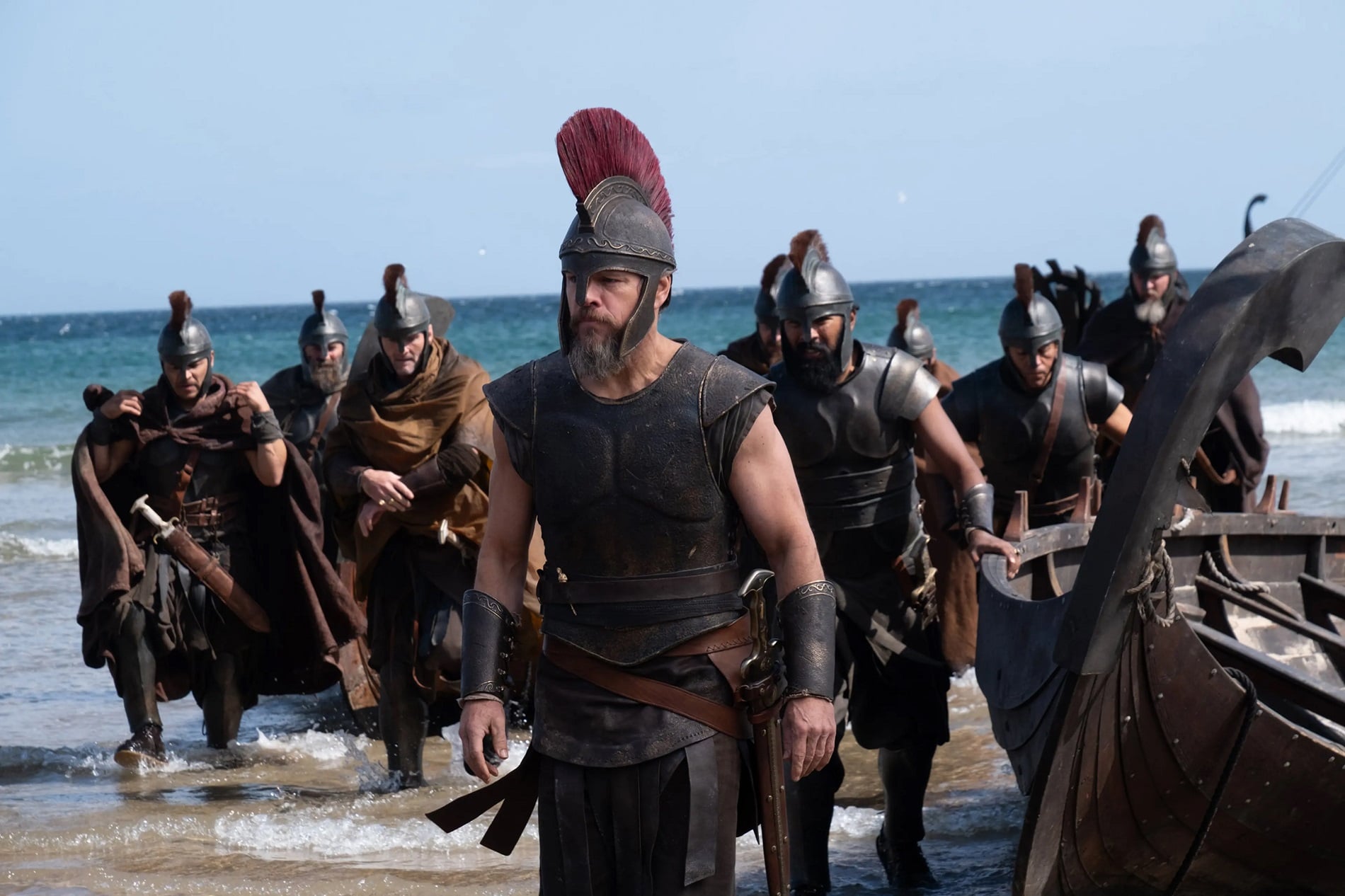
Classicist Emily Wilson made waves with her 2017 translation of The Odyssey, which subject matter experts praised for its accuracy and others applauded for its “radical plainspokenness.” With The Odyssey continuing to dominate the box office, many have understandably wondered what Wilson thinks of the director’s interpretation. She’s now posted her own review of the movie and, well, it’s brutal.
It was published in the London Review of Books, is over 4,000 words long, and is titled “An Uncomplicated Man.” It’s a play on the introduction of Homer’s poem, which in some translations describes Odysseus as an “ingenious hero,” and in others as a man of “twists and turns.” For her own translation, Wilson went with “complicated.” Among her critiques of Nolan’s movie is that he did not bestow the character with the same level of depth.
“My eyes stayed dry, even for Argos the dog – whose adorableness as a puppy is predictably amped up to suit our animal-loving times,” she writes. “If only the human characters had been treated with such serious attention.” It only gets meaner from there.
I saw The Odyssey over the weekend in digital IMAX (the film projector for our showing broke), and while it ended up being one of my least favorite Nolan movies, I don’t agree with all of Wilson’s criticisms. The mood during certain sequences is beautiful, and some of the scenes shot on location with practical effects are astonishing, especially compared to the post-production slop we are now often fed. But when it comes to the overarching themes and character motivations driving the plot, I have to agree with Wilson’s takedown.
Nolan’s version of The Odyssey is as sad-dad as it gets, often leading to confused contradictions and unconvincing double-standards. Wilson’s review makes that point at length. Here’s one example:
In Nolan’s Odyssey, slaughtering people with the help of trickery, technology and weapons is presented as bad when the Greeks are killing the Trojans, who have violated xenia, but good when Odysseus is killing the suitors, who have violated xenia. Taking something ostensibly abandoned by Odysseus and his comrades is natural and forgivable when the Trojans lay claim to the horse, but unnatural and unforgivable when the suitors lay claim to Odysseus’ palace, food, wine and wife. Strangers in Ithaca are to be treated with gracious kindness, as possible gods in disguise; but strangers in foreign lands are usually monstrous, to be blinded, robbed and slaughtered. Defying the gods is noble and brave when Odysseus blinds Polyphemus, son of Poseidon; it’s stupid and greedy when Eurylochus eats the Cattle of the Sun.
Deception is bad when Odysseus tricks Sinon or the suitors trick Telemachus, but good when Telemachus and Odysseus trick the suitors. Sharing is good, and Odysseus is seen taking his place at an oar alongside his men; but one-man rule is also unambiguously good, and those who challenge monarchy or autocracy, or try to eat more than their allotted portion, are either evil (the suitors) or foolish (Eurylochus). Either way, they have to die. It is bad to fight and kill to accumulate wealth, as Agamemnon does; it is good to fight and kill to preserve the wealth that you have already acquired (even if by war). Any one of these moral contradictions could make for an interesting and generative theme in a movie, but Nolan lets the fragments of an incomplete set of big ideas spin around in the epic whirlpool, with no plank of solid, specific human experience to which we might cling.
It would be easy to ignore the places where Nolan undercuts his own argument if he weren’t constantly making it so loudly throughout much of the movie, and if Matt Damon were a sturdier vessel for containing all of that mess. The Odyssey‘s moral panic about the fall of civilization would be easier to ignore if the lynchpin of the entire thing wasn’t one man’s extended, self-inflicted guilt trip. Wilson concludes:
Nolan’s Odyssey lacks many of the elements that make the poem great. It has nothing convincing to say about time, memory, history, war, or about the relationship between one warrior’s glorious return and the lives of his family, adversaries, comrades, friends and neighbours. It lacks psychological, emotional, political and ethical depth. Its narrative structure is gimmicky. The writing is abysmal. None of the characters has convincing motivation for their actions or words. There are no sex scenes, and all the food looks horrible.
I think even people who loved it will be forced to agree with that last line.