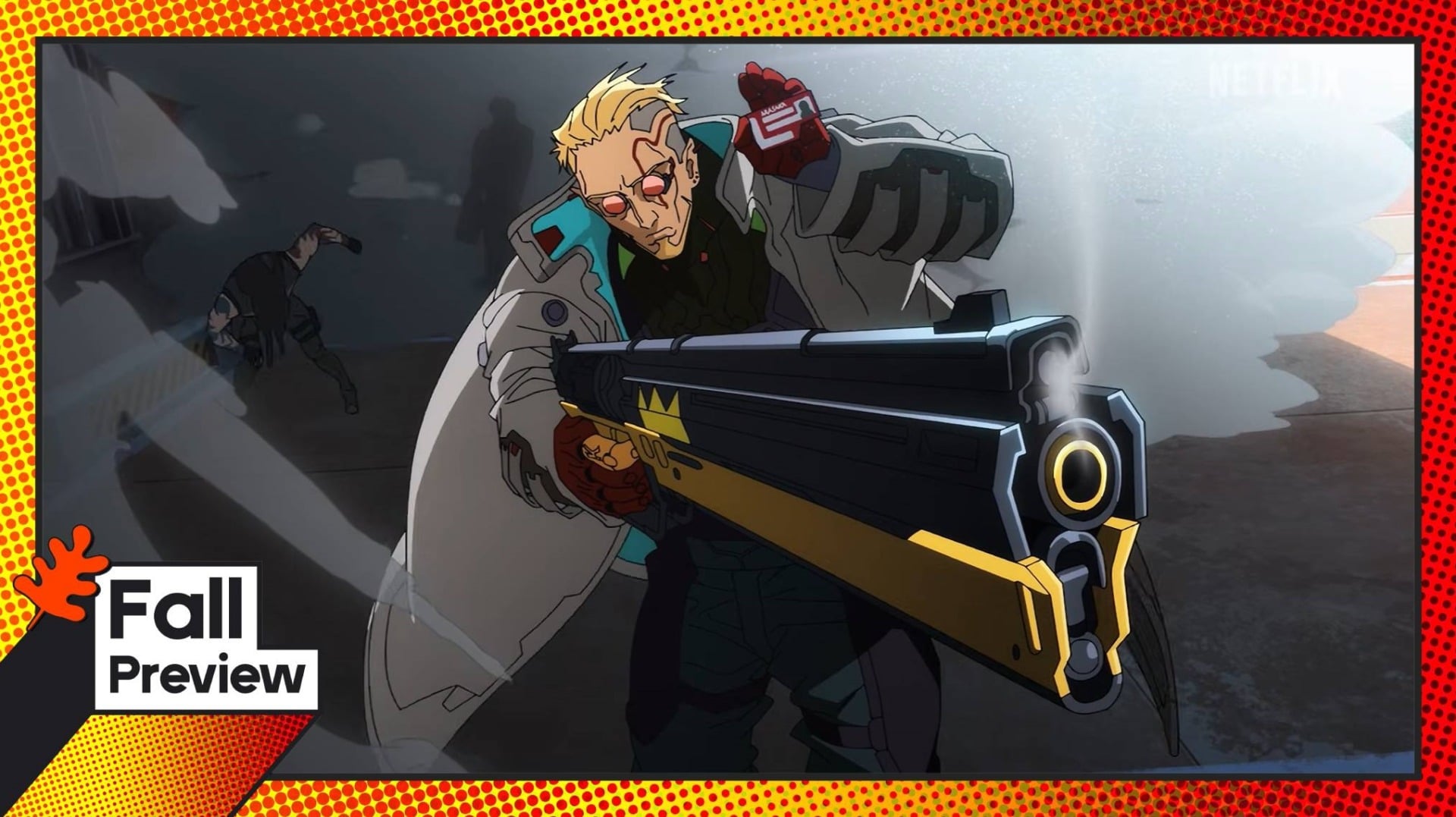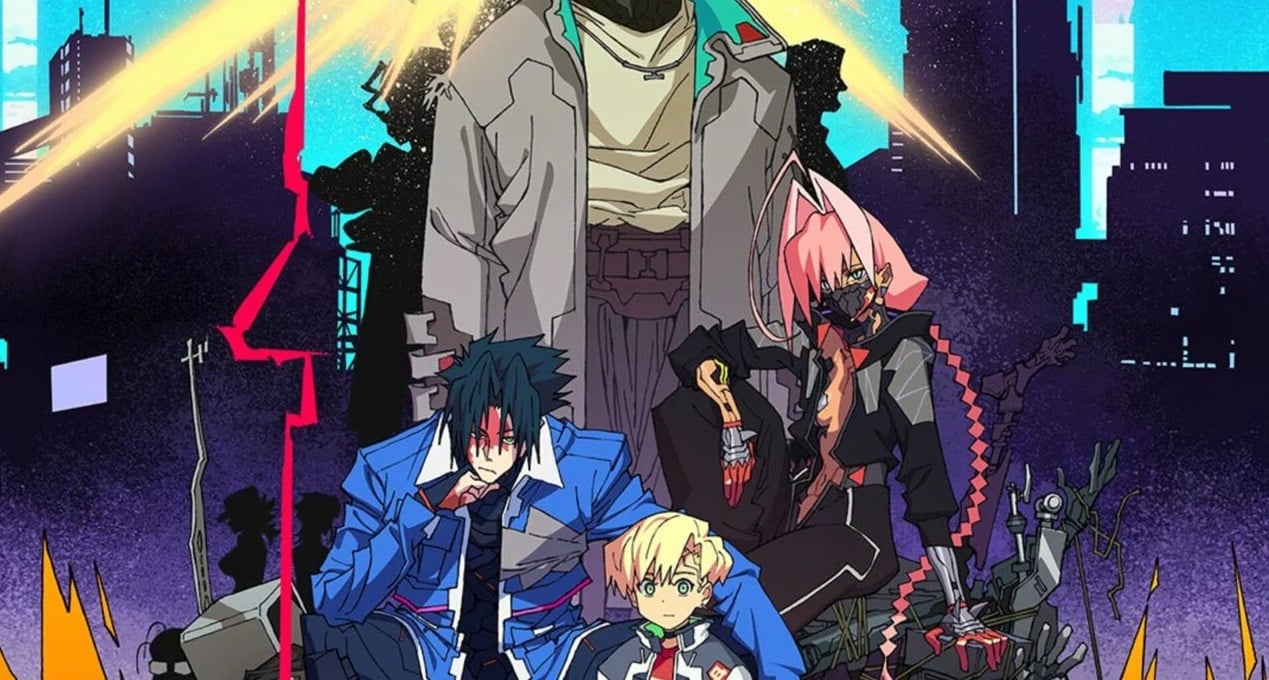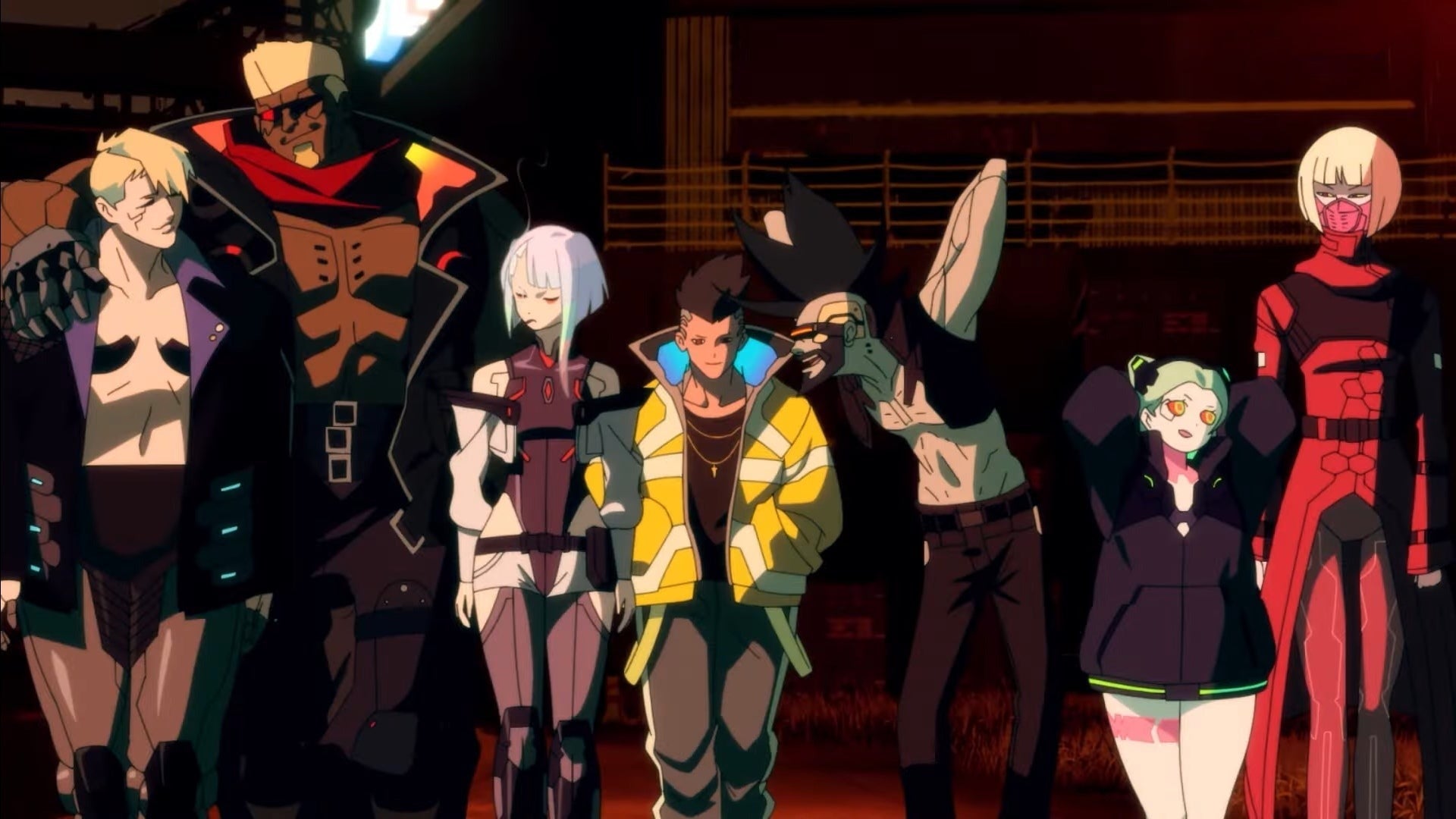
The first season of Cyberpunk: Edgerunners is filled with memorable moments that serve as the foundation to its story, moments that make the whole season feel like a kind of brutal, heartbreaking symphony in which every thread and refrain serves a purpose, all coming together in ways that make each element resonate with more power than it ever could on its own., It’s almost as ifStudio Trigger and CD Projekt Red knew they had to hit these incredible narrative highs and worked backwards from them, ensuring that every minute detail of its 10-episode run cleanly paved the way to its most memorable setpieces.
I’m thinking of scenes like Edgerunners’ protagonist David Martinez watching his mentor Maine succumb to cyberpsychosis as Trigger depicts David’s immediate, gut-wrenching grief in the most visually disturbing way with a few seconds of detailed animation, as well as the final moments in which netrunner Lucy, having dreamt of going to the moon for her entire life, finally makes it because of her lover’s actions. These only hit because Edgerunners uses every frame of animation to earn them. I kept waiting for anything that came anywhere remotely close to those devastating highs when watching Cyberpunk Edgerunners’ new, (mostly) standalone second season, only for them to never arrive.
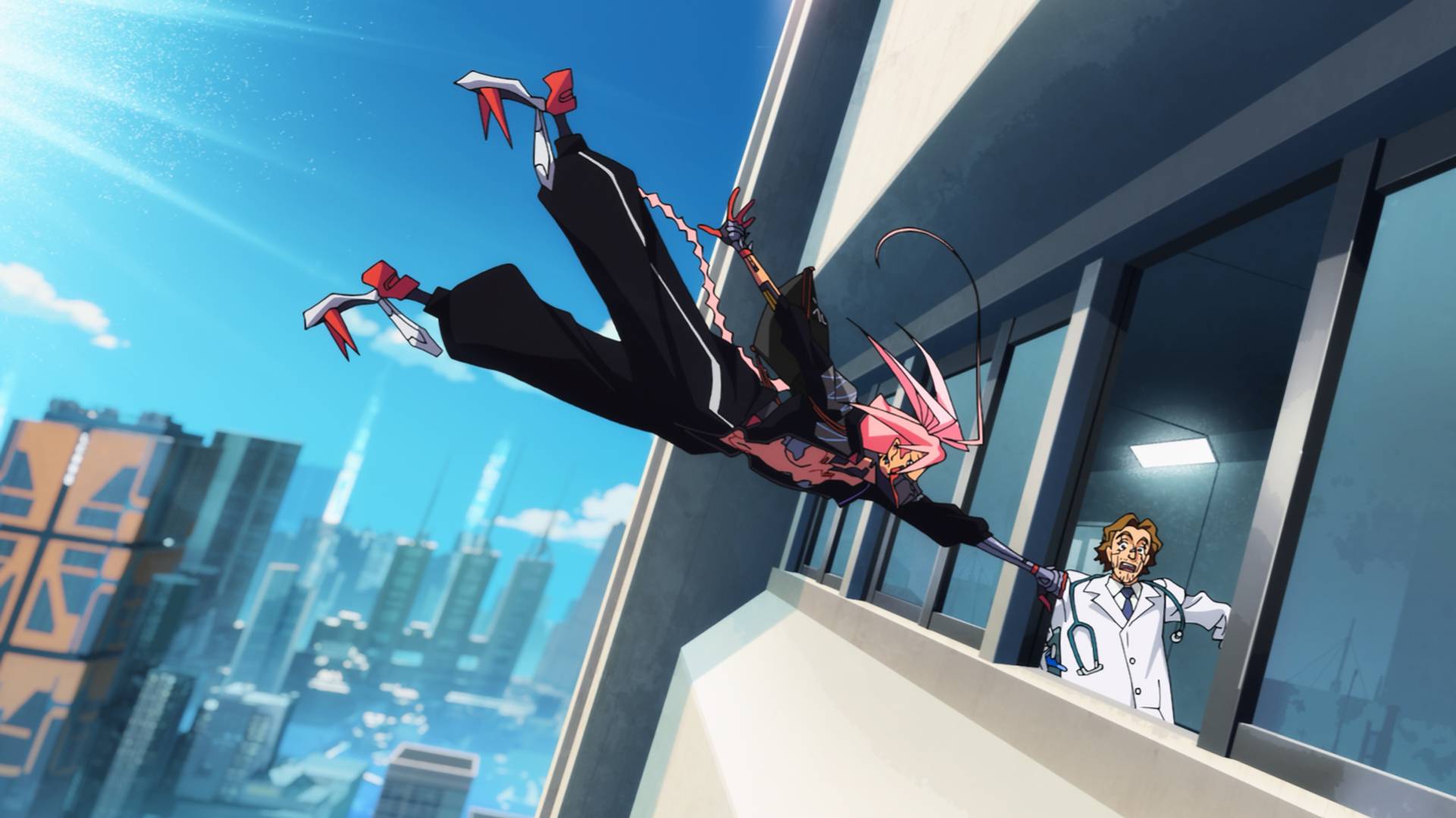
Edgerunners II is much more of an ensemble show throughout than its predecessor, as its many disparate threads take time to come into focus and tie together, and it’s hard to nail down if there’s really a protagonist this time around. There’s Roman, a young boy who would rather watch the horrors of Night City’s hyper-capitalist dystopia through an analog camcorder than live through simulations of it in a bootleg braindance; Talia, a teenage girl who’s rebelled against her parents and replaced nearly her entire body with cyberware, leaving her mother with no choice but to hire her ex-boyfriend edgerunner Weak to track her down and keep her safe from the local Maelstrom gang; and then there’s D, a Nomad seeking revenge for the death of his clan, though the culprit is unknown to him at the beginning of the season.
Night City is home to people of many different backgrounds, and in Cyberpunk 2077, your adventures find you rubbing elbows with the desperately poor and the obscenely rich, the powerful and the powerless, people who would never dream of interacting with one another despite being inextricably linked by both the city they call home and by their connections to you. 2077 makes them all feel like part of the same city and part of the same story because you’re there, traversing the streets between Judy’s apartment and Kerry’s mansion. Edgerunners II has a harder time getting away with it when all it has are storylines that seem completely removed from one another until the show starts repeatedly trying to half-heartedly bridge the gap between them. The result is that Edgerunners II ties its threads together so loosely that the show meanders for more than half its runtime, feeling more like multiple story ideas for separate anime than one cohesive season of television. Roman, Talia, and D are in the same solar system, but there’s no real gravitational pull between them. Not one that I feel, anyway.
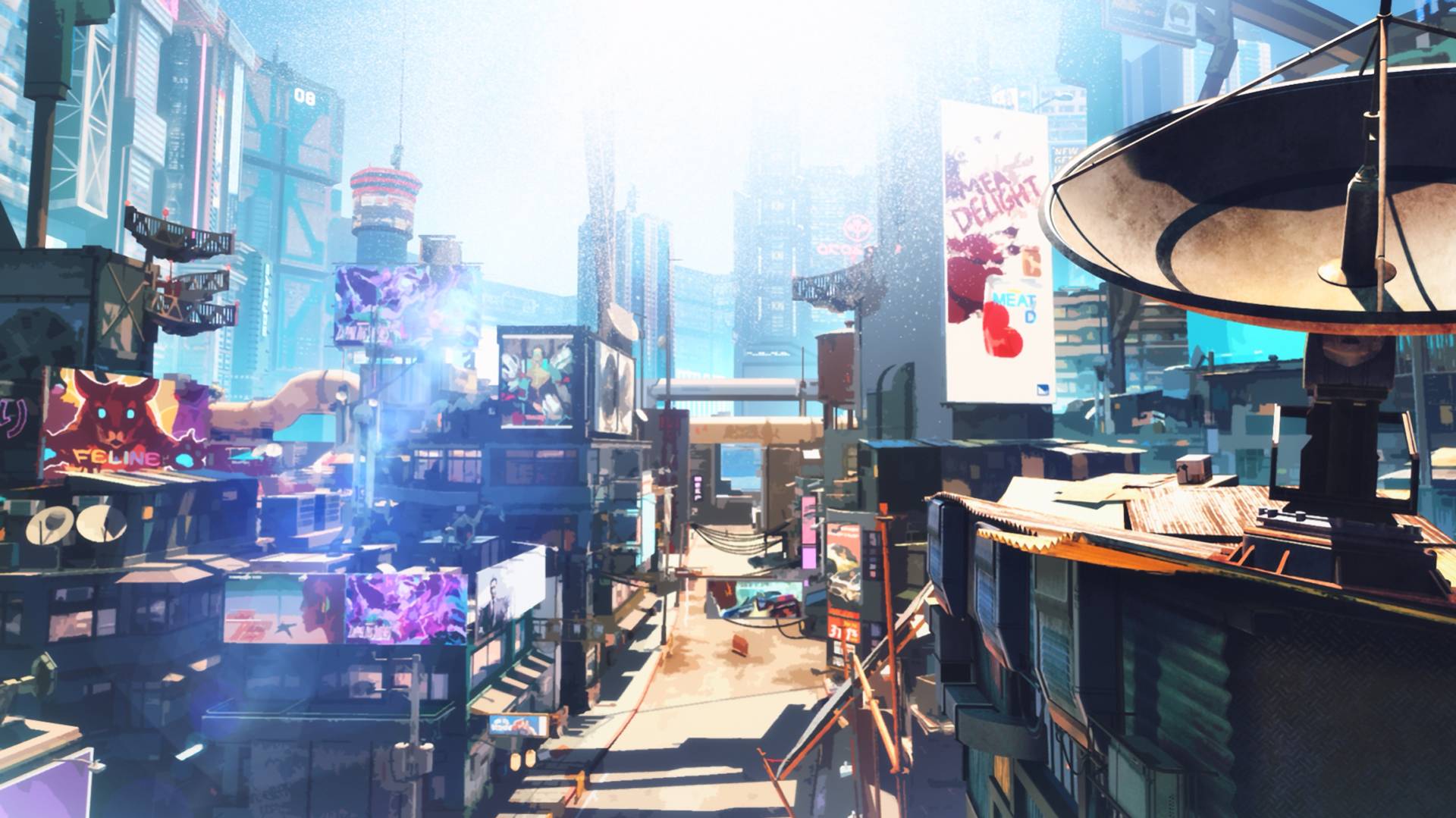
The big “reveals” that are meant to tie the whole thing together feel paper thin, and the show constantly feels like it’s moving the goalposts on its own stakes as Talia’s health deteriorates and its finger-wagging revenge plot grows more self-righteous than anyone in Night City has the moral standing to be. The show’s moments of ultraviolence are an entertaining, gruesome watch, but Edgerunners II only rarely escalates to the level of the first season’s most memorable setpieces, and ultimately, despite its violent, emotionally explosive moments, it rarely feels like it’s making a statement about what violence actually means in Night City. Somehow, the stage on which Edgerunners II is set plays less of a part in what’s happening than it ever has. The specificity of the metropolis is missing here as the show only rarely feels like it’s deliberately set in Night City. The “main character” of the franchise is more of a backdrop here than anything else. There are some notable lore revelations, but also a few that feel like they’re played up as important but don’t actually materially affect anything.
I’ve spent most of this post criticizing Edgerunners II, to the point where you might think I actively loathed the whole thing. In truth, I was mostly just underwhelmed. The show takes no real swings, it feels disjointed until it starts shoving square pegs into round holes, and it ends in a way that makes me feel like you could have trimmed some storylines out to come up with something more concise and still reach the same conclusion. Studio Trigger’s still got the juice when it comes to stunning, stylish animation, and the voice cast is pretty good. I just wish I felt anything close to the welling up in my throat I felt when David promised to take Lucy to the moon, or the full-body chills I got in the silence of David’s drive away from Maine’s exploded corpse. There are so many stories to be told in Night City. I guess, statistically, they can’t all be great.