
About Luto
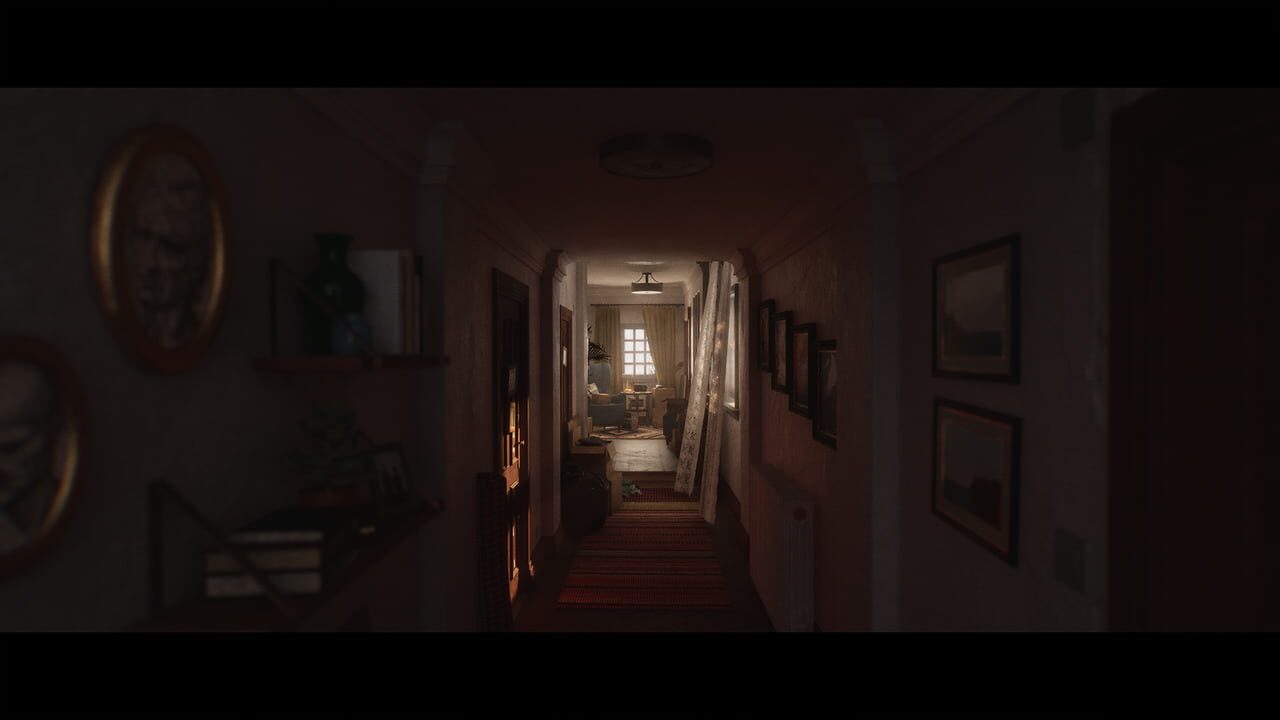
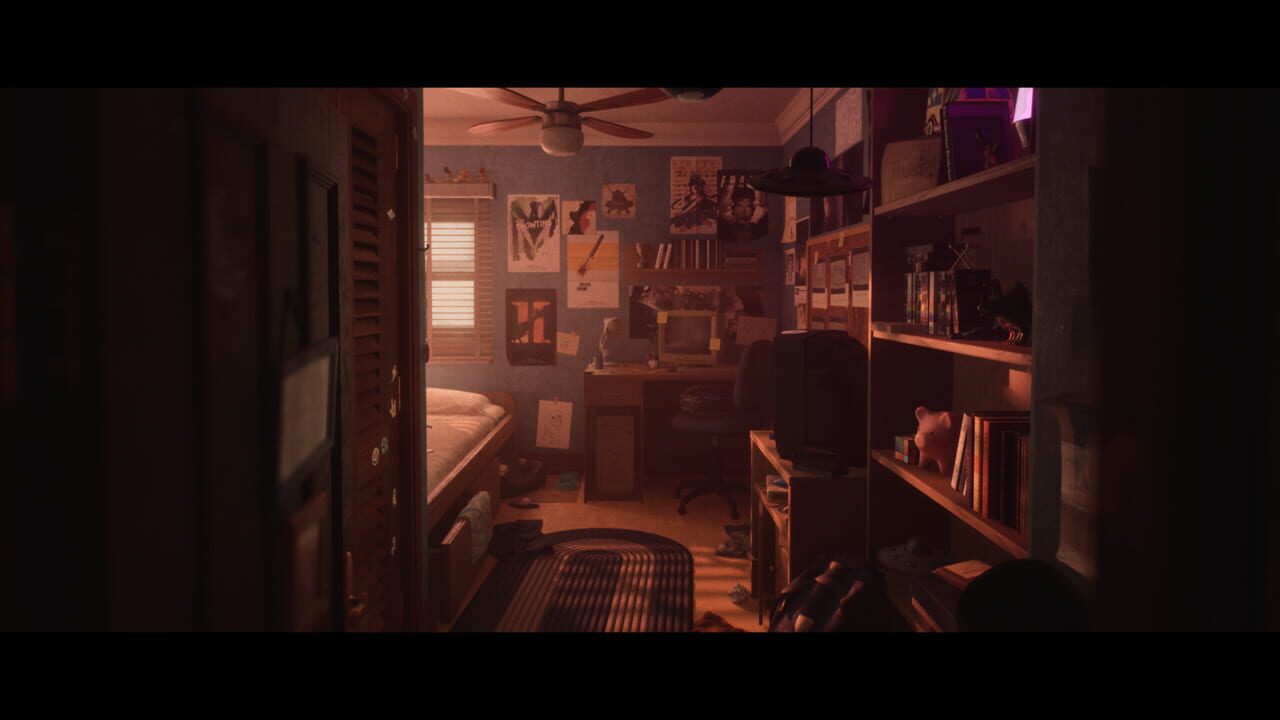
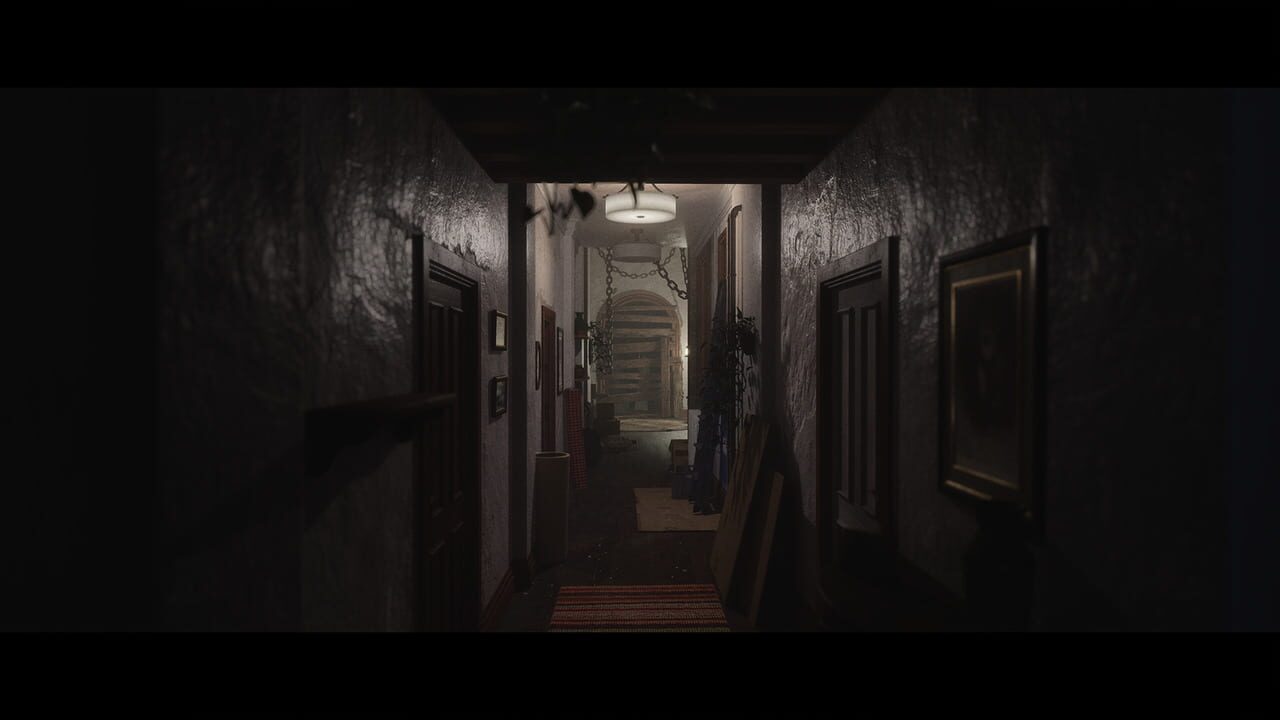
Luto is a psychological horror game that puts you in a house from which you don’t have an exit. The essence of the experience is that it makes one feel trapped not only physically, but also mentally. You do not go out to hunt monsters or use weapons, but rather you navigate uncomfortable settings that act as though they are undergoing changes and warping due to the emotions of the main character. There is repetition of rooms, lengthening of hallways and doors, which should lead anywhere known or new ones lead to the unknown.
The themes addressed in the game are heavy grief, depression, anxiety, loss, and inner struggle. By saying that you cannot leave it does not mean that you are against locked doors, but this is the psychological prison that a loss creates around a person. The further in you go, the more the setting becomes a reflection of your emotional experience. Things have changed; nothing is the same anymore. The darkness turns into something that catches you up and beats you back.
Survival pressure and resource management do not exist. The problem is more of an emotional type: leave your own mind, puzzles, and read between the lines. Luto is more of a story experience that employs horror to express pain and not fright.
You can download Luto for Windows, Xbox Series X|S, and PlayStation 5.
Why Should I Play Luto?
You are supposed to play Luto when you want horror that gets into your head rather than horrifying you. Luto does not develop tension rapidly, as many games do with the help of jump scares that are cheap and loud cues. You waste long periods of time in empty rooms, with strange tones, and somebody staring at you without providing any proof. It is that pressure that makes things uncomfortable. One can never be sure of what is behind the next door, and uncertainty is the weapon of the game.
The character of Luto is afraid because of his inner state and not an external danger. Reality and remembrance are always blurred in the game. One hallway will extend in an unanticipated direction, and a room could open up to unwanted items. It is as though one were to walk within the trauma of somebody instead of seeing it on the outside.
It is revealed in the story that grief, anxiety, and depression eat a human being up. These topics are not addressed in the game as a shock value. It discusses the fact that mental illness may distort perception. There are no weapons or conventional enemies present, just stratification of emotional heaviness in the form of the scenery.
In case you like horror that is more atmospheric and less action-packed, Luto will be a good fit. It puts more focus on interpretation rather than on victory. The game makes you observe, deliberate, and feel awkward while sitting in silence. Luto does not scream, but whispers, and it is even more frightening.
Is Luto Free-to-play?
Luto is not a free‑to‑play game to download. It is a paid title. No free version, trial, or demo is present at this moment. Since the game is presented as a full-fledged narrative, you have to purchase it in the store or platform where it is sold. Microtransactions and subscription access are not mentioned in the description.
Where Can I Download Luto?
You can download Luto on your PC through Steam, and developers have also released it on PlayStation 5 and Xbox Series X|S. The experience is what is core, and it is the same across platforms. To play on PC, you require relatively low-end hardware that can run the Unity/Unreal-style horror games, but you do not need high-end hardware, since it is not about graphics, but about the atmosphere.
Broken Bird Games is a small independent team based in Spain, behind Luto. Instead of grand surroundings or graphics excellence, they focus on immersion, sound design, and emotional richness. This means that under most systems, Luto will be able to operate without much strain.
In spite of the darkness in the game, the changing rooms, and the visual effects, the game does not depend much on the high-tech engines of light or complicated physics. It focuses on story pacing as opposed to spectacle. Luto should be comfortable for players having difficulties running heavy AAA titles.
What Games Should I Play If I Enjoy Luto?
Silent Hill f is a psychological horror, as well as the issue of trauma, memory, and emotional pain. Rather than jump scares, Silent Hill films adopt troubling symbolism, namely nondescript settings that reflect the psychological deterioration of the main character. It is slow and emotional, and the horror lies in helplessness, dread, and the response of the world to pain. As Luto experiences the sensation of being caught in grief, Silent Hill experiences the sensation of being engulfed by the same.
Little Nightmares III has in common the theme of vulnerability. You act as a little man in a world that is so big and dangerous. The environment and its disturbing occupants make the movie horrifying, not some profound underlying messages. The distortions of objects, furniture, and creatures are unusual to the perception. Although puzzles and sneaking are involved, the gist is that it feels small and naked. Little Nightmares III is based on visual storytelling, and it is up to the player to make sense of fear.
Resident Evil 7 is much stronger and action-oriented than Luto, yet it has similarities, as it is also trapped. You are not locked up emotionally, but physically in a house with aggressive and unpredictable foes. The horror amalgamates mental tension and physical threat. The atmosphere is claustrophobic and threat-infested, and the exploration has to be conducted under the watchful eyes all the time. The most important one is the tone: Resident Evil employs threat, blood, and unexpected events to frighten people, and Luto employs the absence of such elements, sorrow, and insanity.