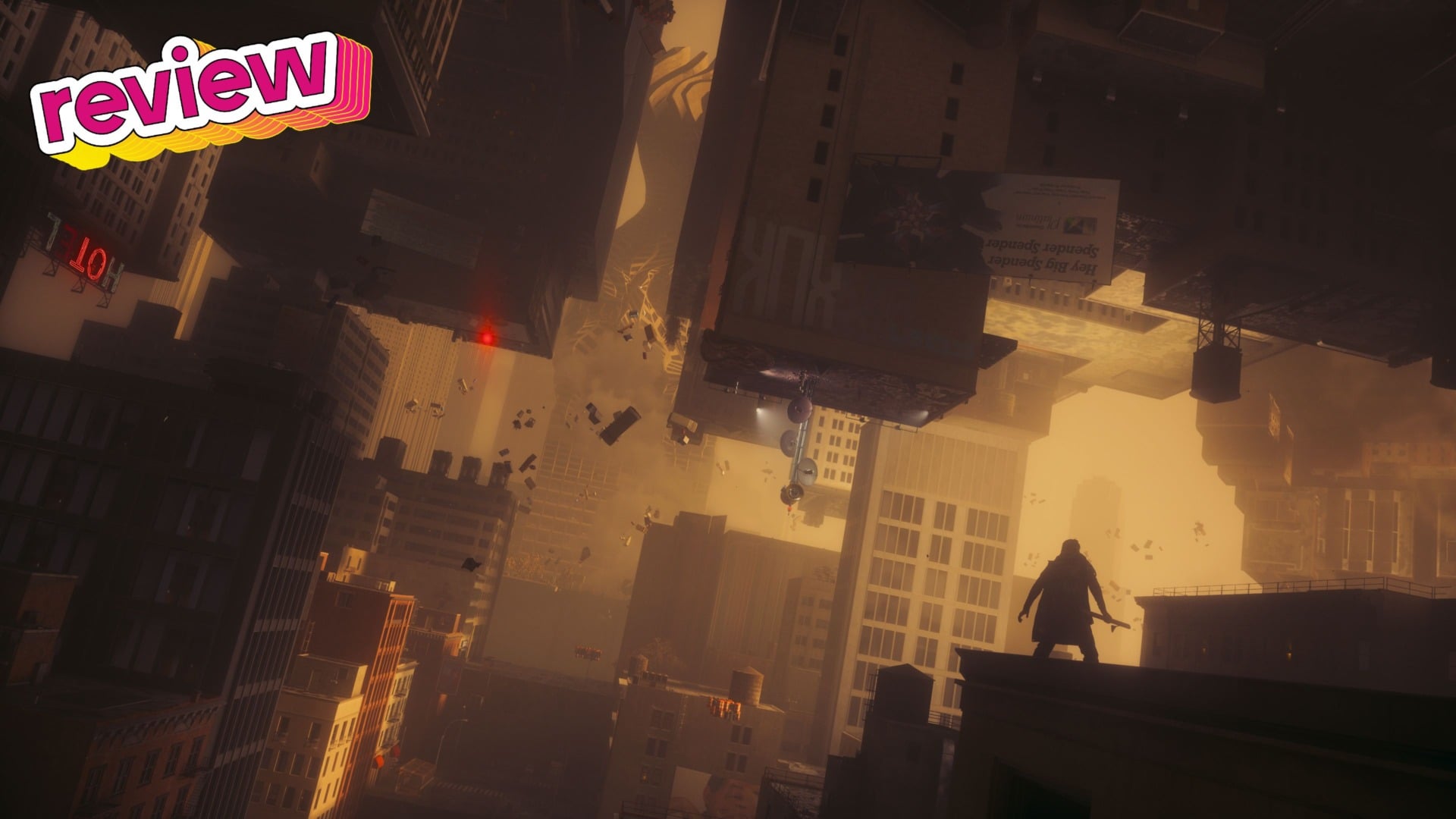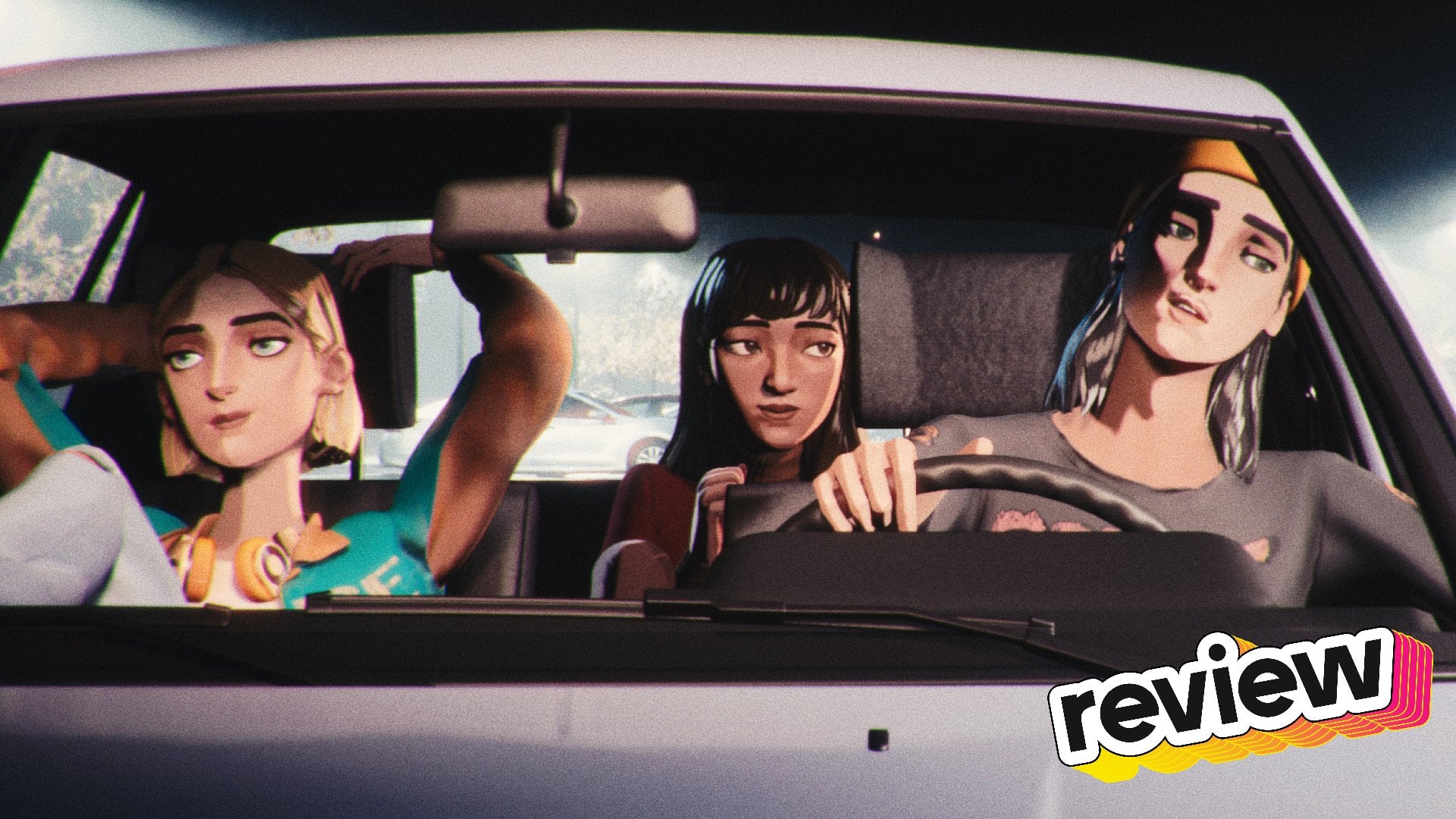
One thing I appreciate about a lot of coming-of-age stories is that they end up suggesting that navigating some degree of neurosis, as I’ve done since I was a teenager, is actually a pretty universal experience. The subgenre is by definition confessional, penned by adults looking back at the awkward, thorny, and impossibly large feelings of youth and the ways we cope with all that change. Mixtape, a game about a teenage girl who tries to link every memorable moment of her life to a fitting song, is coming-of-age comfort food for anyone who’s ever been fixated on music as not just an art form but a soundtrack to their life in particular. Though it opens with a veneer of ironic teenage detachment, as is genre custom, there’s plenty of sincerity underneath.
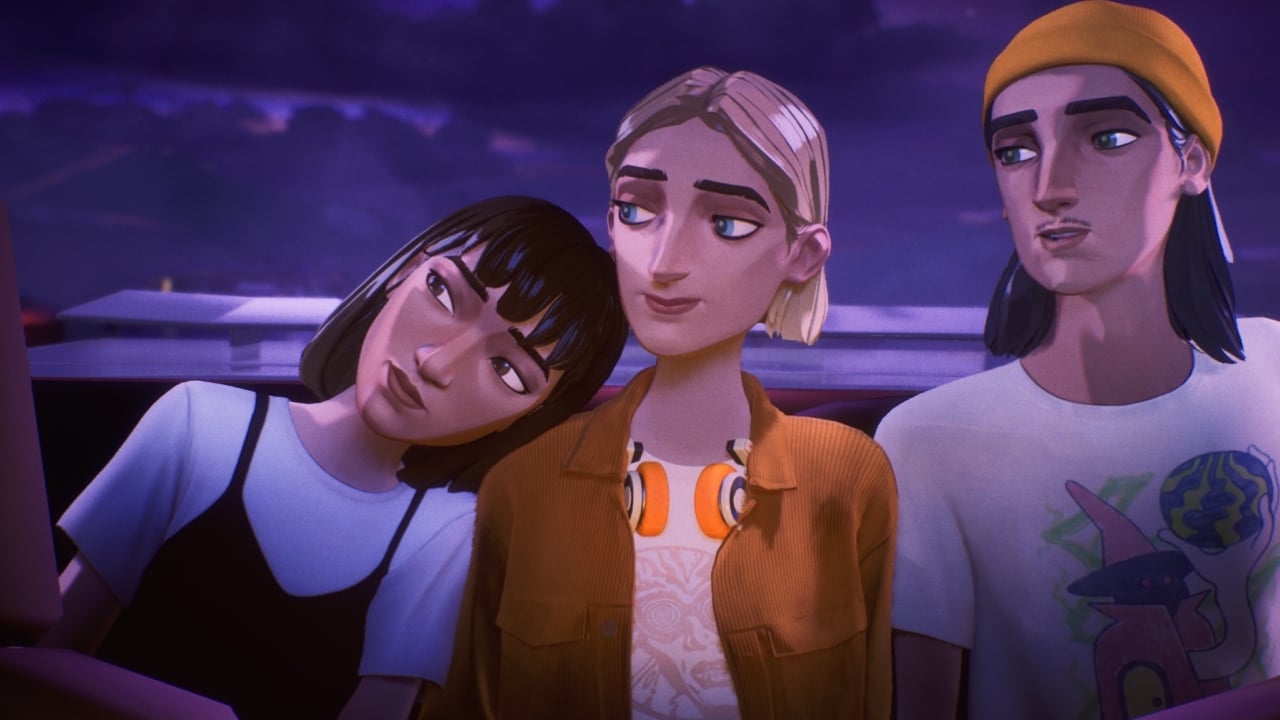
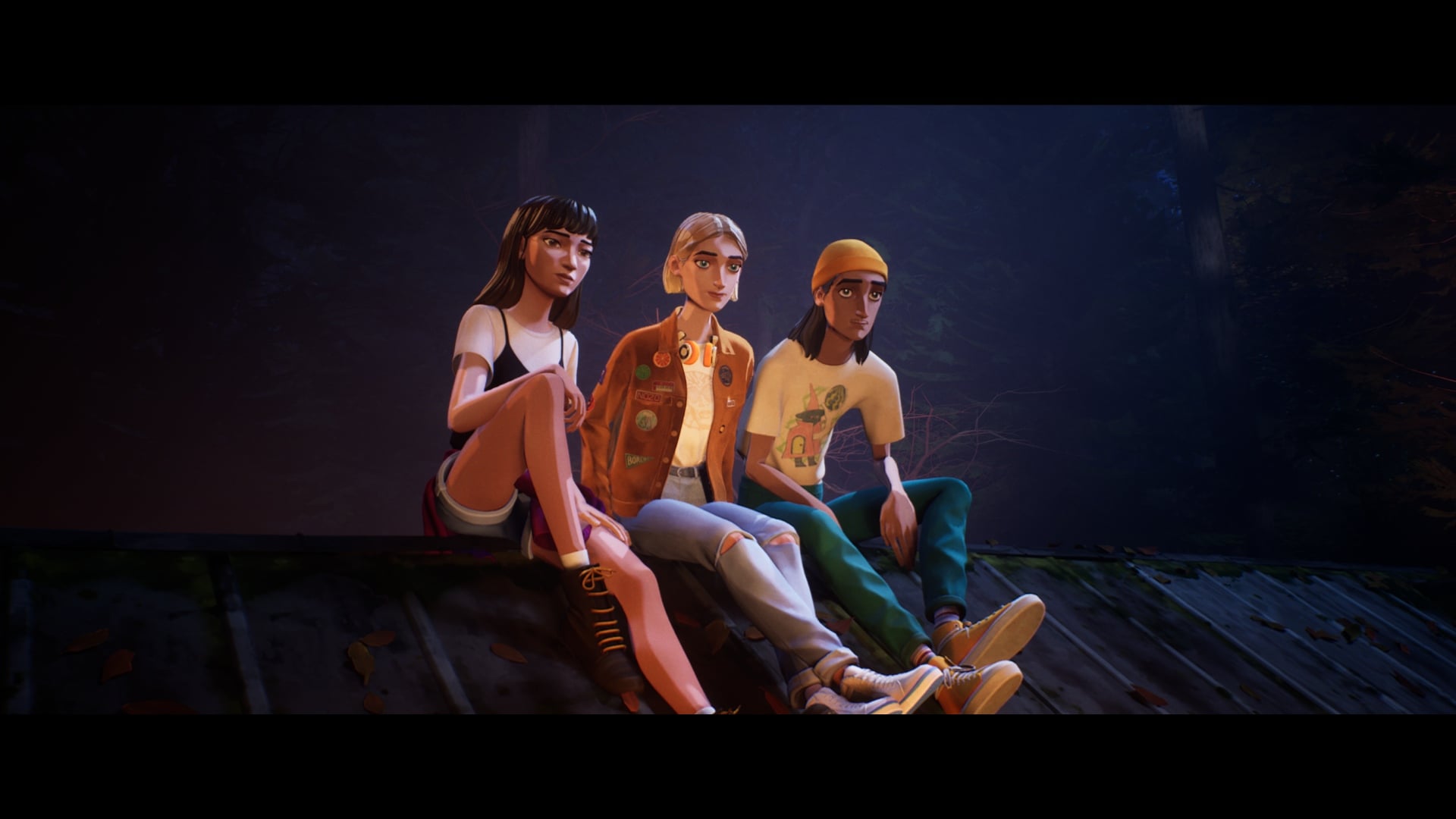
Mixtape follows three high school friends, Stacy, Slater, and Cassandra, as they spend one more night together before each of them heads off on their own post-high-school journeys. Each of them has big dreams, the kind you only have before the real world beats them out of you. Stacy, the wise-cracking, fourth-wall-breaking narrator of most of Mixtape, has bailed on the trio’s long-planned roadtrip to Cassandra’s college of choice, as she plans to fly up to New York City from her small hometown and pull off an elaborate plan to become a music supervisor, curating soundtracks for films. But this is her dream; of course the others will be understanding, right?
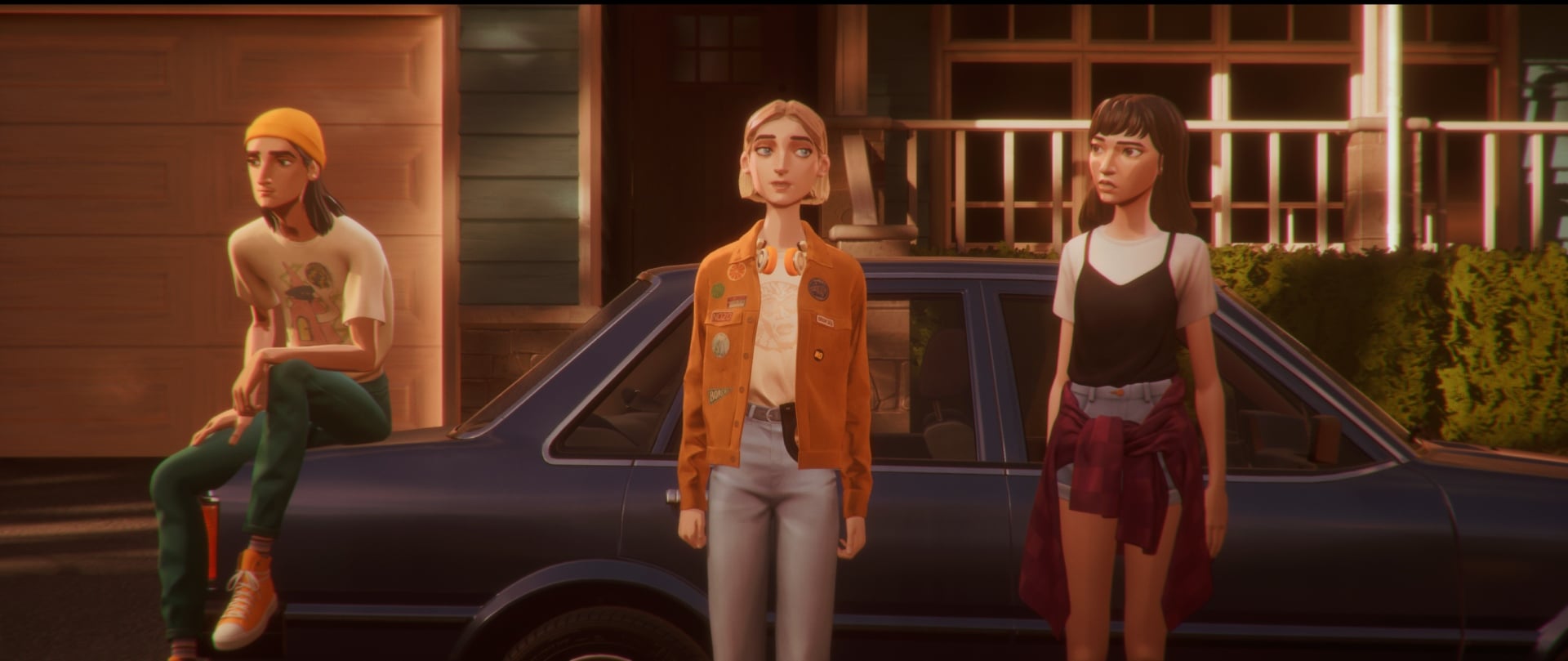
Stacy seizes this final opportunity to pen a soundtrack for moments shared with her friends, as she tries to pick a series of songs to match the gang’s plans on their final day together. As she plays each track for the group and, by extension, for the player, she goes into detail about how she decided that particular song fits the moment. Mixtape’s early stoner-movie-style delivery has her presenting each of these songs with a bit of exasperation. Stacy is both knowledgeably articulate, and also has that teenage air of explaining things as if she’s annoyed that you don’t already get her vision. But as someone who has music playing in his ears any time I’m conscious and not speaking to someone else, I get her.
Florence + The Machine is one of the longest-running constants of my musical life, and I recently went to see the alternative pop group on the Everybody Scream tour. Going to their show, where they played songs from across their nearly 20-year history, was basically like being dragged through different stages of my life in one night, from the tail end of my high school days spent listening to their debut album Lungs to the lows of my most toxic relationship in 2018 when High as Hope was my soundtrack. Whether consciously or not, songs become tied to memories, both good and bad, and Stacy has an obsessive need to mark every moment by linking it to a corresponding song. She carefully considers every moment and has to play the song she’s chosen through her everpresent headphones as she crafts a picture-perfect movie scene.
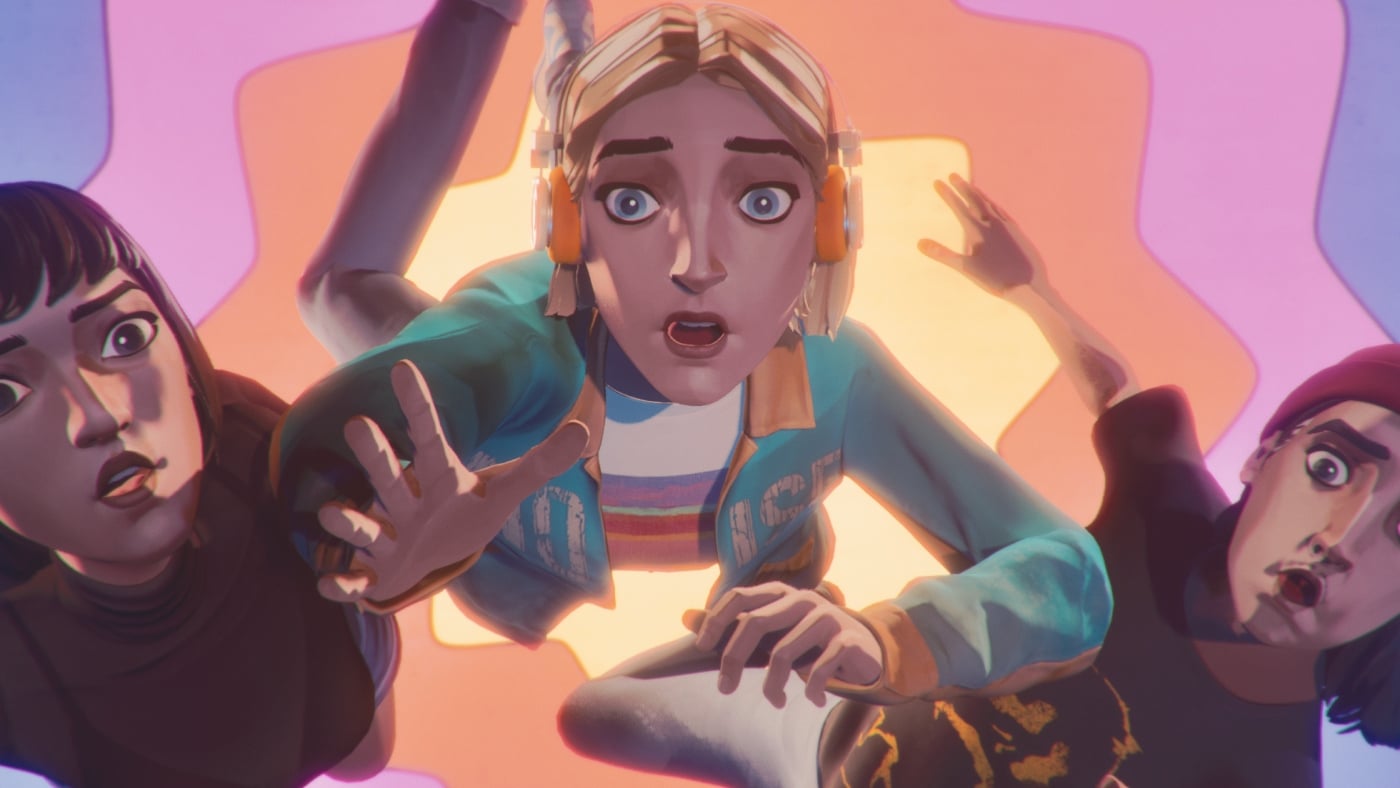
Mixtape’s various vignettes recounting the trio’s high-school lives with the songs Stacy has decided best suit every moment capture the kind of self-mythologizing that teenagers often adopt to cope with all the big feelings of growing up. Every struggle is life-changing, and every moment is so significant it must be directed like it’s part of a film. The most mundane activities, like making slushies at the local convenience store, feel just as big as barreling down the road in a shopping cart as you avoid the cops.
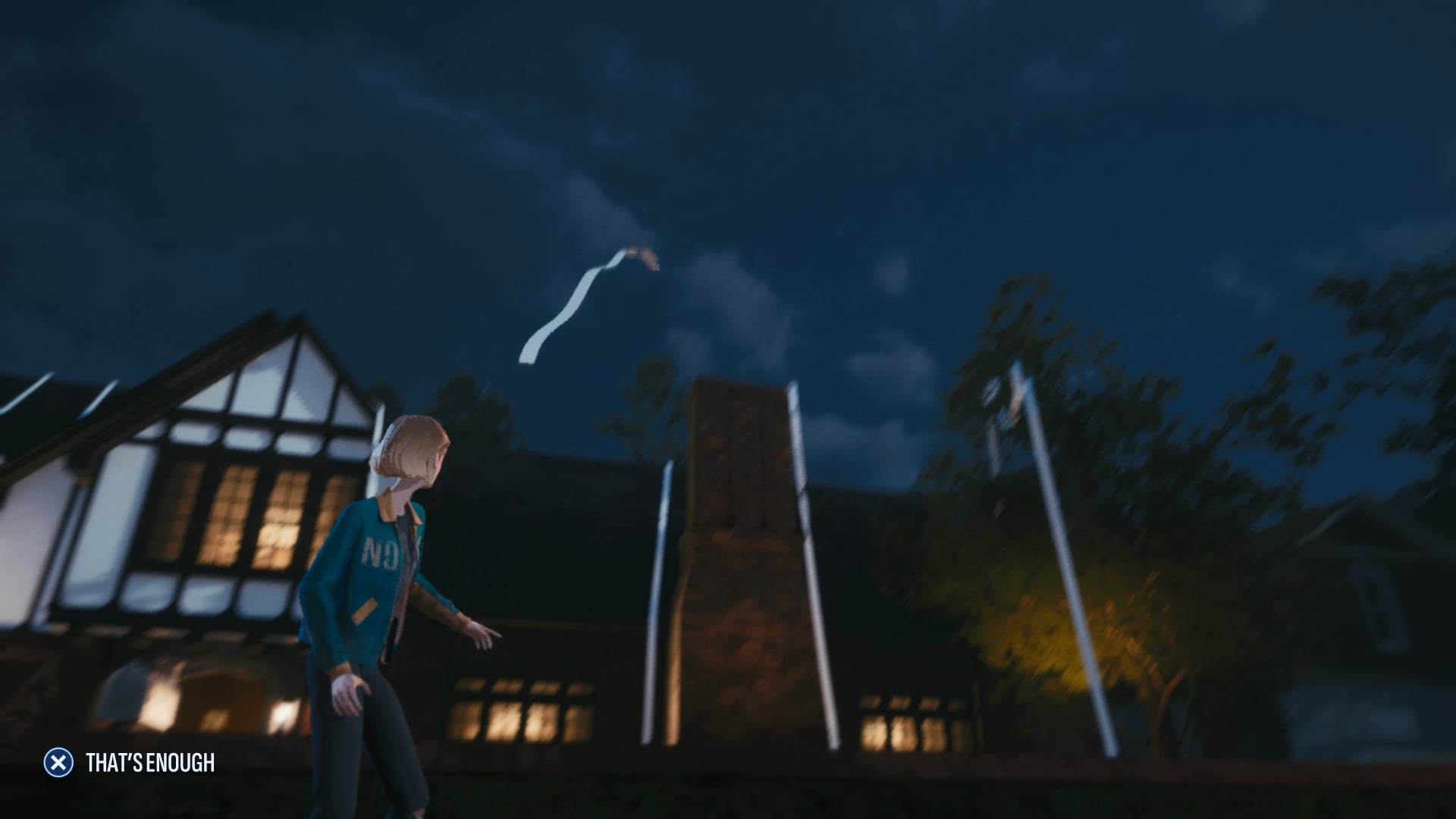
In some ways, the story Mixtape tells feels very small and confined compared to what still awaits these characters in their lives, but that’s kind of the point of a lot of coming-of-age stories. The game acknowledges as much when its trio says that everything feels huge when you’re young, and the theatrics of Stacy’s soundtrack and the exaggerated presentation of these moments perfectly captures how huge such moments feel when you’ve been stuck in one town with the same handful of people for 18 years. Mixtape also understands that, when music is one of the only things that reminds you the world is bigger than your small town, it can become intrinsically tied to every memory you have that feels even slightly important.
Mixtape
-
BACK-OF-THE-BOX-QUOTE:
"My mixtape brings all the boys to the yard."
-
DEVELOPER:
Beethoven & Dinosaur
-
TYPE OF GAME:
Narrative adventure coming-of-age story with musical backdrops and multigenre mini-games.
-
LIKED:
Quick witted, introspective story, with a love of music that shines through every creative choice
-
DISLIKED:
Not every minigame or setpiece is a home run, your mileage may vary on its stoner humor
-
PLATFORM:
PC, PS5 (played on), Xbox Series X/S
-
RELEASE DATE:
May 7, 2026
-
PLAYED:
~3 hours
Much like the music Stacy plays for the group, the actual playing of Mixtape is an eclectic amalgamation itself, not of musical styles but of mechanics. As the group migrates between each of their homes in search of booze for an upcoming party, you’ll examine items in each of their rooms and get a flashback to a time during their high school years, each set to a different song and with bespoke mechanics. Nothing overstays its welcome, and none of the actions they center ever feel like the “default” verb of Mixtape.
These musical setpieces have you doing things like hitting baseballs in a field and conducting a fireworks show, each to the beat of songs Stacy has picked. It’s not a rhythm game, but the music does inform just about everything you do in these vignettes. A scene of Stacy running to the other side of town and trying to outrun a cop car is set to a fast-paced rock song, while one of the group “flying” through the air has something lighter and more wistful playing in the background. These minigames are all pretty simple, but the novelty of never knowing what you’re going to do next in Mixtape’s breezy progression keeps them interesting, even if some aren’t quite as impactful and memorable as others.
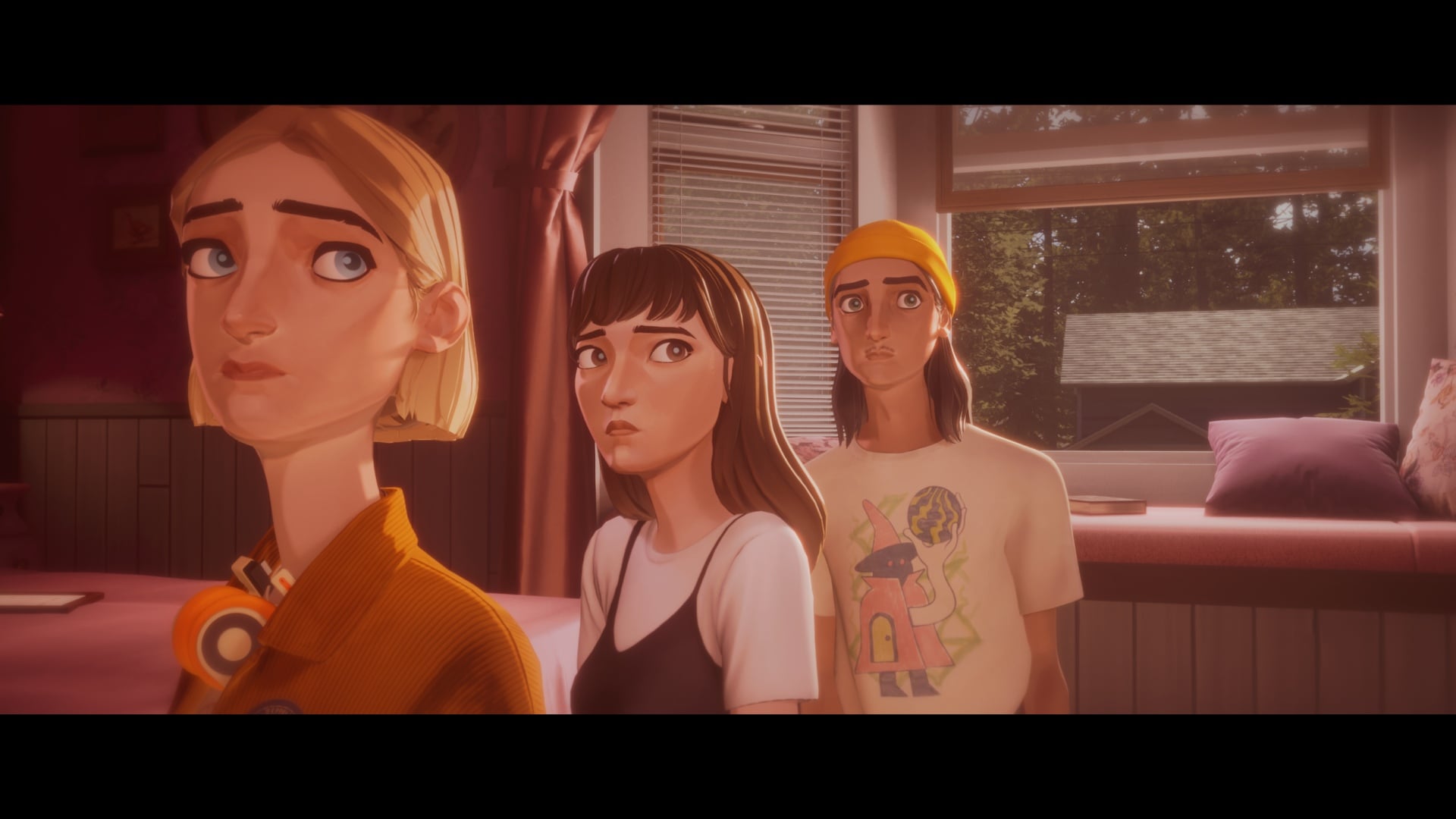
Mixtape wears its heart on its sleeve, even if it tries to cover it up sometimes with a sick ‘90s-throwback bandage at first. Its stuttery, Spider-Verse-esque artstyle makes it feel like a playable animated hangout film, and its writing is witty enough that it doesn’t have to rely on pop culture references from the ‘90s to be endearing. Though it draws from a certain subcultural aesthetic and occasionally deploys grossout stoner humor, the connections it draws between the music we listen to and the memories we make are pretty universal. Though Stacy and her friends treat this dramatic day together as if it’s bringing finality, anyone who’s lived a few years longer than they have can tell you there’s a lot of life to be lived after high school. The memories and the music you listened to, though, that’s the shit that lasts a lifetime.