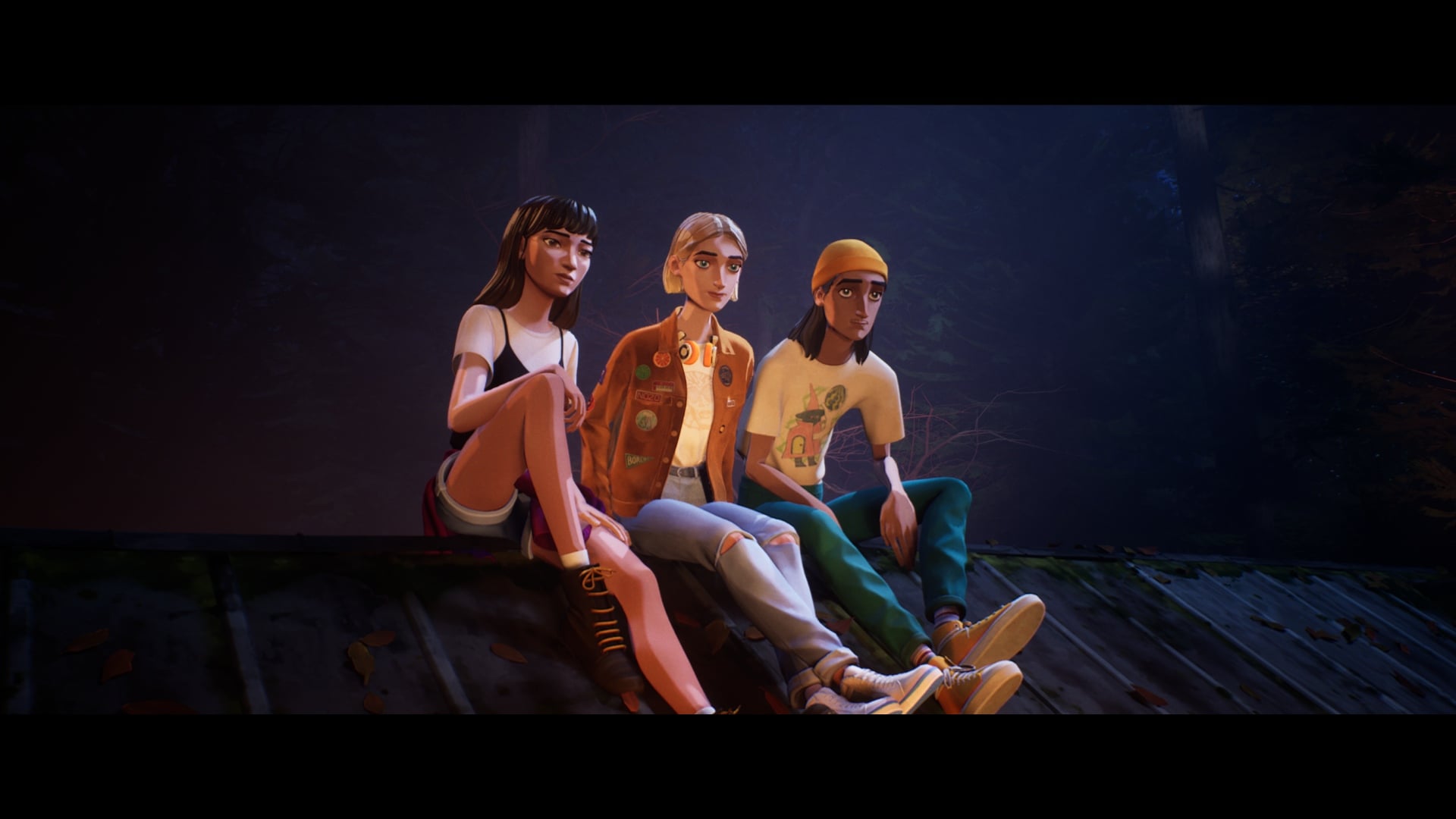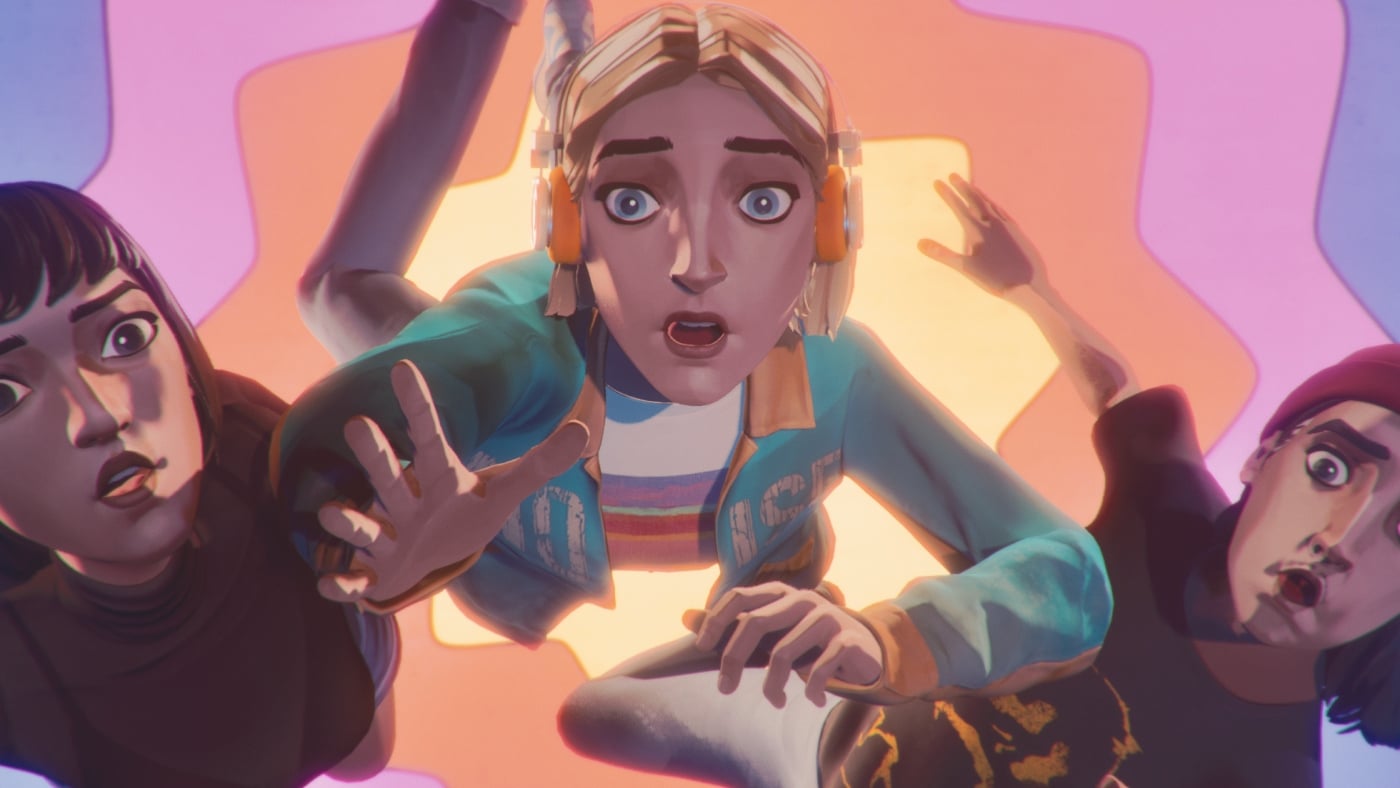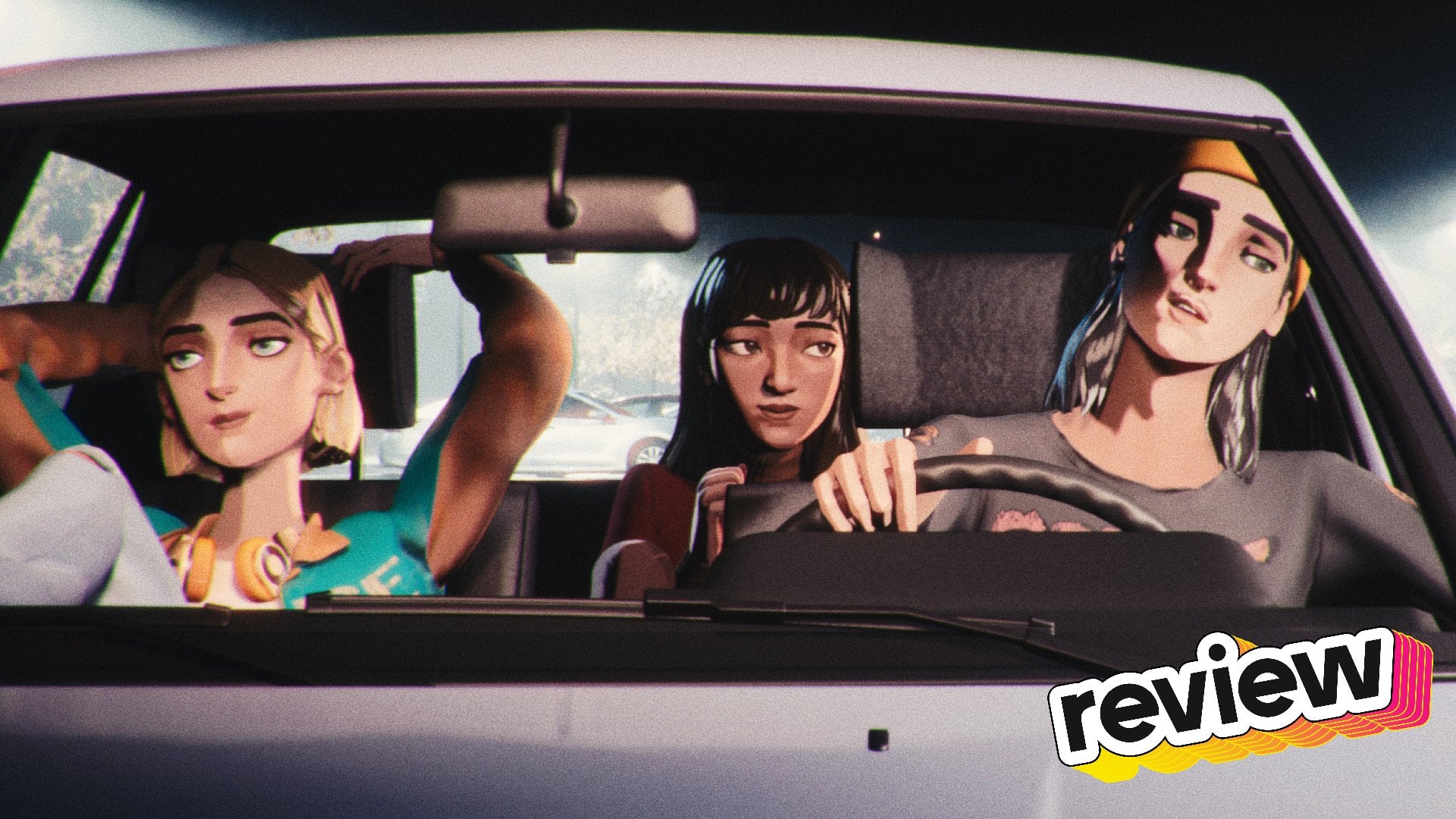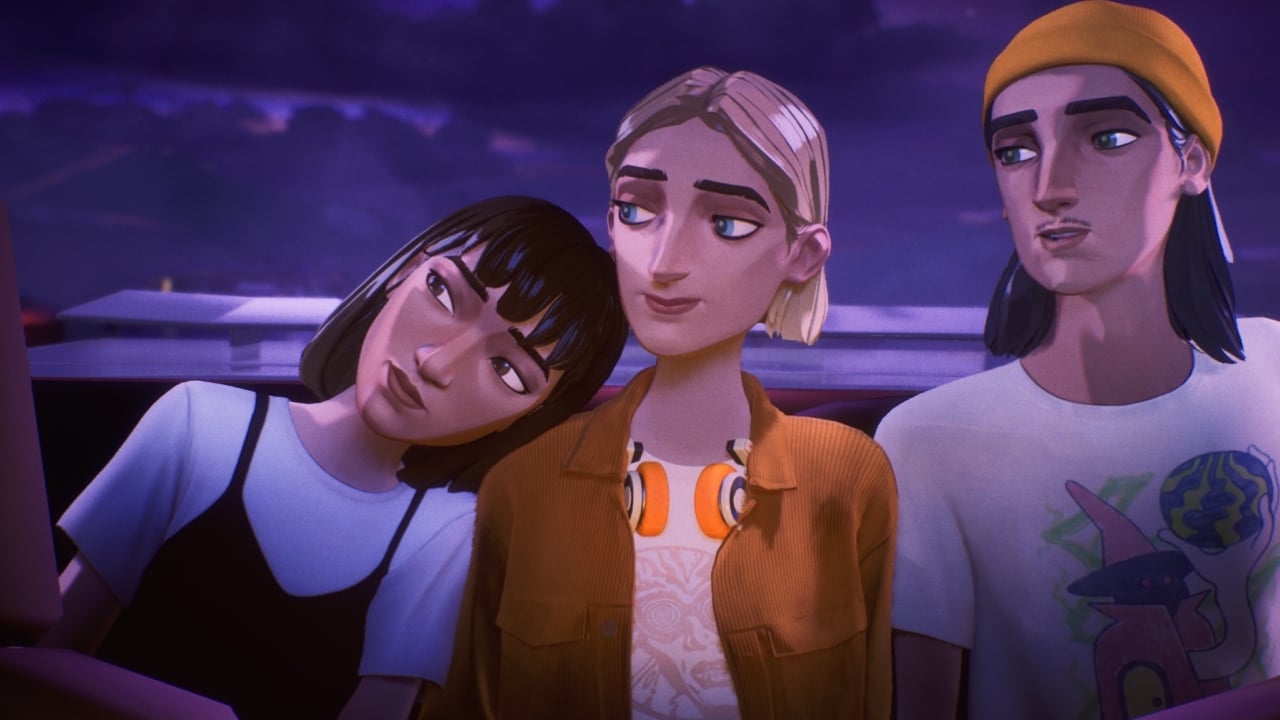
The idea for Mixtape, Beethoven and Dinosaur’s latest musical adventure, started with a song. Specifically, “That’s Good” by Devo, the song that opens the game as Stacy Rockford and her friends skateboard into their final night together in Blue Moon Lagoon. Creative director Johnny Galvatron tells Kotaku that he wanted to build a game that could have that song in it, and then the idea of a game about a mixtape of Galvatron’s “greatest hits of all time” began to form.
“I’m a big Devo fan,” Galvatron says. “There seems to be this weird, Devo-shaped hole in my heart, and when I listen to Devo, it just goes in and I feel complete. So I love that song and we started out and then we were like. ‘Well, what if we, what if we built a game around a mixtape with individual tracks?’ We laid out all the tracks that I love; it’s just my greatest hits of all time. I think there is a ‘60s track and then there’s a couple of ‘70s, mostly ‘80s and early ‘90s, and laid them out.”
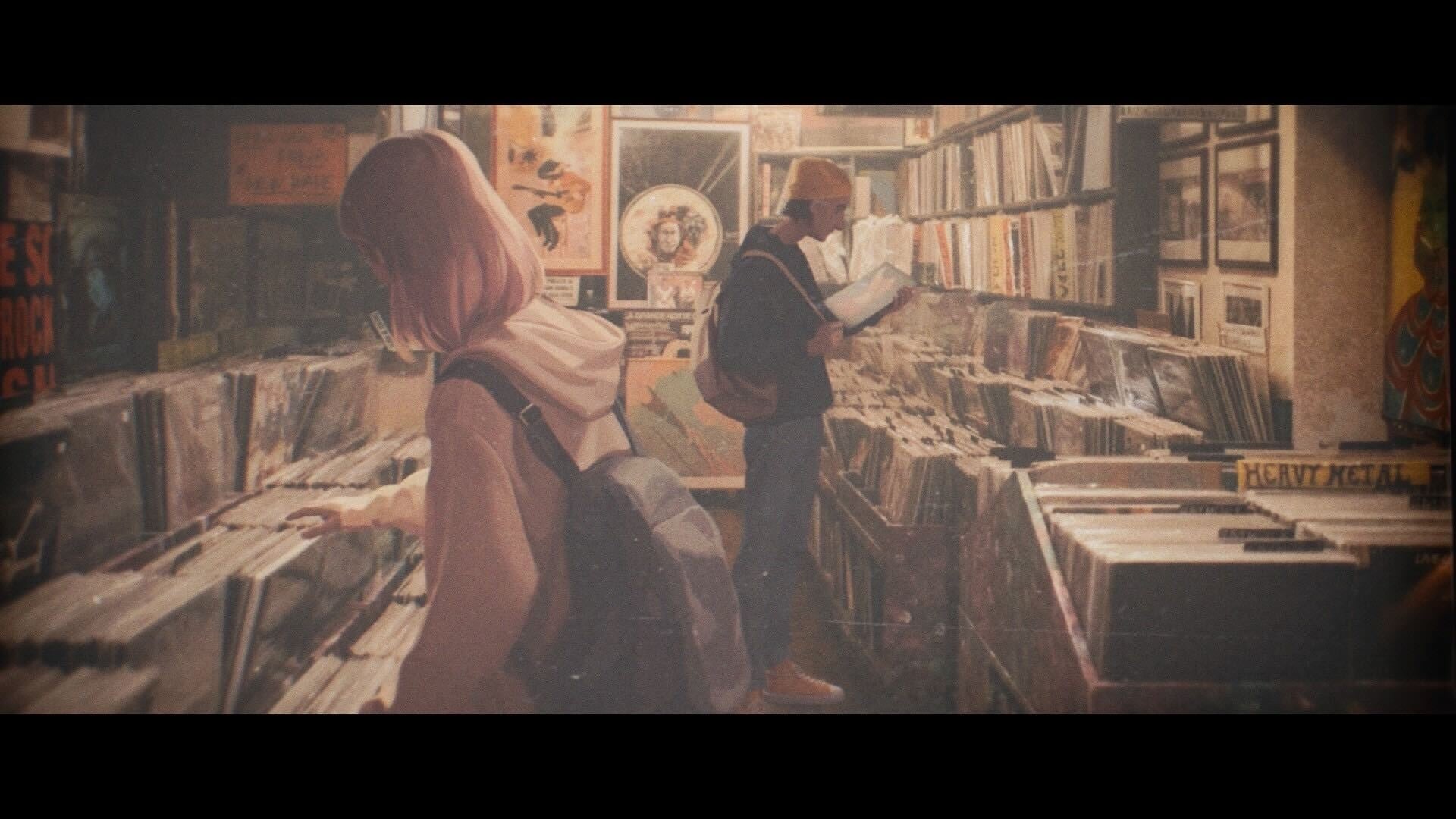
Mixtape’s director left a music career as the frontman for a punk rock band called The Galvatrons to form the Melbourne-based indie studio Beethoven and Dinosaur in 2017. Its latest project, another collaboration with indie hit seeker Annapurna Interactive, is a coming-of-age narrative game that’s been resonating with folks who either are nostalgic for its ‘90s aesthetic or, like me, enjoy the self-mythologizing way Stacy and her friends try to essentially craft a soundtrack to their lives. That critical-acclaim has also provoked a bizarre reactionary backlash, making Mixtape an unexpected lightning rod in gaming’s ongoing culture war.
Picking the songs was one thing, but as the team at Beethoven and Dinosaur learned through developing its previous game, the musical platformer Artful Escape, pacing and structuring the mixtape to compliment an overarching narrative would be the difference between a random assortment of songs and something with a deeper story to tell.
“We would put them in different orders and see where the kind of crescendos were and where things were going to land, and we’d try again,” Galvatron said. “Once we had it in a fairly level state, we built a ‘horizontal slice,’ instead of a vertical slice, which is a shitty version of the whole game, just to see if we had the pacing right and if it was gonna work. We were like, ‘yes, this is gonna be really cool,’ and then built upon those firmaments in each level and then the the things that came out of that were like ‘How are we going to get in and out of each song, what’s the kind of process of like, switching between songs, can it be hard like a mixtape, or are we gonna have to kind of flow and bridge the scene,’ which is what we learned that we did have to do.”
As the songs were nailed down, Galvatron and producer Woody Woodward say the team wanted to take care to ensure each associated set piece felt like it paid real tribute to the music, rather than coming off like you’re asking artists to give them music “to play in the background while something else more important happens,” as Woodward describes it.
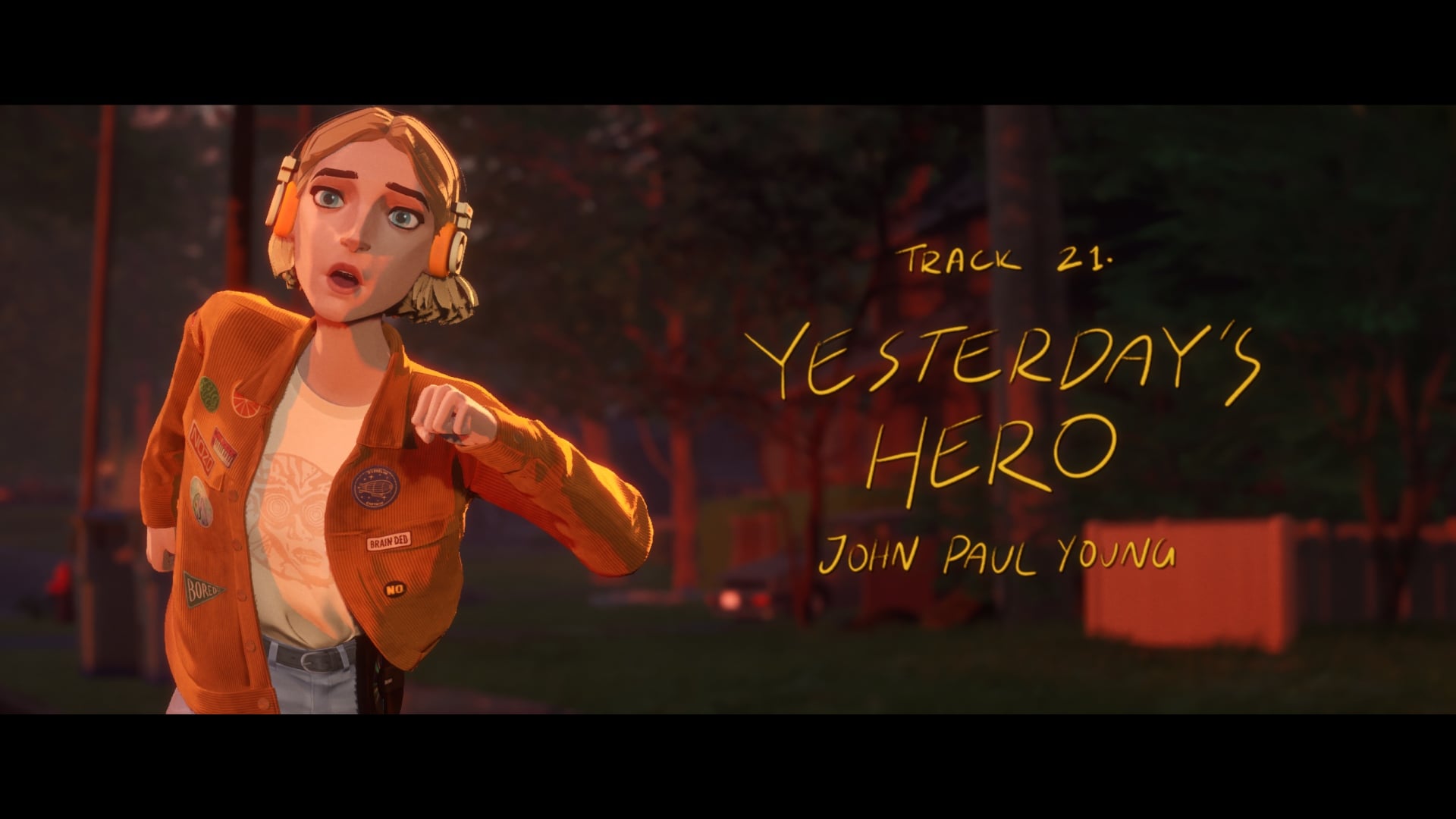
“You’re given these songs that are so precious to you, you better treat it with respect,” Galvatron said. “So when I have those songs and we’re just like, ‘What are we gonna build on top of that?’ It was always the song first and we would [look at] where are we in the story and what is this song meaning to the characters. We use game mechanics to inform the player of the mental state of the protagonist, and I think there’s a lot of really fun and creative ways we use the medium to kind of bridge what the characters are feeling to the feeling of the music and get it to the player.”
Mixtape has some pretty big names on its soundtrack, though, and Galvatron says there weren’t any “horror stories” in terms of getting the rights to what they wanted. Woodward explains that the team’s music supervisor kept expectations in check early on. At one point, the team floated the idea of featuring Pink Floyd as a “boundary test,” but didn’t even get to the point of deciding on a song before they were told to cool their jets because their supervisor said the band was unlikely to give them a song. Other than that, Woodward says they got “pretty much everything [they] asked for.”
“There’s just so many points in the game where Stacy turns the screen and says ‘This is the Smashing Pumpkins, and it’s fucking sick,’” Galvatron said. “You send that to [Smashing Pumpkins frontman] Billy Corgan and he goes, ‘This is the Smashing Pumpkins and it’s fucking sick, yeah, they can do that. That’s fine.’
When a game has such a heavy reliance on licensed music, a natural fear is that it could be delisted from digital stores when licenses expire, but Galvatron says Beethoven and Dinosaur made sure to pay extra to keep Mixtape’s licenses up in perpetuity. So the game should be fine years or even decades down the line. Making a game about your favorite songs can be dangerous though. Galvatron was briefly worried he might get burnt out on the music.
“My biggest hesitation was like, ‘if I make a game with all of my favorite songs, is it gonna be like starting a business with my friends? Am I gonna hate everything by the end?’ And no, I don’t,” Galvatron says.
“Every day in the office. Johnny would play Devo and would pump his arms every time enjoyment, every time,” Woodward says.
“I still get a buzz listening to it and starting the game and seeing Devo play and these characters come out,” Galvatron admits.
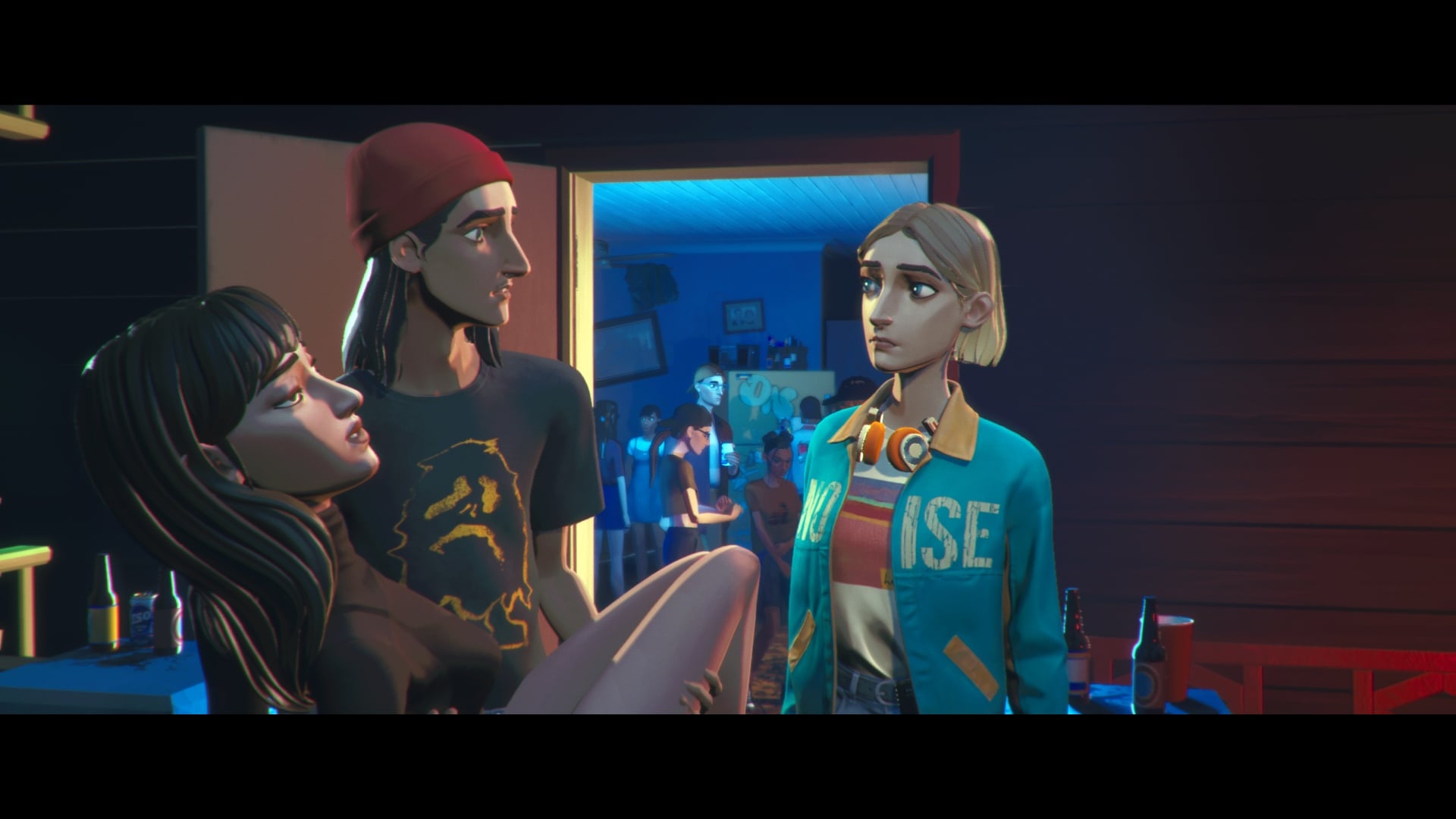
Though Beethoven and Dinosaur has now made two music-driven games, Mixtape and Artful Escape still feel like pretty distinct projects, in tone, genre, and their relationship to music.
“I think Artful Escape is far more about being a musician or being a creator, and it’s also about the kind of satellite aspects that you build around your core medium, and then [Mixtape] is far more about being a listener, being a fan of music and what music means to you and how you can use it to kind of define the eras or moments of your life.”
What does Beethoven and Dinosaur hope players take away from Mixtape? “Liking shit is cool and Devo,” Galvatron says.
“Be into something,” Woodward echoes.
“Yeah, be into shit,” Galvatron responds. “Not all shit. Some shit. Be into some cool shit and find some cool shit and just get really into it. Annoy people with your knowledge about it. That shit’s cool,”
“Find others that are as annoying as you are and be annoying together,” Woodward replies.
“Yeah, and get into it more and let them introduce you to weird shit,” Galvatron says. “That’s what I think is cool about these kids, and when I remember being that scene kid and selling tickets for bands and selling t-shirts for bands. I love that scene, it’s really positive, really art-centric. It sounds like a cliche, but those kids are really just about the music, that’s what they care about, and the scene and the art form and those kids are cool.”