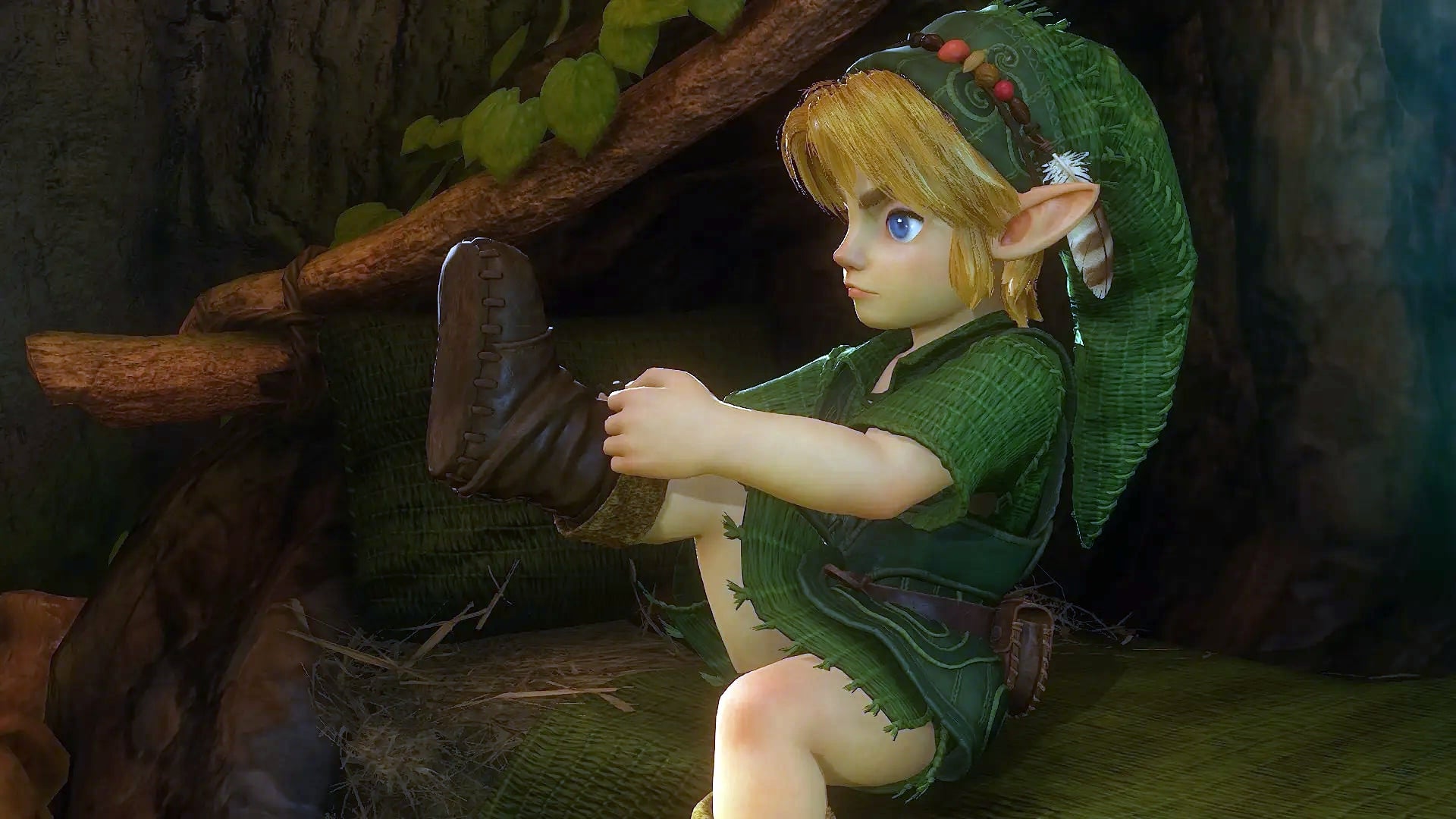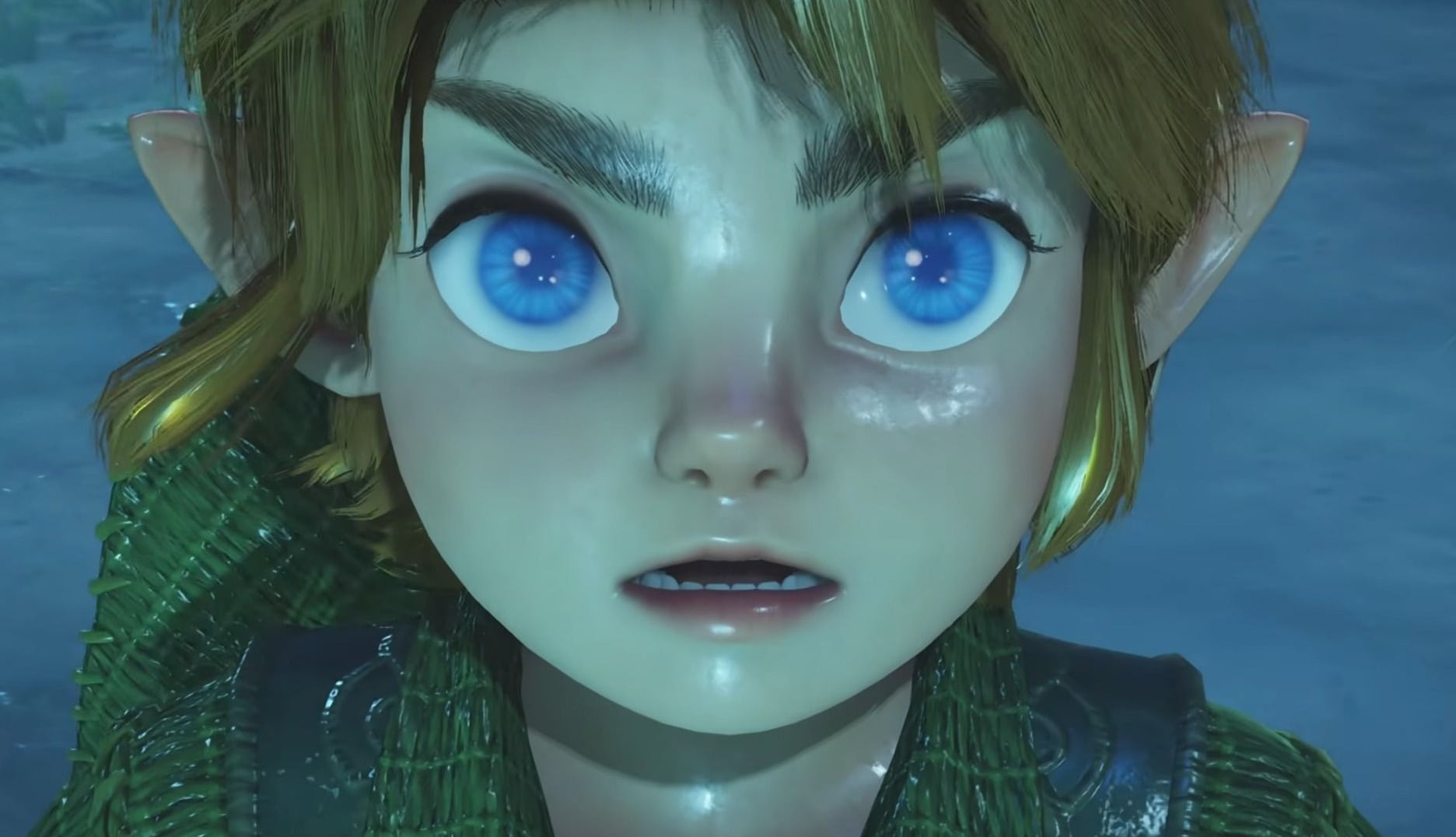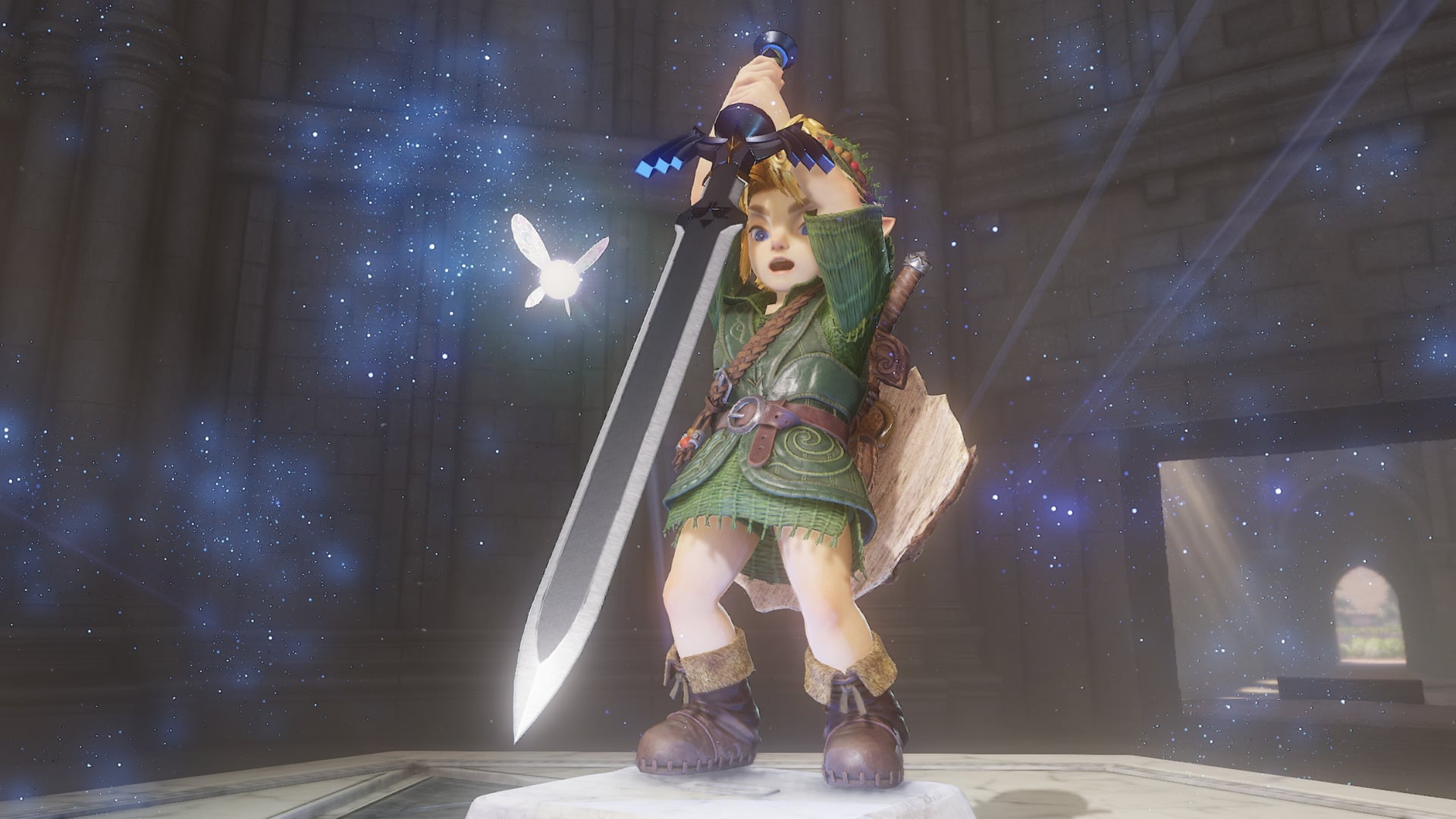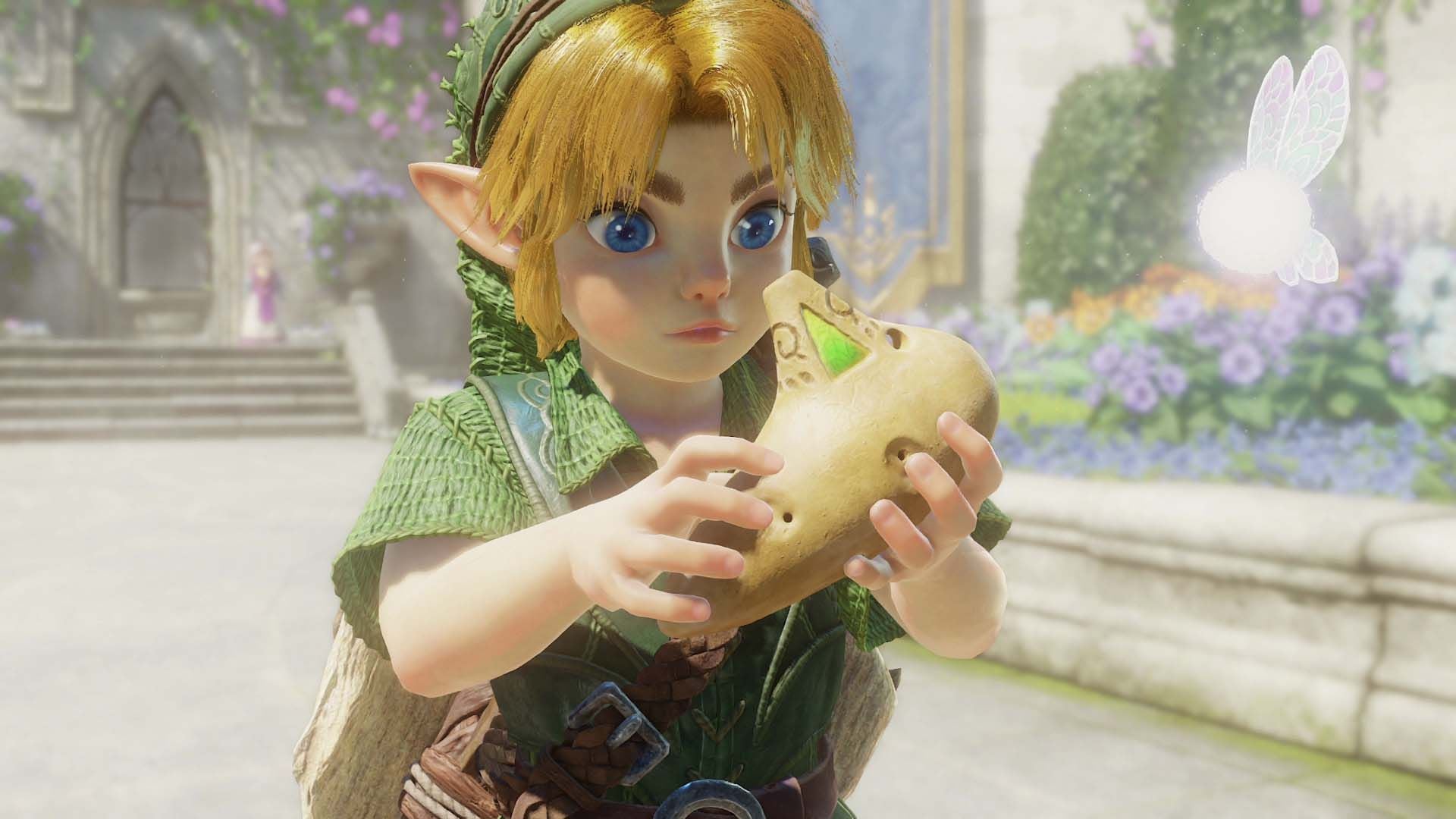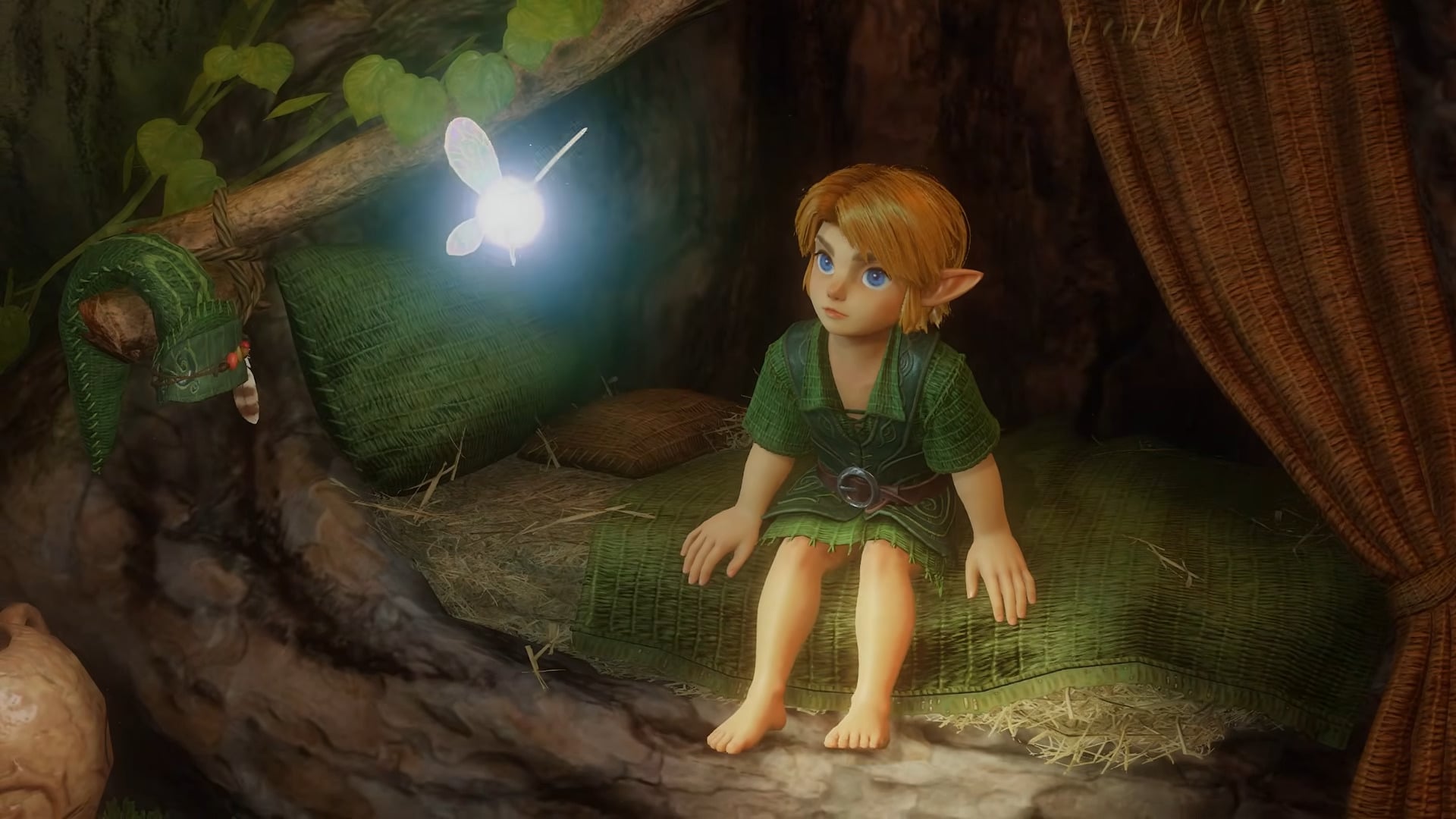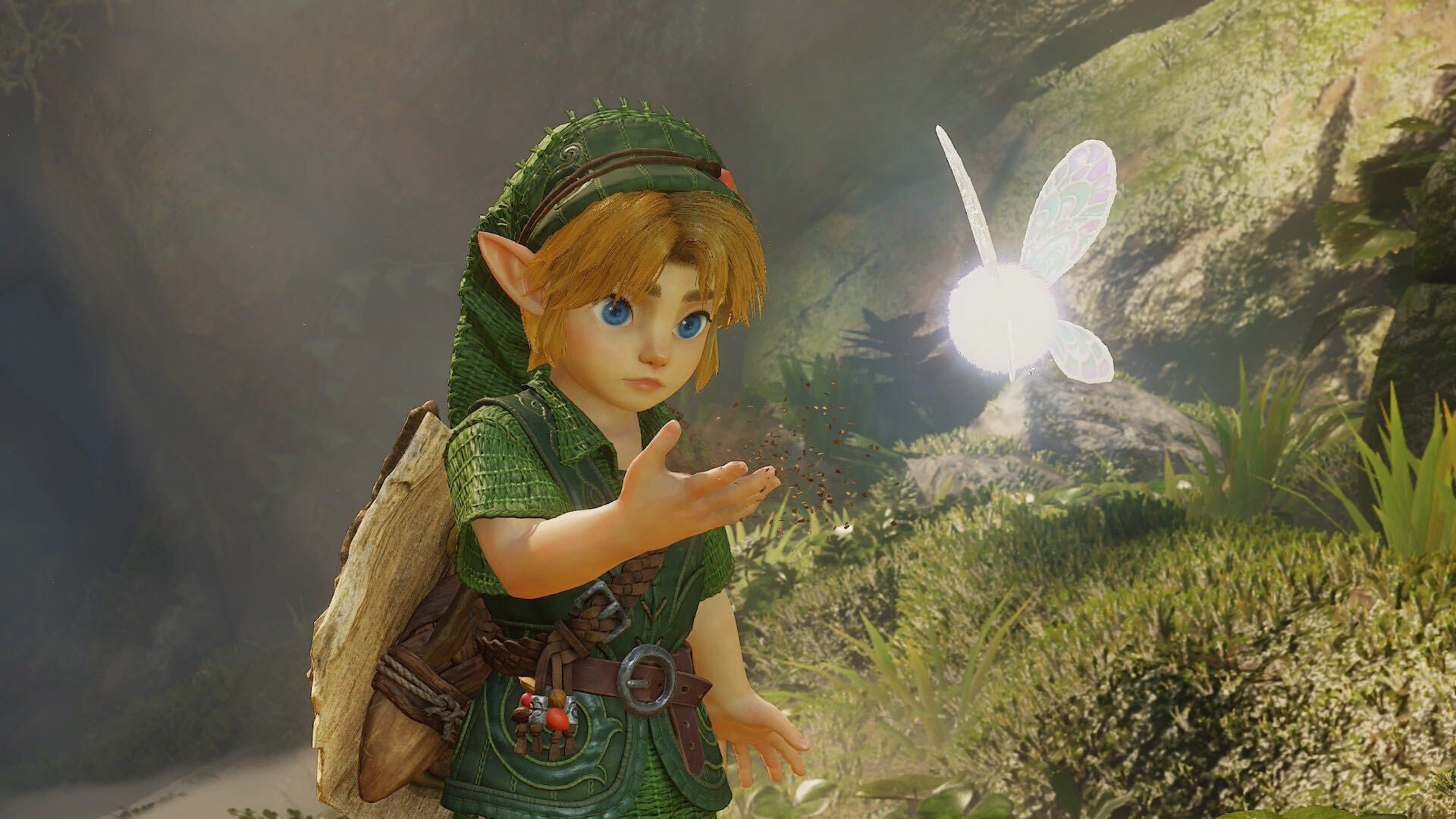
The Legend of Zelda: Ocarina of Time remake has been out for about 11 hours now, and fans who played the original are scouring Nintendo’s Switch 2 version of Hyrule for any changes, big or small, from the source material. The game’s puppet-inspired look makes everything look equal parts lush and uncanny, but broadly speaking, it’s still the Ocarina of Time you know and love. However, some small changes here and there do stand out for people who have played the game multiple times over the past 28 years, and while some are silly, others are actually tripping up long-time players, myself included.
Some of the changes aren’t actually consequential, but they’re fun to point out and laugh at. In the original, there’s a notorious scene in which King Zora, the leader of the sea-faring Zora people, scoots out of the way so you can reach the next dungeon. The moment is painfully drawn out, as man can only move his body a few inches at a time, so you sit there for a ridiculously long time while he gets himself situated. In the remake, the scene has been shaved off by about seven seconds.
“Then what’s even the point of playing this game?” a TikTok comment jokes.
“I feel like seven seconds is a fair trade off for the comedy of the camera angle switching up,” another says.
There are some changes that only the sickest among us will find. In the original game, players could find secret rupees at the top of the Castle Town gates by walking up the chains on the drawbridge, but it appears that’s no longer possible in the remake.
嘘だろ青沼ぁ!!!#NintendoSwitch2 #ゼルダの伝説 #時のオカリナ pic.twitter.com/fh5nVGkUZ3
— ネコメ (@Eyes__Cat) November 5, 2026
The stuff that’s really going to affect anyone who’s played the original game are some of the mechanical changes that even I have struggled with a bit as my decades-old muscle memory keeps tripping me up in the early areas and dungeons. The Ocarina of Time remake adds a manual jump button, whereas the N64 original had Link automatically leap across platforms by running off an edge. Now, if you don’t press the button, he’ll fall, usually holding onto an edge instead, and you have to actually hit the jump button to get where you need to go. It hasn’t resulted in any embarrassing deaths for me yet, but I’m not the only one who’s falling down when they’re supposed to be jumping.
This is the kind of change that makes the game harder for veterans while also probably making it feel more natural for newcomers. It’s one example of the effort Nintendo put into making the game more approachable, and any time that a remake sands away friction that was present in the original game, it leads to conversations about what that friction helped evoke. IGN’s Logan Plant talks about this pretty extensively in his review:
I never get tired of entering a new room, taking out the enemies within, and then figuring out what it’s asking of me, like which block I need to push where or what switch I need to hit next. However, there are a number of small changes that add up to make a big difference in how these dungeons feel to work through, not always for the better. For example, a few locks are now placed on doors closer to their respective keys. This effectively shrinks the explorable space in these moments – if you run into a locked door and don’t have the key, there aren’t that many rooms it could realistically be in. It doesn’t ask you to think about the broader layout quite as much as a result.
I understand taking the opportunity to tone down pain points that people have been getting stuck on for nearly 30 years. But this remake tends to overcorrect: a few rooms that used to have admittedly obscure solutions now contain really obvious ones. In some cases, literal guard rails make sure you don’t miss the only possible answer in front of you. Puzzles that require a specific item are oftentimes overly telegraphed. For example, even though the hookshot will latch onto lots of surfaces, several places where you used to have to figure out you needed it have been replaced with the unmistakable hookshot target. This removes some of the required thought: you recognize the symbol, and equip the proper item. This has always been part of Zelda, but it’s exaggerated here.
The Water Temple – which is easily the original’s most infamous dungeon – has fewer small keys altogether. An easy-to-miss room that used to hold a key is now only required for completionists, which takes a huge moment of discovery off of the critical path. It’s not like every room has been changed in this way, but there are enough instances that they amount to a noticeable trend, which makes the big Zelda “aha!” moments when you overcome something less frequent and less special.
Many pain points have been toned down, but this remake tends to overcorrect.
“Don’t get me wrong, I’m enjoying the remake,” a redditor writes on a thread about the game’s difficulty changes. “But [it] feels [like] all of the changes make an already easy game way too easy. [The] Fire Temple was especially egregious. I don’t want to post any spoilers. but it’s insane how they’ve highlighted the solution to every puzzle, taken out any puzzle that made you slightly think, and ruined the whole goal of the temple in the first five seconds. Huge changes from the N64 version. The whole first room after the first small key door of the Fire Temple is INSANELY dumbed down.”
I don’t think anything is easier, I think it’s less tedious,” another player argues. “For some reason, I see too many people confuse ‘time consuming’ and ‘difficult.’”
Part of this discussion is that, since many people who have an affinity for Ocarina of Time played it when they were young and didn’t have immediate access to a YouTube walkthrough to give them a solution, those moments of wandering around a dungeon in search of a solution feel integral to the experience. I just played through the first dungeon this morning and realized that I never really had to stop and think about any of the environmental puzzles, and part of me wondered if this was because I actually remembered everything from back in the day or if it was just an easy first area to get through. Now I think I’m gonna be paying more attention to whether or not it feels like Ocarina of Time is handing me solutions on a silver platter.
Though there are full playthroughs and clips of the endgame circulating online, the majority of the playerbase is going to be chipping away at Ocarina of Time over the coming days, so I’m sure there are even more changes, good and bad, for folks to uncover as they play the Switch 2 remake.