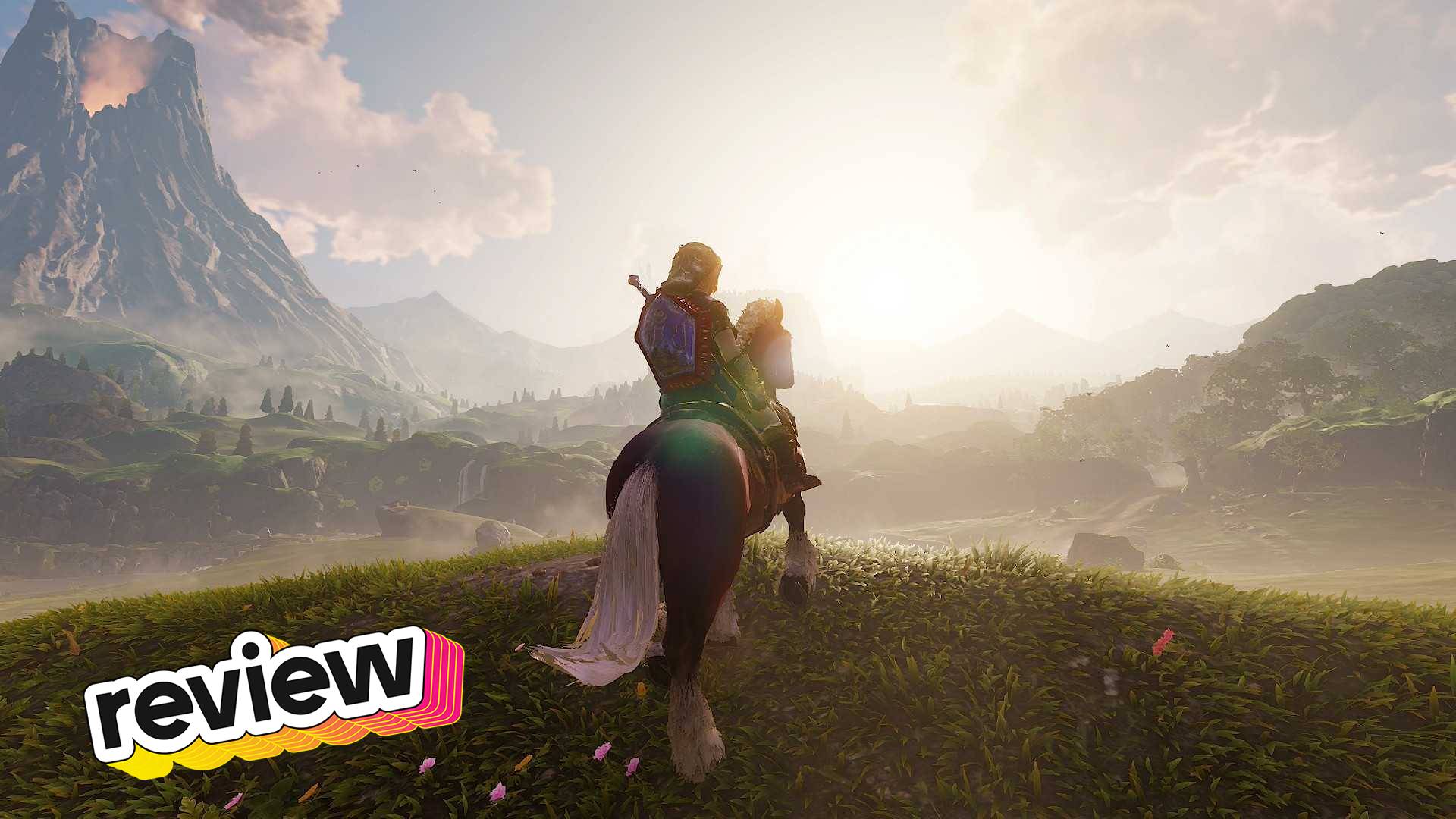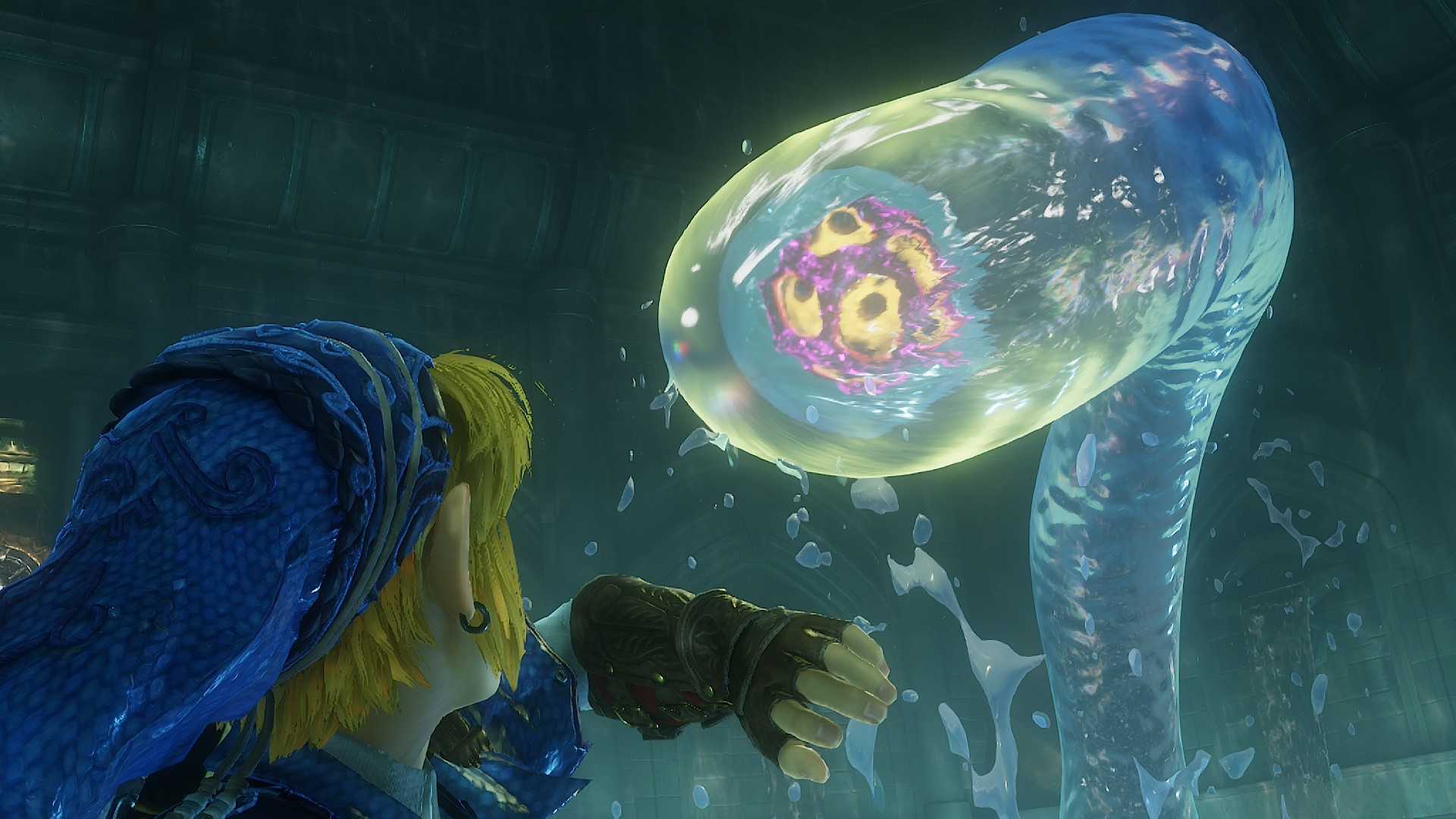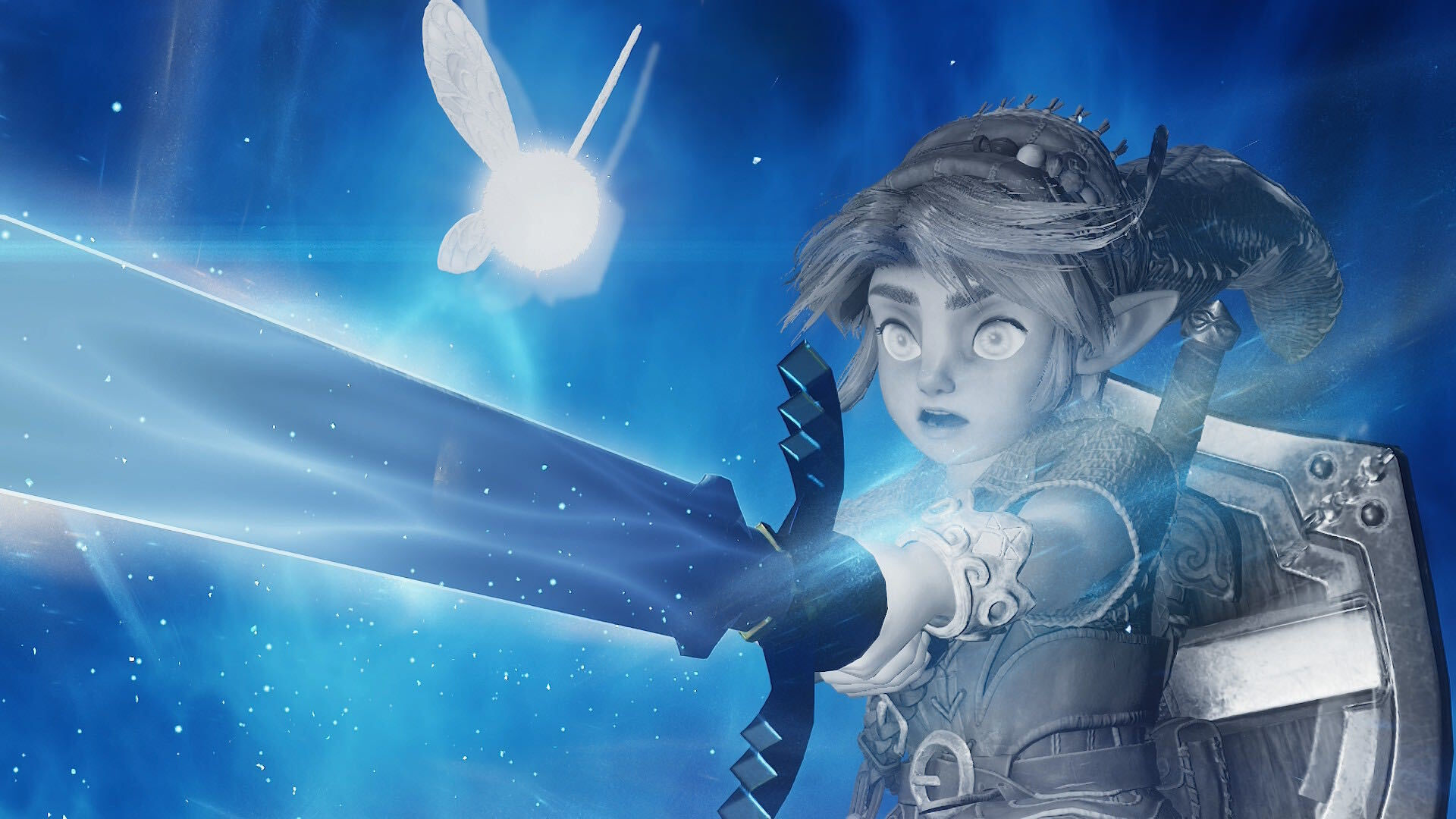
I think most kids wish they could grow up fast. They want to be free of the rules their parents set for them that feel arbitrary and unfair, and they’re often told “when you’re older, you can make your own rules.” When I was in elementary school playing The Legend of Zelda: Ocarina of Time for the first time, I was young enough that Link’s seven-year slumber seemed like a dream come true. No longer would he, and by extension myself, be restrained by his small stature. Oh the adventures we’d go on and monsters we’d face. Oh how naive I was.
It’s been years since I revisited Ocarina of Time, and while I’d always known the series to be tinged with melancholy, one thing that nearly 30 years of distance from the original Nintendo 64 game has given me is an understanding that Ocarina of Time is a tragedy. The Hero of Time wins the day and saves Hyrule, but at a great cost of his own innocence. You can put the Master Sword back into its pedestal and go back to your childhood, but you’ll never erase the horrors of seeing every safe haven you once knew desecrated beyond recognition while you’re still carrying the heart and soul of a child, even as your body grows older and stronger.
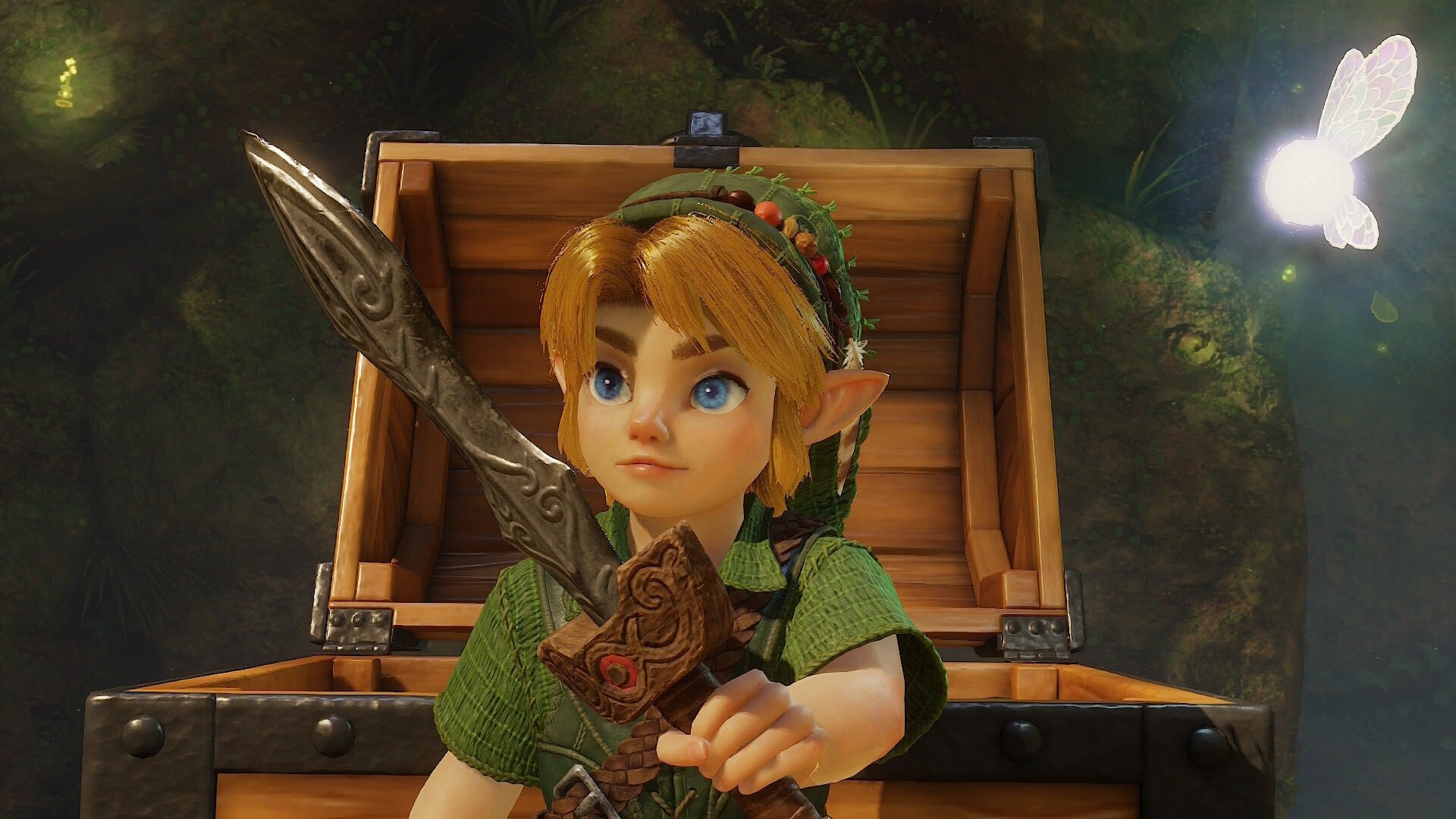
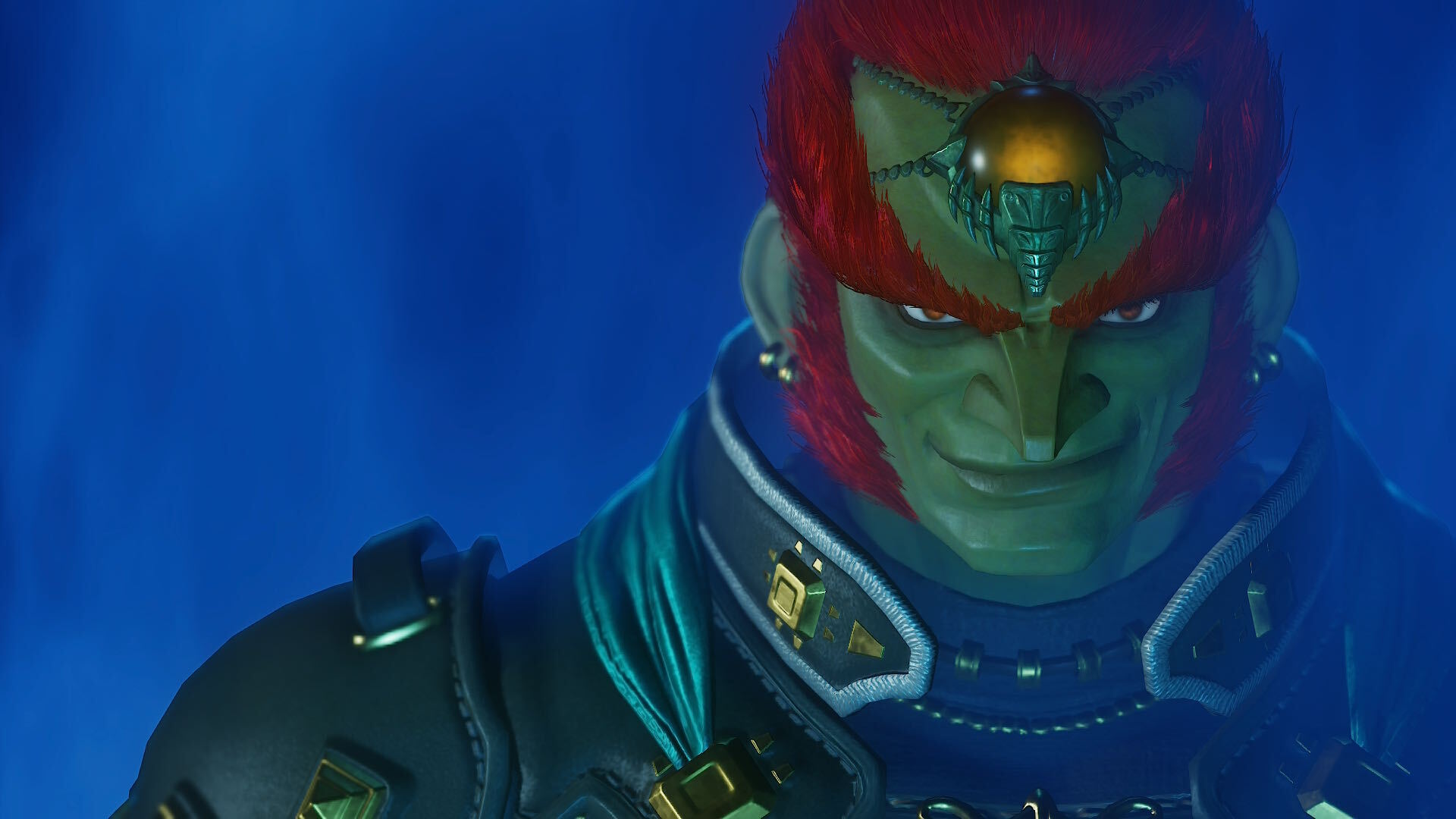
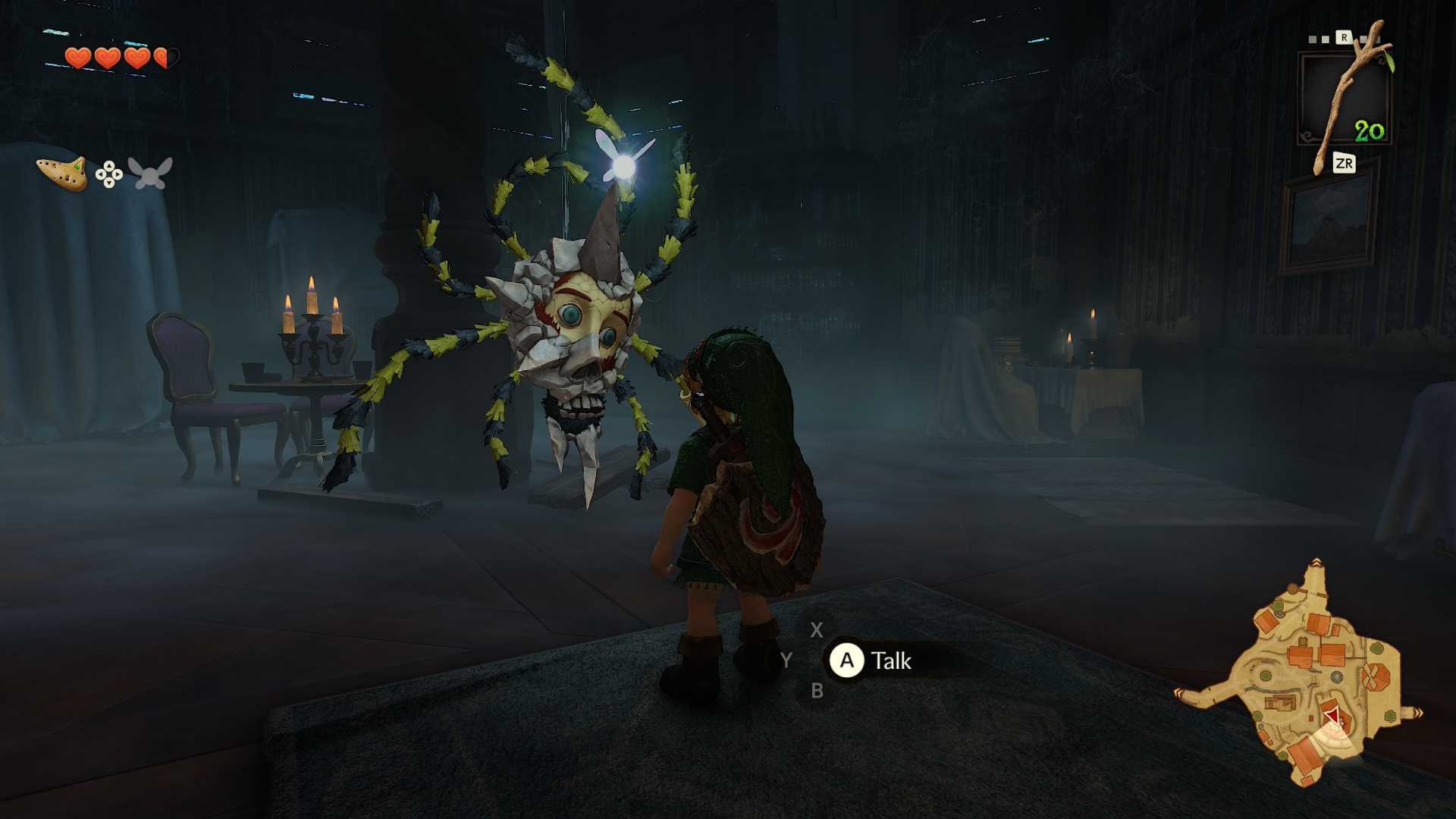
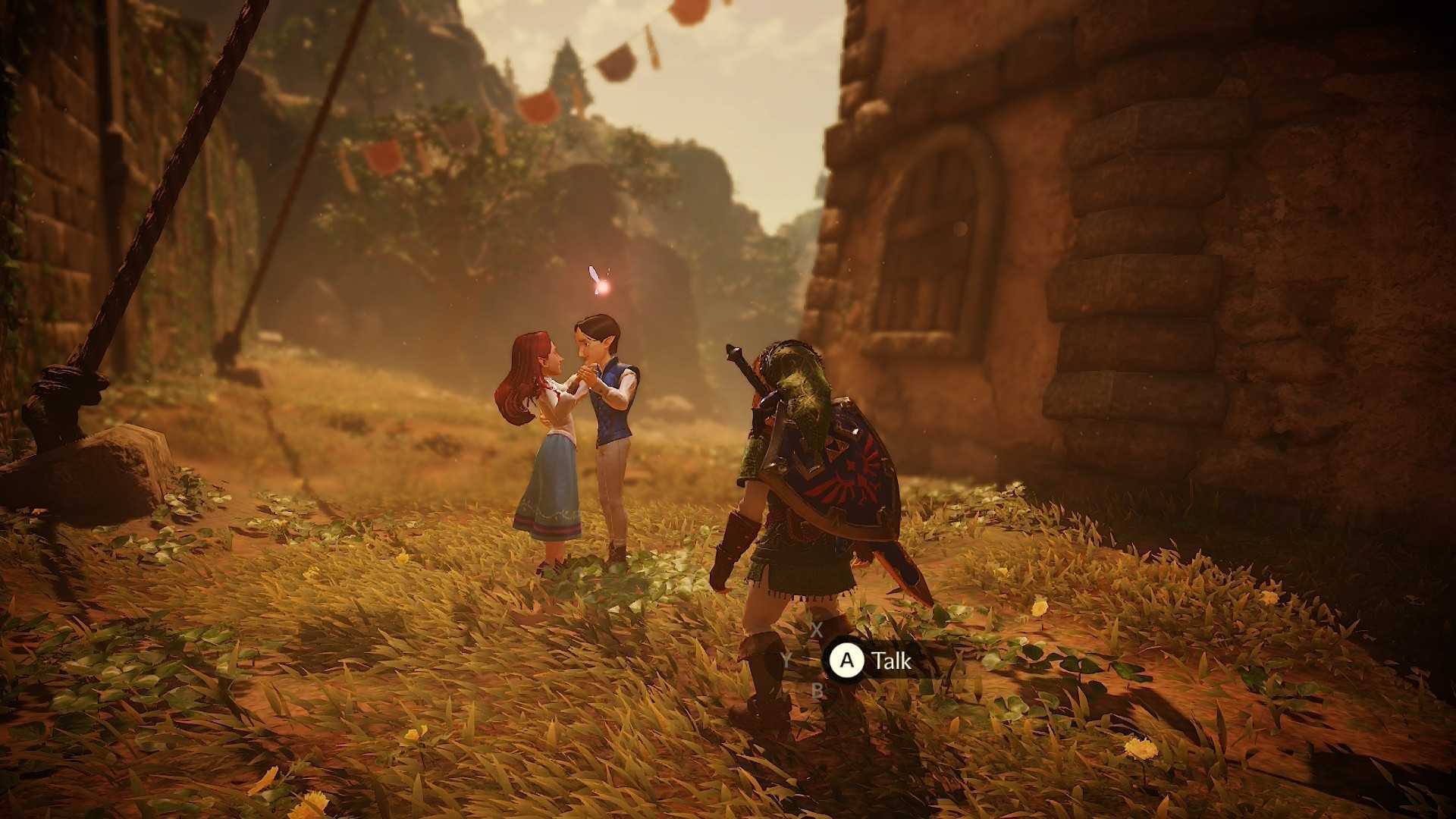
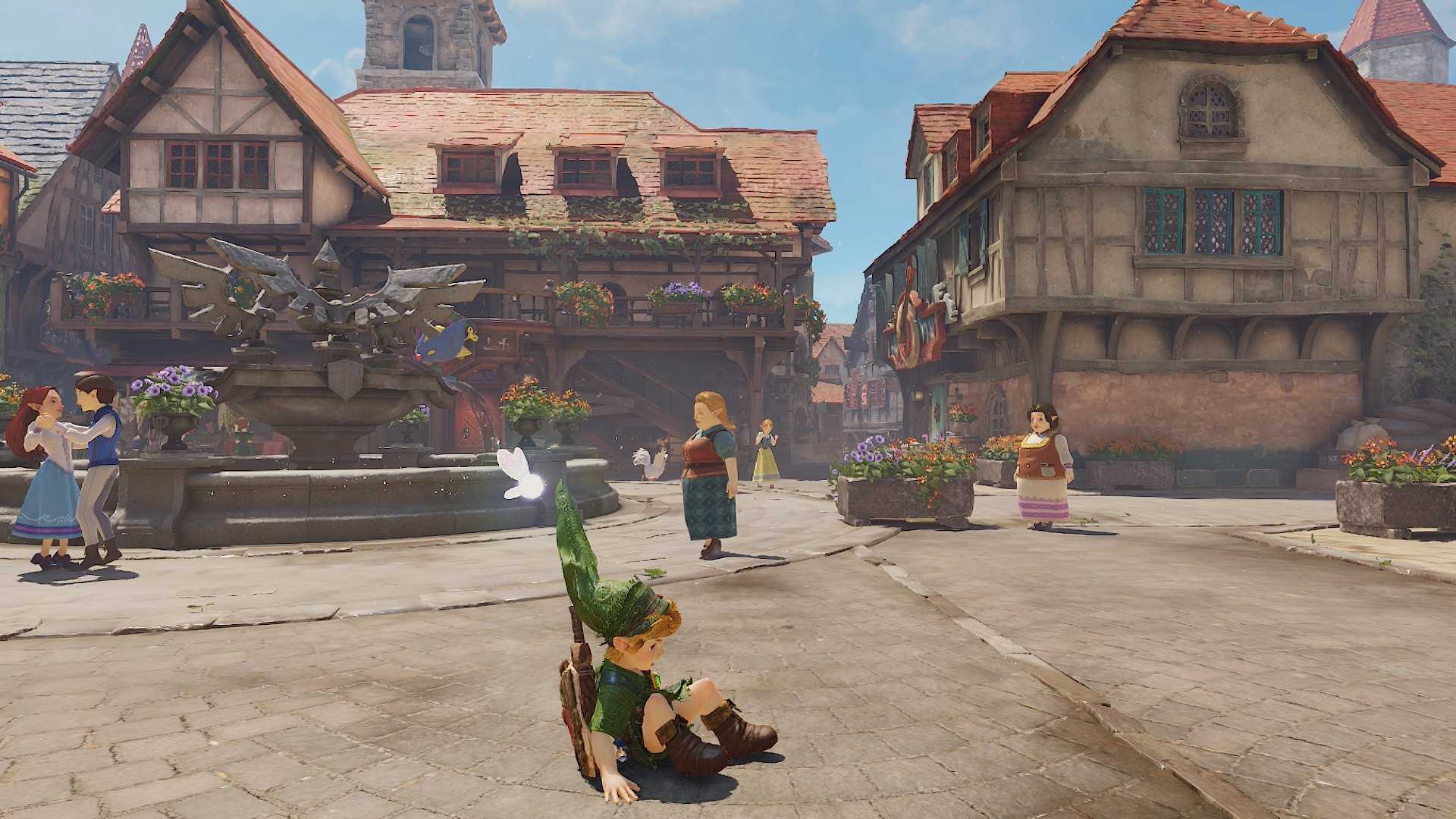
If you’ve already played Ocarina of Time, the lead-up to the eventual time skip in the remake feels dreadful in a way that even all the childlike whimsy happening around Link can’t cure. On top of young Link’s appearance being much more expressive and youthful than it was on the Nintendo 64, there are a bunch of small details in dialogue that make it clear this is a little baby pushed out of the nest. Little dude calls the king of all evil “Danondorf,” is three apples tall, and has the resting pout of a baby who doesn’t cover his mouth when he coughs. This isn’t the classical vision of a hero, it’s a wide-eyed baby who slaps around wooden sticks with his friends in a playground, imitating the heroic soldiers they’ve been told tall tales of in just the few years they’ve been able to walk.
As you grow older, you learn that those tales of heroism aren’t all they’re chalked up to be. Many still make the decision to reach for the sword, but in Ocarina of Time, Link doesn’t get to make that decision, it is thrust upon him at an age when his whole understanding of what being a hero means would be shaped by those simple childhood stories. The realities of being a hero can’t be understood by a mere child, and that’s why he is forcibly aged up seven years: so that he can wield the sword he was destined to carry and defeat an evil no one else can.
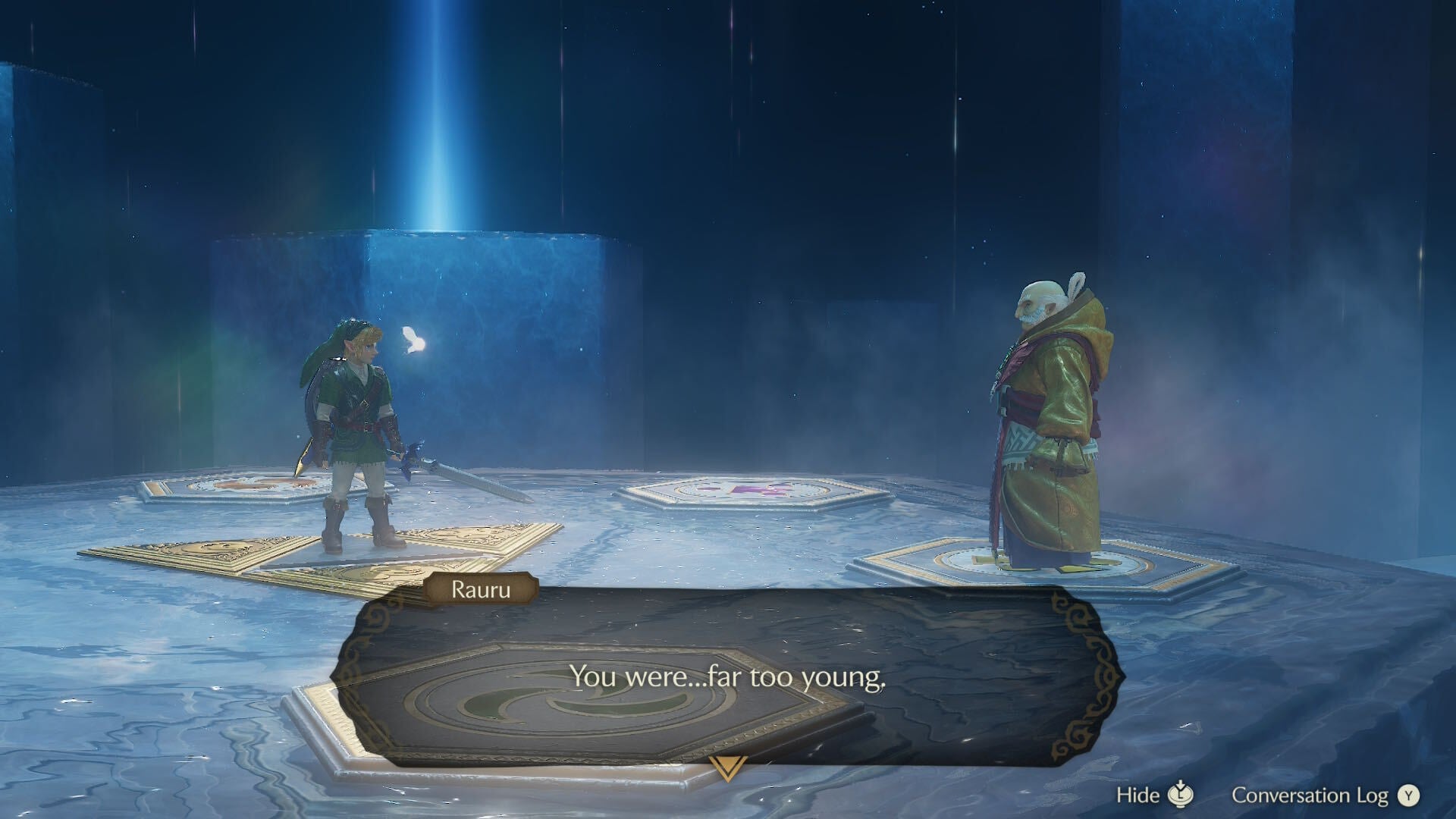
The concept of “stolen” lives comes up throughout Ocarina of Time, though many of the people who are “destined” to save the world take comfort in the sense of purpose they find in becoming a pawn in the grand design. Many of the Sages say this to Link directly; though they can’t return to the family and friends they once knew, it brings them joy to know they are part of something bigger than themselves. Link, on the other hand, who has been dragged into this as a child with no time to grow up and decide for himself, is treated as a tragic figure, one that Zelda sends back to his childhood in the hopes that he can live out the life he deserved. If only it were that simple. At the very least, the Ocarina of Time remake makes that terrible fate more clear. Rather than just pointing out that Link has aged up, Rauru, the Sage of Light, breaks the news to Link that he has lost seven years, expressing this with remorse, rather than simply as a matter of fact.
I’m curious to see if Nintendo does end up remaking Majora’s Mask, the even-more-woeful sequel set after Ocarina of Time in this new timeline where Link is able to live out his childhood, only to be haunted by his own forgotten heroics. That’s the trade-off in saving the timeline: if you’ve done it right, no one will ever know what you did. This version of Link lives out his days saving Hyrule and then Termina, once again having to rely on time travel and constant repetition to be the hero the people need, only for all his efforts to be washed away in the unforgiving waves of time.
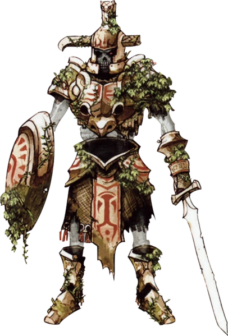
All that regret keeps his tortured soul alive for centuries, living on as a Hero’s Shade the player meets in Twilight Princess, wishing anything he’d done could have been remembered, and that he could see the fruits of his labor memorialized in anything tangible. Perhaps, if he cannot be remembered as a hero, everything he learned in these invisible lives can be passed down to someone who can be. Thus, he teaches the Link of Twilight Princess skills that help him defeat Ganondorf in his own timeline, ensuring that even if everything he’d done has been forgotten, it will live on in future generations. Centuries later, the Hero of Time is still protecting his inner child, because even if he has finally been able to age as he should have, he can’t let go of all that he was forced to watch unfold in his multiple childhoods.
The Zelda series has always been replete with somber stories, and while they’ve often been communicated subtly and left for fans to theorize about, lore bibles and official materials have turned theories into reality. Legends that were once only talked about in dedicated forums in the early 2000s have become text, written on the record and accepted as Hyrule history. It can sometimes be exhausting seeing theories “confirmed” and made canon, as the incessant need for every piece of lore to be documented in online databases has robbed so many stories of their color, their room for inference and interpretation, in favor of black-and-white facts on a page. But it’s good to see that the Ocarina of Time remake treats the tragedy that is the Hero of Time’s many lives with the gravity it deserves.