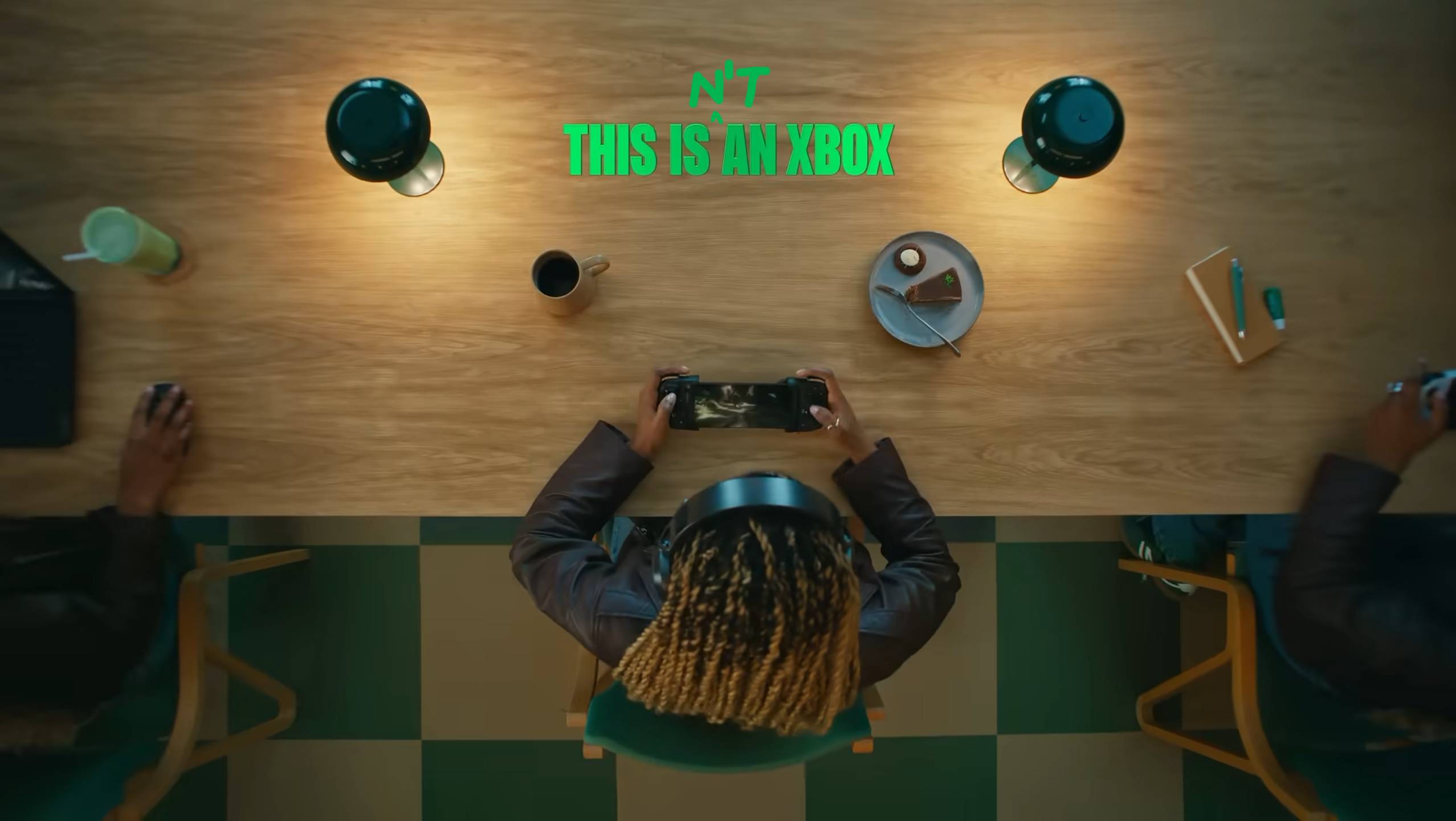
A couple of years back, Xbox looked like it was all-in on cloud gaming. Everything was, we were assured, an Xbox. In 2024 the streaming-based tech was looking promising, if perhaps not at the level of quality people might want. In 2026, things look very different. Some Samsung TV owners have just been told they’ll be losing Xbox Cloud gaming in November; the once-unlimited access to streaming games is about to be reduced to just 15 hours a week, with surcharges per hour after that; and in today’s New York Times interview with new Xbox CEO Asha Sharma, we learn that NYT sources say the rumored Xbox cloud controller was once a real project, but was seemingly ditched after the Activision acquisition. It seems that a lot less things are about to be an Xbox.
The Xbox Cloud Controller, leaked once again a few months back, is still in some sort of development, an Xbox spokesperson who spoke to the New York Times claims, but the paper says that the 2023 purchase of Activision Blizzard caused development to halt. During the regulatory investigations that preceded the acquisition, the UK’s Competition and Markets Authority objected to it on the somewhat nonsensical grounds that it could allow Microsoft to gain a monopoly in the cloud gaming market. That concern was eventually “resolved,” and it’s rumored that Microsoft might have shelved the cloud controller to appease the regulators. As we say, Microsoft denies this, and the more recent leak could suggest the project is back on.
On top of this, today Windows Central is reporting that Samsung TV owners who activated the Xbox app are receiving an email from Microsoft informing them they’ll lose access come November 3. The email states, “Starting 3 November, the XBOX app will no longer be supported on 2020 Samsung Smart TVs as updates to the technology that powers XBOX Cloud Gaming are no longer compatible with the operating system version available on these models.” The email goes on to say that models from 2021 and onward will continue to support the app, but as Windows Central point out, this makes very little sense. It’s a web app, and the TV accesses the web. The site goes on to be perhaps a little conspiratorial about the motive, suggesting Microsoft may have discovered that it’s models from 2020 and earlier which are most commonly used to access Xbox’s clouds, and it’s cutting them off in an effort to save bandwidth. That seems a little spurious, but the announcement certainly shows how low of a priority the tech is if Microsoft isn’t interested in making the changes to allow the access to continue, when it currently clearly works. (And my older-than-2020 Samsung TV still regularly updates its OS.)
Combine this with the news earlier this month that access to cloud streaming, on Game Pass’s most expensive tier, is to be reduced from unlimited to just 15 hours per week, and you can see a very strong pattern: This is no longer a company that is trying to get everyone to move over to streaming its games on any device, any time. In March of this year, Microsoft scrubbed its risible “This Is An Xbox” campaign from its websites, and today you’ll hear barely a squeak from the company about the thousands of games it moved onto its cloud services. If the Beast of Redmond really is still developing the cloud controller, as reported by Tecnoblog four months back, it’s kind of hard to work out what for.
The reality is, as much as lag issues might have somewhat improved since Google’s embarrassing attempt at cloud gaming with Stadia, the tech still can’t display games at a crisp resolution or framerate, requiring significant compromises for those wishing to “play anywhere.” For some, that’s fine, especially if playing on a phone screen, but the concept seemingly falls between two stools. It still obviously lacks the mass-market appeal Xbox was clearly banking on, but at the same time it’s clearly too expensive for Xbox to fund, even when charging for Game Pass Premium. It seems that a monopoly in this area was never of much concern.