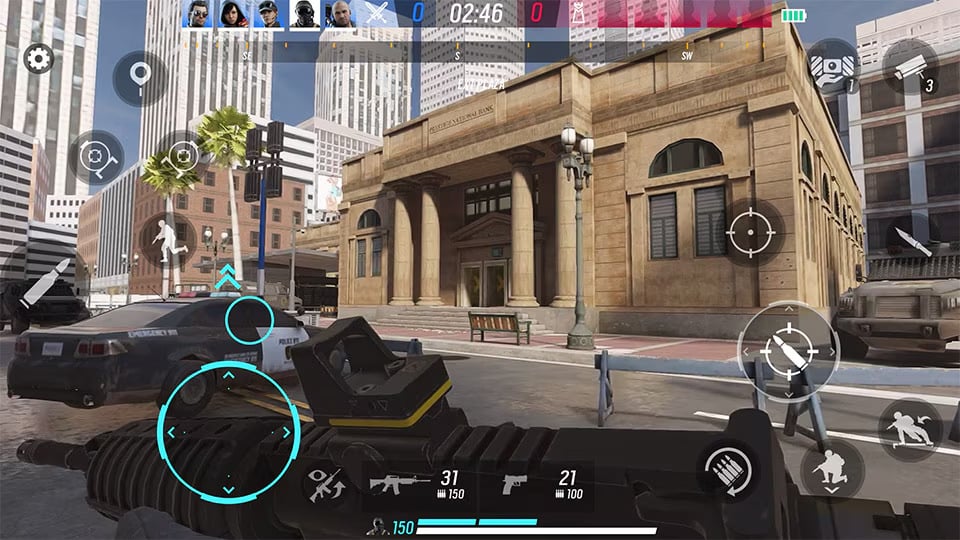
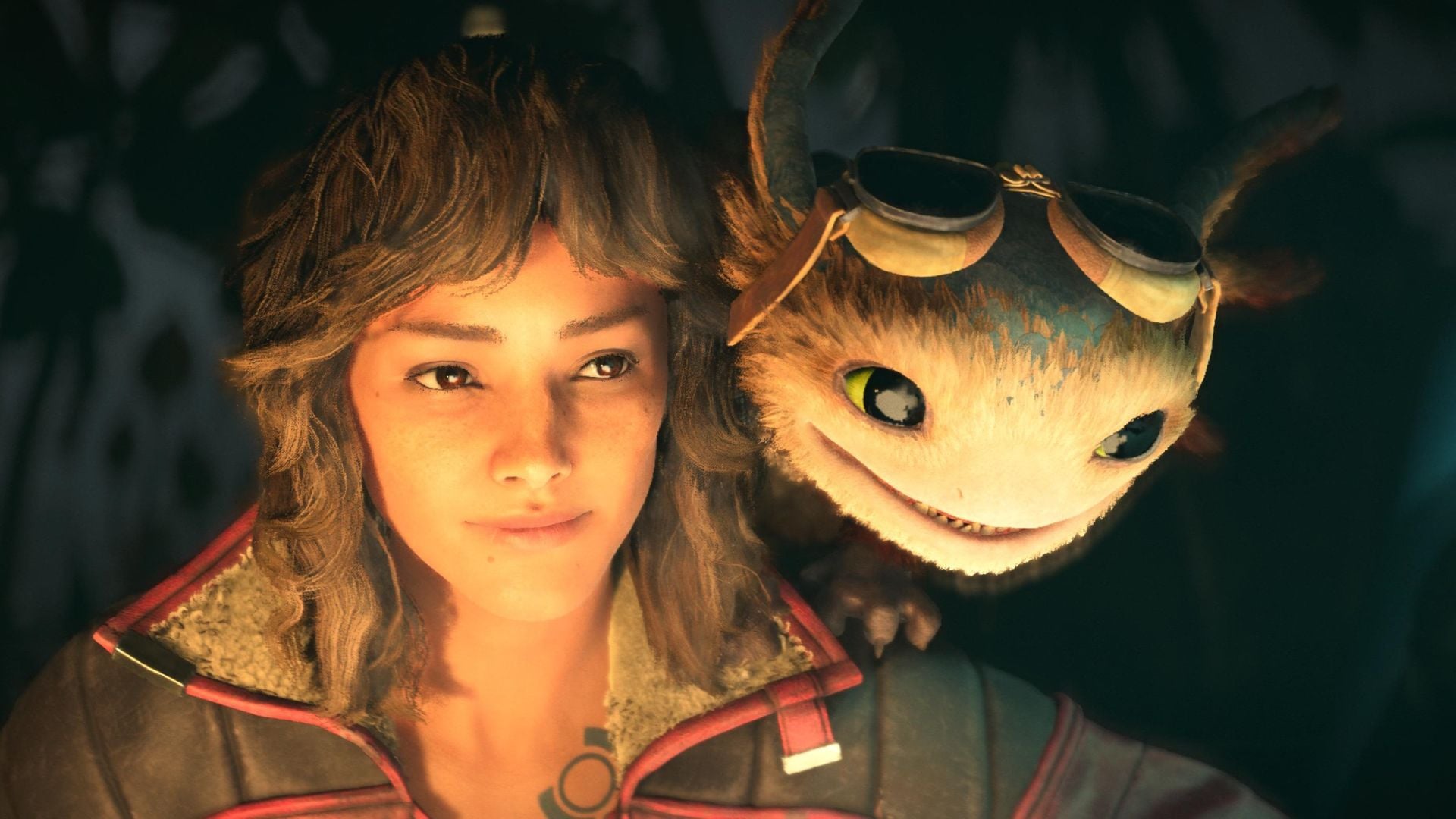
The French publisher behind Far Cry and Assassin’s Creed is planning even more cuts, delays, and pivots as part of a brutal new restructuring. Ubisoft announced on Thursday that a company-wide reset will include a new creative structure, “rightsizing of the organization,” and more investment in things like “player-facing Generative AI.”
The latest shifts come amid a challenging five-year stretch for Ubisoft in which big blockbusters like Assassin’s Creed Valhalla and Far Cry 6 were few and far between while big bets like Star Wars Outlaws and xDefiant failed to pay off. In its January 21 earnings press release, the company promised a “radically new value-creation model” based around a “more gamer-centric organization.” This will include “business units with faster, decentralized decision-making and a greater ability to quickly adapt to players’ expectations” and a “rightsized and more agile organization, delivering improved structural efficiencies over time.”
A management consultant company like McKinsey & Company couldn’t have written it better. For those not versed in 21st century corpo-speak, that means a slow disassembly of the global AAA factory that Ubisoft spent the 2010s building up and more studio closures and layoffs. The move will also include delays of many big games and the cancellation of others like the Prince of Persia: The Sands of Time remake that’s been in development for years. Ubisoft says it will double down on open-world games and games-as-a-service while boosting investments in things like “player-facing Generative AI.”
Ubisoft fragmented into “creative houses”
Instead of the integrated co-development model that has led the company to churn out massive games with armies of studios from around the world contributing to them, the new model suggests a series of siloes within the company based around individual IPs and genres. The first is a Tencent-backed subsidiary called Vantage Studios that owns Assassin’s Creed, Far Cry, and Rainbow Six Siege. The second will own The Division, Ghost Recon, and Splinter Cell. The third will own For Honor, The Crew, Riders Republic, Brawlhalla, and Skull & Bones. The fourth will own Anno, Might & Magic, Rayman, Prince of Persia, and Beyond Good & Evil. The fifth will own Just Dance, Idle Miner Tycoon, Ketchapp, Hungry Shark, Invincible: Guarding the Globe, Uno, and Hasbro-branded games like Hasbro Game Night.
“Each Creative House will benefit from dedicated leadership with a clear creative mandate and accountability,” Ubisoft claims. “These leadership teams will include high-profile talent coming from the industry. They will be tasked with attracting and developing top-level, specialist talent, and supported by incentive schemes aligned with creative success, player engagement and long-term value creation.” Will that actually streamline things though, or just add a whole new layer of bureaucracy?
More closures, cuts, and layoffs
No restructuring is complete with out firings. The company cites recently announced closures of its Halifax mobile studio and Ubisoft Stockholm, as well as layoffs at Abu Dhabi, RedLynx, and Massive. This is part of an ongoing $117 million cost reduction, but the company has now also committed to an additional $234 million of cuts over the next two years.
“We will also selectively close several studios and continue restructurings throughout the Group,” CEO Yves Guillemot confirmed. “While these decisions are difficult, they are necessary for us to build a more focused, efficient and sustainable organization over the long term.” He’s also open to selling more IP and studios if buyers are interested.
But even those not getting explicitly laid off will face tough choices as Ubisoft ends most remote work. “To support the effective implementation and operation of this new model, the Group also intends to return to five days per week on site for all teams, complemented by an annual allowance of working-from-home days,” the company wrote. While Ubisoft argues that it’s necessary to get its creative groove back, some believe it’s also intended as a way of implementing “soft layoffs,” pressuring those employees who don’t want to or can’t return to the office full time to quit.
Delays, delays, and more delays
This reset has basically exploded Ubisoft’s upcoming game release pipeline. Six games have been canceled outright. Outside of the Sands of Time remake, which was rumored to be coming early in 2026, the company ended development on five other games that didn’t meet quality standards. Those include “four unannounced titles,” of which three were “new IPs” and one was a “mobile title.” For those counting at home, that’s one game short of the total six that were canned. What’s the mystery cancelation?
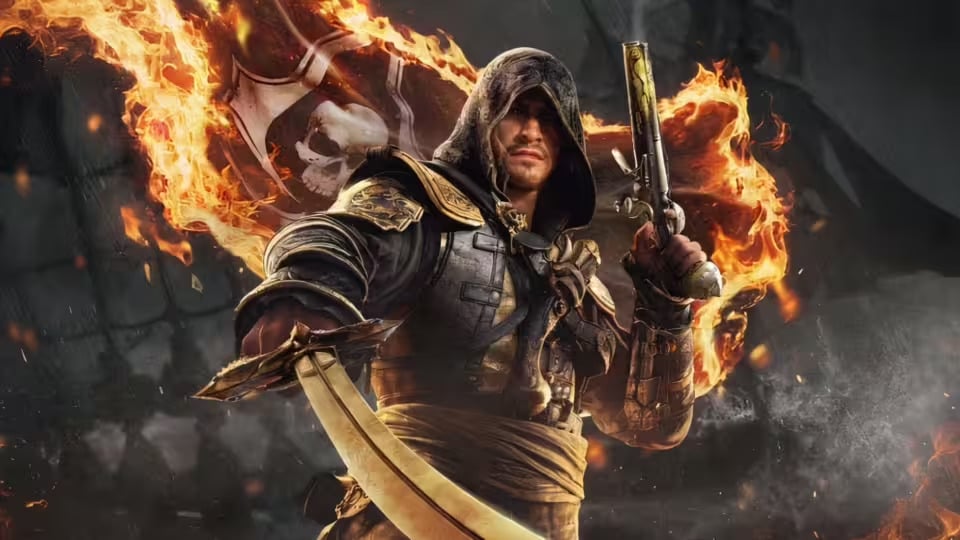
Ubisoft also delayed seven of its upcoming games “to ensure enhanced quality benchmarks are fully met and maximize long-term value creation.” The company didn’t clarify which of those are announced or unannounced, but did specify that one of the delays was an unannounced game planned for launch in the next two months, which indicates it may be the rumored remake of Assassin’s Creed IV: Black Flag.
Other big games that remain MIA are the next Ghost Recon, a multiplayer game called Assassin’s Creed Invictus, and, of course, Beyond Good and Evil 2.
More gen AI NPCs?
Ubisoft revealed a lot of upcoming pain to shareholders on Wednesday, like a $386 million gross margin reduction for its current fiscal year ending March 31. So it’s hard to know whether the company’s tease of more gen AI investment is just an attempt to throw them a bone, or something it’s actually serious about as an exercise in “value creation” for gamers. The company promised “accelerated investments behind player-facing Generative AI.”
After failing to cash in on emerging technologies like cloud streaming and blockchain NFTs, Ubisoft promoted LLM chatbot NPCs at GDC 2024. It then returned to the idea late last year with AI-powered squadmates in a tech demo that looked very Tom Clancy-ish. “Games of tomorrow will listen, understand, and react to players far more than today, and our research gives a glimpse of what adaptive, generative play could add on top of proven game systems,” Ubisoft director of GenAI gameplay Xavier Manzanares told Variety at the time. “It’s the first time we’ve shared an experiment this early with players, but our goal is to pave the way with a strong technology layer so our creators can start imagining the value it could bring to their project and players.”
Whether that value becomes real or stays imaginary, things seem likely to get tougher for Ubisoft before they get better.
Update: 1/21/2026, 1:17 p.m. ET: Added more information, including about changing remote work policies.