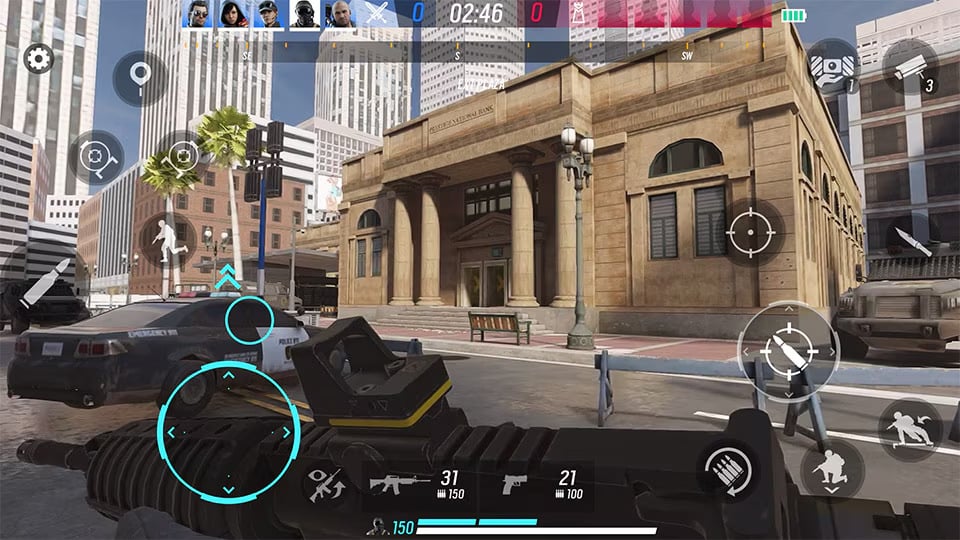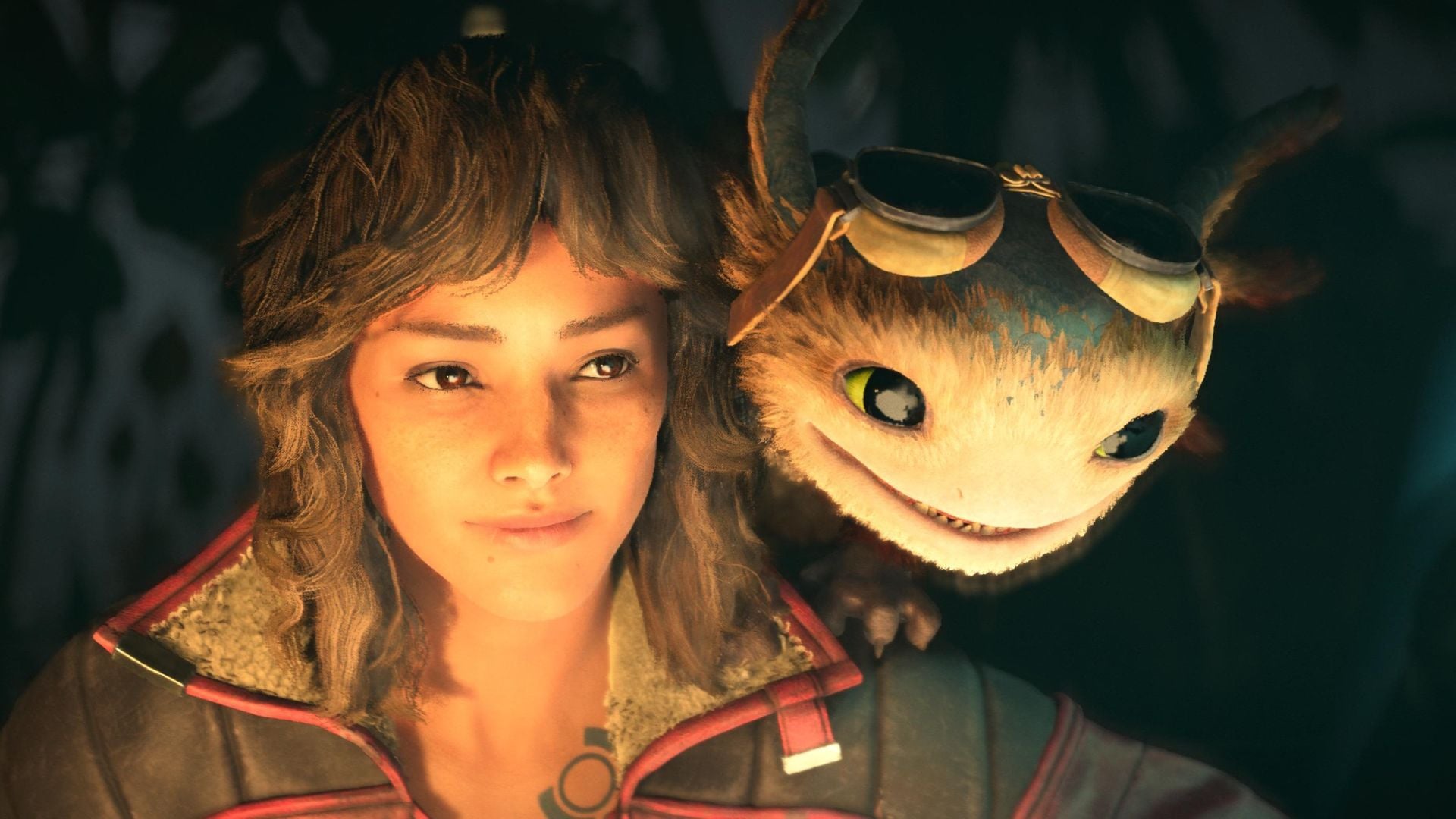
In the wake of the awful firings across Microsoft’s Xbox development teams, it’s easy to forget it’s not the only major gaming company that’s restructuring its studios in an effort to make some money. Ubisoft has spent much of 2026 doing the same, resulting in grim job losses and studio closures, and a confusing reorganization that resulted in temporary business names like “Creative House 2.” Now that very title is set to be replaced with the name of one of Ubi’s more successful teams, Massive Entertainment. The group is to be in charge of a wealth of Ubisoft franchises including The Division, Ghost Recon, and Splinter Cell, as well as the MOBA March of Giants recently bought from Amazon and various unannounced projects, presumably including whatever Massive was working on following Star Wars Outlaws.
Ubisoft has often developed games by having multiple teams worldwide working together. This new structuring follows that tendency, putting Ubisoft Paris, Montreal, and Toronto, as well as Massive Entertainment itself, all under the Massive brand. That leaves this group responsible for most of the Tom Clancy titles (Division, Splinter Cell, and Ghost Recon, but not Rainbow Six), alongside March of Giants and unspecified “new original IP.” The rest of the enormous publisher’s games are spread across five other “creative houses,” including the Ubisoft-Tencent joint venture Vantage Studios, and the yet-to-be-better-named Creative Houses 3, 4 and 5.
In July, Ubisoft announced that Creative House 2 was to be helmed by Cristoph Hartmann, a 20-year veteran of Take-Two Interactive and the co-founder of 2K Games who also did a brief stint as VP of the beleaguered Amazon Games. He was joined last week by former Avalanche chief development officer Natalie Francis as studio manager in Massive’s Malmö office. Now that Swedish city appears to have become the capital of the network of teams.
Massive growth
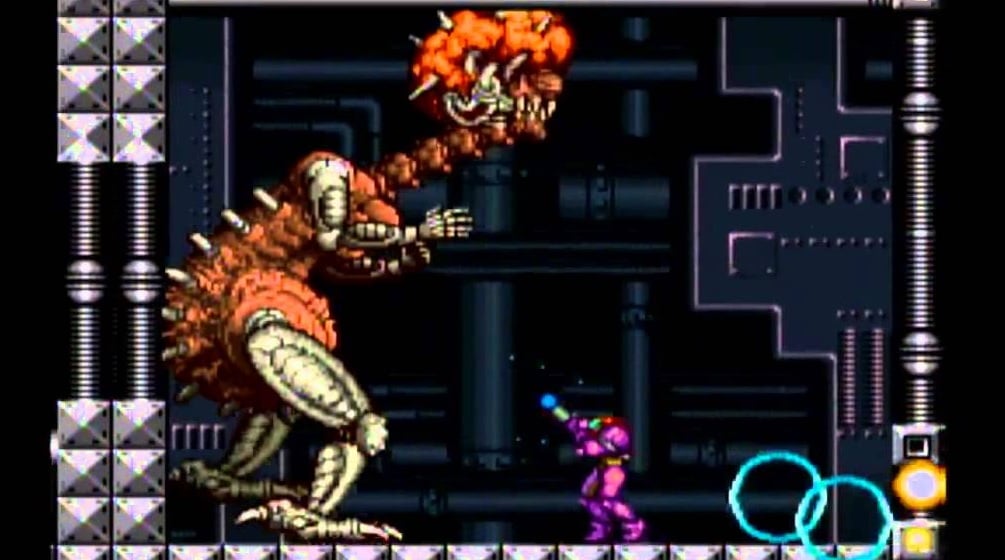
Massive is unrecognizable today from its 1997 origins. Originally launched by a team of former students in the tiny town of Ronneby, Sweden, it first released the astonishingly great RTS game Ground Control, followed by World In Conflict after being bought by Vivendi. In 2008 Massive was bought by Ubisoft, when it was put on sale following Activision’s merger with Vivendi, and inevitably got rolled into the sausage factory, no longer working on its brilliantly inventive strategy games but supporting development of Assassin’s Creed and Far Cry titles. It then took the lead on 2016’s The Division, developed the Avatar tie-in Frontiers of Pandora, and then created the eventually-splendid Star Wars Outlaws.
I visited the original studio in 1997 during the development of Ground Control, and the two are incomparable. I reached their Ronneby studio by tiny prop plane that flew from Copenhagen exactly at the height of turbulence for an hour, where the in-flight food was the pilot offering around a tin of cookies. The airport looked like a small elementary school, and customs was a guy sitting on a wooden chair in a hallway. It was the best. Massive was formed there because it’s the location of Ronneby kunskapskälla, a school where most of the development team had studied. Now the company is based in Sweden’s third-largest city, where it represents a significant proportion of the area’s employment.