Sitting opposite the director of Final Fantasy VII’s remake trilogy, Naoki Hamaguchi, in a makeshift cardboard meeting room erected at Gamescom 2026, I notice that the deceptively youthful-looking developer appears visibly at ease. With Final Fantasy VII Revelation now just months away, his decade-long Remake project will soon come to an end. As the bespectacled creator thoughtfully smiles and slouches comfortably in his chair, his sense of relief feels almost palpable.
When I interviewed him three years prior in the run-up to Rebirth, the (then) 42-year-old creative seemed tired, giving answers that were considered but brief. Today each question posed to him is rewarded with a lengthy and thought-out response, his answers delivered with not just a sense of enthusiasm, but clear pride at what his team has achieved.
A decade younger than Remake’s co-director, Tetsuya Nomura, Hamaguchi-san grew up playing Final Fantasy VII at university, so he lends the project not only a fan’s perspective, but a (relatively) youthful exuberance. It’s clear that this project—leading a remake of one of the games that shaped him—meant a lot to Hamaguchi-san. Now, unburdened with the task of remolding a classic, he reflects on the themes of the original and ponders what’s next for Final Fantasy. He appears not worn out, but energized.
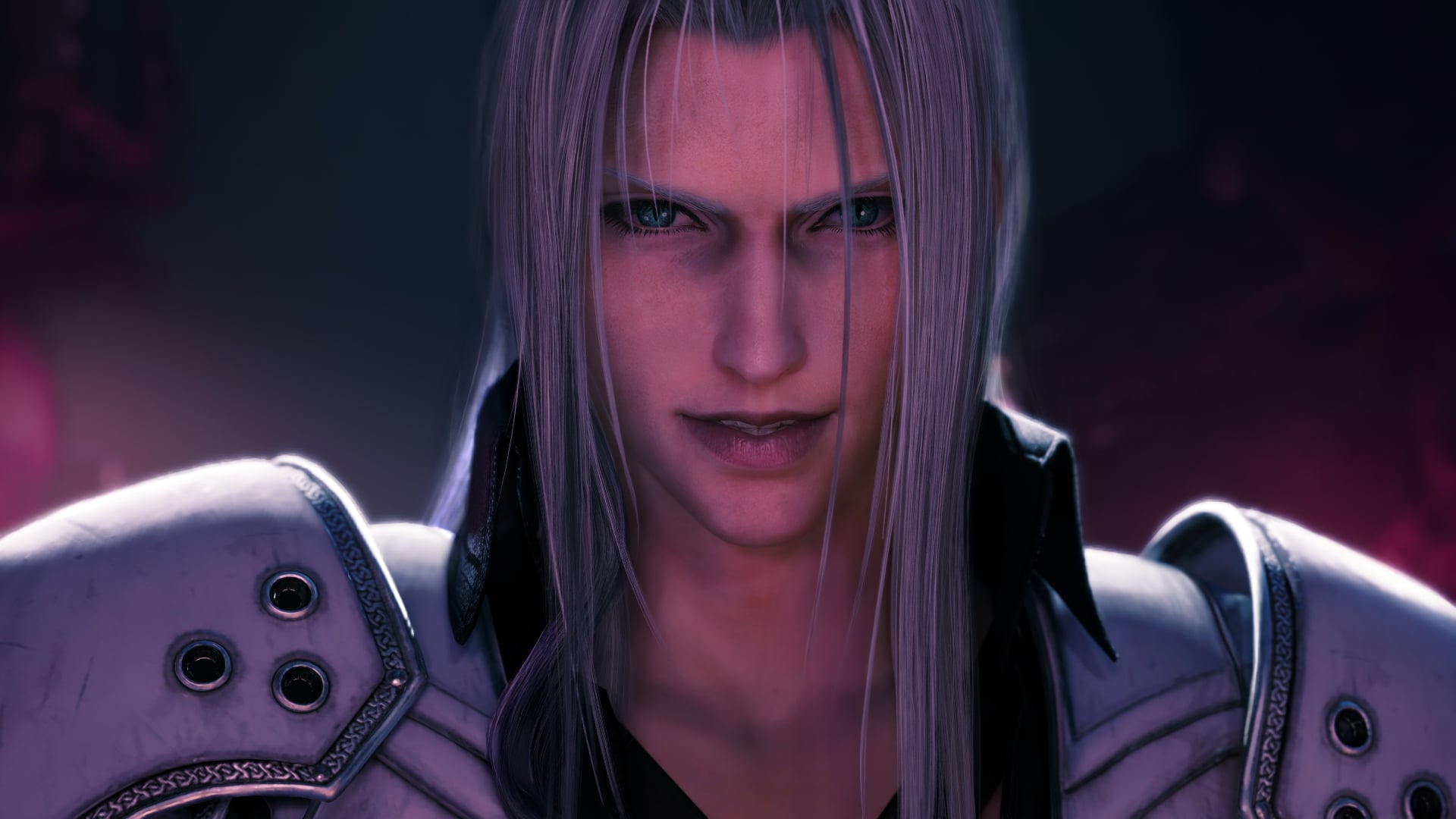
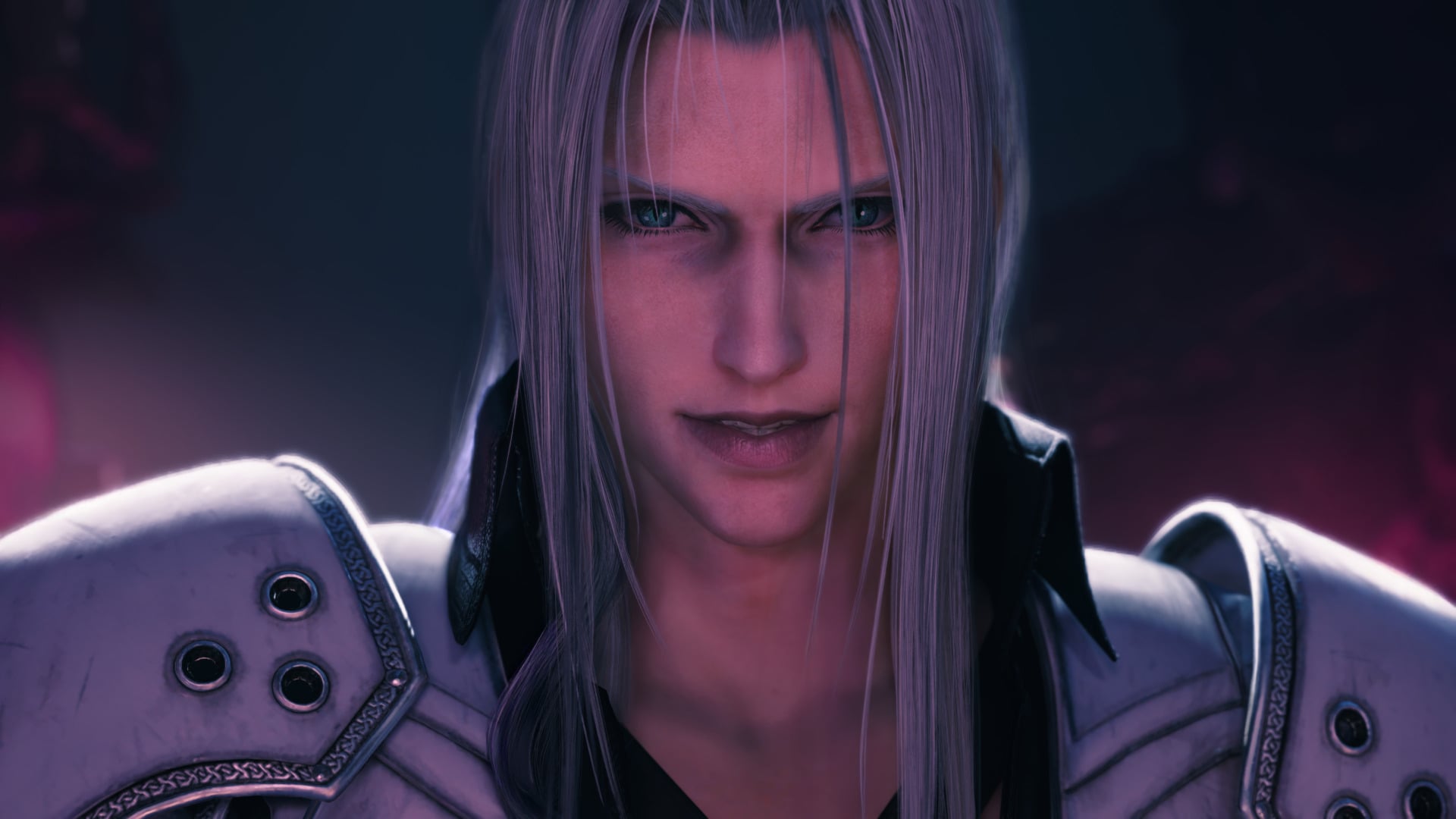
While he and the team prepare to say their farewells to Cloud and Sephiroth, our chat suggests that Hamaguchi-san’s wider Final Fantasy game development adventure is only just beginning…
Tom Regan, Kotaku: It’s been quite a journey to get here. How does it feel to now be just months away from wrapping up this remake trilogy?
Naoki Hamaguchi: I always think of myself as the fan who is closest to the production of the game. I’ve been involved in developing the series for 10 years now, and we are finally coming up to the final entry. From my personal view, I really believe we’ve made something that will satisfy the fans. Hearing positive feedback is wonderful, but as a piece of entertainment, critical feedback is completely natural too. My perspective has always been to give fans the game they truly want. I’m very confident in that and convinced by what we’ve built. I just want to see them enjoying it as quickly as possible.
Regan: The scale of each entry of this trilogy has grown over time. You said that Revelation is the biggest game in the trilogy; was that always the plan right from the start?
Naoki Hamaguchi: If I wanted to sound cool, I’d say, ‘Oh yeah, right from the beginning, we planned exactly how all three games would be structured.’ But the actual answer is that we had to focus completely on whichever entry we were working on at the time. We focused entirely on Remake, then entirely on Rebirth, and then moved on to focus completely on Revelation. However, there was one underlying theme throughout all of development: I was very specific about the fact that the gameplay experience had to evolve across the series. If it didn’t change, fans wouldn’t be satisfied and would drop off partway through.
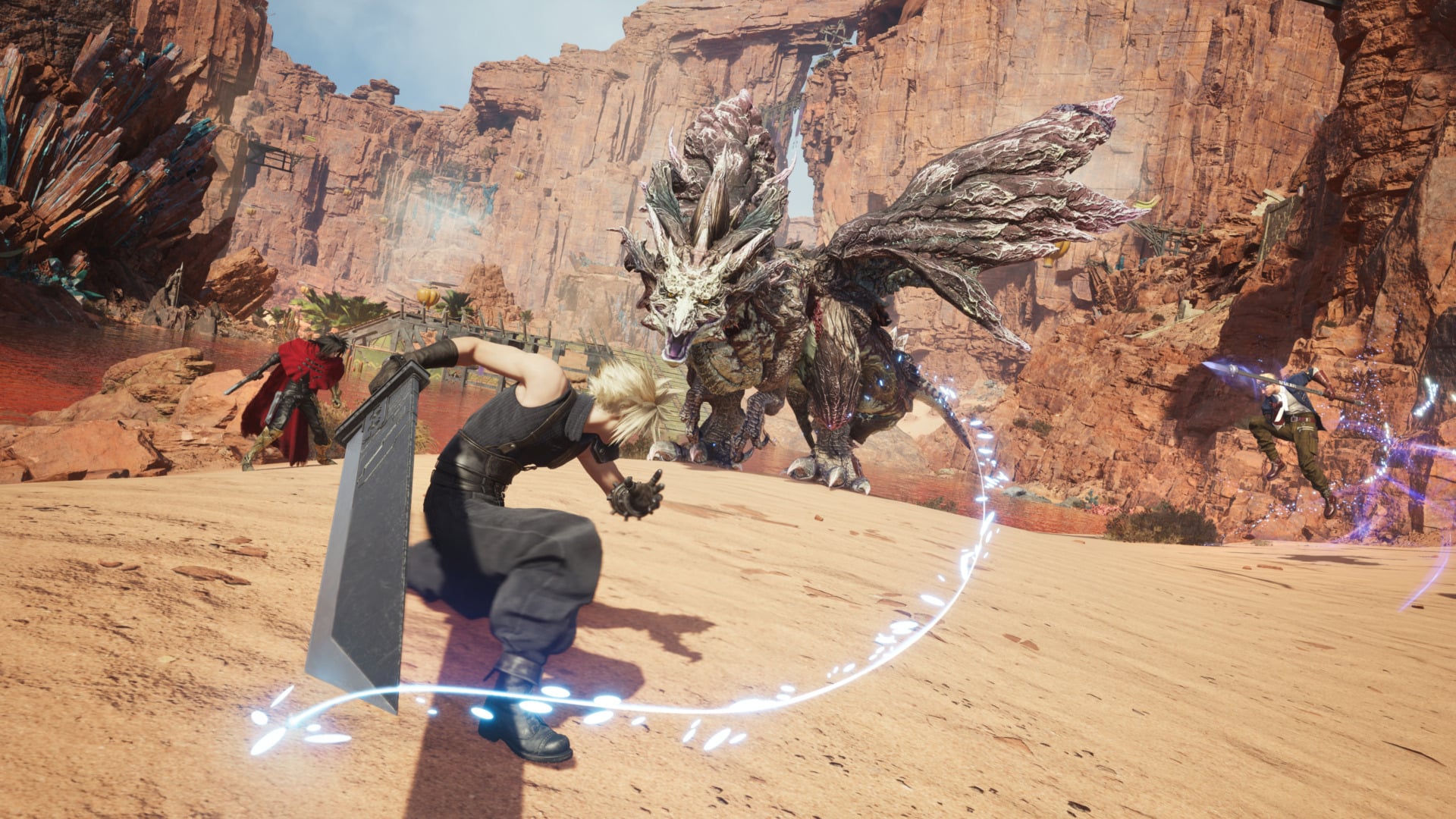
Regan: Rebirth was a massive and generous game, but I think one of the criticisms of it was that the main story got lost amongst all the generosity of the side quests, and the main story pacing maybe suffered a bit. What would you say to that?
Naoki Hamaguchi: You get some people who say, ‘I prefer turn-based games,’ while others say, ‘No, I want a real-time action RPG.’ Similarly, with content volume, some players prefer a linear game where they are led directly through the story, while others want more freedom and side content. In my view, having a massive amount of content isn’t inherently a flaw in game design—it comes down to personal player preferences. That said, we didn’t just ignore feedback and say, ‘We’re making a game with a lot of content, so we don’t care what critics say.’ Not at all. One major takeaway from Rebirth was learning how to improve the way players relate to that large volume of content.
It comes down to player motivation—why they feel they need or want to do side content. In Rebirth, almost everything was structured around the Materia development system. Because that was how you powered up your characters to get stronger in battle, players who wanted the strongest characters felt obligated to complete all the side content just to get those power-ups.
For Revelation, we split up the reward structure for different types of content and now clearly communicate to the player what each activity rewards, allowing them to pick and choose. All battle-related content that grants party power-ups is strictly tied to battle-oriented tasks. Meanwhile, mini-game rewards are limited to mini-game customizations or flavor items like character and weapon skins. Players can look at the rewards, decide what they care about, and only engage with the content they truly want to play.
I’m not saying this is the ultimate, perfect way to design an open-world game, but it’s a key lesson we applied from Rebirth to leverage a massive amount of content without making it feel like a chore.
Regan: The 1997 original was ahead of its time in terms of its climate-change message. Remake’s story emphasized that, and since then climate change in the real world has only worsened—the last 12 months alone featuring multiple climate-related disasters. Has this stark reality resulted in a stronger environmentalist message in Revelation?
Naoki Hamaguchi: There is definitely an environmentalist message in the game. I think that is one of the original game’s themes. Environmentalism is [still] a major theme [in Revelation], but the core of Final Fantasy VII has always to me been about the cycle of life, and the conflict born from siphoning that life energy as a resource. It was important to preserve that core in the remake. Tying entertainment too directly to modern political stories can take away from its appeal and make it very much of that time; we prefer to keep our story’s message general, metaphorical, and timeless.
Yet one other thing that working on the Remake project really brought home is thinking about its other very current-feeling themes. Final Fantasy VII has a lot of diversity. These days, those are big topics and everyone is aware of them; social media gives everyone access to that information. But thinking back, Final Fantasy VII was way ahead of its time when the original was made. Especially in Japan, finding information about things happening abroad back then was not easy. To think that Mr. Kitase and the team put together a game where you see diversity—the variation between party characters, cultures, and people around the world—30-something years ago makes my respect for him even higher.
Regan: If not environmentalism, what other story themes can we expect to play out more prominently in this final chapter?
Naoki Hamaguchi: The main theme of Rebirth was the bonds between characters. For part three, the core theme is resolution and determination. As the characters make their final preparations for the ultimate battle to end the series, each carries internal doubts and worries. They have to find their personal motivation and reason to fight. I wanted to make sure players could shape and influence that internal journey through their choices in the game.
Where Rebirth focused on party dynamics, Revelation dives deep into each individual character’s internal world. For almost every side quest you take on, you’ll be faced with a choice of which character to send on the mission.
It goes far beyond just minor dialogue variations. Depending on the character you choose, the events of the quest, the actual gameplay actions required, the conclusion, and how it impacts the story will change drastically. We wanted to give players difficult choices where they have to decide whose storyline to pursue.
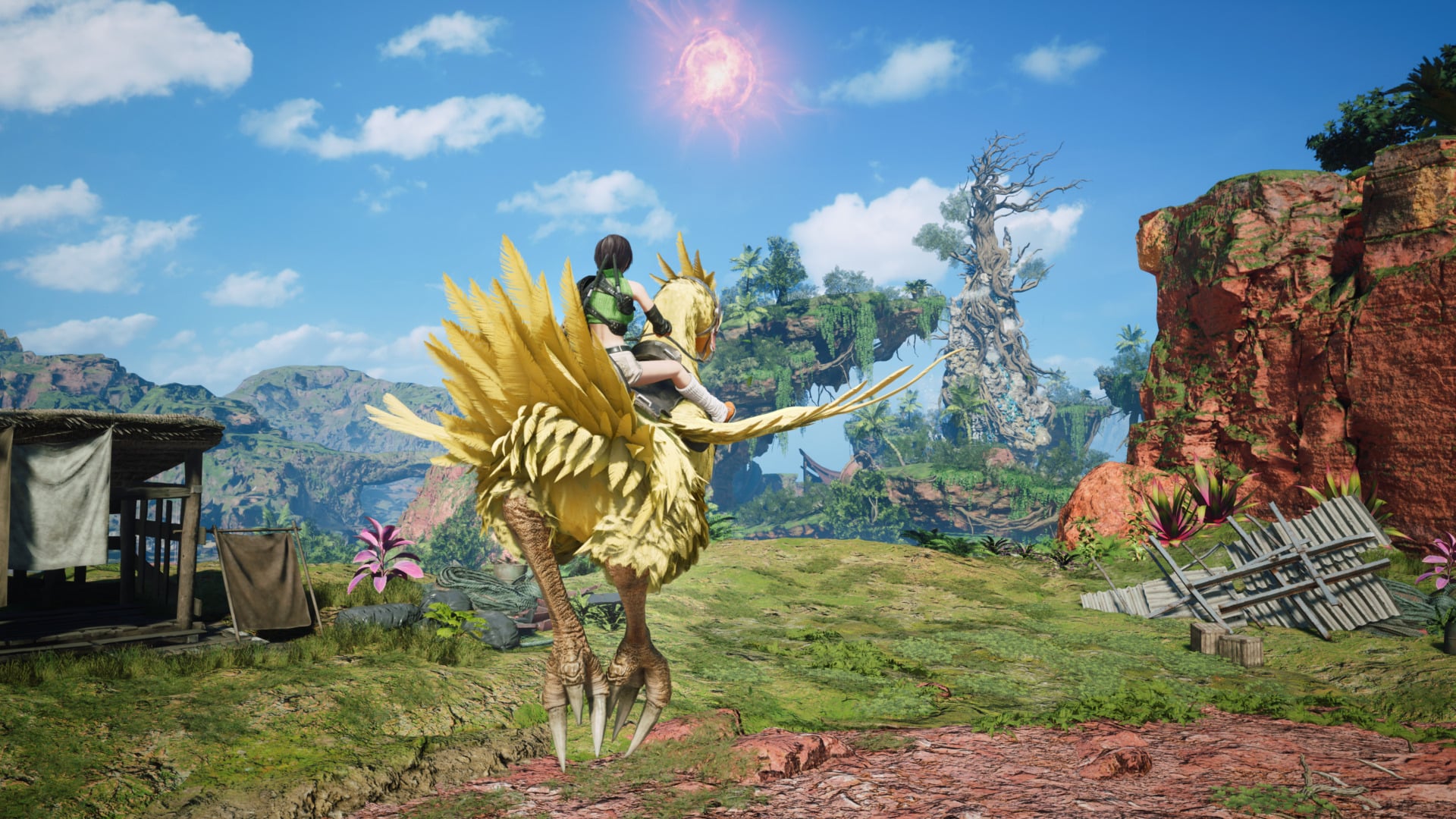
Regan: The Highwind airship seems incredibly ambitious. In the original you could travel the full map in seconds; now the scale is far bigger. How did you ensure that there is always something interesting for the player to find at greater scale?
Naoki Hamaguchi: One thing I’m really proud of with the Highwind airship is that I think almost no one else has ever done an open-world gaming experience that feels like it’s a whole planet. There’s lots of really great open-world games out there that take place in a certain region but it’s not a whole world. It’s one part of a bigger location. This is an open planet and I think we’ve achieved something quite unique here with the way the game’s structured. Getting that balance is such a fine line to walk.
As you say, if we actually made it at a real planetary scale, then ever getting anywhere would take way too long. You’d be flying the airship for hours. It would feel like work. But I think we have got it to feel just right. It feels like a global-scale adventure. You are traveling around the world, but it’s still not over the top or stressful as a game experience.
Regan: The franchise has changed so much over the years, especially with these three entries. The new combat system is incredible, and it’s shown us a different side of Final Fantasy. Can we expect the future Final Fantasy titles will learn from this more action-focused trilogy?
Naoki Hamaguchi: What I really wanted to show the world with the Final Fantasy VII remake series was the potential of Final Fantasy—what it can be. I don’t see this as a negative at all, but it was being recognized as a JRPG, which is a very specific category. The fun and appeal of those games is in the linear storytelling, the characters, and the battle systems. Turn-based mechanics are heavily tied to that, and that’s great in its own right.
But I wanted to show that Final Fantasy can go beyond that to be a global, competitive action RPG, open-world-style game. Those are the big things in the gaming world at the moment and I want to show that Final Fantasy can compete in the same ring as all the other big global IP—and that we can even improve on [them].
Evolving through Remake, Rebirth, and Revelation—involving the gameplay, the systems, and how we approach that style of game—is the flag I wanted to plant for the future. It can be broader, it can be bigger, and we can be that too. I’m satisfied we’ve reached the goal I wanted to achieve.
I don’t want people to misunderstand me—I’m not criticizing JRPGs at all. They’re great…What I want to show is that Final Fantasy doesn’t have to be a traditional-style JRPG. We created the baseline showing we can have a different style of gameplay, but we know we can do the traditional stuff too. It’s up to each individual project to choose what’s best. Final Fantasy is not a JRPG because it can only be a JRPG; it’s because that’s the better choice for that game. That’s where I want to be.”
Regan: Now that the game is almost done, is there anything else you wish you could add to this Remake trilogy?
Naoki Hamaguchi: I’m approaching the development of Revelation as if there’s never going to be another Final Fantasy VII game….no spin-offs… no DLC in the future. I’m not going to say whether there actually is or not…But we’re making it as if everything we have for Final Fantasy VII is going to be put into this game. That’s why I’ve got this confidence, and I think we’re going to beat the original’s legend. We’re going to become the new legend.