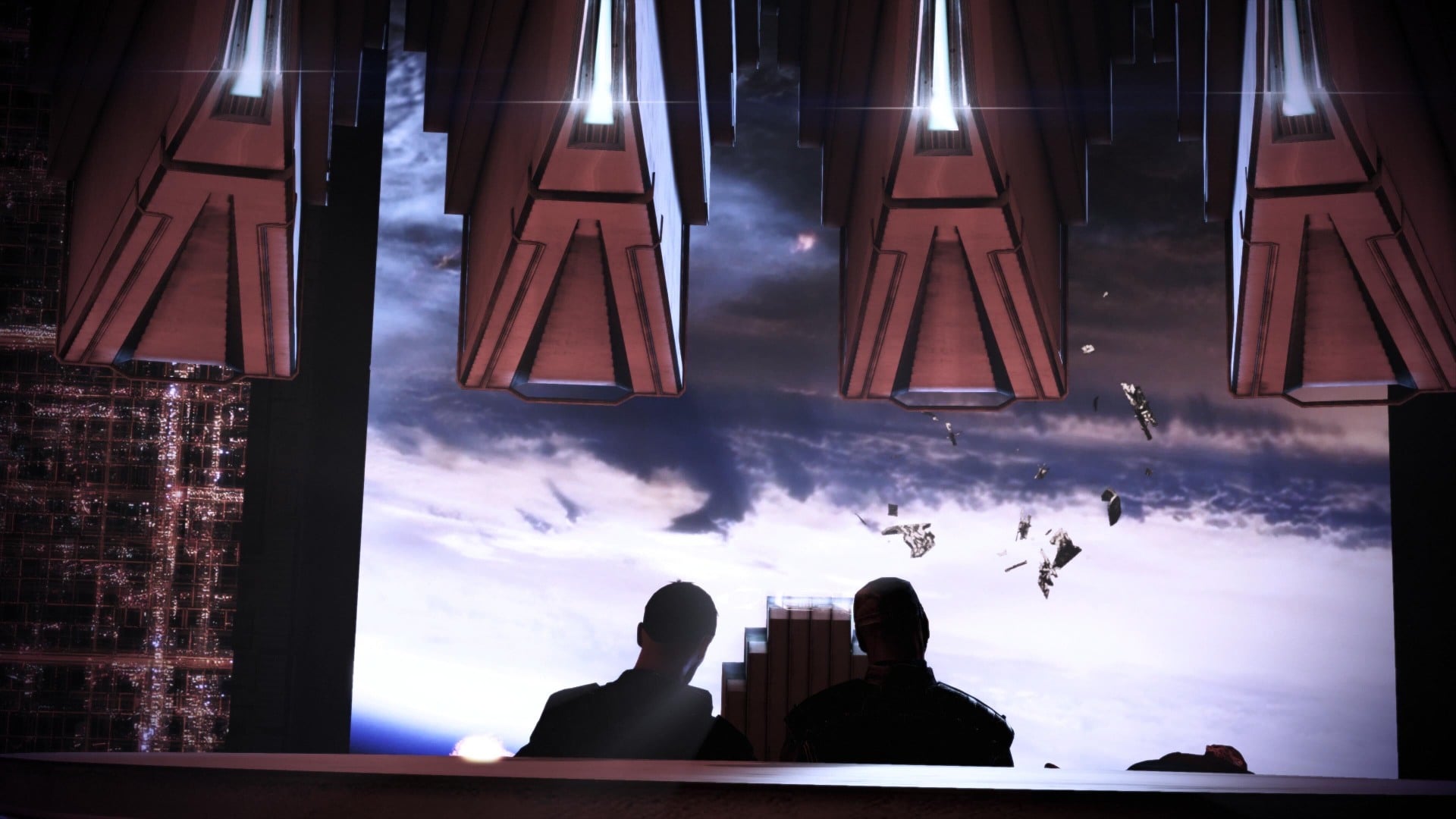
For years now, every time I’ve taken a day off or a full-blown vacation here at Kotaku or my previous job, there was always a nagging feeling in the back of my mind: “What if BioWare shuts down while I’m gone?” Much of my career has involved talking about this studio’s work, and with every step I heard publisher EA’s executioner take toward the Mass Effect and Dragon Age studio’s execution block, I worried more and more that I wouldn’t be working that day to write about the end of a studio whose work pretty much put me where I am today. Now, that day has come, and even though I’d braced for it, I’m still gutted and angry, because things didn’t have to be this way.
On a professional level, I run a semi-popular podcast about BioWare games, and cut my teeth writing about how games like Mass Effect and Dragon Age allowed for levels of player expression you wouldn’t find in most AAA games. In a way, my entire ethos about what roleplaying in video games is was born out of playing and thinking about these games.
Personally, however, I don’t think I’d be the person I am today without playing Mass Effect 19 years ago. Inhabiting Commander Shepard was a journey of self-discovery that I wasn’t about to get anywhere else in the podunk boonies of north Georgia. I have left time capsules of who I was in every game that followed. My angriest version of myself exists in Shepard and my Inquisitor from Dragon Age: Inquisition. The hopeful person I try to be now lives in my Ryder and Rook from Mass Effect: Andromeda and Dragon Age: The Veilguard. There are thousands of stories like mine, with these series acting as gateways into communities the people who played them might not have found otherwise. Whether you loved every game the studio made or not, BioWare’s worlds and characters brought people together in a way that a lot of developers can’t claim. Even games that are decades old now have stayed in the hearts of those who found themselves and others through them.
But, nevertheless, I, and every other fan of BioWare, saw the way EA jerked the studio around for years, gradually whittling away the core of what made the studio so influential as it started chasing open-world and live-service trends with Inquisition, Andromeda, and the much-maligned loot shooter Anthem. 2024’s Dragon Age: The Veilguard, which will now go down in history as the studio’s final game, seemed like the work of a studio that had managed to sort out its identity crisis and return to what it was always good at: making character-driven roleplaying games that allowed players to define who they were in these worlds, influencing it where they were able, and facing the consequences where they couldn’t.
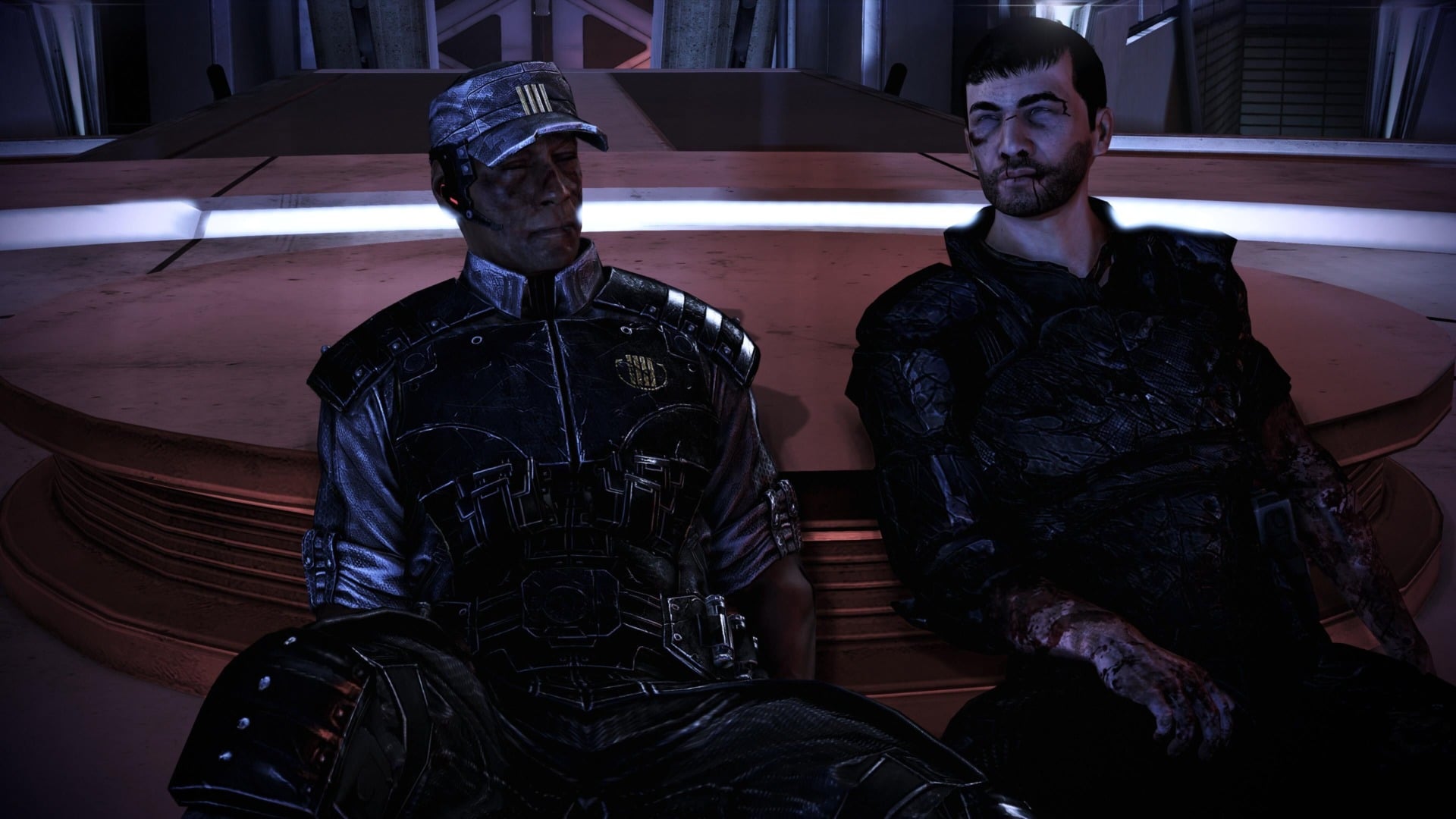
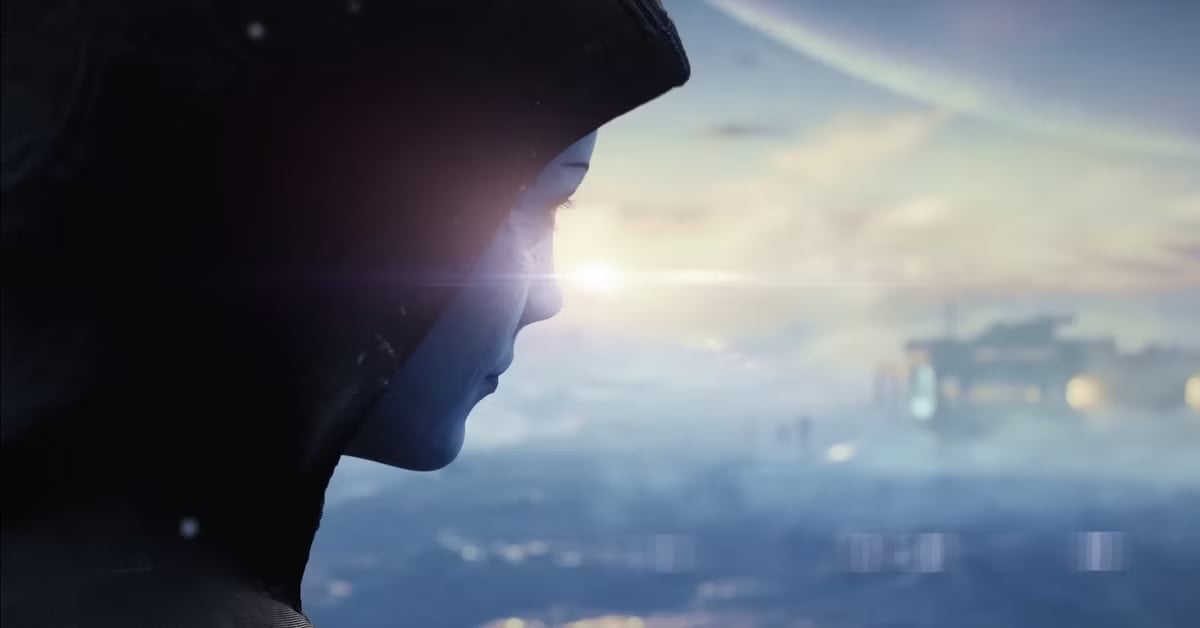
Dragon Age: The Veilguard was divisive in its own ways, but even those who didn’t care for it could likely at least see that this was BioWare getting its head on straight. It was enough to generate hope that maybe Mass Effect 5 would be the real return to the kind of greatness it hadn’t been able to reach for a decade. BioWare veterans admit that some of this dysfunction was due to internal management problems, and that EA’s influence and snowballing live-service expectations weren’t entirely to blame, but nevertheless, EA has now ended any possibility of BioWare making good use of the better footing it was on in 2024, when it was finally able to ship The Veilguard and focus on the next Mass Effect. Layoffs followed under the guise of making BioWare a more agile, one-game-at-a-time studio, and now, we won’t even get to see what that team envisioned, and the people in power get to frame this as a change in “priorities,” washing their hands of an entirely avoidable mess they helped create.
One of the most influential developers in the western RPG scene is gone, a reliable space for queer fans has been ripped from their hands, and some of the most vibrant worlds in video games are likely to be hoarded and distorted by the big-business equivalent of a dragon sitting on top of a mountain of riches. The best case scenario was that BioWare could have been sold to a new owner and set free to work without the looming threat of whatever heinous penny-pinching whims the already insatiable publisher felt like enacting that day. EA execs and private equity bean counters may offer a multitude of justifications for why this happened, and bigots may call this a win because they were mad a non-binary character was in a game they weren’t going to play, but regardless of what suits with no imagination say, make no mistake: It didn’t have to end this way.