On Tuesday, August 4, Electronic Arts was officially sold for $55 billion to Saudi Arabia’s Public Investment Fund (PIF), Silver Lake Partners, and the private equity firm Affinity Partners, which is owned by Donald Trump’s son-in-law, Jared Kushner. The deal was first announced in September of 2025, and now that it’s finally happened, many workers and fans are anticipating mass layoffs as EA seeks to service $18 billion in debt, with the publisher telling debt investors that it would cut $170 million in costs through new “organizational efficiencies,” according to reporting from Bloomberg. Sources tell Kotaku that while said investors have been made aware of these plans, the company has kept its workers in the dark about the potential for cuts.
EA held a town hall presentation for its global workforce the day after the deal closed. According to sources who viewed it, executives spoke about the change in broad terms but did not go into specifics, or acknowledge the ongoing concerns about layoffs, and told developers its new “partners” would not be involved in making creative decisions. Since the announcement of the acquisition, many fans and developers of queer-inclusive series like Dragon Age and The Sims have expressed concern that EA’s games may no longer allow same-sex relationships, feature trans-inclusive design, or have any sort of queer representation due to Saudi Arabia’s criminalization of same-sex relationships and transgender expression. Only time will tell if this claim that the new owners will not be making creative decisions will prove true.
Sources also tell Kotaku that there was a Q&A segment at the town hall in which the company answered questions that those sources suspect of having been composed by the executive team, because there was no discussion of the layoffs or budget changes that employees are concerned about.
“I think we’ve learned to expect nothing from town halls that wouldn’t be in a press release,” one source tells Kotaku. “And the EA employees who don’t work on one of the frequently mentioned ‘pillar’ IPs of sports, Battlefield, Sims and Apex Legends have been waiting for the axe for a year and still don’t know it’s going to come.”
For workers, the wait has been agonizing, but for fans who have long looked at EA games such as The Sims, Apex Legends, and the RPGs of BioWare as some of the few releases in the AAA space where they could consistently find queer characters and stories, there’s nothing left to wait on. As far as they’re concerned, EA being owned by the Saudi government and the extended family of President Donald Trump marks the death knell of the company’s surprisingly consistent championing of queer characters and storytelling.
Kotaku spoke with fans of EA’s studios and particularly of the queer representation in its games, and they all had similar stories. Whether it was meeting love interests in Dragon Age, realizing they could make same-sex pairings in The Sims, or becoming deeply invested in the visibly queer Legends of Respawn’s hero shooter, all their lives had been profoundly impacted by EA’s surprising track record of trailblazing LGBTQIA+ representation over the past few decades. Some used these games as a vehicle for self-discovery, while others found community in their fellow queer players.
“I was a ‘92 baby; games were just starting to enter the mainstream and I had a rough childhood so needless to say, even from a very young age the storytelling potential of games was important to me,” Kabu, a nonbinary Apex Legends fan, tells Kotaku. “Apex Legends came along at a time when as a queer person I really needed it; things were starting to look pretty bleak for queer and trans people in the U.S. (looking back to 2019, that was really just the tip of the iceberg, huh). I was feeling incredibly disenchanted with gaming as a whole. Then someone mentioned to me in passing that one of the characters in Apex was nonbinary. Feeling some of my hopelessness quelled by the idea that there were still game devs out there who cared about diverse and interesting characters, I opened the game on launch day, chose Bloodhound, the nonbinary hunter, and the rest is history.”
Kabu says that Apex Legends’ treatment of Bloodhound, both in-game, where they’re referred to with they/them pronouns, and out of the game via Respawn’s constant affirming of their identity when transphobes made a fuss online, drew them to the game, and to members of the community who also found comfort and affirmation through the character.
“At its peak, the Apex community was absolutely thriving with loremongers, writers, artists, and content creators,” they said. “When you create a world filled with characters that reflect more than one type of person, you open up doors to your fanbase that wouldn’t have been there otherwise. Through that community I met some truly fantastic, passionate people, took part in multiple creative community projects, and made friends I still talk to daily today.”
At Respawn, we strive to be inclusive in the games we create and how we treat our employees and our players. Inaction is a choice and hurts those we care for. pic.twitter.com/DppcvKrwsW
— Respawn (@Respawn) June 1, 2022
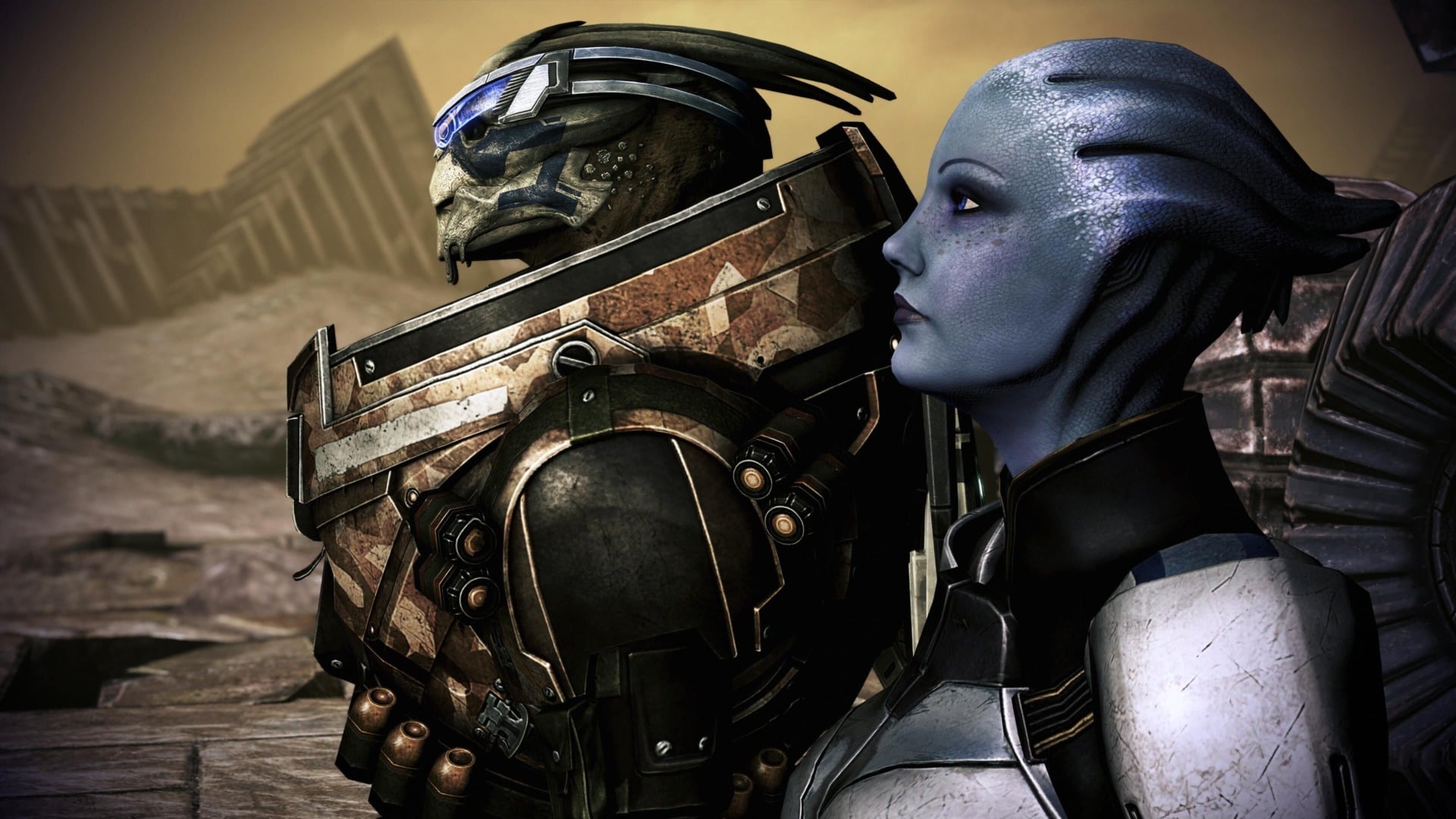
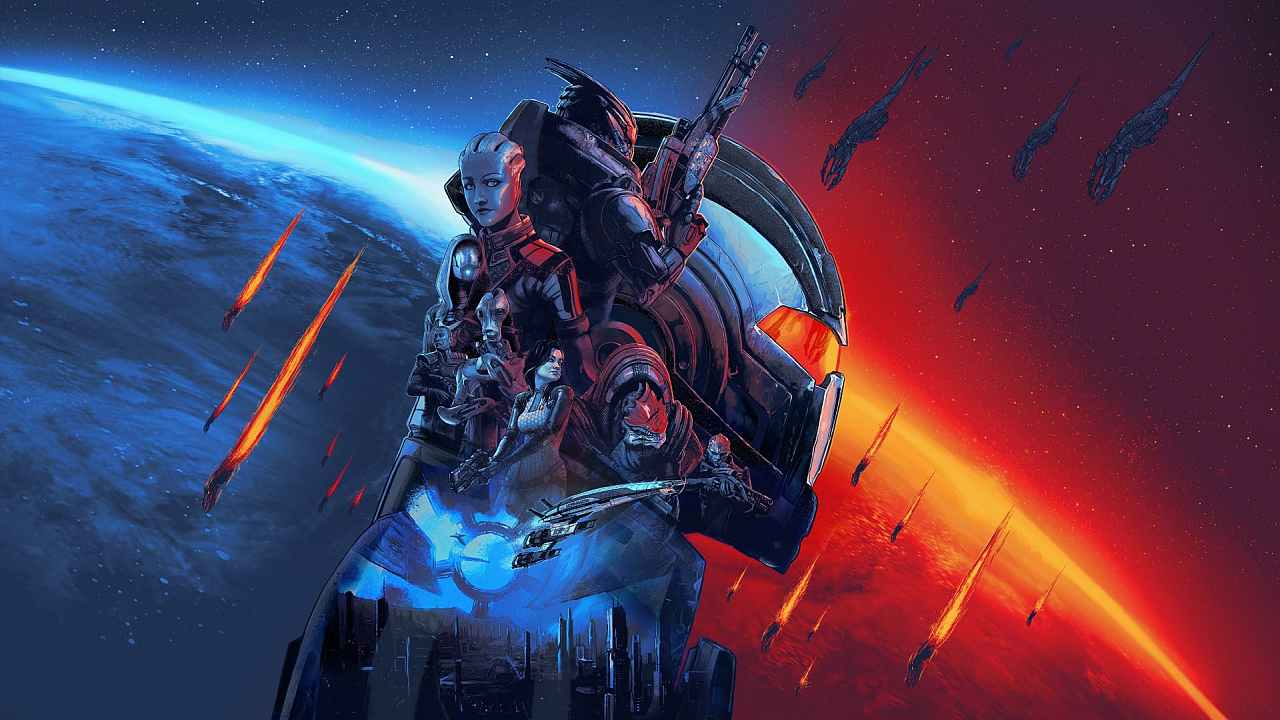
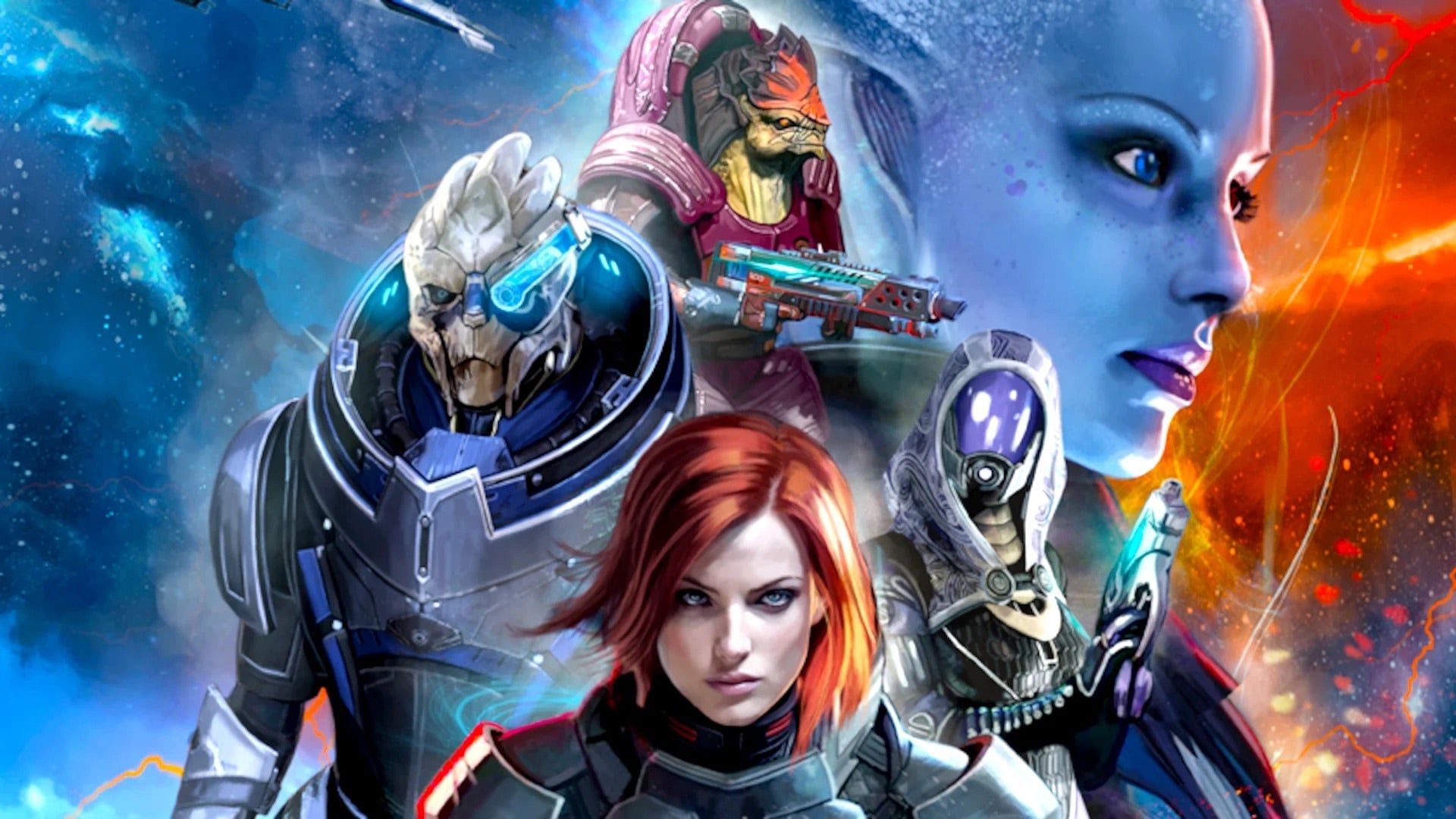
While games like Apex Legends have predefined characters that people connect with, BioWare’s RPGs like Mass Effect and Dragon Age allow players to create their own characters and engage with the world and people around them, creating a safe space for people to explore their own beliefs and desires. Many fans (myself included) cite BioWare’s games as a tool that helped them figure out their own identity, both through the relationships they forge in-game and the choices they make that define who their heroes are.
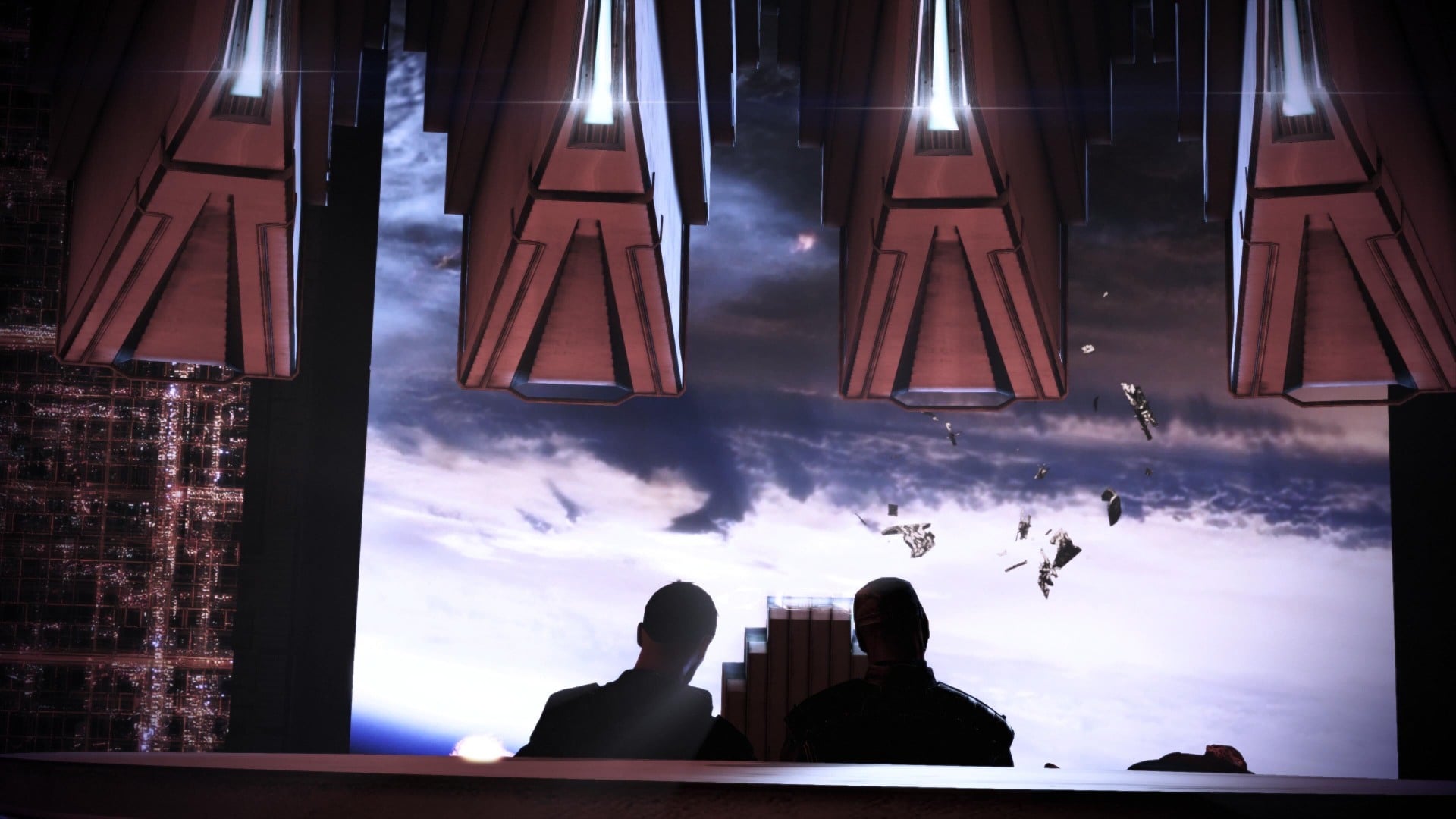
“My relationship with BioWare games, and the romance therein, has played a role in my own discovery of my identity,” BioWare fan WordsMaybe tells Kotaku. “There is no single piece of media that made me realize ‘Oh, I’m bi,’ but surely having a space to play around with non-hetero romance had an impact on me. In particular, the characters of [Dragon Age II’s] Fenris and [Mass Effect’s] Thane are two male characters that I, before even fully realizing my own sexuality, found attractive. Of course, Thane can’t be romanced as a male Shepard without mods, but even so…that man is hot. The sad and dangerous boys got me bad.”
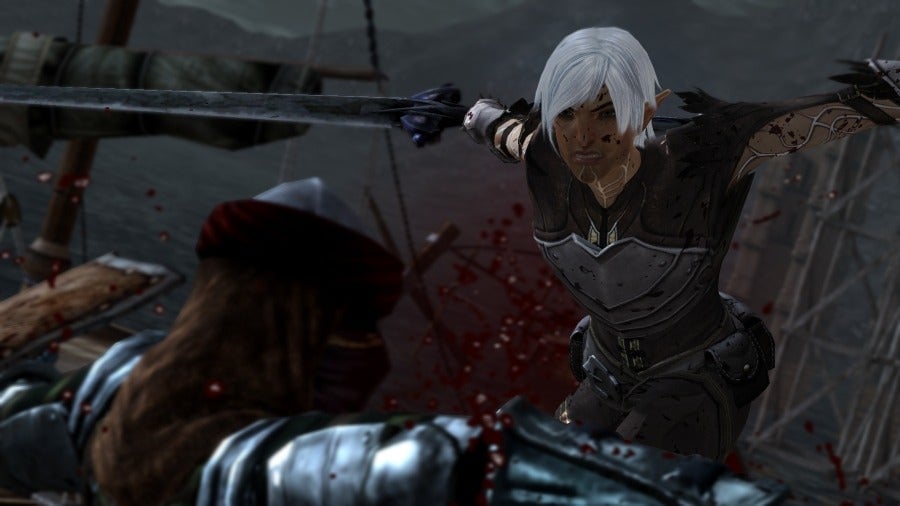
For many players, BioWare games have offered them their first experience of being able to pursue same-sex relationships in an RPG, meaning that its characters not only offer an opportunity for self-discovery, but can also provoke a realization that perhaps something that they were raised to think was taboo wasn’t viewed as such everywhere.
“I met [Dragon Age: Origins character] Zevran, flirted with him a bit, thinking ‘there’s no way they let me do that,’” series fan Sou says. “This was around 2011 and I had grown up in a conservative small town. I only started coming out now that I had moved away, so homophobia and heteronormativity were something I was both used to and struggling with. The fact that my freedom as a player extended to this too, that I couldn’t just be a wizard who shaped the history of the world but also date a guy… I just hadn’t thought this was gonna be in the cards.”
Sexuality is one side of the queer spectrum, but Dragon Age: The Veilguard took things a step further in 2024 when it allowed players to declare themselves transgender, and help party member Taash figure out their own non-binary identity. Early on in Taash’s storyline, the Qunari warrior has a conversation with the player and Neve, the big-city mage, about their challenges presenting as a woman. When Neve finally asks them point blank if they like being a woman, Taash scoffs and says, “No one likes being a woman.”
“I felt like I’d swallowed a hot coal,” Tart, a nonbinary Dragon Age fan and ex-artist at Riot Games, recalls. “Coming to terms with my gender identity was messy. I was angry, and I couldn’t pin down why. I felt this searing hatred at people who were playing with gender presentation that I knew was irrational, i knew in my soul that it was, but it burned in me like an oil fire. I lashed out at people who didn’t deserve it, over mundane things like clothes.”
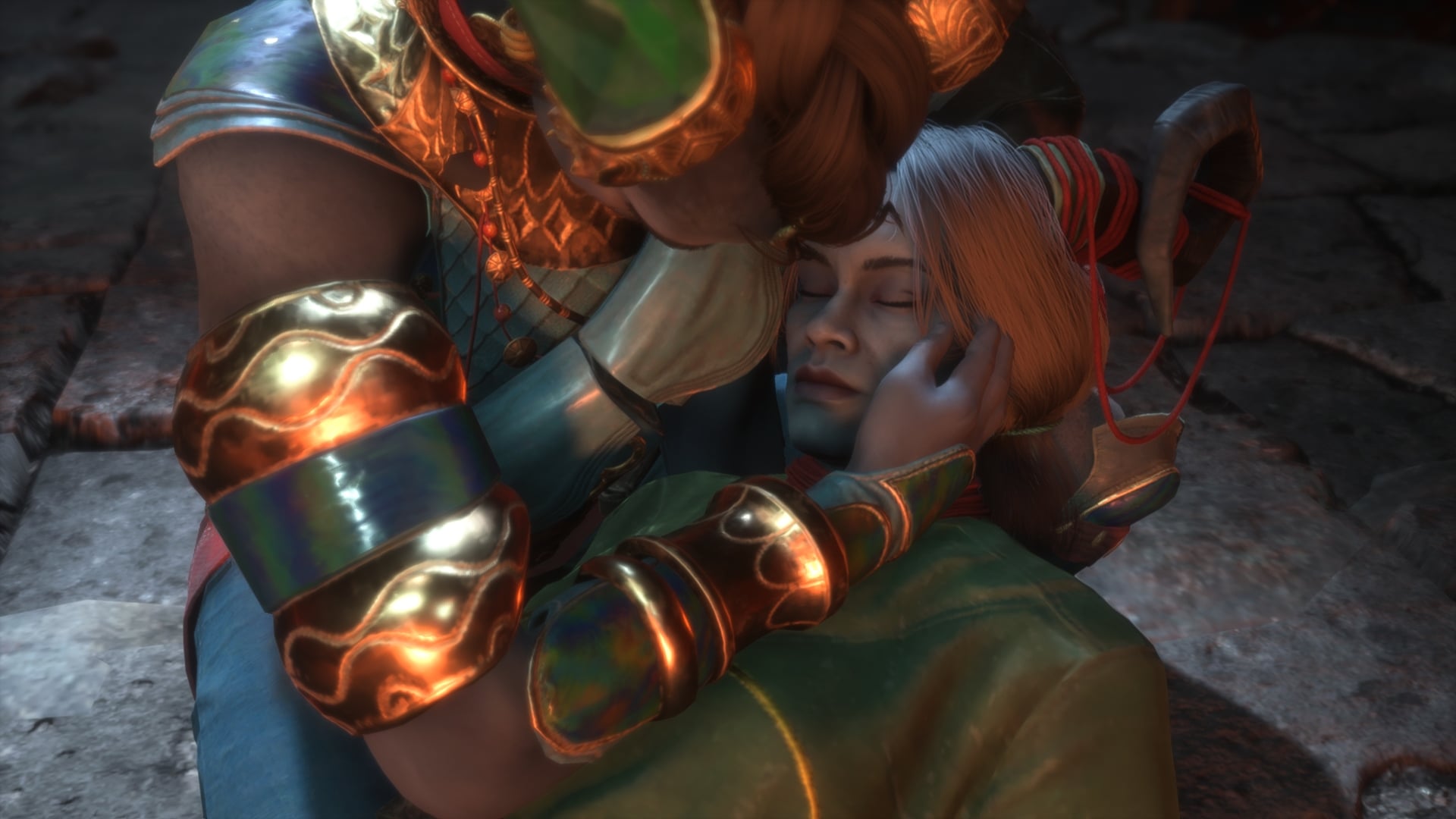
These games offer more than clarity; they give players catharsis and help them wrestle with the complications of their own lives, and Tart found Taash’s storyline of complicated family dynamics especially poignant.
“Taash’s mother didn’t understand,” they say. “I thought of my dad. He didn’t understand—I’d never worked up the strength to tell him. I couldn’t bear the terror that he might not be able to love me if he knew. I didn’t want to destroy what relationship we had left. Taash would lose their mother suddenly, and a year later [after] Veilguard’s release, nearly exactly, my dad would die suddenly. I never told him. Now, I never can. I wondered if on the other side of the screen, Taash’s writer had the same regret that I’d live with forever now. Just before her death, Taash’s mother used their pronouns. I’ll never know if my dad would have. I miss BioWare. I miss Dragon Age.”
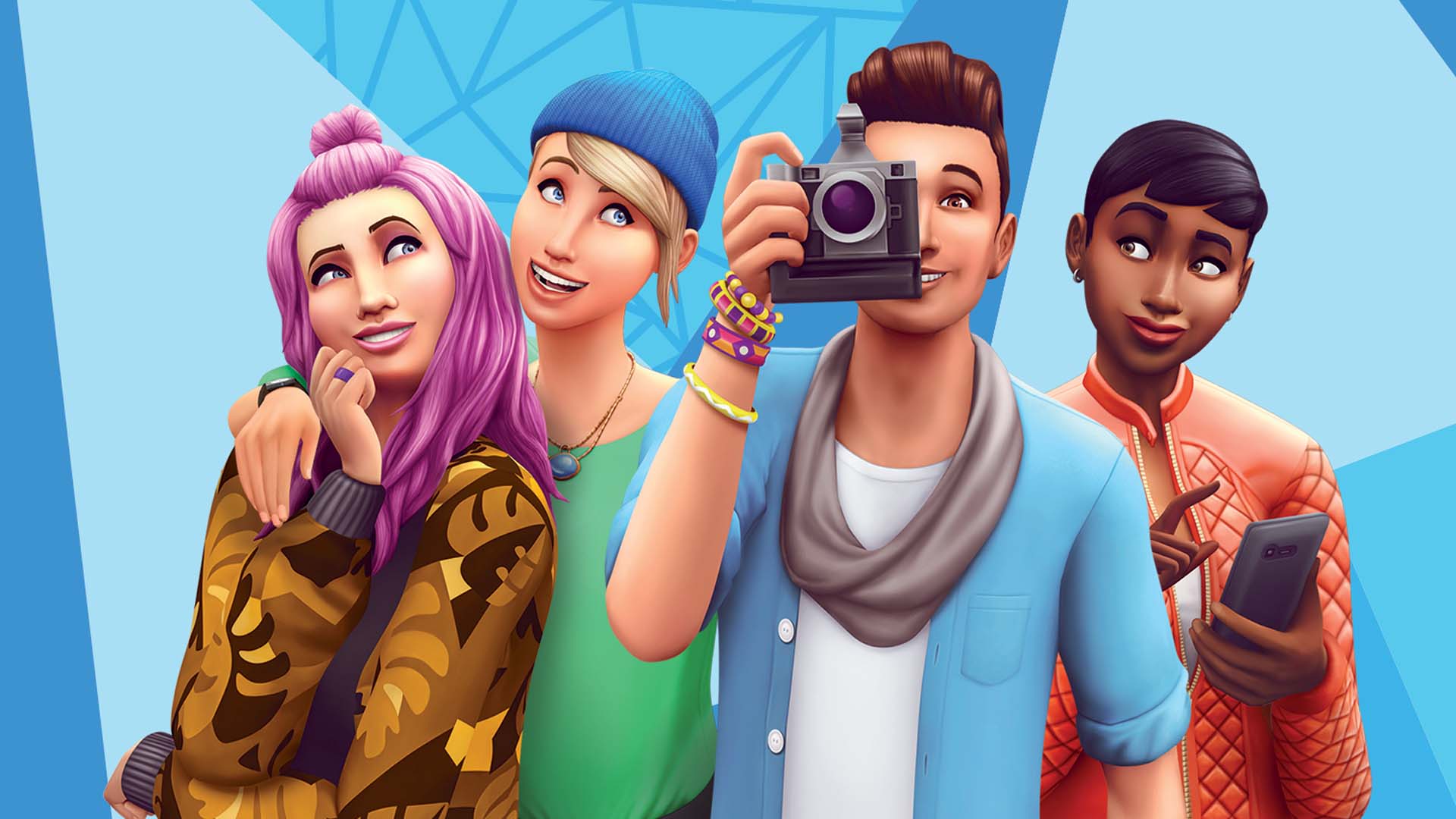
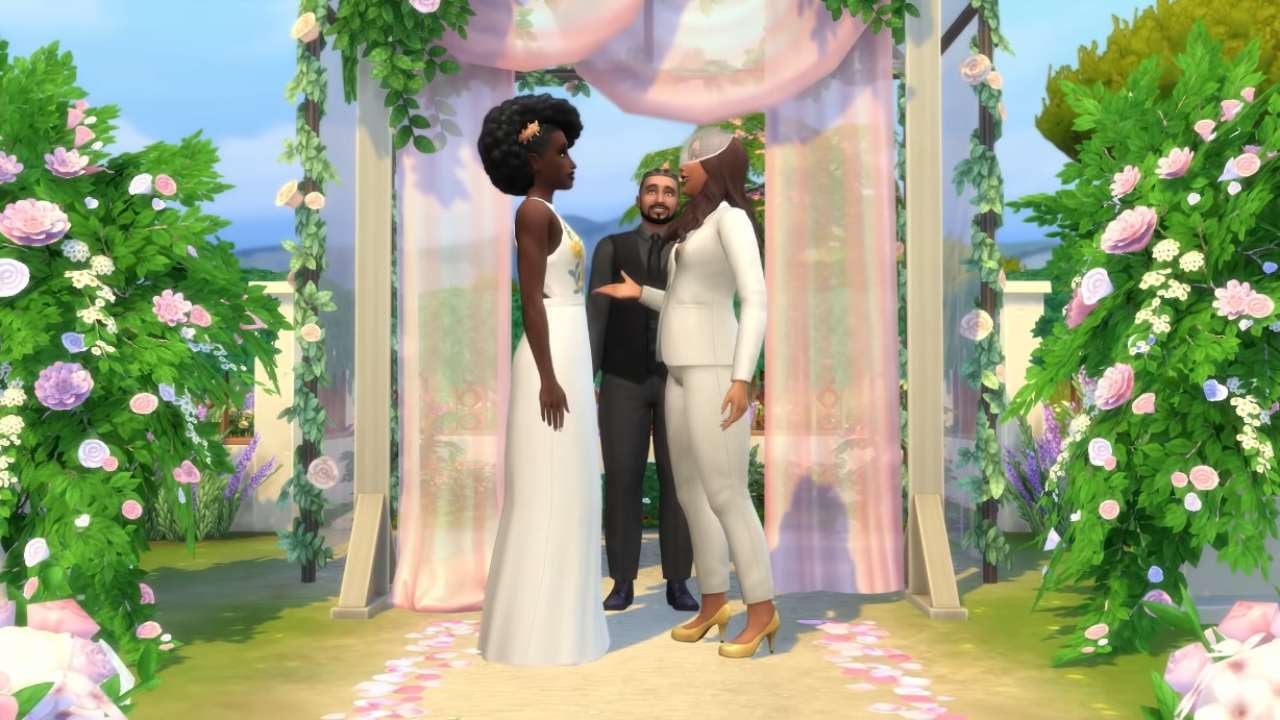
While Dragon Age and Mass Effect let players explore these ideas in fantastical and futuristic settings, The Sims is much more down to earth. The life sim series lets you create human characters that live out their lives with its signature exaggerated flair, and since the first game, it has allowed same-sex marriages, and let gay couples have children.
Xosh, an intersex and queer writer, recalls the first time he saw a same-sex couple in the original Sims, which would eventually lead to him writing a journaling game called Midnight’s Kiss that came from one of his longstanding Sims characters.
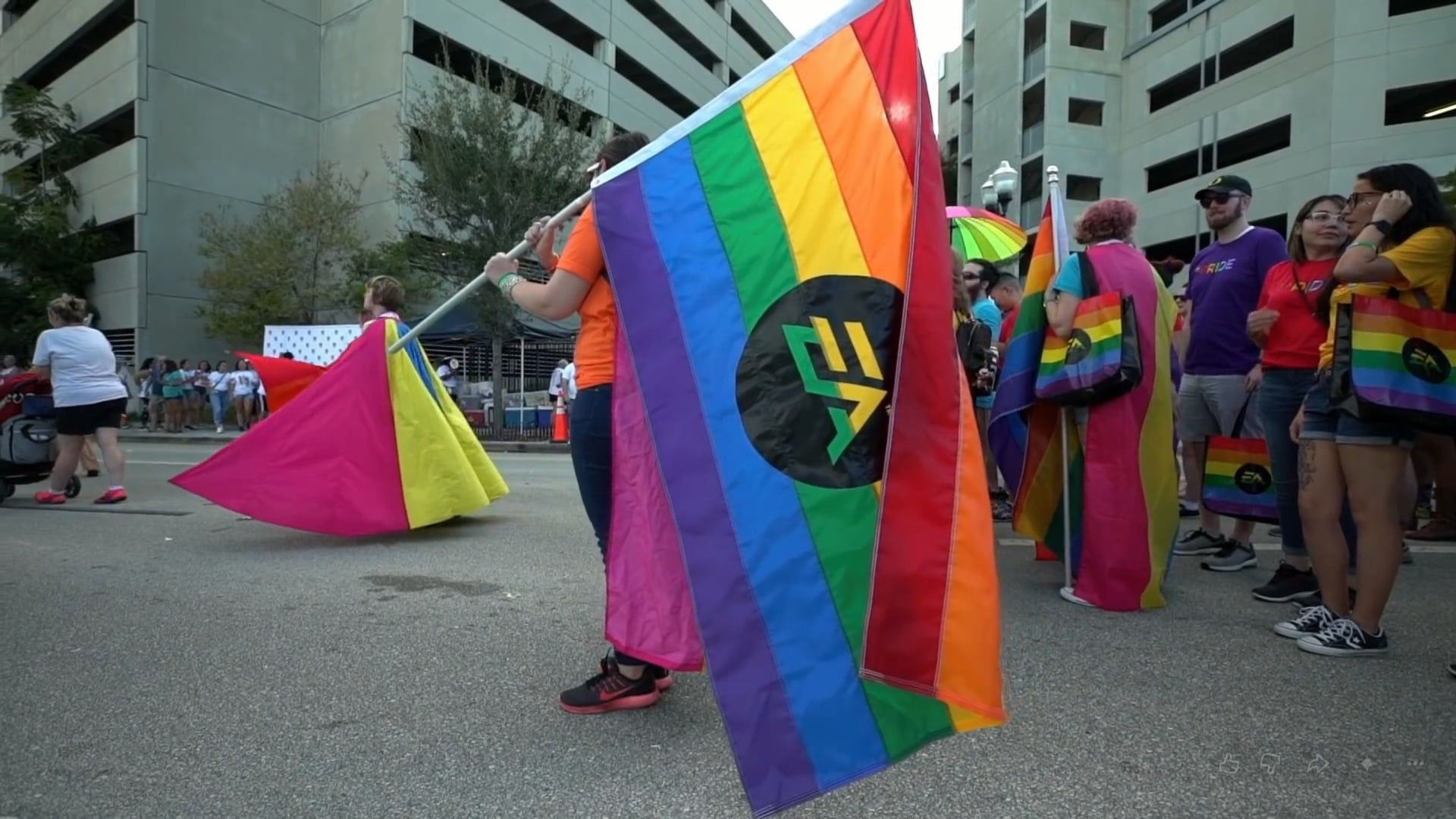
“The Sims was the very first video game I played where queer romance was just a normal part of play,” he says. “My first gay couple happened autonomously. It hadn’t even occurred to me to try pairing same-sex couples in the game before that because heteronormativity was the default in every game. But here it was, just no big deal. I laughed and called a friend over to see it. There was such a feeling of exultation and validation. That it was even allowed made me a fan of the Sims from that point on. Later versions adding trans and non-binary representation, plus all the Pride flags and similar decorations—The Sims has always been a place where my community is not merely seen. We are celebrated. That’s huge.”

As Seska, a trans woman and Sims fan, explains, the series has always lent itself to self-expression, and that’s why it’s been a playground where fans can try on different identities, relationship dynamics, fashion, and even approaches to interior design.
“The Sims played a huge part in my self discovery, both as a queer person and a trans person,” she says. “I would spend hours just designing how I wish I looked, over and over again, and then sticking all of these sims in the ugliest houses god ever created because I was ten years old and had no idea what I was doing. I think that’s the case for a lot of people though, and it’s my belief that it’s why the Sims team leaned so hard into supporting the queer playerbase with marketing, in-game items, events, etc. And that means a lot!”
Despite Electronic Arts’ history as a company that’s often reviled for its business practices, its studios’ track records when it comes to queer characters and supporting queer workers are well documented, albeit spotty as of late, and when news started circulating that the Saudi Arabian government and Trump’s extended family were looking to acquire it, many fans of BioWare, The Sims, and Apex Legends felt the days of the safe spaces they’d found were numbered.
“When I first heard about it I thought that was the nail in the coffin for not only Apex Legends but probably Dragon Age and Mass Effect, too,” Kabu says. “Not exactly for the franchises themselves but for the spirit of what made those universes special.”
For a series like Dragon Age, which has seemingly been put on ice following what EA considered tepid sales for The Veilguard, the acquisition’s announcement all but confirmed in queer fans’ eyes that no more games in the series would ever see the light of day.
“It’s not very polite but my first reaction was ‘Well, fuck, there goes Dragon Age,’” Kai, a nonbinary Dragon Age fan, says. “Even if I had very little hope for the series after Veilguard… the Saudi acquisition killed any hope I was still clinging to. In Saudi Arabia it’s a death sentence, literally, to be caught in queer behavior. There is no way a Saudi-run company would be willing to [maintain] the queer representation that is so important and authentic in historical BioWare media.”

BioWare’s future has felt precarious for almost a decade following the underperformance of Anthem and Mass Effect: Andromeda, and adding the Saudi acquisition to the mix has fans worried about whether the studio will even last long enough to release the planned upcoming fifth Mass Effect game.
“My initial reaction to the buyout is disappointment,” WordsMaybe says. “I mean the industry is filled with such [disappointment] right now. However, Bioware being my favorite developer, this one stings a bit more. I also just assumed layoffs would come before and after it being finalized, and that appears to be true. Months later, I feel the same. Exhausted, and wondering where things start to take a turn for the better.”
The PIF’s heavy investment in the video game industry, part of Saudi Arabia’s “sportswashing” efforts to foster a public image untarnished by its human rights abuses, has made it hard to avoid, with it having a stake in companies including Pokémon Go developer Scopely and even Nintendo itself. For some, this is just another example of big business devouring video games, and that comes with the looming threat that things will only get worse for players and developers.
“I mean, the video game industry as a whole has been kind of leading the charge on the enshittification of the world, and I see this as the next evolution in that,” Seska says. “Things are going to keep getting worse. There’s going to be more microtransactions, more money funneled into a neverending stream of lookalike sports games, less ownership of the games we purchase and more subscriptions. It’s what happens when you hand the reins over to people who see this art form as nothing more than an investment opportunity. Granted EA was never an indie studio doing it for the love of the art form.”
For some, the purchase of places that create queer art feels like a direct attack on those stories and characters, and they wonder if there’s a kind of ulterior motive present in the choice to target companies like EA that produce significant queer games.
“So many online spaces are censoring and restricting LGBTQIA+ voices specifically,” Xosh says. “I feel like the purchase was, at least in part, motivated by a desire to control what EA’s games contain. Some people cannot bear to allow us a place to exist—even in digital spaces.”
Fans’ fears about what this Saudi acquisition might mean for the queer history and future of companies like BioWare and Maxis appear to be at least partially on EA’s mind if its execs are insisting to workers that these new “partners” won’t be making creative decisions that could jeopardize that tradition. When we asked these fans if they were convinced by EA’s internal message, we were met with skepticism pretty much across the board.
“I don’t believe that for a second,” Seska says. “I’ve worked in the corporate world for long enough to know that every time management changes, the first thing they do is an all-hands meeting to say ‘Don’t worry, nothing’s happening, we just brought these folks from McKinsey in to help but you are totally fine don’t worry,’ before laying off a large percentage of their staff a week later.”
“I don’t trust EA execs as far as I could pick them up and throw them,” Kai says. “They’re so out of touch they thought that Dragon Age could be a live-service game. And they’ve outright said that the reason Veilguard failed was because it wasn’t live service. I can’t trust execs who are so bloody out of touch with what the market wants, what market share they’re aiming for, and what games can be used for what. I’ve taken a total of two business classes in my entire life, and I can see why Veilguard failed much more clearly than the EA execs. How could I ever trust them?”
“I don’t believe them,” Xosh says. “I have no reason to believe them. And even if those execs believe it themselves, I know enough about the industry to realistically say: they won’t last long.”
“Absolutely not,” Linny, a demipansexual Dragon Age fan, says. “CEOs are there for two reasons; make money and lie through their teeth.”
“EA has not exactly proven itself to be a company you can trust to have their audience’s interests at heart, so why would anything they say reassure me?” Sou says. “Publishers and execs say loads of things, but I don’t have to be naive enough to believe them.”
“If the executives think we believe anything they say to assure us, I have a pool to sell them with no ladder,” Vanessa says.
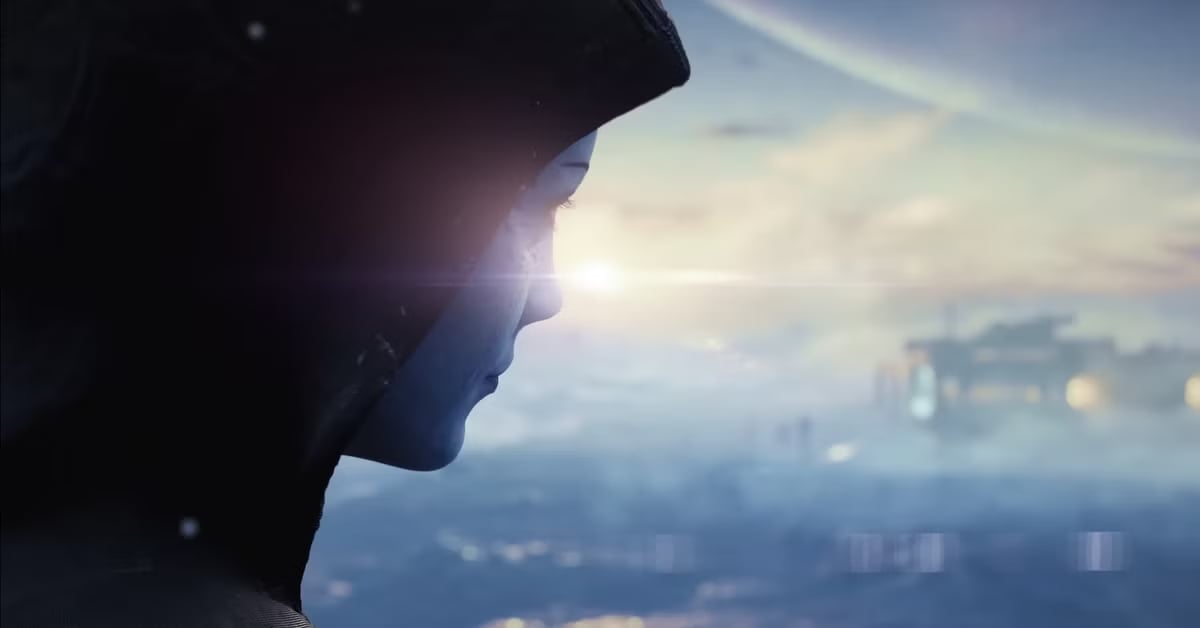
Whether or not Mass Effect 5 will feature the same depth of queer representation The Veilguard did remains to be seen, but for some, knowing that money they spend on EA games would trickle to the Saudi government is enough to have them swearing off the company’s work, queer representation or no.
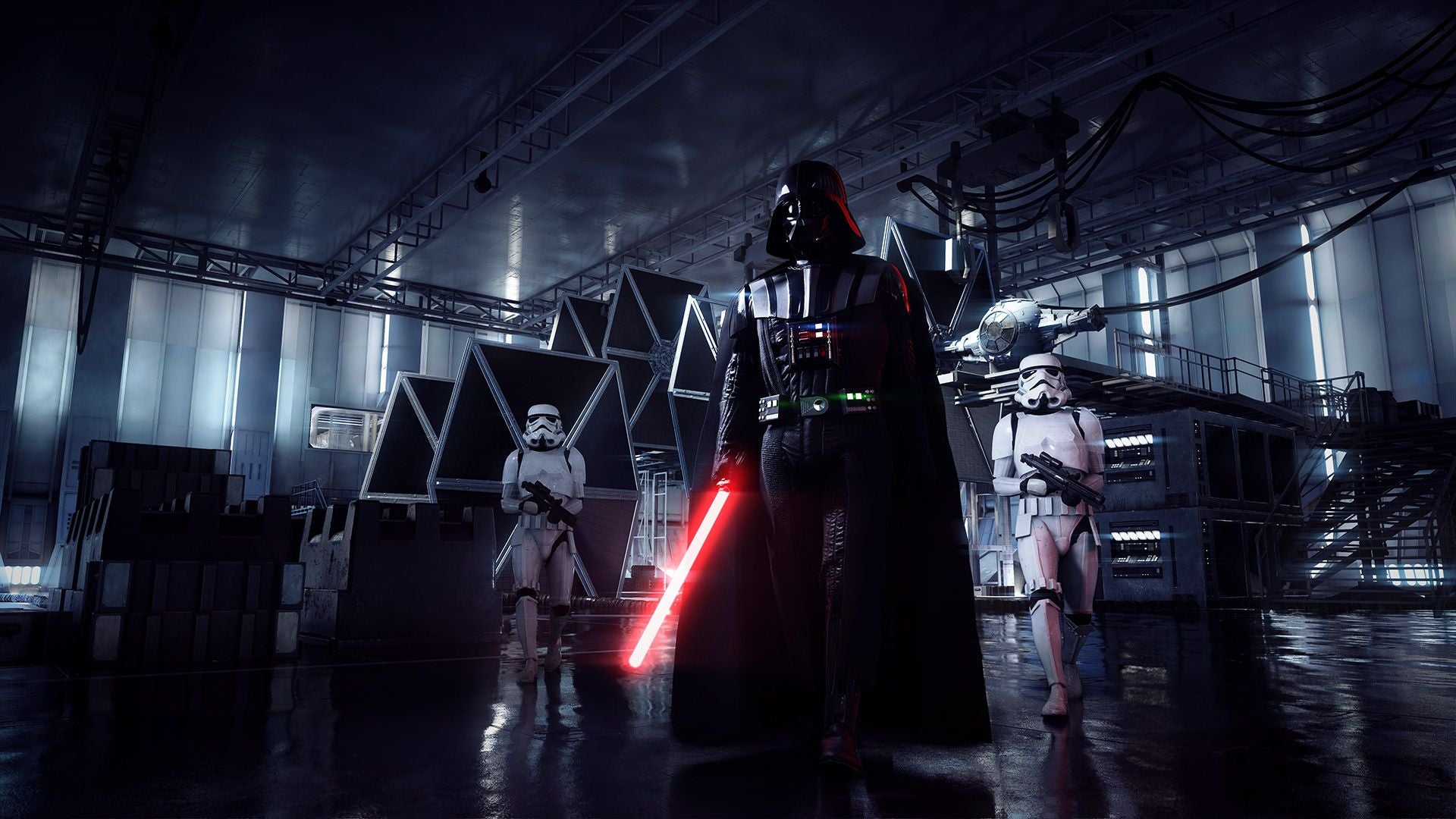
“I was really excited for Star Wars: Zero Company and now that’s complicated,” WordsMaybe says. “There are no formal efforts being made to financially hurt these entities in hopes of some change happening as is the case with Xbox and BDS. So I wonder ultimately what even comes of a personal choice to not engage with EA titles from here on out.”
While they may not buy future games, some say they’ll continue to play the games they already owned prior to the acquisition.
“I know I will never let EA see a single penny from me again,” Sims fan Vanessa says. “The best part of the game has always been my own imagination, and that part they can’t take away from me.”
If queer fans decide not to financially support EA’s games anymore, unofficial channels and communities will become a lifeline for those who still want to feel connected to games and worlds they care about without their money going to the PIF.
“If anything I want to support [Dragon Age] more than ever in ways that aren’t tied to EA,” Linny says. “I am incredibly active in the Dragon Age fandom on Bluesky (often abbreviated to DAbsky). If anything, EA’s bullshit treatment of The Veilguard following its launch in 2024 has galvanized me into a more devoted fan, taking my time with the lore and appreciating what BioWare was able to accomplish while under the boot of the most out-of-touch company in gaming.”
Others, however, won’t leave the games behind entirely if the teams at EA still manage to do good work under the new ownership.
“If I am being entirely honest, when it comes to new projects all that matters to me is if the game is good,” Seska says. “If it’s a solid product that I enjoy playing I will give it a try. I think ‘sportswashing’ their way into the gaming industry was a smart play on [Saudi Arabia’s] part and it seems to be working. Am I happy about it? Not really. But I’m not happy with the amount of shady money being dumped into the game industry coming from the U.S. military when it comes to the development of FPS games either. They’re gonna do what they’re gonna do, and it’s going to hurt the games that come out in the future.”
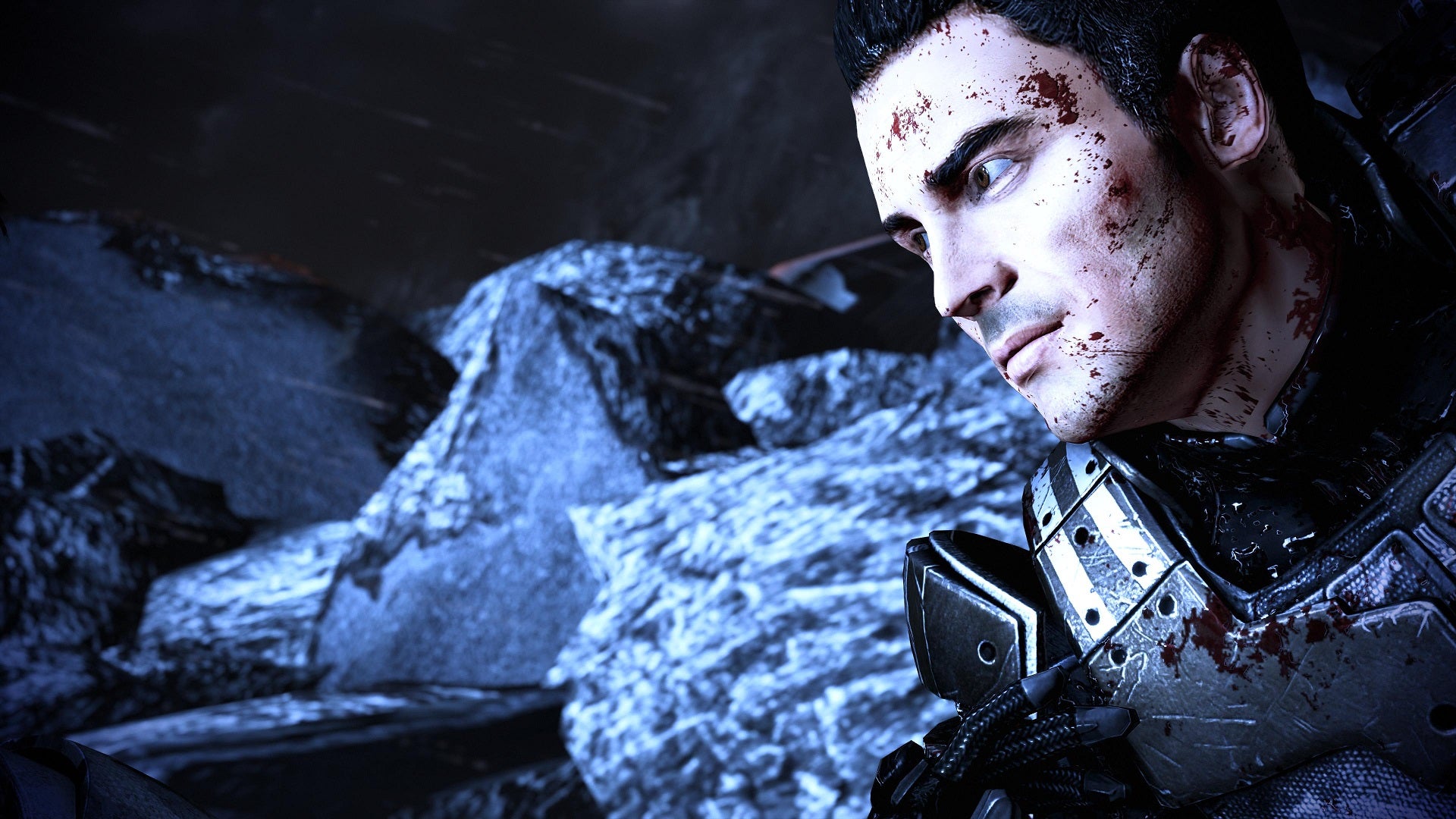
In the case of The Sims and some of BioWare’s games, fans are at least finding new places to spend their time.
“Paralives is here now and I don’t need [The Sims’] money-grubby tactics in my life,” Linny says. “The game since becoming free-to-play always felt insulting; putting straight-up ads in it is disgusting for a product I’ve sunk hundreds of dollars into.”
If Paralives, a rival life-sim game, is any indication, some players will likely be able to get their fix for the games EA’s studios have created without spending money on EA’s properties.
“My sole hope from this whole mess as we watch the likes of Xbox and EA disintegrate is that it leads to a new era of indie devs,” game developer Tyler Boyce says. “Free from corporate executives and generative AI, who knows what our creativity might come up with in the next five years? I just wish it didn’t require the billionaires sacrificing what our industry spent decades building, just to enrich themselves and their shareholders. Just look at Andrew Wilson. Record layoffs and he writes himself a check for $38 million. Both gamedevs and gamers deserve better. So when EA and Andrew Wilson are both gone, I plead with gamers to seek out the devs who made so many incredible games and support their new indie careers. We just want to make games, but someone needs to start playing them instead of supporting another Battlefield game.”
As some see it, EA’s output has already been struggling under its own poor management, and this acquisition is only going to add more weight to an already-sinking company in the eyes of fans who have watched its slow descent.
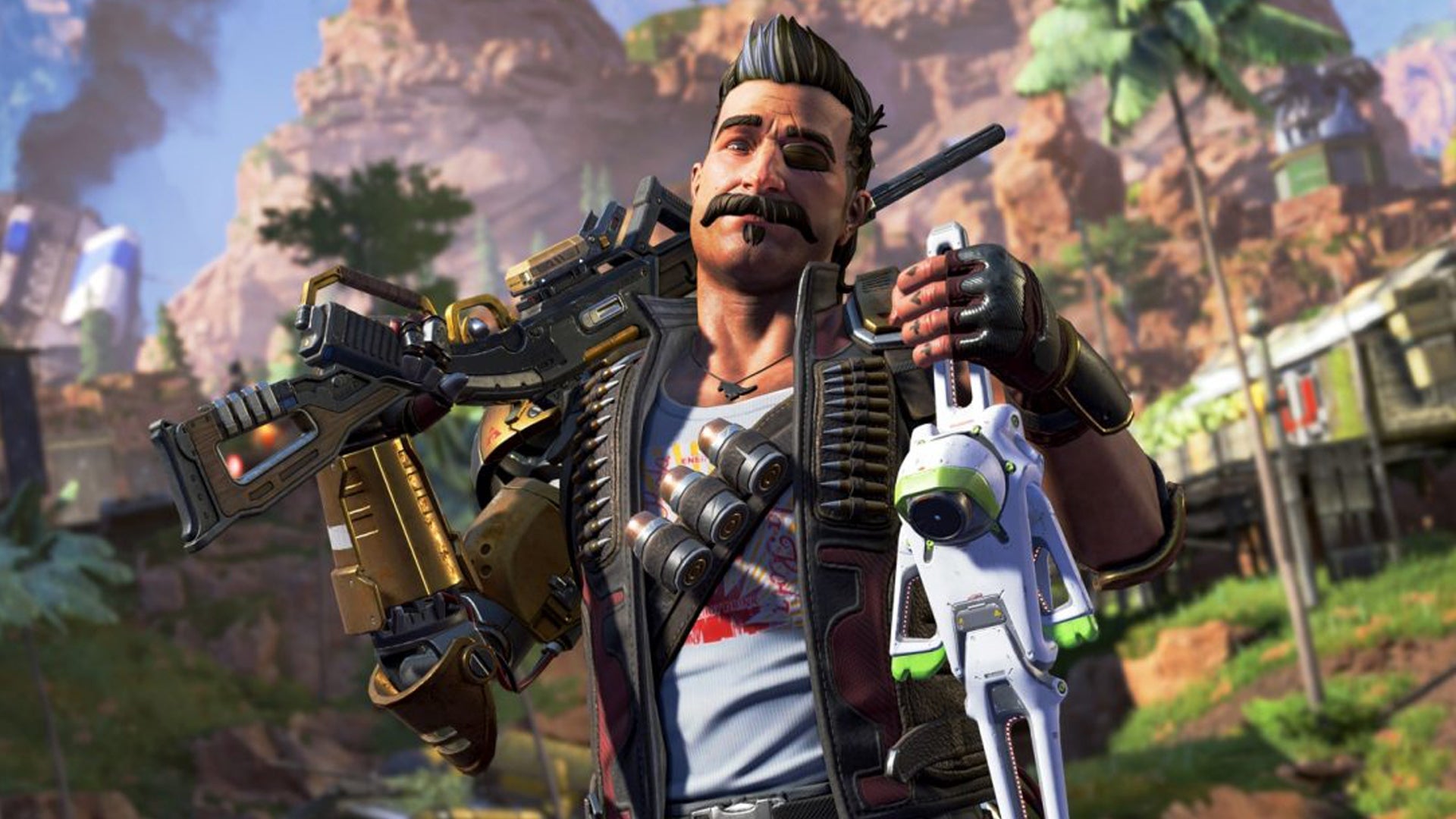
“After Apex started nosediving a couple of years ago I largely stopped spending money on it,,” Kabu says. “I wasn’t interested in giving EA my money when they were already actively strangling the life out of the playerbase by slowly and meticulously laying off basically every single person who made Apex special. Dragon Age and Mass Effect were already suffering, too. I know Bioware is essentially canned if its next big game doesn’t perform well enough. All of these things were already well underway before the Saudi acquisition.”
Sou says EA’s noted interest in live-service games over single-player experiences like Mass Effect had already made him skeptical that the good ol’ days of BioWare’s golden era were ever going to return, and he believes this acquisition will likely enable its worst tendencies.
“I think EA is going to use this opportunity to keep doing what they’ve been doing for a long time: try to move away from smaller single-player-focused titles, trying to make bank in the live-service market,” he says. “They’ll shut down studios, lay off employees and try pivoting to AI, whatever it takes to cut costs. I don’t think it’ll work, they’re already a deeply despised company and there’s no way any of this is gonna be good publicity for them. If they’re lucky, they just shot themselves in the foot. If they’re unlucky, they shot themselves in the head.”
Some fear this may be a hostile acquisition and that the new owners may be planning to tank the company and sell it off piecemeal, especially now that it must shoulder a $20 billion debt equity.
“You can’t take on $20 billion in debt and expect to make that back in just one year, so the answer was obvious: like any venture capital firm, the new owners were looking to kill off EA, then sell off its IP to the highest bidders,” Boyce theorizes. “Or worse, keep that IP locked away by copyrights so it could continue to earn value as speculative assets or bankruptcy collateral.”
Others, meanwhile, are actively hoping EA gets sold off for parts, with some seeing an opportunity for studios like BioWare and Maxis, rather than being forced to operate under new restrictions or being shut down entirely, to find new homes under new owners where they can ideally work under better conditions.
“The best-case scenario for the Sims team is being bought by another company, or buying themselves out somehow,” Vanessa says. “It’s a pipe dream. It’s not as though EA would want to see them go, but it’s the only option that would save the game that’s now on life support.
“The best-case scenario would be if EA sold BioWare and all of their IPs to a company that actually could provide gamers with what we want,” Kai says. “If I weren’t pissed at [Baldur’s Gate 3 developer] Larian about the AI usage I’d think they’d be the best bet, but I am, so I don’t know. BioWare as an independent studio would be the absolute best scenario, but I doubt that will happen. Either of them really. EA is well known as a greedy swamp dragon crouching over amazing IPs and never sharing them. So, honestly…I think both Dragon Age and BioWare are dead. I have no hope for the next Mass Effect. And honestly? I wouldn’t buy it knowing it’s funded by Saudi Arabia anyway.”
Those that are less convinced these studios may escape EA’s clutches are instead hoping that the power of capitalism might compel the company not to cut queer characters and players out of the equation.
“If the new ownership’s real goal is profit, they’re going to have to accept that more kinds of people will be drawn to spending money on their games if they see more people like themselves reflected in them,” Kabu says. “The best-case scenario, in my mind, is that the Saudi government understands the value of the queer dollar. Money is money, even if it’s gay. At the end of the day, that’s what AAA games are all about.”
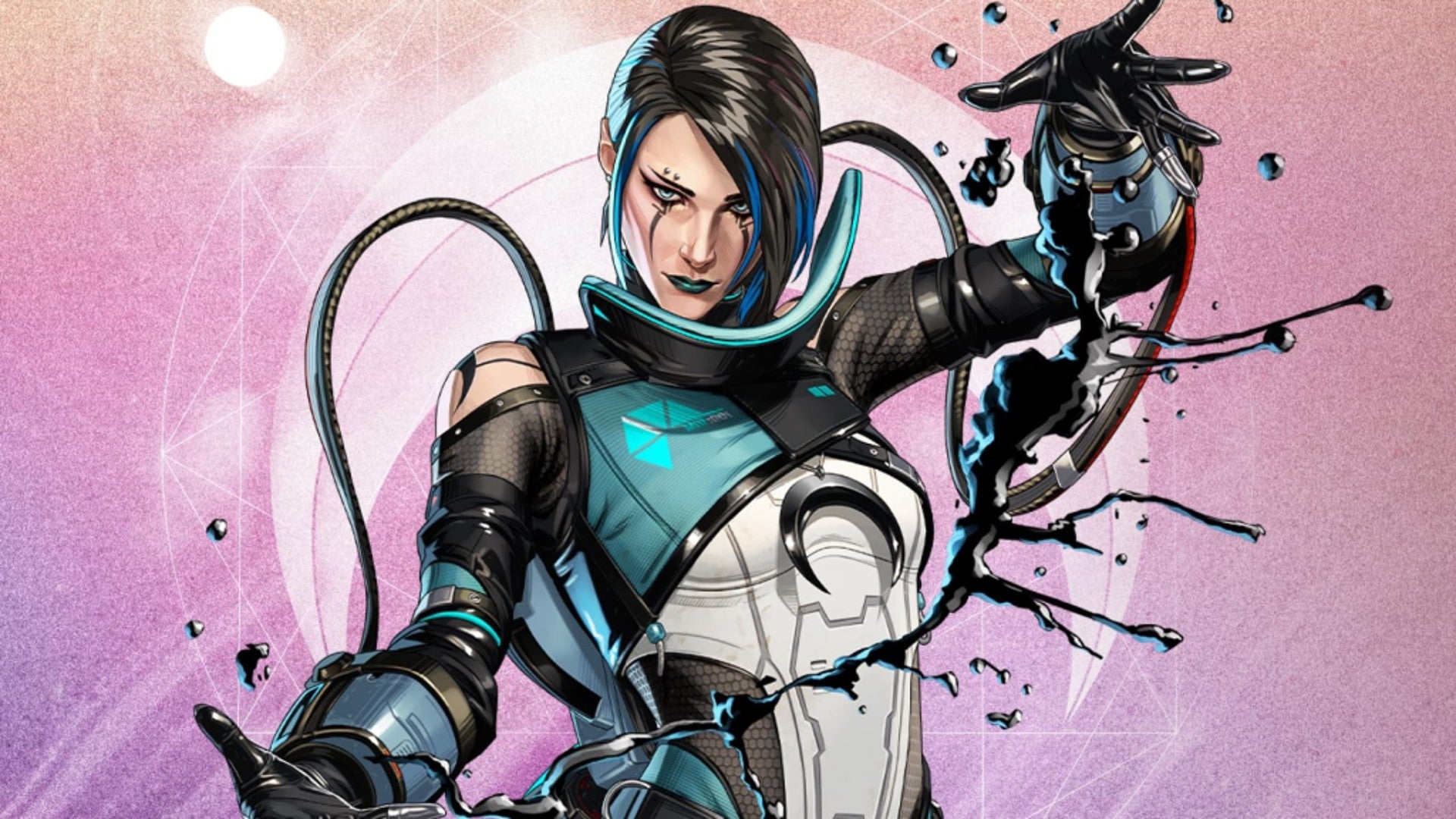
Whatever the future looks like, the EA acquisition is a sad development in the gaming lives of many queer gamers. Hateful owners cannot take away the memories made, but the acquisition does make it harder to believe that future generations will find those same spaces that helped old fans find their way.
“It will break my heart to leave behind the Sims characters I have played for decades, but they wouldn’t be the same if their queerness was restricted, anyway, which I anticipate it will,” Xosh says. “Beyond that, I cannot see myself putting any money into the pockets of the same people who did what they did to Khashoggi, to name but one open atrocity.
“Telling stories through characters is often the first place many of us learn to embrace our own stories—especially those of us whose stories are not widely represented elsewhere,” he continued. “To remove that outlet, or to restrict it, cuts us off from possibility. It makes us small. A person could suffocate in such a small space.”