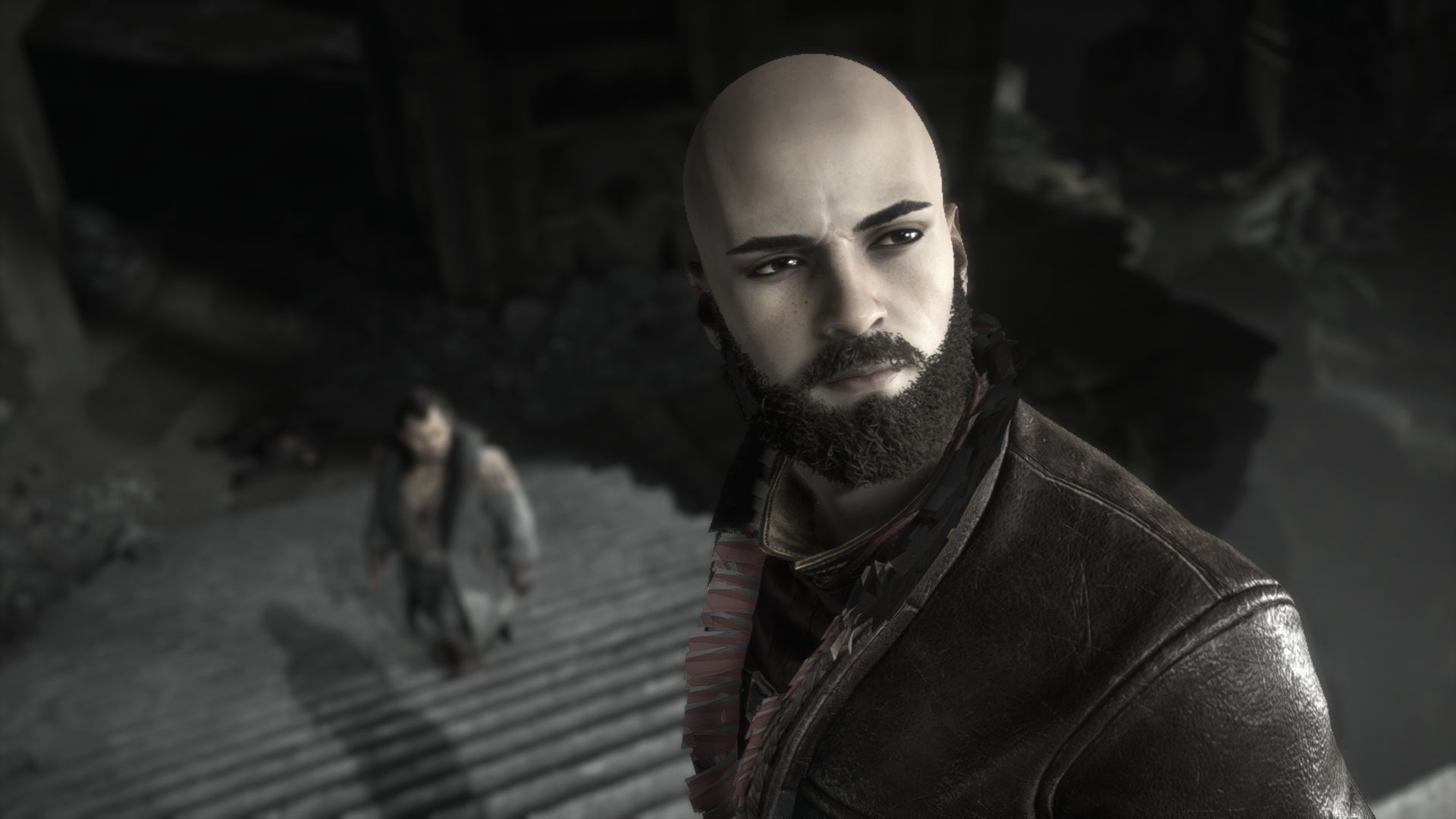
With every new report about Dragon Age: The Veilguard’s troubled development, it feels like a miracle that the game came out at all. A new story from Bloomberg outlines how the Dragon Age team was jerked around by publisher Electronic Arts and forced to make pivots with limited resources and time, making it impossible for the RPG to complete the sort of holistic retooling it would have received under more reasonable circumstances. Reading this and seeing how, after all that strife, the team was still demolished and subsequently thrown under the bus, it feels like BioWare was set up to fail, and it bore the consequences of its publisher’s poor decisions.
In January, BioWare scattered some of its most foundational veteran talent to the winds. The quickness with which EA gutted the storied RPG studio andmasked it with talk of being more “agile” and “focused” shortly after it was revealed that The Veilguard underperformed in the eyes of the powers that be makes me wonder if BioWare was also unsure it would get to return to Thedas a fifth time. Now that we know more about just how fraught Dragon Age: The Veilguard’s development was, the RPG sure reads like something made by people who saw the writing on the wall. The Veilguard ends on a small cliffhanger that could launch players into a fifth game, but I’m skeptical that we’ll ever get it.
Looking back, I’m pretty convinced the team was working as if Rook’s adventure through the northern regions of this beloved fantasy world might be the last time anyone, BioWare or fan, stepped foot in it. But viewing it through that lens has somehow made me appreciate a game that made me a believer after a decade of disillusionment even more.
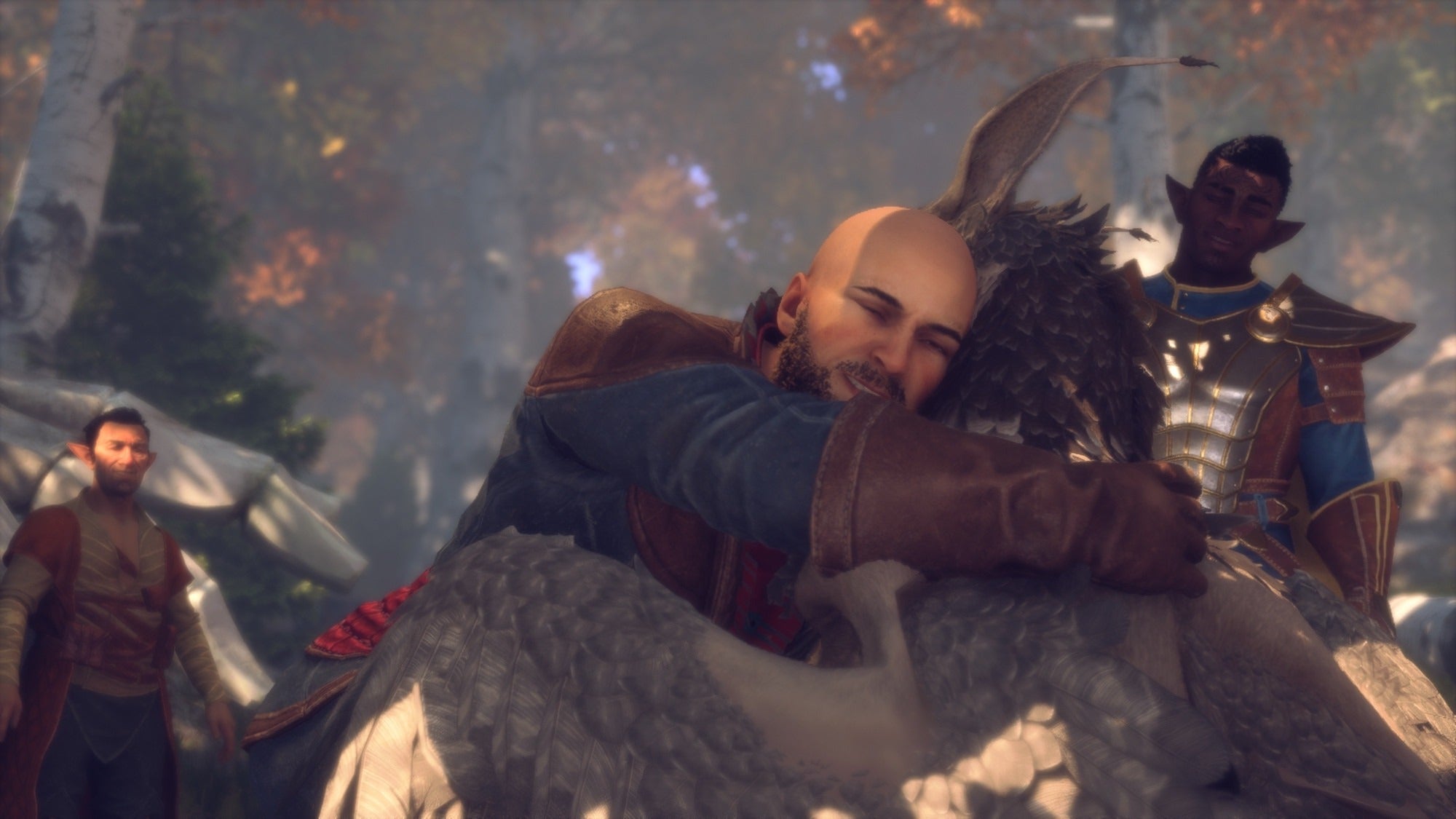
Yeah, I might be doomsaying, but there are plenty of reasons to do so right now. The loss of talented people – like lead writer Trick Weekes, who has been a staple in modern BioWare since the beginning of Mass Effect, or Mary Kirby, who wrote characters like Varric, whose story is the biggest throughline through the Dragon Age series – doesn’t inspire confidence that EA understands the lifeblood of the studio it acquired in 2007. The Veilguard has been a divisive game for both entirely legitimate reasons and the most bad-faith ones you could imagine, but my hope is that history will be kinder to it as time goes on.
A Kotaku reader reached out to me after the news of BioWare’s layoffs broke to ask if they should still play The Veilguard after everything that happened. My answer was that we may now be in a better position to appreciate it for what it was: a (potentially) final word.
 Given the conditions under which it was made, and how its creators themselves seemed uncertain of its future, The Veilguard is just as much a send-off for a long-running story as it is a stepping stone for what might come. Its secret ending implies a new threat is lurking somewhere off in the distance, but by and large, The Veilguard is about the end of an era. BioWare created an entire quest line that essentially writes Thedas’ history in stone, removing any ambiguity that gave life to over a decade of theory-crafting. As a long-time player, I’m glad The Veilguard solidifies the connective tissue between what sometimes felt like a world of isolated cultures, lacking throughlines that’d otherwise make it feel more whole. But sitting your cast of weirdos down for a series of group therapy sessions unpacking the ramifications of some of the biggest lore dumps the studio has ever put to a Blu-ray disc isn’t the kind of narrative choice you make if you’re confident there’s still a future for the franchise.

Unanswered questions are the foundation of sequels, and The Veilguard has an almost anxious need to stamp those out. Perhaps BioWare learned a hard lesson by leaving Dragon Age: Inquisition on a cliffhanger and didn’t want to repeat the same restriction. But The Veilguard doesn’t just wrap up its own story; it concludes several major threads dating back to Origins, which feels calculated and deliberate. If BioWare’s goal with The Veilguard was to bring almost everything to a definitive end, the thematic note on which it leaves this world acts as a closing graf concluding the series’ overarching thesis.
Ignoring the bigotry that has followed The Veilguard like a starving rat digging through trash, one of the most common criticisms I heard directed toward the game was that it lacked a certain thorny disposition that was prevalent in the first three games. Everyone in the titular party generally seems to like each other, there aren’t real ethical and philosophical conflicts between the group, and the spats that do arise are more akin to the arguments you probably get into with your best friends. It’s a new dynamic for the series. The Veilguard doesn’t feel like coworkers as the Inquisition did, nor the disparate group who barely tolerated each other that we followed in Dragon Age II. They’re friends who, despite coming from different backgrounds, factions, and places, are pretty much on the same page about what the world should be. They’re united by a common goal, sure, but at the core of each of their lived experiences is a desire for the world to be better.
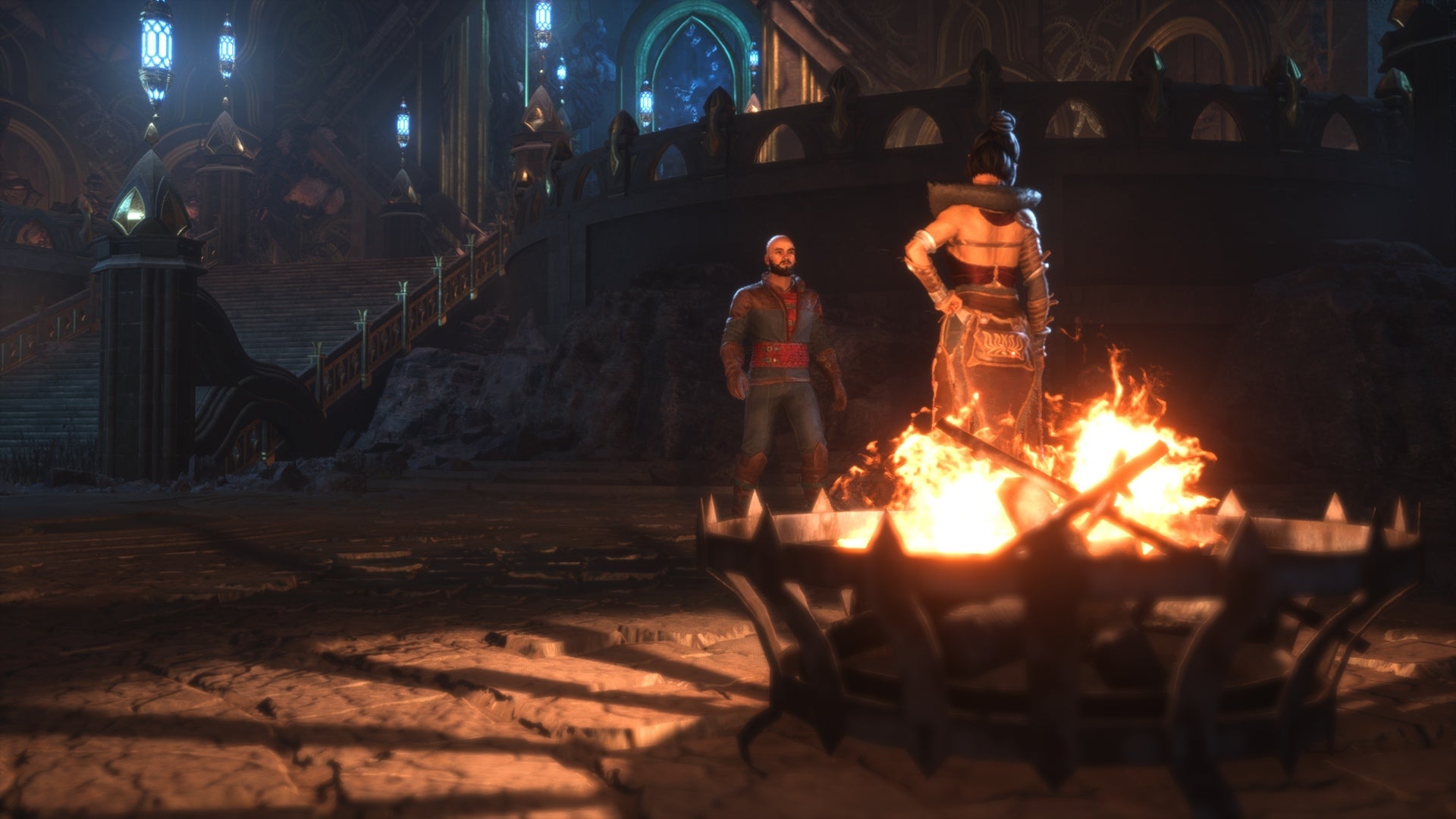
This rose-colored view of leftism doesn’t work for everyone. At its worst, The Veilguard can be so saccharine it’d cause a cavity, which is far from what people have come to expect from a series in which the mage-hating elf Fenris and pro-mage radical Anders didn’t care if the other lived or died. It also bleeds into a perceived softening of the universe. Factions like the Antivan Crows have essentially become the Bat Family from DC Comics, with no mention of the whole child slavery thing that was our first introduction to them back in Origins. The Lords of Fortune, a new pirate faction, go to great lengths to make sure you know that they’re not like the other pirates who steal from other cultures, among other things. I joked to a friend once that The Veilguard is a game terrified of getting canceled, and as such, a lot of the grit and grime has been washed off for something shiny and polished.
That is the more critical lens through which to view the way The Veilguard’s sanitation of Thedas. To an extent, I agree. We learned so much about how the enigmatic country of the Tevinter Imperium was a place built upon slavery and blood sacrifice, only for us to conveniently hang out in the common poverty-stricken areas that are affected by the corrupt politics we only hear about in sidequests and codex entries. But decisions like setting The Veilguard’s Tevinter stories in the slums of Dogtown give the game and its writers a place to make a more definitive statement, rather than existing in the often frustrating centrism Dragon Age loved to tout for three games.
I have a lot of pain points I can shout out in the Dragon Age series, but I don’t think anything has stuck in my craw more than the way the end of Anders’ antagonistic “Rivalry” relationship goes down in Dragon Age II if you don’t support his crusade to emancipate the mages from their captivity in the Circle of Magi. This is a tortured radical mage who is willing to give his life to fight for the freedom of those who have been born into a corrupt system led by the policing Templars. And yet, if you’ve followed his rivalry path, Anders will turn against the mages he, not five minutes ago, did some light terrorism trying to free. In Inquisition, this conflict of ideals and traditions comes to a head, but you’re able to essentially sweep it all under the rug as you absorb one faction or the other into your forces. So often, Dragon Age treats its conflicts and worldviews as toys for the player to slam against one another, shaping the world as they see fit, and bending even the most fiercely devoted radical to their whims. And yes, there are some notable exceptions to this rule, but when it came to world-shifting moments of change, Dragon Age always seemed scared to assert that the player might be wrong. Mages and Templars, oppressed and oppressors, were the same in the eyes of the game, each worthy of the same level of scrutiny.
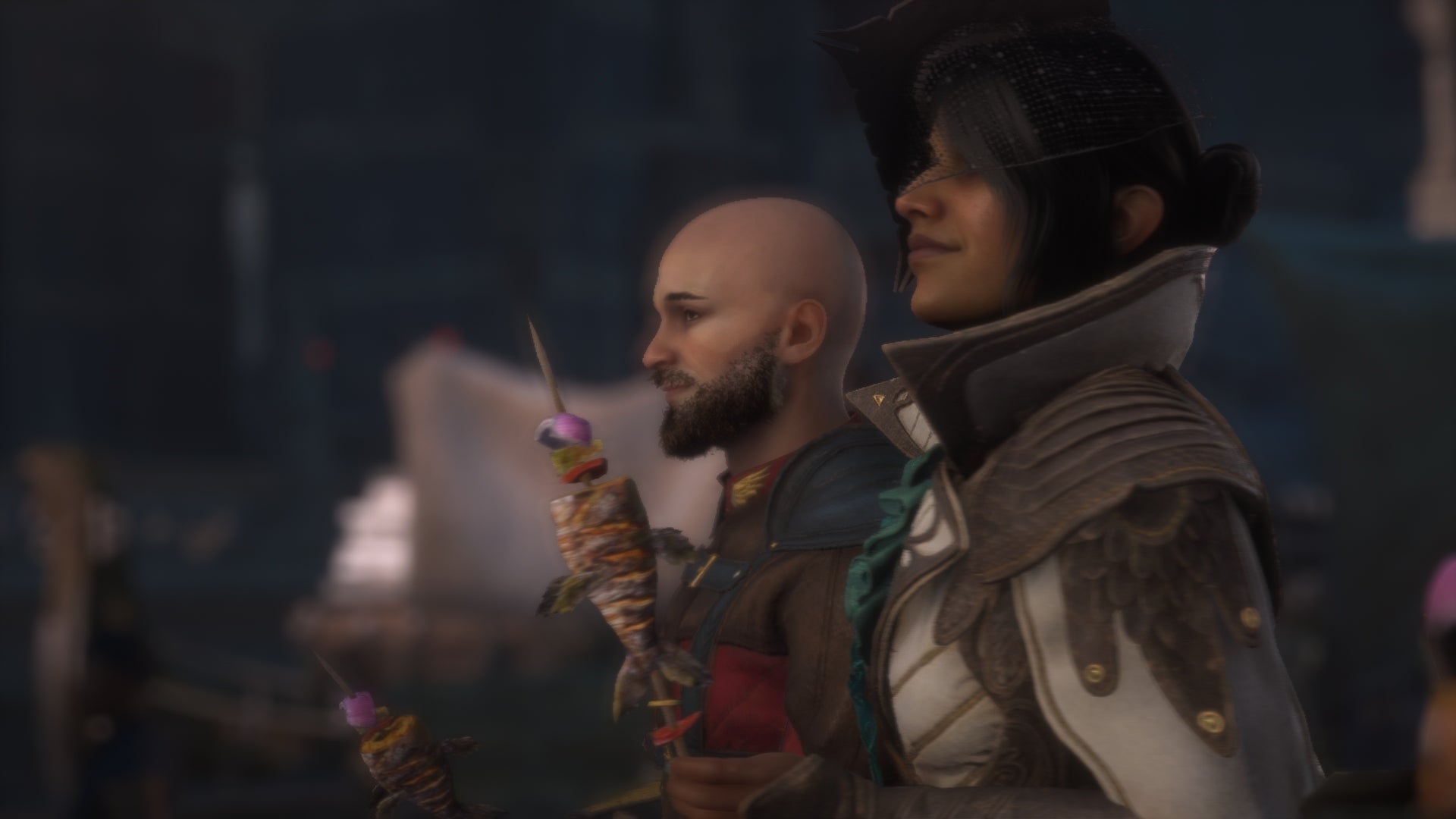
Before The Veilguard, I often felt Dragon Age didn’t actually believe in anything. Its characters did, but as a text, Dragon Age often felt so preoccupied with empowering the player’s decisions that it felt like Thedas would never actually get better, no matter how much you fought for it. While it may lack the same prickly dynamics and the grey morality that became synonymous with the series, The Veilguard doesn’t just believe that the world is full of greys and let you pick which shade you’re more comfortable with. Of the entire series, it’s the most whole-hearted, full-throated declaration that the world of Thedas can be better than it was before.
Essentially retconning the Antivan Crows to a family of superheroes is taking a hammer to the problem, whereas characters like Neve Gallus, a mage private eye with a duty-bound love for her city and its people, are the scalpel with which BioWare carves its vision of how the world of Thedas can change. Taash explores their identity through the lens of Dragon Age’s longstanding Qunari culture, known for its rigidness in the face of an ever-changing world, and comes out the other end a new person, defined entirely by their own views and defying others. Harding discovers the truth behind how the dwarves were severed from magic, and still remembers that she believes in the good in people. The heroes of The Veilguard have seen the corruption win out, and yet never stop believing that something greater is possible. It’s not even an option in The Veilguard’s eyes. The downtrodden will be protected, the oppressed will live proudly, and those who have been wronged will find new life.
That belief is what makes The Veilguard a frustrating RPG, to some. It’s so unyielding in its belief that Thedas and everyone who inhabits it can be better that it doesn’t entertain your choices complicating the narrative. Depending on how you play, Rook can come from plenty of different backgrounds, make decisions that will affect thousands of people, but they can never really be an evil bastard. If they did, it would fundamentally undermine one of the game’s most pivotal moments. In the eleventh hour, Dragon Age mainstay Varric Tethras is revealed to have died in the opening hour, and essentially leaves all his hopes and dreams on the shoulders of Rook. After our hero is banished to the Fade and forced to confront their regrets in a mission gone south, Varric’s spirit sends Rook on their way to save the day one last time. He does so with a hearty chuckle, saying he doesn’t need to wish you good luck because “you already have everything you need.” He is, of course, referring to the friends you have calling to you from beyond the Fade.
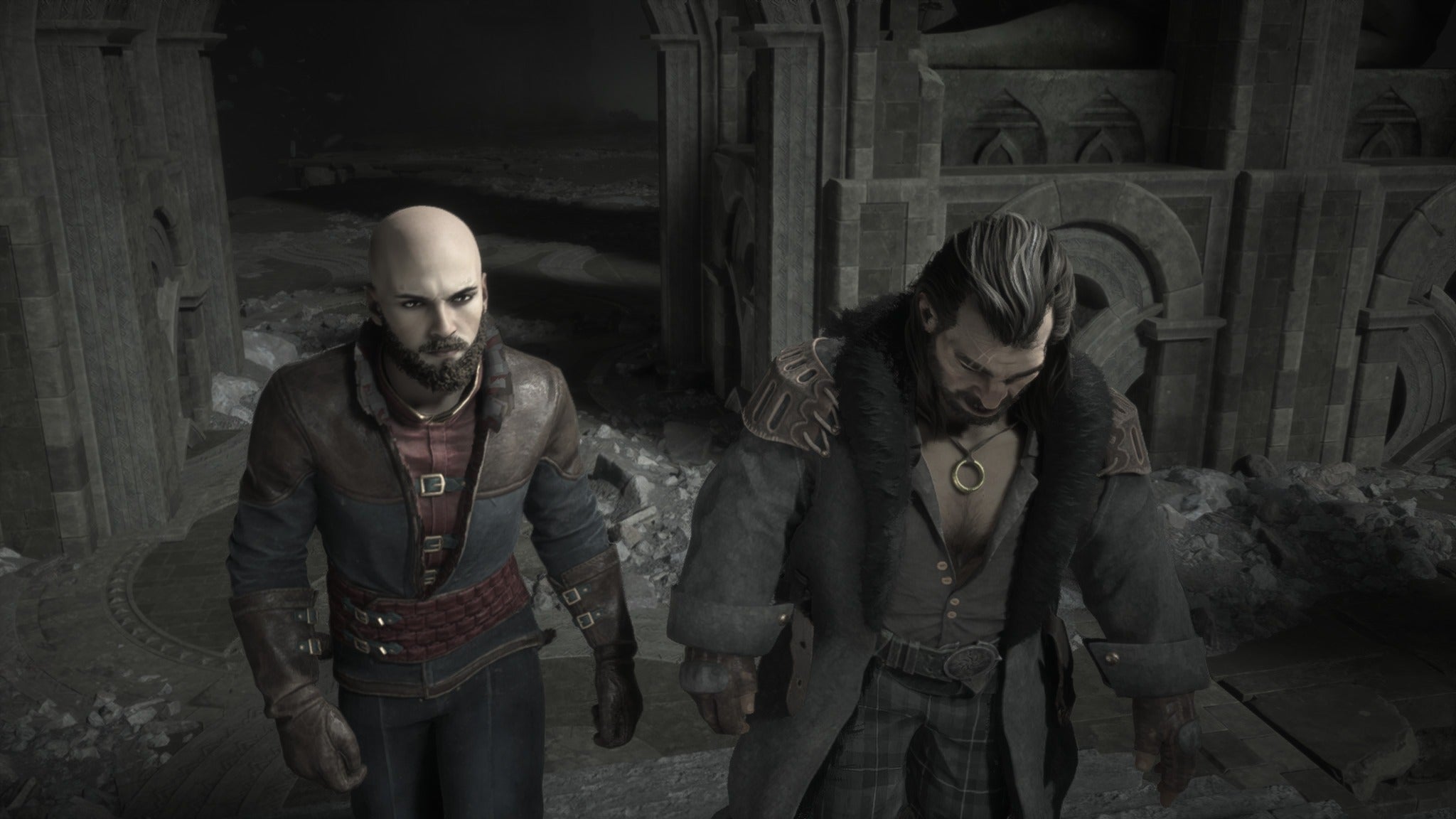
Varric, the narrator of Dragon Age, uses his final word to declare a belief that things will be okay. This isn’t because Rook is the chosen one, destined to save the world, but because they have found people who are unified by one thing: a need to fight for a better world. That declaration concluding what’s possibly Dragon Age’s final game is what makes it compelling. Reaching the end of a universe’s arc and being wholly uninterested in leaving it desecrated by hubris or prejudice is a bold claim on BioWare’s part. It takes some authorship away from the player, but in return, it leaves the world of Thedas in a better place than we found it.
The Veilguard is an idealistic game, but it’s one that BioWare has earned the right to make. Dragon Age’s legacy has been one of constantly shifting identity, at least two counts of development hell, and a desire to give players a sandbox to roleplay in. Perhaps, as Dragon Age likely comes to a close, it’s better to leave the series with a game as optimistic as the people who made it. I can’t think of a more appropriate finale than one that represents the world its creators hope to see, even as the world we live in now gives us every reason to fall into despair.
In my review of The Veilguard, I signed off expressing hope for BioWare’s future that feels a bit naive in retrospect. Would a divisive but undeniably polished RPG that felt true to the studio’s history be enough when, after 10 years of development, c-suite suits were probably looking for a decisive cultural moment? That optimism was just about a video game. Having lived through the past 32 years, looking back, most of the optimism I’ve ever held feels naive. I think I’m losing hope that the world will get any better. But even if we haven’t reached The Veilguard’s idealized vision, I’ll take some comfort in knowing someone previously at BioWare still believes it’s possible.