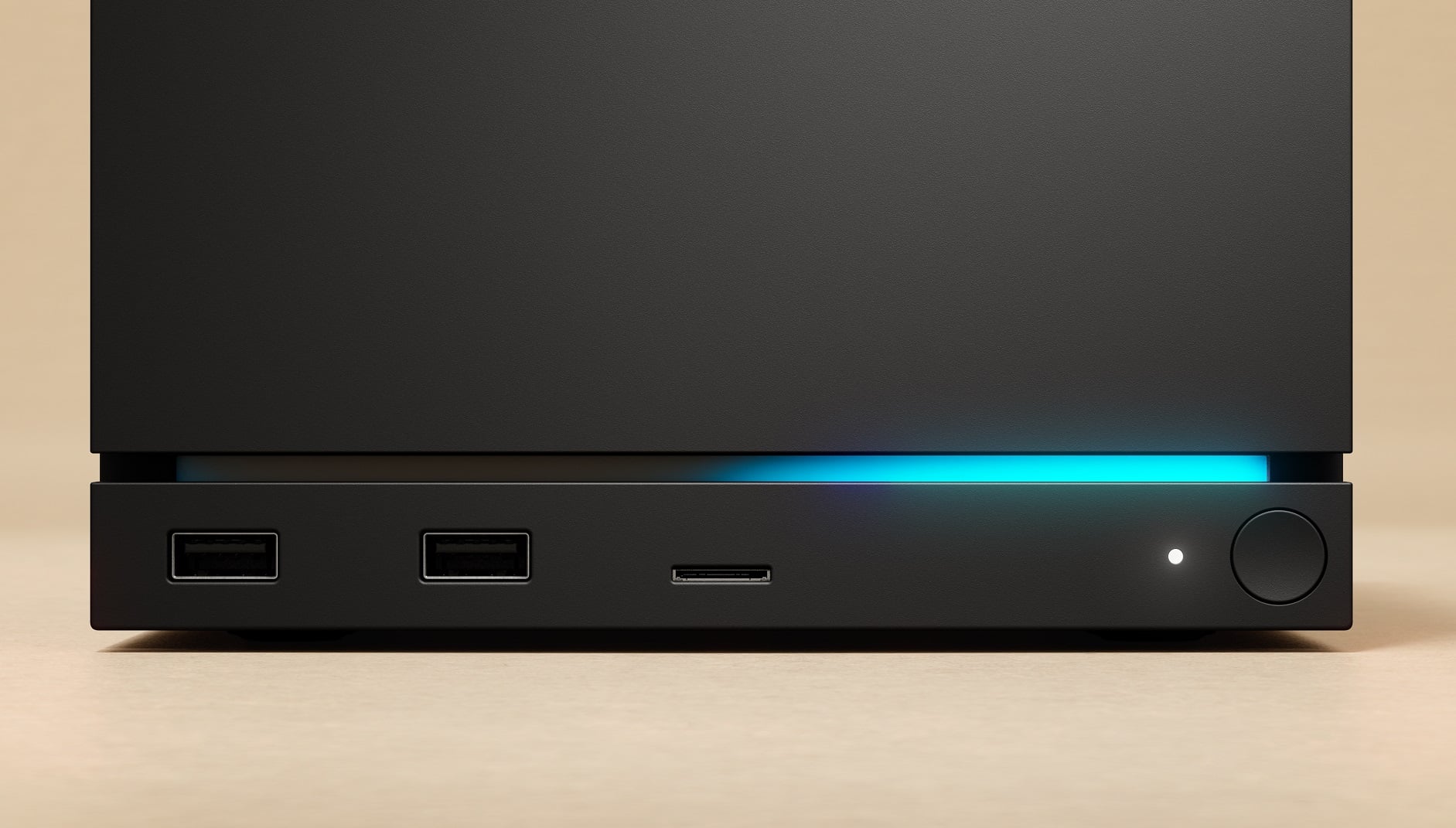
We’ve been calling the Steam Machine a video game console because that’s what little boxes that play games and sit next to the TV in your living room have been called for decades. Valve is adamant that this is not an accurate term for its device.
“Is this the Valve console?” the company asks rhetorically in a new FAQ about the device. “
Valve then gets philosophical about what it really means for a computer to be a video game console:
The traditional console model is to sell hardware at a loss and make up the revenue with subscription services or by selling games that are locked-in to the hardware. We think this can make sense for a single business in the short term but that open ecosystems are better for customers over the long term. PC gaming’s history proves this: The openness of the PC gaming space has enabled it to be the primary driver of hardware and software innovation for decades.
That is certainly one description of what separates traditional gaming consoles from gaming PCs. It is also a very convenient way to think about why the Steam Machine costs so much. At $1,050 for the tiny 512GB model, the device is certainly not priced like a PlayStation 5 or Xbox Series X, which are currently $600 for the all-digital versions, or even like the PS5 Pro, which is currently $900 for a 2TB SSD (the Steam Machine taps out at 1TB and that will cost users $1,350).
While Microsoft has been very loud about losing money on its current-gen hardware, we don’t know how much the other console manufacturers might be losing per unit amid the current AI-fueled memory and storage pricing crunch. Losing money on the sale of a console can still be worth it, however, if companies make that money back through sales of software, which often include 30-percent fees on third-party game sales.
While Valve is adamant that it is not a video game console manufacturer now, it also collects a 30 percent platform fee on the games other people make and sell on Steam. That’s the whole business model and a big part of why people thought Valve might use some of that income to subsidize its new hardware. But all of the messaging from the company has indicated that it doesn’t want to be in that hardware race. Whatever the current state of the console war, Valve strenuously believes it’s still on the sidelines.
“The strength of PC gaming is the ability to play the games you want on the hardware you want,” its new FAQ reads. “Steam Machine is *a* solution to these problems (and we think it’s a great one), but it’s not the only solution, and we don’t want it to be.”