We’re well into the era of variable game pricing and it’s seemingly working out well for some studios. Napoleonic Soulslike Valor Mortis was only $40 and has already broken even with its initial sales. Star Wars Zero Company, which was priced at just $50 on PC, has already hit 1 million units sold. But it can be harder for some indie devs working at the lower end of the pricing scale, especially as games like Hollow Knight: Silksong set an almost impossible-to-meet benchmark.
“Hollow Knight kind of annoyed me,” pricing specialist Cassia Curran told The Game Business. “I was like, ‘Oh god, please price it higher. $24.99 would have made like a big difference to a lot of studios that have similar games.'”
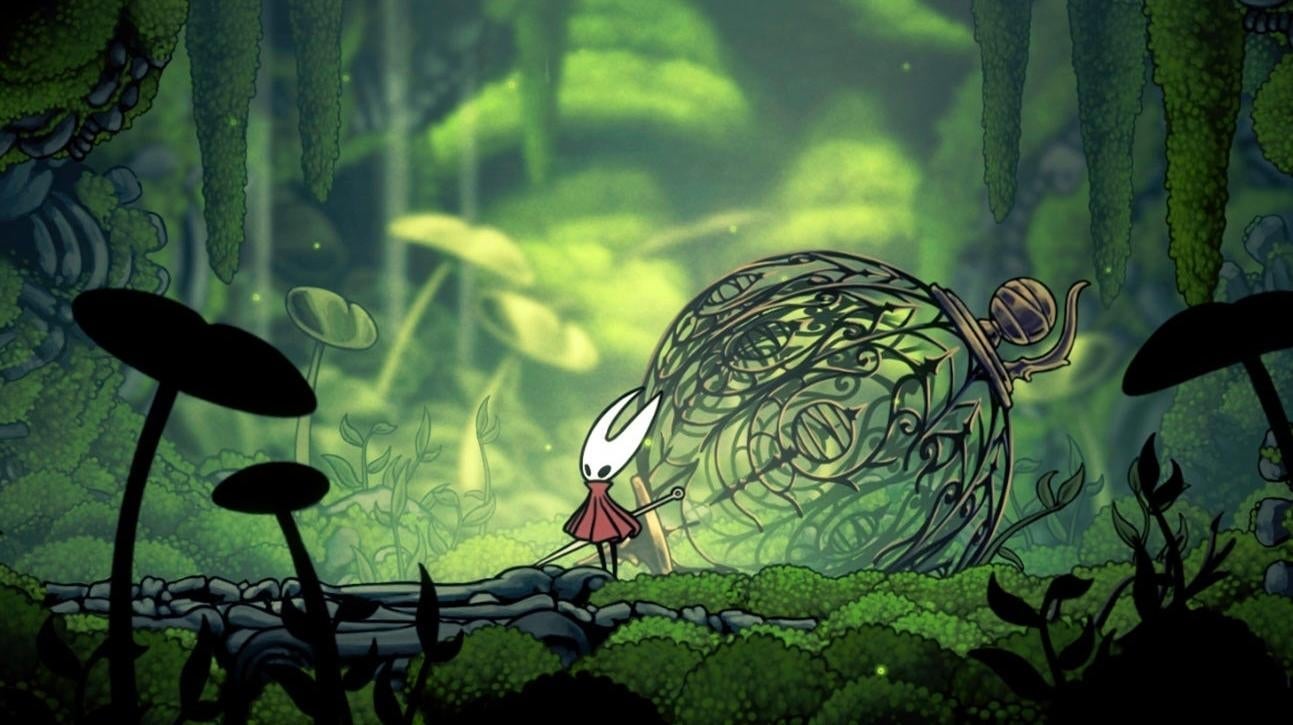
The game sold like gangbusters, and despite improved production values, a seven-year production cycle, and a roughly 30-hour single-player campaign, Team Cherry only raised the launch price to $20, up just $5 from the wildly cheap debut of Hollow Knight in 2017. As one of the most popular games on Steam in 2025, and a strong GOTY contender against AAA heavy-weights, Silksong raised the bar for what’s expected of other $20 games.
“I would say there is actually quite a lot of downward pricing pressure, especially with friendslop these days,” Curran said. She maintains a tool to help developers analyze and understand successful pricing models on Valve’s storefront and has game makers look at what their closest competitors are priced at in a given genre. If you can’t make a case for why your version of a roguelike or metroidvania should cost more than your most successful rivals, you’re hemmed in by the price ceiling they’ve already set, whether that’s sustainable for the project or not.
We saw this earlier this year with Tribute Games’ Scott Pilgrim EX, a retro pixel art beat-em-up that launched at $30. Many Steam users balked at the price and the game’s sales struggled on the platform, despite it being a generally great modern day homage to River City Ransom. Months later, Yacht Club Games launched Mina the Hollower, another retro adventure game, at just $20, and seemed to find more success as a result.
Of course, now with the influx of vibe-coded slop, all bets are off. The thousands of games coming to Steam each year have already made it harder than ever to stand out and command a premium price tag. Now indie devs will also have to contend with people trying to rip them off using genAI and launching hard-to-distinguish rivals just days later. The fear has already led a number of studios to ditch open playtests and free Steam demos.