Let’s just get this out of the way right at the beginning. Yes, EA and Bit Reactor’s new tactical Star Wars game, Star Wars Zero Company, plays and looks a lot like a modern XCOM game. It’s impossible to ignore the similarities, and considering the studio was founded by XCOM art director Greg Foertsch, it isn’t a mistake. There’s no debate about it: This is a team building an XCOM game but set in the Star Wars universe.
The question really is: Does Star Wars Zero Company feel like its own thing inspired by the past, or is it just a lesser reskin of a popular tactical strategy game? Thankfully, after playing nearly 30 hours of Zero Company and finishing the game, I can confirm Bit Reactor has made something special that takes advantage of the Star Wars universe to create a game far more impressive than a simple imposter.
Just be prepared for some janky cameras, weird pauses during combat, and graphical oddities.
Heroes on both sides
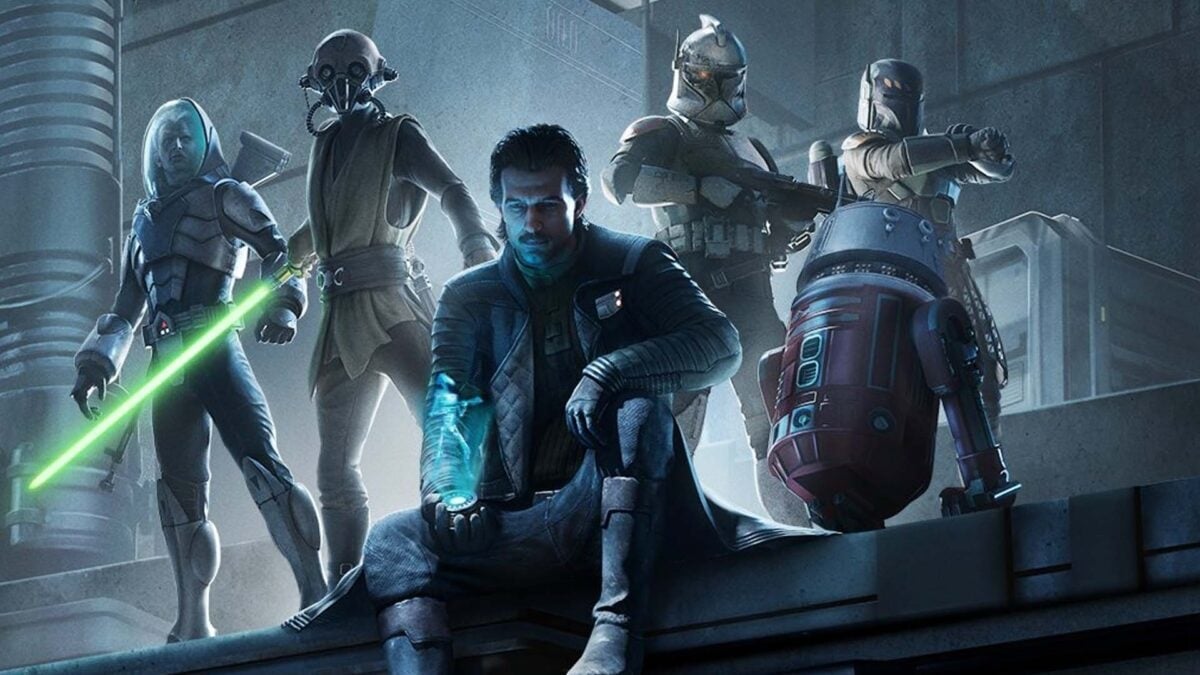
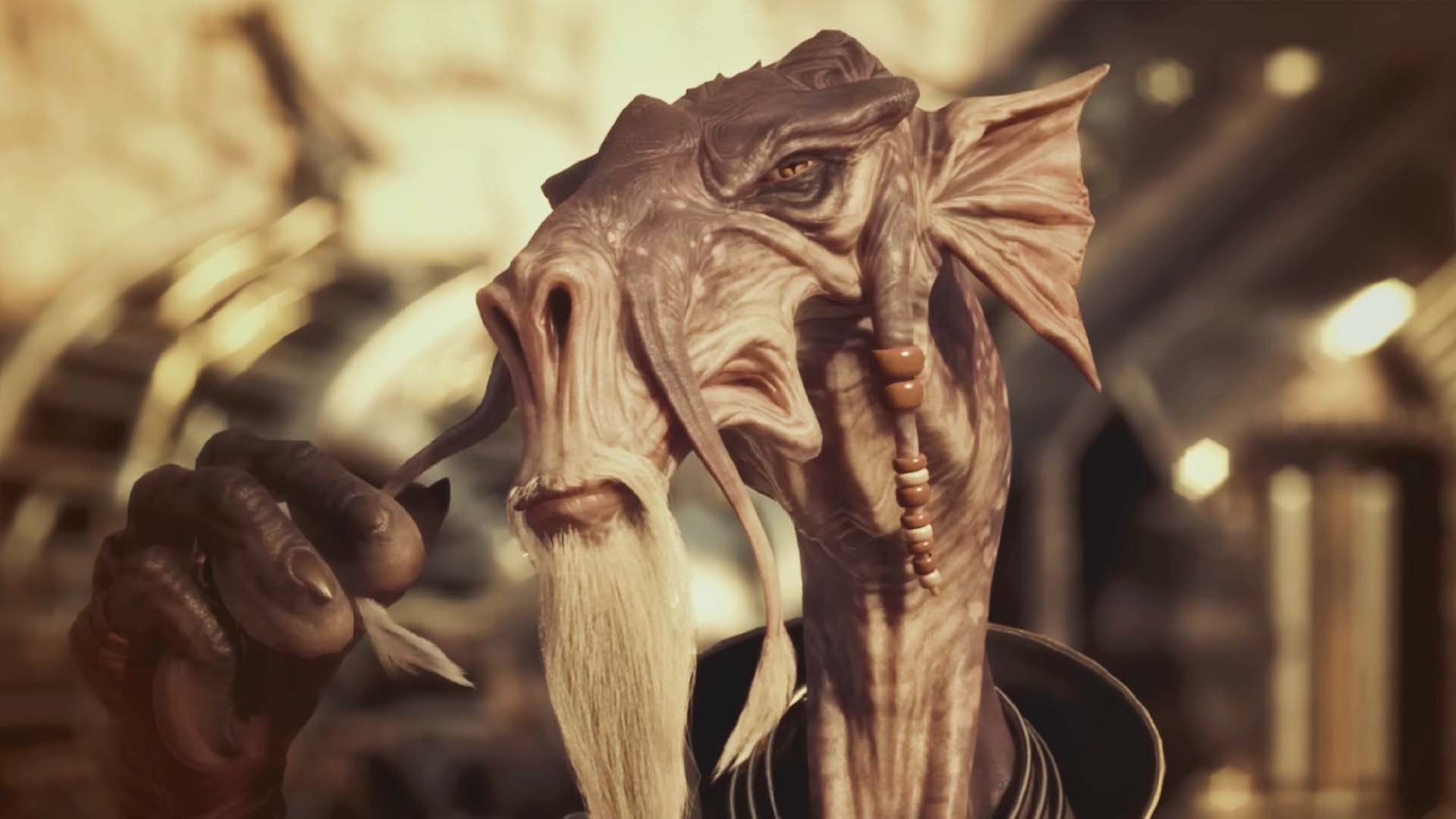
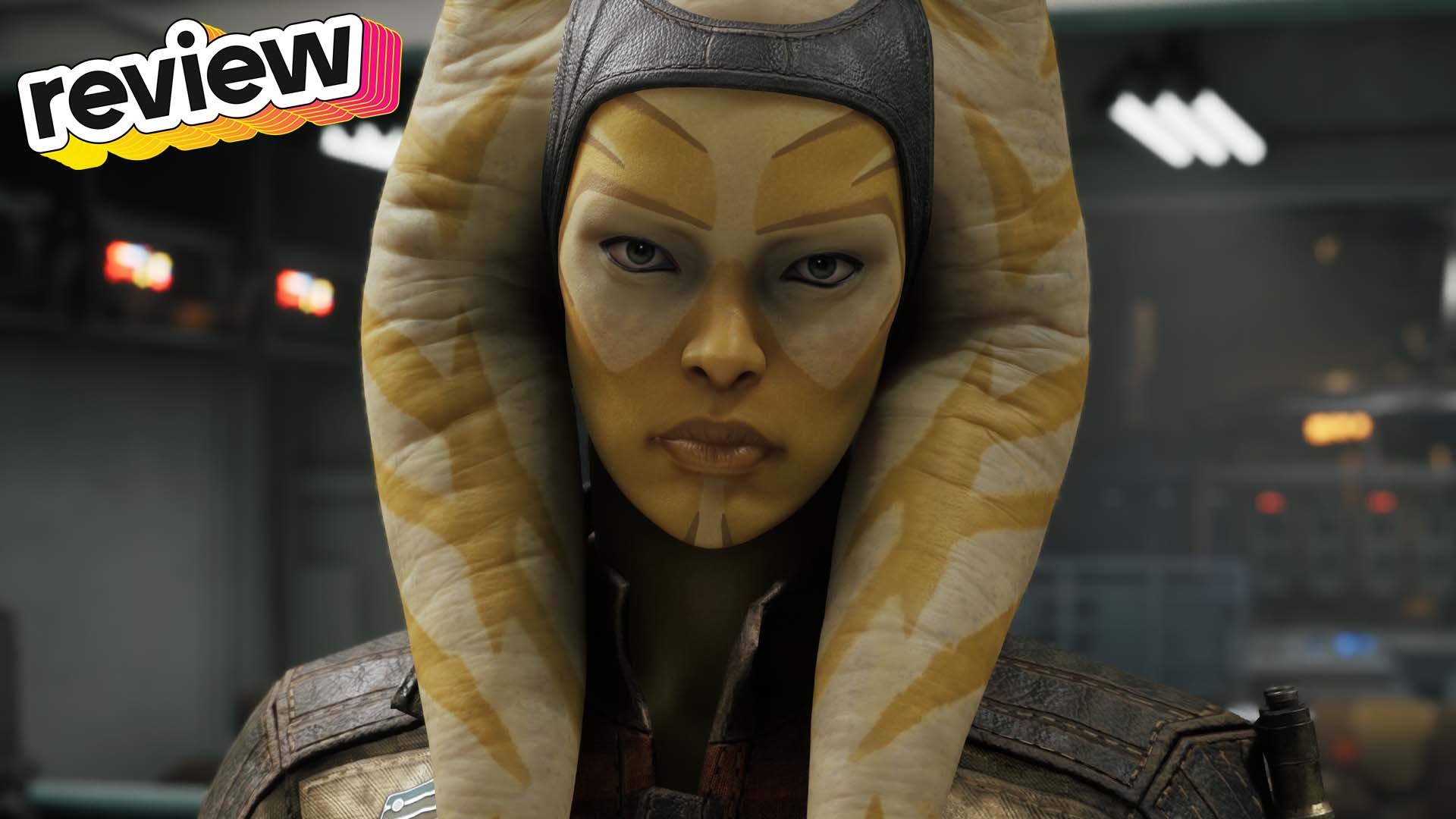
Star Wars Zero Company, out now on consoles and PC, is set during the final months of the Clone Wars. This is a time period seen during the prequel films as well as the Clone Wars TV series, both of which get referenced many, many times during the game. In Zero Company, you take on the role of Hawks, a former Republic captain who was kicked out after a mission during the war went bad. Now he runs a small mercenary outfit with his Togruta second-in-command Runa, injured Clone soldier Trick, old friend and former alien boxer Kabbney Uppercut, and Lesat smuggler Neesh. (Hawks can also be a woman, and can belong to an assortment of Star Wars species.)
Things aren’t going well for them at the start of the game, so Hawks and Zero Company end up agreeing to work with the Republic covertly to take on a growing cult of creepy people led by a woman named Fathom who seems to have an unnatural ability to control her followers and others.
Over the next 20+ hours, Zero Company tells one heck of a good Star Wars story, one which rivals most of the recent live-action productions in terms of writing, pacing, and just feeling like good ol’ Star Wars. You got twists, turns, meaningful cameos from characters like Anakin Skywalker, and so much more that I won’t spoil here because I truly don’t want to ruin it for anyone.
What I will say is that by the end of Zero Company, I was sad it was ending even though its finale felt perfect.
What made it so hard to stop playing Zero Company were the interactions between my crew and the relationships that developed over the course of the game. By the end, Hawks ends up recruiting former Separatists, Republic clones, criminals, Jedi, and bounty hunters. How they interact with each other between missions made returning to base so much fun. And there’s a ton of dialogue in this game. I rarely heard the same line twice and learned so much about each operator. Zero Company even rewards you for chatting with your crew and includes a mechanic dedicated to tracking how well everyone is getting along or how much they hate each other, which might sway your choice when forced into a tricky situation.
A great example of this is the relationship between Trick and an Umbaran sniper named Luco. These are two people who fought each other in the Clone Wars on a planet with some of the worst, bloodiest battles in the war. Watching that relationship play out, knowing that any character in the game can be permanently killed, really blew me away.
A lot of work went into cutscenes and writing that some players won’t see simply because they fucked up during a battle and lost a good soldier or friend.
War does not make one great
When not hanging out with your crew, you’ll be out on various planets fighting enemies, including droids, cultists, and hired guns. And it’s here that Star Wars Zero Company feels the most like XCOM, but in a good way.
You’re able to bring in up to four squad members on each mission. Each character has a different role, like sniper or medic or gunslinger, which grants them abilities and bonuses. Once you’ve selected a crew and made sure they have some gear and weapon mods, one of two things will then happen.
About 80 percent of the time you’ll land on the planet and immediately be in a fight. Each operator on your squad has three action points, which limits how far they can move, how much they can attack, and what else they can do each turn.
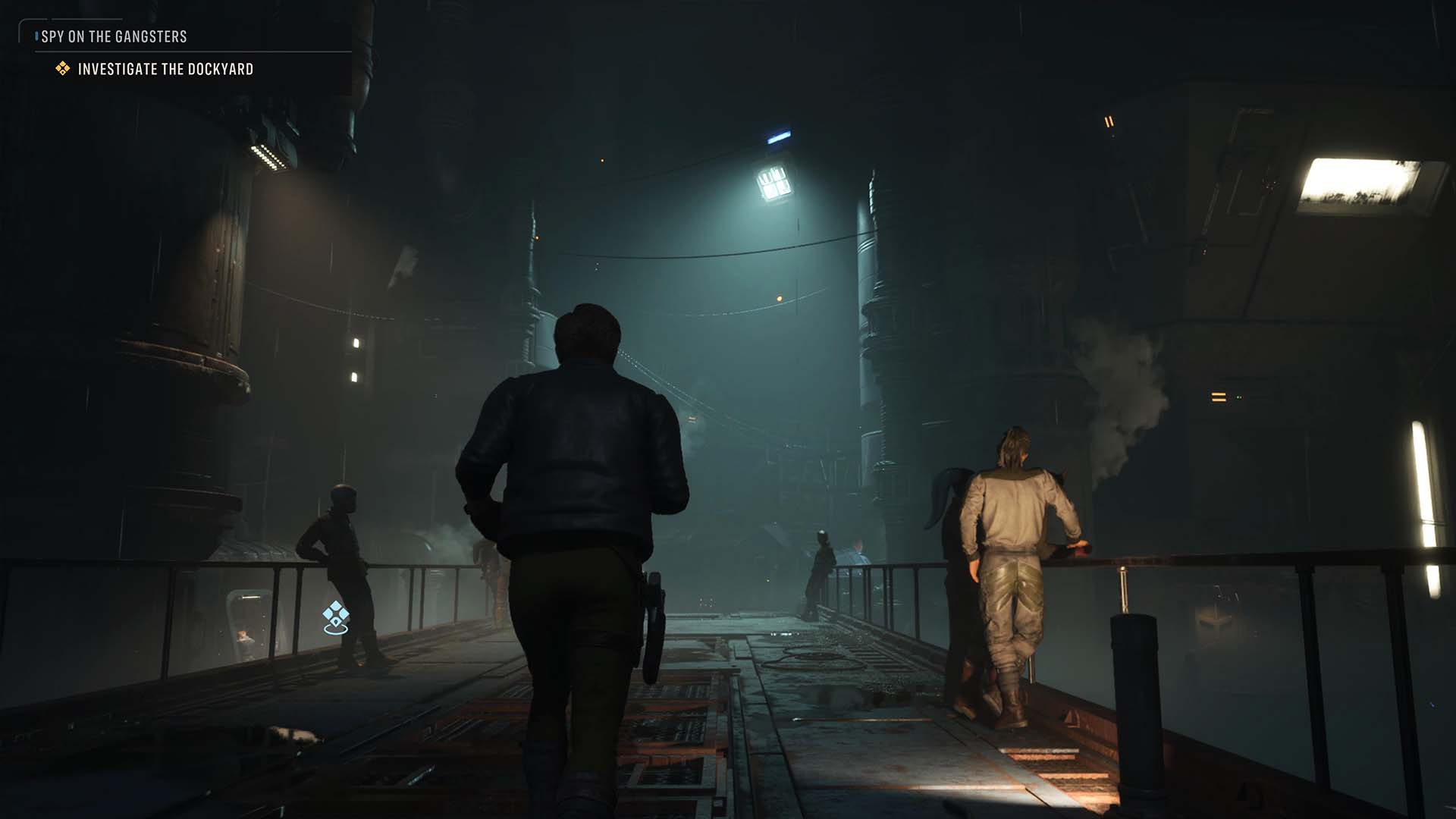
The other 20 percent of the time, you’ll first walk around a planet or city in third-person as Hawks in segments that feel superfluous and not needed. There’s really only one mission that takes advantage of this third-person exploration mode. The rest just feel like a waste of time. Characters rarely talk in these moments, and there are no threats or puzzles. It does provide a great look at some of the environments and levels in Zero Company, all of which look incredibly detailed and feel ripped right out of a Star Wars movie or show. But if these were removed, I wouldn’t be complaining.
Anyway, regardless of whether you land and walk around first or get right into the action, the turn-based tactical combat in Zero Company is exquisite.
Sometimes my team would fight waves of enemies; at other times they’d have to defuse bombs, save injured civilians, or even outrun a bomber. I never knew what to expect mission-to-mission, which made each operation exciting and helped cover up the fact that the same map pops up from time to time when revisiting planets.
Tactical turn-based games like this live and die on how many options are available to you each turn and how every move or action interacts. You need enough options that it feels like there’s a way out of every bad situation, but it might not be easy or safe for everyone involved. Yet, have too many options at your fingertips, and it can feel overwhelming. Star Wars Zero Company nails this balance.
Even early on, I felt like my operators had a few different things to do each turn, from just shooting an enemy to watching an area for movement, to moving away and getting into cover.
A smart mechanic in Zero Company I want to call out allows one of your squad members to call on someone else nearby to assist them in a fight each turn. Not only does this system add yet another useful option, but it also gives you more ways to help operators bond, leading to their relationship growing stronger and new bonuses unlocking for each operator.
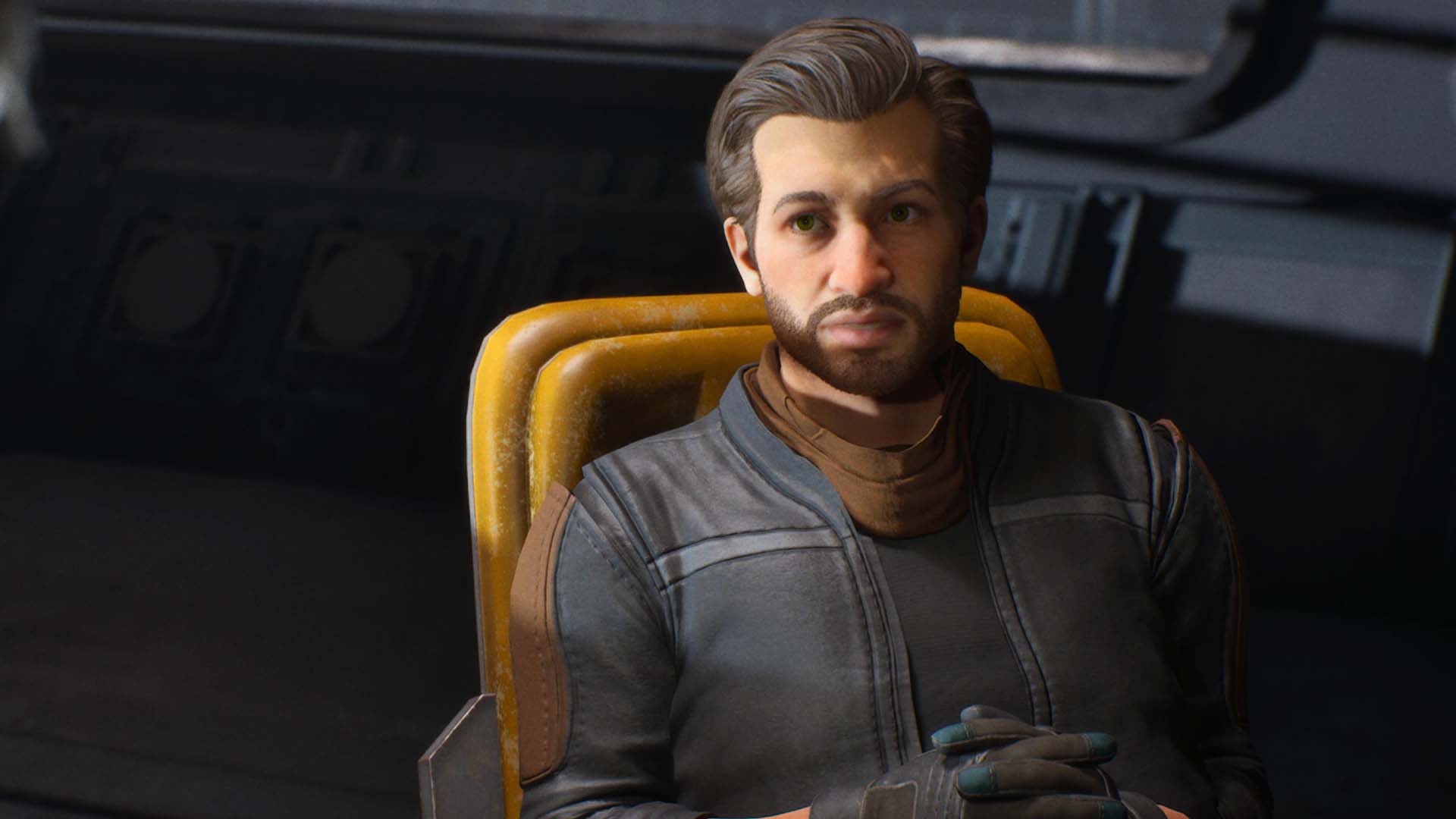
Star Wars Zero Company
-
Back-of-the-box quote:
“Do or do not, but I might still miss that 90% chance to hit shot.”
-
Type of game
Tactical turn-based strategy game with third-person segments.
-
Liked
Looks and sounds like Star Wars, great tactical combat with lots of options, and a story that is engaging from start to finish.
-
Disliked
Performance issues, weird camera bugs, janky moments, and superfluous third-person segments.
-
Developer
Bit Reactor
-
Platforms
PS5 Pro (played), Xbox Series X/S, PC
-
Release Date
August 27, 2026
-
Played
28 hours. Finished main campaign and all side character missions, fully upgraded base.
Something I also appreciated in Zero Company is how different some units feel. The Jedi character you can recruit in Zero Company plays so differently than anyone else, using lightsaber attacks and Force abilities instead of gear and armor. Meanwhile, droids have their own strengths and weaknesses and act as little support units that zip around the fight. I even had a Mandalorian bounty hunter who could jetpack to far-off spots and shoot shock darts at targets to slow them down, which made her feel unlike any of the other operators.
Mixing and matching all these various types of units isn’t just fun; it also fits in perfectly to a common Star Wars trope of found families made up of ragtag groups of disparate people coming together to take on a bigger threat.
Later on, as I completed more missions, unlocked more upgrades and better gear, and outfitted my crew with better weapons and abilities, my toolbox grew bigger, and I started chaining together more complex situations.
One of my favorite things to do at the end of a turn was to put a few operators on overwatch, a mode that lets them react and fire at an enemy moving in their view, and then use a grenade to blast a few droids out of cover and into their overwatch range. Then I just sat back and watched all those droids get popped over and over via some cool, slow-mo cinematic close-ups.
What a piece of junk!
And then sometimes, the camera would point at a wall, and I’d miss the cool moment entirely. Or I’d order someone to do something and then wait up to a minute for the game to uh…do it.
While Zero Company’s combat is filled with awesome moments that made me cheer (and some sad moments when characters missed a high-percentage shot and doomed their ally), my time with the game was also filled with so many janky moments and problems.
Some of this stuff is minor. For example, during cinematic shots, like when a Jedi tossed lightsabers at someone or a sniper took a long shot, the camera occasionally would be obscured by a building or tree.
But other times, the issues were far more troublesome. Often I’d be told reinforcements were arriving on the battlefield and the camera would just not show me their arrival. Worse, there were times when one of my units took damage, but the camera would zip to another part of the battlefield before I could see how bad the shot was or what had happened. In all of these cases, once I got control back, I could check things out and go from there.
More annoying was how often Zero Company would hang up during fights. This seemed to happen during bigger fights involving many enemy soldiers or droids. There were times when I’d end my turn or try to use an ability and the game would lock up for nearly a minute or so before finally moving forward. This sometimes happened multiple times in a row during really big fights. It sucked all the momentum out of a battle.
I also ran into many performance issues, both in and out of missions, where the framerate would collapse and jump around like a womp rat on a hot, sandy desert. I played on PS5 Pro and was shocked by how up and down performance was, though I never experienced a full-on crash.
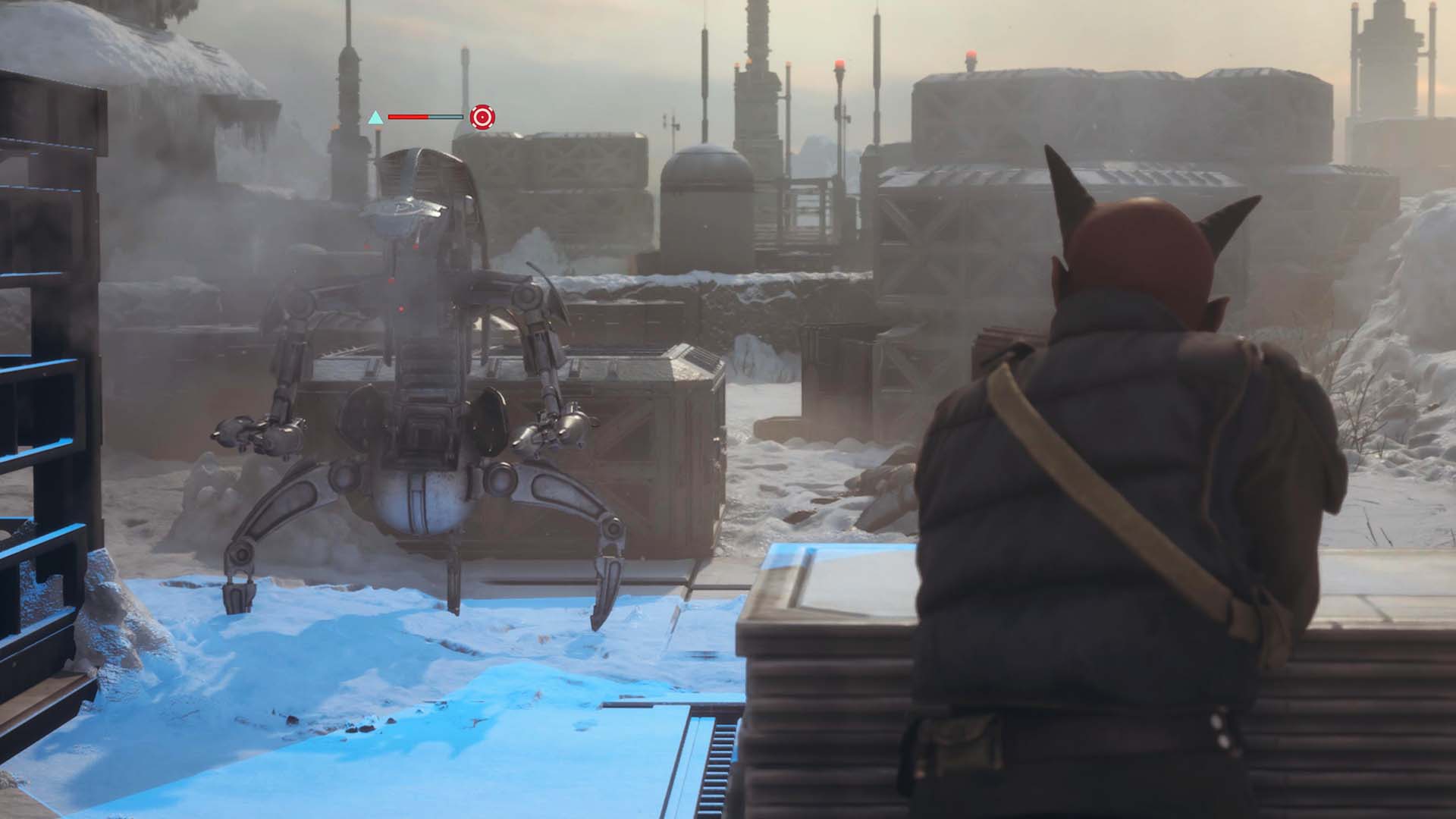
It’s a shame that Star Wars Zero Company’s combat can suffer from performance issues, janky camera problems, and other bugs so often, because when it’s working, it is a great time. Hell, even when it wasn’t working perfectly, I still had a good time blasting droids, cheering on my soldiers who nailed far-off shots, or holding my breath as a big enemy targeted a nearly dead character I loved. I just wish I didn’t so often have to put up with technical issues and hang-ups while battling an evil cult or some deadly droids.
Star Wars Zero Company is both a fantastic Star Wars game, one of the best in years, and also a deeply frustrating game due to its myriad of technical problems. I loved getting to know my crew, recruiting new members to fill out Zero Company, going on challenging missions to stop the cult, and slowly leveling up soldiers to make them powerful warriors on the battlefield.
I love Star Wars and turn-based tactical games enough to look past the jank and some unnecessary on-foot segments and see something really special and meaningful. But for those who aren’t as into Star Wars or these kinds of games, Zero Company might be too messy to enjoy. And with reports that the studio behind it has furloughed much of its staff, I’m not confident Zero Company will get the post-launch support and love it needs and deserves.
If it does get some needed patches, Star Wars Zero Company will likely go from a good Star Wars game that’s tricky to recommend to a fantastic Star Wars game that I’d suggest everyone who loves XCOM check out.