It is very easy to rag on the Marvel Cinematic Universe for being an absolute shitshow these days as the comic book movies flail about, trying to salvage an ongoing storyline while Marvel pretends it isn’t putting the tracks down in real time for its Multiverse saga. There was a time when Marvel bringing together disparate elements of a shared universe felt intentional, and paid off in a big way. Those early phases leading up to Infinity War and Endgame, when we’d see a movie or two a year at most that were actively nudging a larger story along, were a pretty unifying experience for moviegoers. Now the MCU has been pulled in so many different directions, with Marvel releasing over a dozen TV shows of varying importance and soft-rebooting the Multiverse storyline to retreat into a nostalgia play with Avengers: Doomsday that has Chris Evans and Robert Downey Jr. returning after “retiring” from their roles in Endgame. But sometimes, there’s a fleeting moment in which Marvel harnesses years of buildup across these movies and shows to create something rewarding and emotionally fulfilling. VisionQuest is the latest project out of Marvel to come close.
The first two episodes of the latest MCU Disney+ series premiered last night, and as the third in a trilogy of shows alongside WandaVision and Agatha All Along, it naturally has ties to those (also great) series. While Marvel’s Disney+ output has been inconsistent to say the least, the Wanda and Vision trilogy has been some of the best stuff Marvel’s put out on a big or small screen. In fact, it’s so steadfast in its, er, vision of what it wants to explore with these characters that it was glaringly obvious when a different director decided to take the Scarlet Witch in a different direction in Doctor Strange in the Multiverse of Madness. Though Agatha All Along and VisionQuest have had to deal with decisions made in that movie, the trilogy overall has resulted in one of the best and most well-earned payoffs that it’s been able to conjure in the near-decade since Endgame.
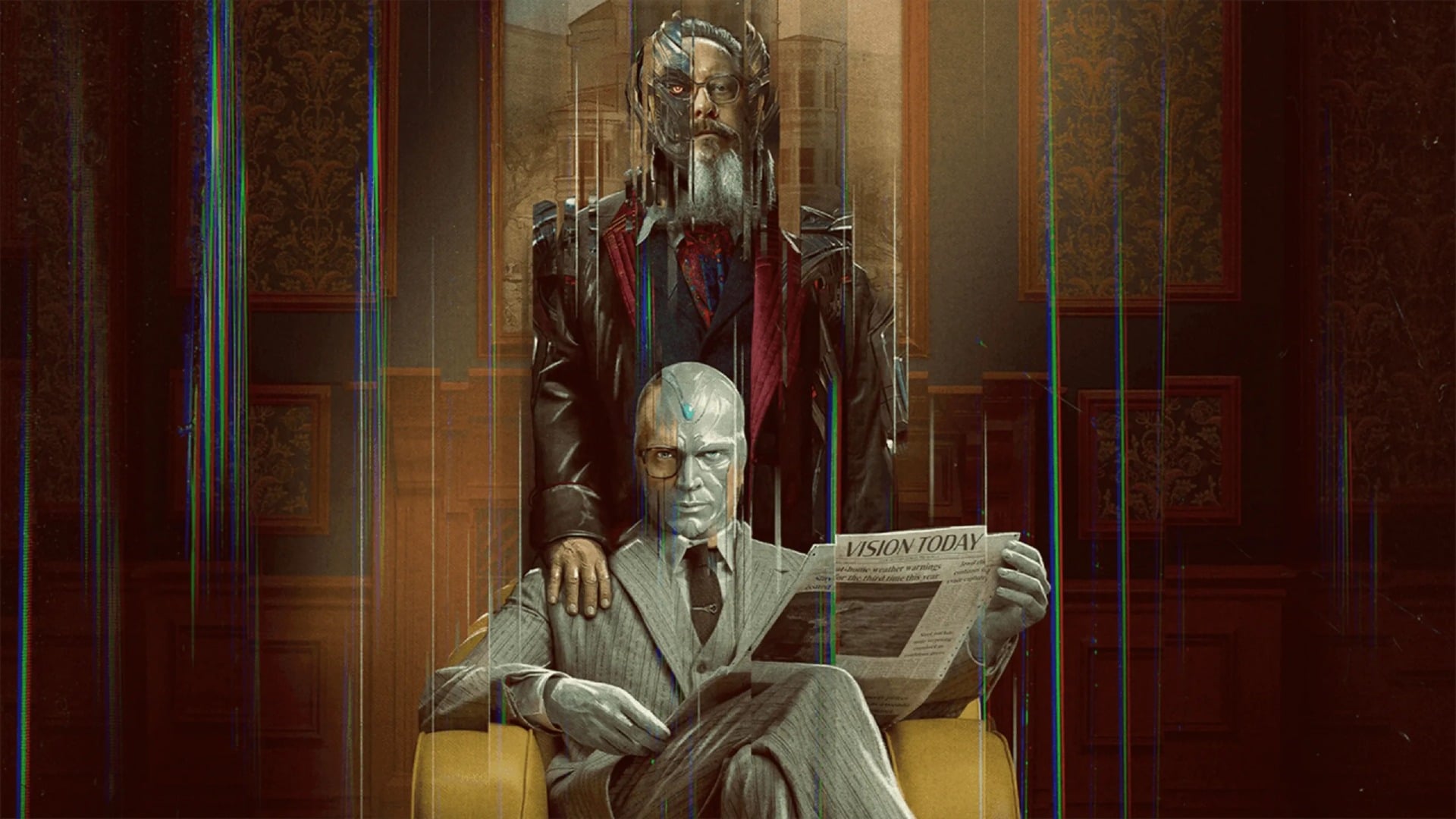
VisionQuest follows White Vision, the rebuilt facsimile of actor Paul Bettany’s hero after the events of WandaVision. He has been given the memories of the original synthezoid, but he admits that while he can remember everything the Avenger went through after he was “born” in Age of Ultron, he doesn’t have any emotional attachments to those events. That said, he’s not above sentimentality. Inside his powerful processing unit, he has created a “house” for him and hIs “family” of AI units from throughout the MCU’s history to gather as human-like avatars, with several of the returning actors who primarily portrayed those synthetic characters as voices finally getting to make on-screen appearances in Vision’s mind home. It’s a cute way to bring a lot of characters who were mostly just supporting the heroes as omnipresent voices in their headsets to the forefront as major players in an ensemble cast.
The most notable resident in Vision’s house is, of course, Ultron, portrayed once again by James Spader, and Vision is clearly dealing with the push and pull of having what is, in human terms, his “father” living in this mind palace with AI constructs he actually trusts. Having Ultron here is important because Vision is already reckoning with whether or not he really has any “claim” to the life the original Vision lived, but as he struggles with this, he finds he has a hard time discarding even the painful parts of Vision’s life, including Ultron, who Spader plays as a distant and conniving father figure that Vision struggles to co-habitat with. Having someone he’s not even sure he should call “dad” causing problems in the attic is about as overt an encapsulation of the show’s themes as you can get.
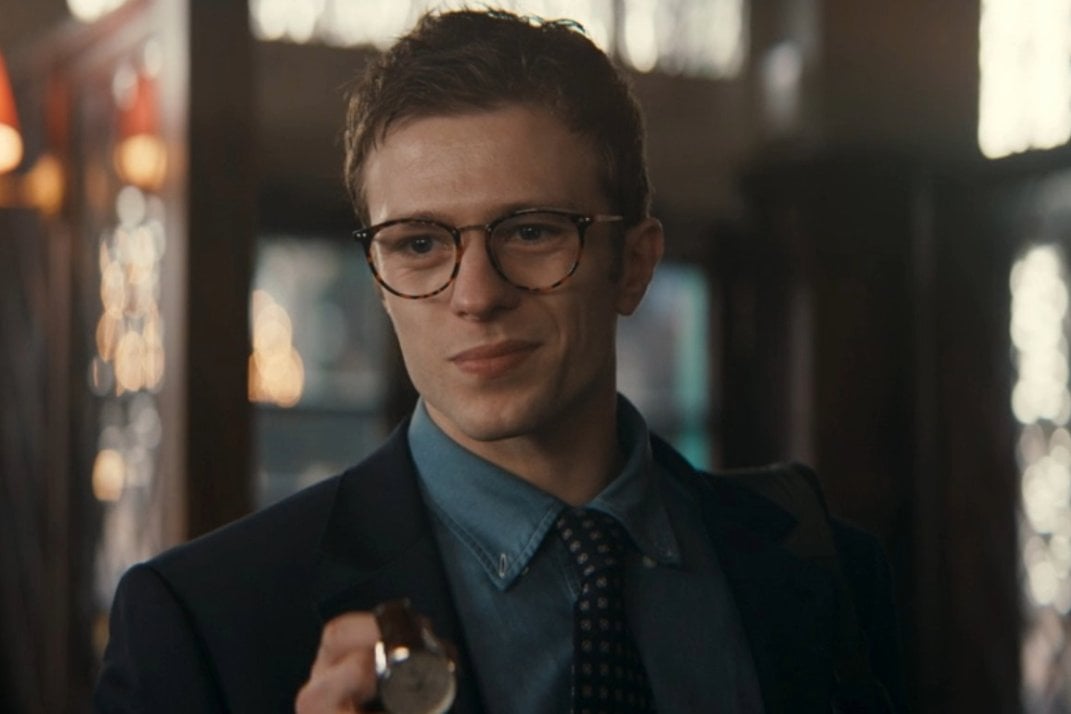
It turns out the internal struggle of the self is a generational fight. During the events of Agatha All Along, Tommy, one of Wanda and Vision’s conjured sons, was cast into the body of a teenager in London called Thomas Shepherd. Tommy is now also warring with two conflicting lived experiences in his mind, and unlike his brother Billy, whose soul was imprinted into the body of a teenager with a loving family, Tommy has no support system or family to speak of, despite holding memories of a mother, father, and brother in a suburban town that no longer exists. At the end of episode two, Vision and Tommy are reunited, though neither of them are ready to call each other father and son, but Tommy says that Vision is his “something,” and that makes fighting against a bounty hunter dead-set on taking the ex-Avenger into custody worth it, even if they’ve just “met” in this life.” Sure, Marvel isn’t known for subtlety, but when it’s got a concise theme to work with, it can pursue it in earnest and wear its heart on its sleeve in a way that I am not immune to.
Episode two ends with Vision, Tommy, and a projection of Ultron all riding in an escape car, leaving Todd Stashwick’s deadly but perhaps wildly incompetent Paladin in the dust. I’m not sure I’m sold on the villain, who has done little to feel like a real threat against Vision and his speedster son even when firing Vibranium bullets at the former’s metal shell, but what I am sold on is how VisionQuest brings together years of character work, done in films and shows ranging from Age of Ultron to Agatha All Along, to dive into what feels like an earned, therapeutic catharsis for the MCU’s most tortured family of heroes in a way that could lead to something real and substantial for the movies’ future.
WandaVision kicked off the whole Disney+ initiative in 2021 and showed that the MCU is best when it is experimental, intentional, and doing more than just killing time between the bigger tentpole movies, even if Marvel often proves it misunderstood that in the long run. Now, five years later, its second “sequel” is proving that approach was always the secret to its success. We’ll see if it can live up to all that promise as more episodes roll out over the coming weeks. New episodes of VisionQuest premiere on Disney+ on Tuesdays at 9 p.m. Eastern.