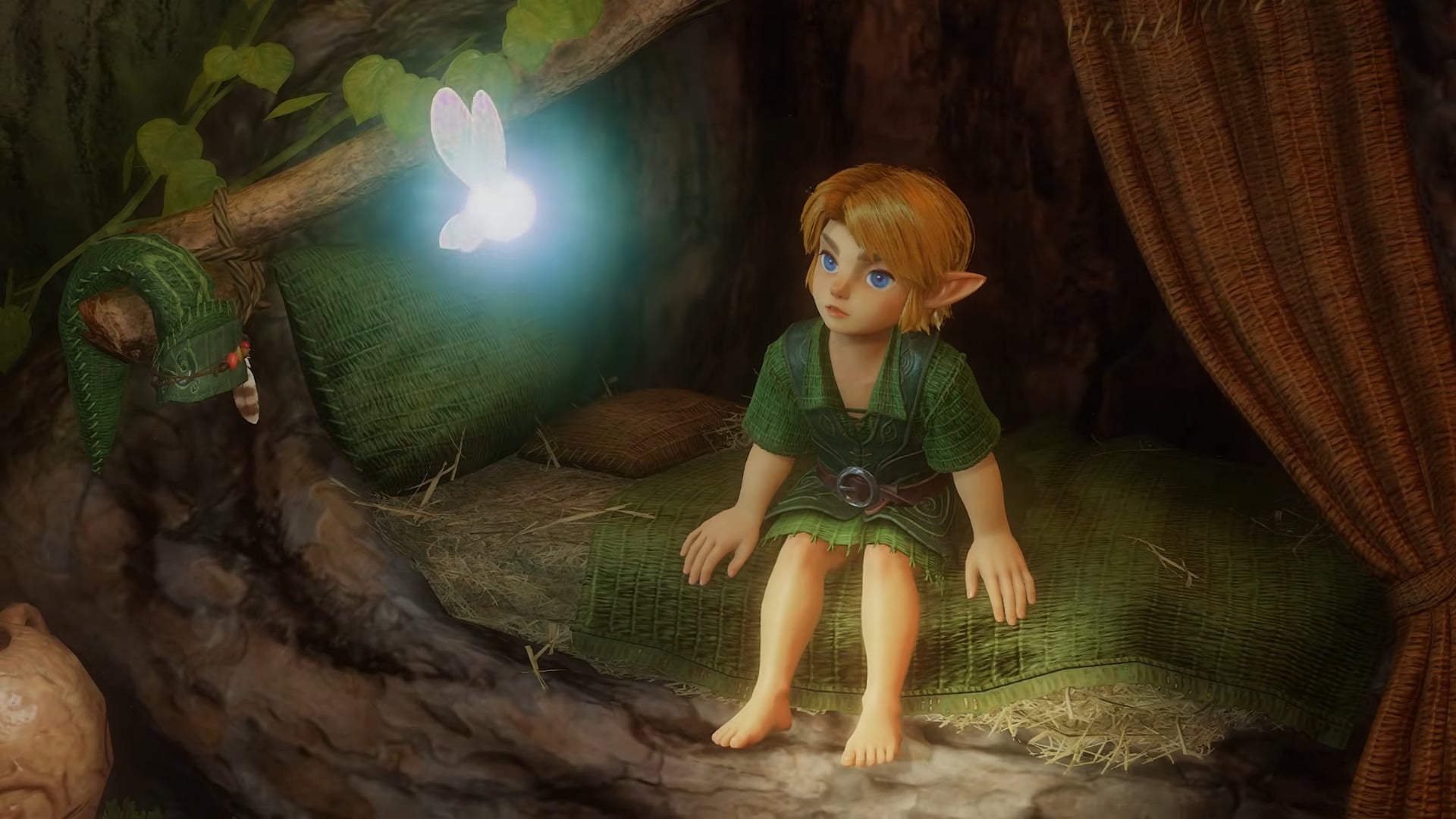

The prehistoric 1990s were a different time for video games. Mascot platformers roamed the untamed jungles, with Mario and Sonic eternally duking it out while Crash Bandicoot, Spyro, Croc, Rayman, and countless imitators scattered underfoot. Fast forward to now, and “mascot platformer” is barely even a genre anymore. A handful of big names remain, but most developers stopped trying to make the next Mario a long time ago. On this week’s Splitscreen, we dig into what happened.
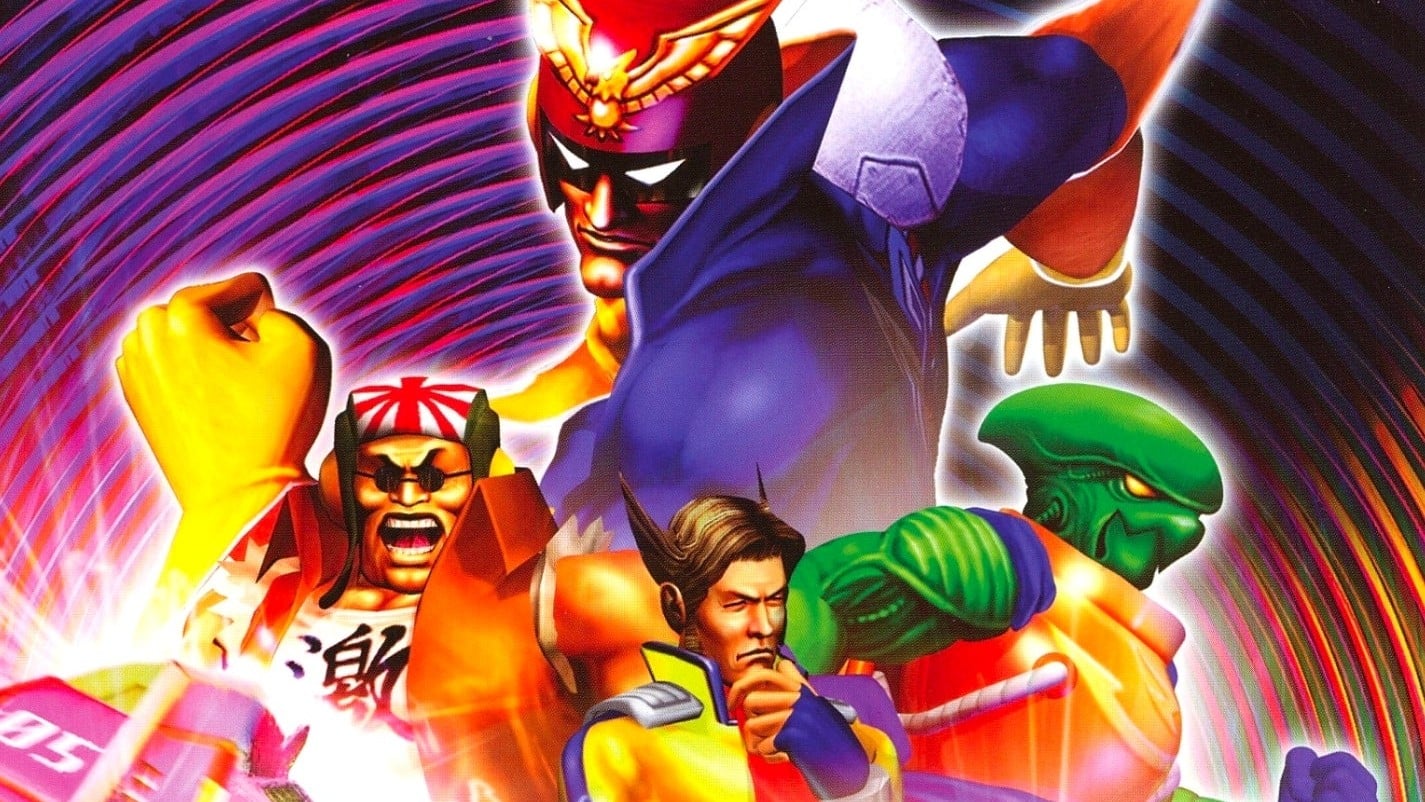
To kick off the episode, Mike Fahey quizzes Ash Parrish and me on the history of video game mascots, touching on ubiquitous figures (Pac-Man), legends lost to time (Capcom used to have a mascot named Captain Commando), and characters Fahey has tattooed on his body (Jazz Jackrabbit). Then we move into a discussion of the latest installment in one of the few remaining popular mascot platformer series, Ratchet & Clank. Fahey, who’s beaten the game, tells us how good it is, but also that it definitely plays the hits of its own history, making it less than it could have been
For our final segment, we bring on a very special guest, former Rare programmer and co-founder of Playtonic Games Chris Sutherland, to talk about what it was like to create two of the most enduring video game mascots of all time, Banjo and Kazooie, along with more recent creations like throwback platformer Yooka-Laylee. Then we discuss why the mascot platformer boom ended after the ‘90s and how modern games can pay homage without leaning so far into nostalgia that there’s no coming back.
Get the MP3 here and check out an excerpt below.
Chris: It’s interesting, isn’t it, how these games seemed to just disappear after the ‘90s. My theory is that maybe it’s because, if you go back to the PS1, PS2, PS3, and so on, as each console generation came out, the push seemed to be more—what I remember at the time is, they’d be showing you demos and, sure, there were rubber ducks, but there was often more focus on realistic faces. And it was like, “Whoa, look how amazing the details are.”
It was all about realism, because you’re going from machines which could do realism like Goldeneye, but you can only do so much with a limited number of polygons. It’s much easier to do stylized content that’s more cartoony. But then as you get more and more power, these machines become more capable of doing things that are more realistic. And so these things are getting teased to players, and game makers are thinking, “That’s what excites people,” so they start to skew their games older.
So you have games that probably still have some elements of things like collecting and all kinds of interacting and adventuring. You know, the things Naughty Dog do with Nathan Drake. So the gameplay is still in there, but it’s dressed up for a slightly older audience. Particularly I suppose as people have grown older, they want something that feels a bit older. I think maybe that might be one of the reasons there’s been a drift away from those mascot-type games. That’s one theory anyway.
Fahey: You can also say that mascot games have changed. As I was looking at mascot characters for this podcast, people were saying, “An Xbox mascot is Marcus Fenix.” Not what you traditionally think of as a mascot character, but Nathan Drake and Marcus Fenix have kind of come in and taken the place of some of these mascot characters. I mean, good for the video game industry for getting advanced enough that you can have a character that looks like a real person and resonates with people like a real guy, but still, I’m always a child of the ‘80s and ‘90s, and I love my cartoon characters more than anything.
Chris: Yeah. I mean, if you have a mascot character that appeals to everyone, I guess from the platform-holders’ point of view, you’ve got more flexibility, I would assume. If you can have a Mario-style character, you can show it to anybody of any age. Whereas if you’ve only got Master Chief or Marcus Fenix, you’re kind of limited. I suppose you can always do a Lego version.
Fahey: You could do Gears of War tennis.
Nathan: That would be amazing. I want Gears of War tennis—with Waluigi still. No one knows why he’s there, but he’s there.
Fahey: Take cover behind the net!
Nathan: But I think another thing, whether fair or not, is that it seems at this point like the mascot platformers that do come out are pretty laden in nostalgia. I think that’s very true in y’all’s case with Yooka-Laylee, since you were deliberately hearkening back to Banjo Kazooie. But do you think modern mascot platformers can still break new ground? Or are they kind of intrinsically nostalgia trips at this point? Is that just sort of what they’ve been relegated to?
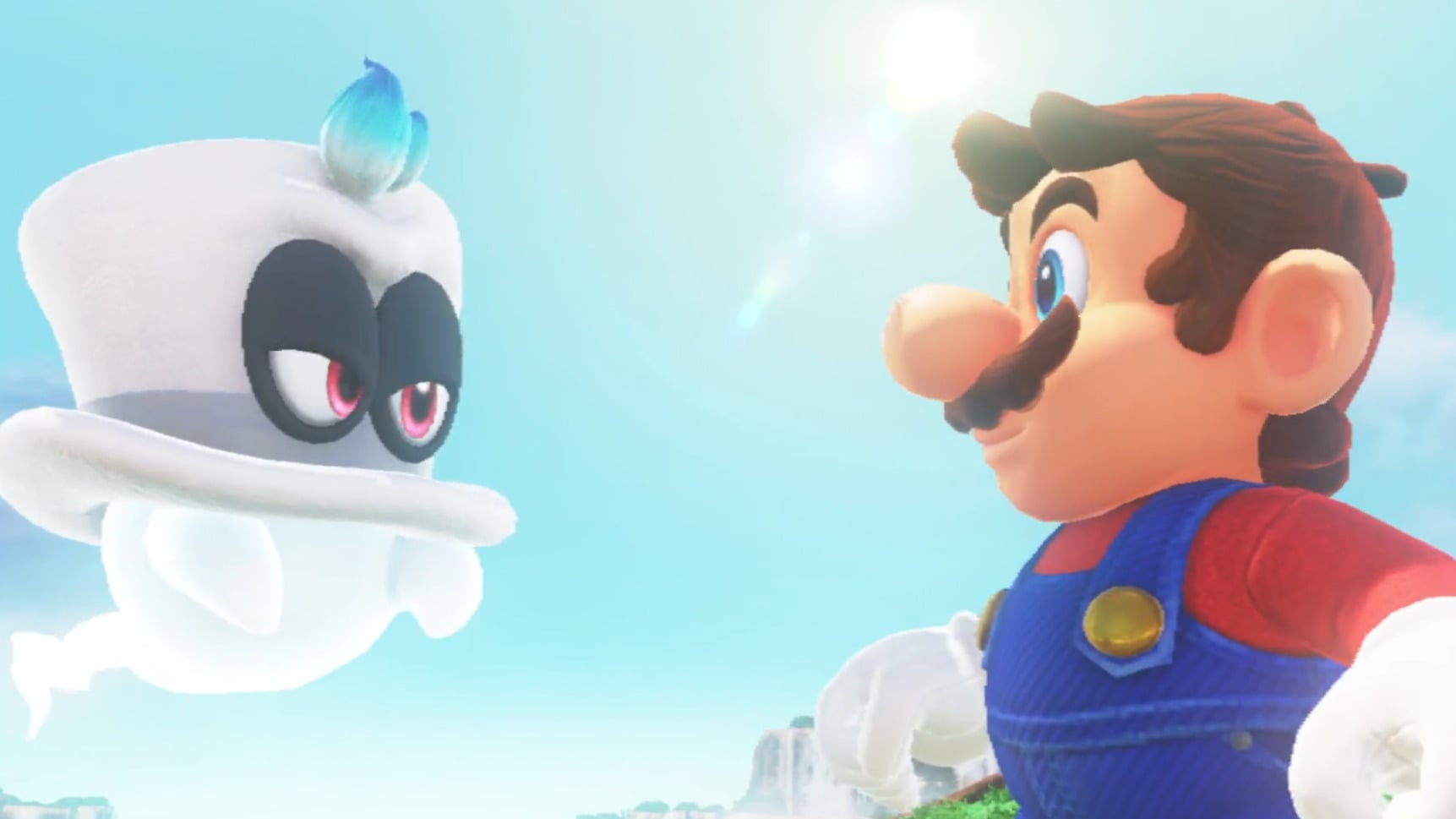
Chris: I think they have to break new ground, really. I think you see some of these things in the way that Nintendo’s doing that with games like Mario Odyssey—the way they’ve progressed that. If you look back to previous titles in that series, they’ve progressed each time. Even with Bowser’s Fury, they’ve progressed even further still. They’re kind of generally pushing, but that’s Nintendo for you.
For everybody else, I hope there’s a way to move things forward and that we can see new things in this genre. Otherwise you’re just gonna have the same people who are gonna look at it from a nostalgic point of view, and I think in terms of an audience, that’s not a great one to have. They’re gonna dwindle in size. You kind of need new things and exciting things to keep people interested.
Nathan: What does that mean for yourself and your next game, which I assume is going to be called Two-Ka-Laylee? When you look at something like Mario Odyssey, what do you think you can take from that?
Chris: So we do look at a lot of the new games Nintendo comes out with, mainly because they are the pinnacle of what is out there. We take inspiration from the kinds of things they do. But if you go back to Mario on Nintendo 64—and this is something that was in Banjo as well—they’ve [since] done things where you go into worlds, and you stay in the world instead of getting knocked out of it and having to go through and do all these things again before you can get to the next star, or in Odyssey’s case, moon. By having the moons in the world so that they’re there, you collect one moon and then you continue on your journey, that’s a nod to the fact that it’s on Switch. You pick it up and put it down, and you want it to be a snack-sized challenge so you can go, “I’m trying to get this far or that far now,” and there’s enough content in that game where they don’t have to throw you back to kind of make you go through everything again. You can always see new content—unless you’re gonna play for many, many hours.
So that kind of idea is quite interesting—the idea that you’re not having to backtrack so much. Until the very latest stages of Odyssey, where they have things that you’d seen throughout the whole of your playthrough, but then there’s these strange cubes, and you’re like, “I thought I’d completed the game, but there’s these cubes.” And so it opens up again. That’s a great example where somebody can play through and feel they’ve finished the game and put it away, but for somebody else who really wants more, it’s like a sponge, and they can just keep squeezing it. The range of people that appeals to is great, because it’s not an insurmountable challenge for everyone. It’s like, “I’ve defeated the enemy, I’ve rescued who I needed to rescue, and I’ve completed the game. There’s the credits.”
We see now where there’s people who are really focused on and interested in one game, and they’ll play it to death. You want to give something to those people, as well as to the people who are just gonna play it once. You want to give something to everybody who’s gonna play, so you want to work out how to do that, as well as how it balances with your development time.
Ash: One final question: Given that Kazooie can walk with a bear on her back, how much can she leg press?
Chris: I’ve never been asked that question! At least the weight of one bear and a backpack, I guess. She’s quite strong there, but she was also, in Bubblegloop Swamp with the Wading Boots, able to extend her legs. She could have very long legs and still carry a bear, so that was probably even more of a feat of strength. Exactly what weight Banjo is, I don’t know if that’s ever been documented, and I don’t know if I know the answer to that. If you can find the weight of a bear, that’s a good starting point.
For all that and more, check out the episode. New episodes drop every Friday, and don’t forget to like and subscribe on Apple Podcasts, Spotify, or Stitcher. Also, if you feel so inclined, leave a review, and you can always drop us a line at [email protected] if you have questions or to suggest a topic. If you want to yell at us directly, you can reach us on Twitter: Ash is @adashtra, Fahey is @UncleFahey, and Nathan is @Vahn16. See you next week!