It’s been several years since I last played Persona 4, and I feel like a lot of my most vivid memories of Atlus’ supernatural murder mystery RPG are about things that the nearly two decades since the game originally launched in 2008 have made me worried to revisit. For a lot of players, Persona 4’s story feels dated, and fails to live up to its own themes of accepting oneself as it throws the very characters who are working through their own shit under the bus. So when I got a chance to play some of the early segments of the Persona 4 Revival remake, I was pleasantly surprised to see how much some parts of it still hold up.
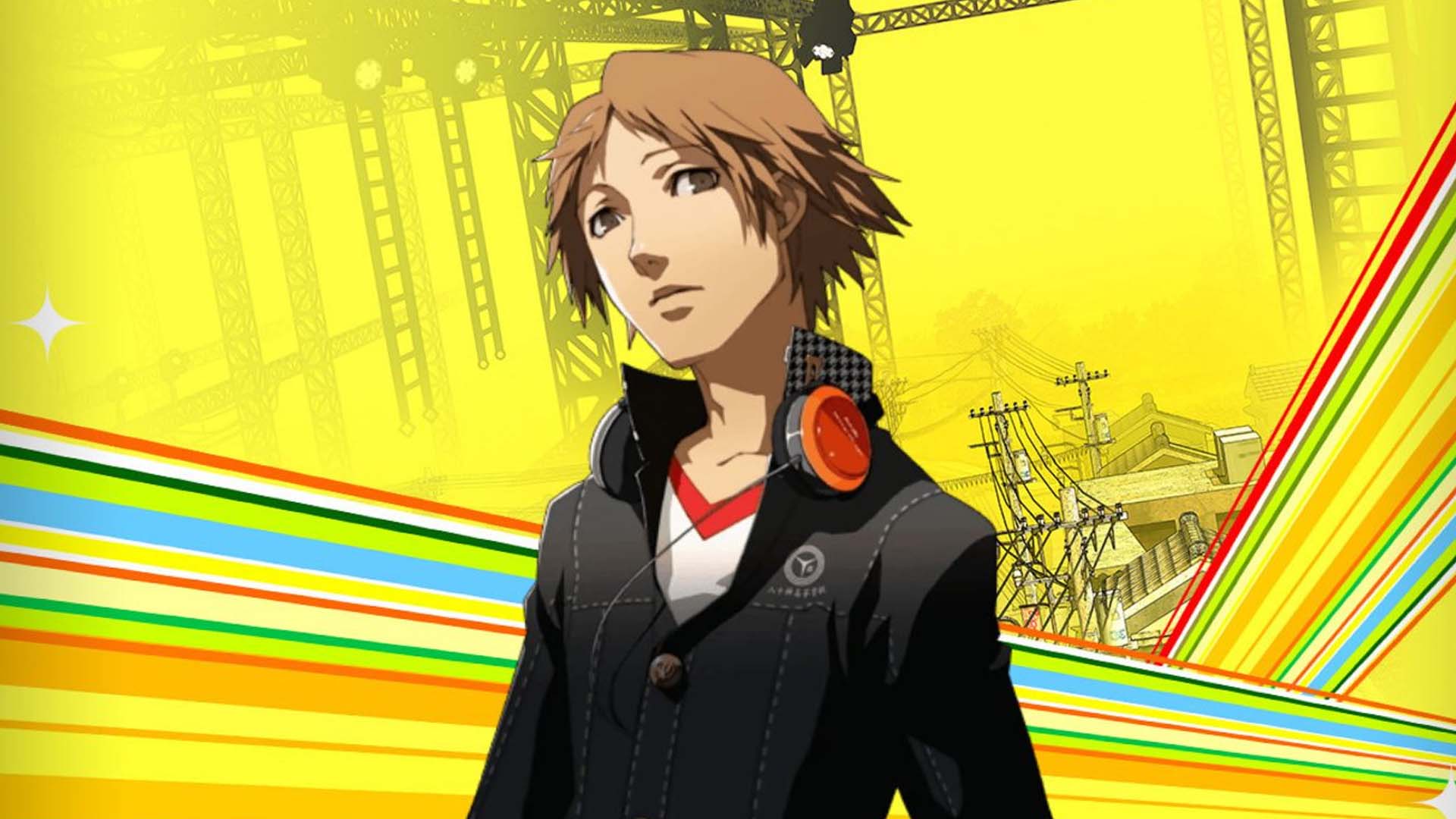
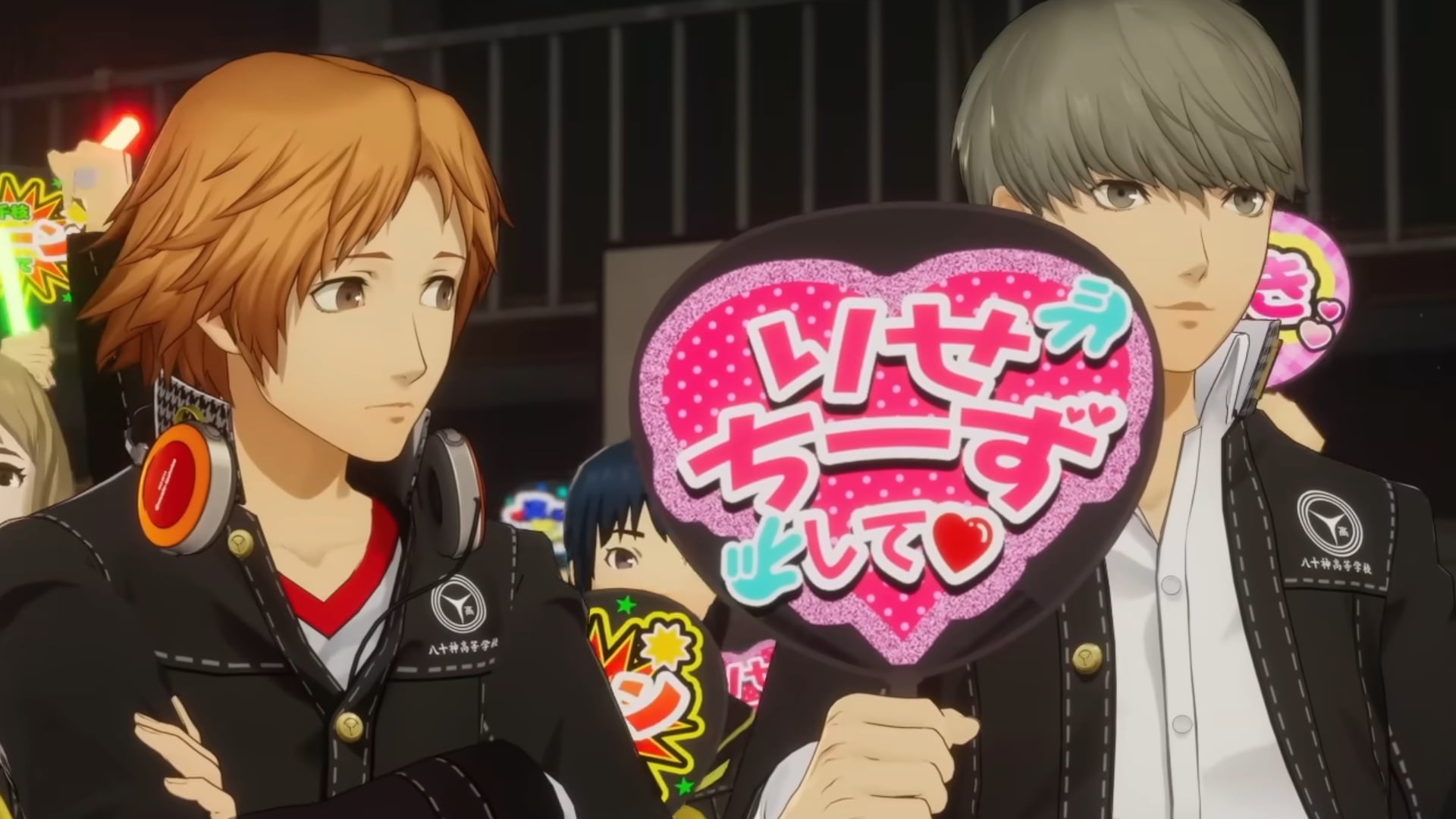
The roughly 45 minutes I played were from Revival’s first “episode,” in which protagonist Yu Narukami, his best friend Yosuke Hanamura, and a sentient bear mascot named Teddie have entered some kind of alternate dimension inside a TV at Junes, the local equivalent of a Walmart or Target opening up in the small, simple town of Inaba. Inside, they find a distorted version of their boonies hometown, and in it they hear ominous echoes of the locals gossipping about their senior classmate Saki reverberating through the town. Saki is the daughter of one of the local liquor store owners and has been dealing with a lot of scrutiny and stress about working at Junes while her family’s business is struggling under the big chain’s newfound dominance in the town.
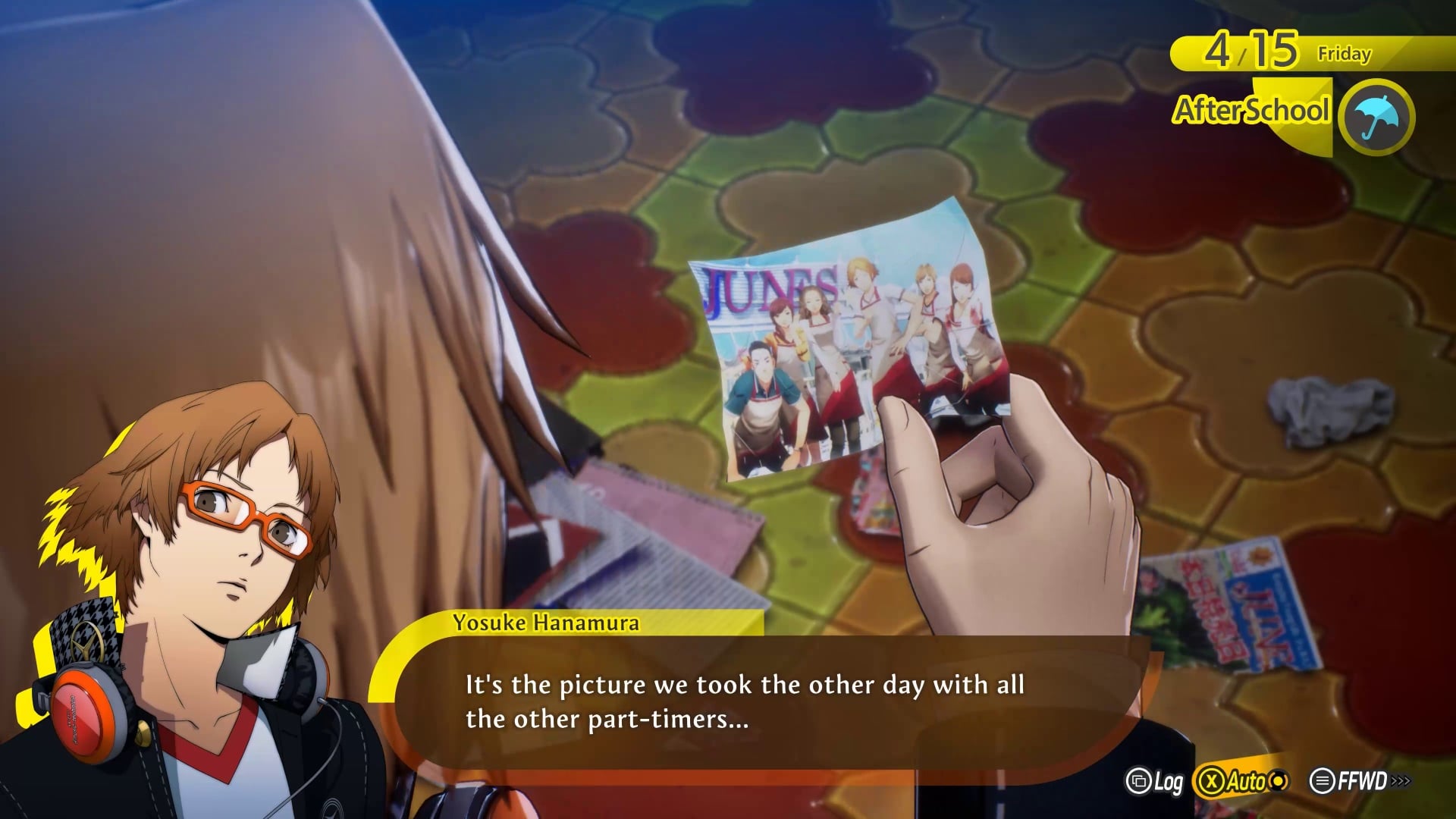
What the teens find in Persona 4’s TV world may be an exaggerated distortion of the truth, but its brutal, unpleasant, accusatory voices and imagery reflect the truth nonetheless. Saki’s own spiteful voice booms throughout her family’s store, confessing her contempt for Yosuke, who had been harboring a crush on her. It stings, but Yosuke is forced to accept it. Saki isn’t in Persona 4 for very long, but she manages to capture some of the game’s ugliest truths. She feels just as trapped as anyone else stuck in Inaba. She also feels a pressure to support her family, but fears being stuck on a sinking ship, and is looking for a lifeboat. Yet all there really is for her to do is work for the same corporation that’s killing her family business.
At first, Inaba is portrayed as a charming little place where people live simple little lives. It’s the platonic ideal of the small town you retire to or escape to when you want to go off the grid for a while. But those same podunks can feel like prisons, and giant corporations will descend upon them with lower prices and the temptation of convenience and suck the life out of everything its citizens have built. How Persona 4 Revival will handle the TV World’s various distortions, especially the later ones that get much more thorny and complicated than Saki’s visions of a devil’s deal made in the soul-sucking corporate clutches of anime Walmart, remains to be seen, but after nearly two decades of fan discourse and criticism about the original game’s clumsy tackling of certain key issues in the PS2 days, it sure sounds like Atlus is at least toying with handling them somewhat differently this time around. These early sections, though, about a young girl being torn between home and heartache, need no changes. Saki’s strife is timeless, and for all the original game’s stumbles, Persona 4 still knows how to set a stage.
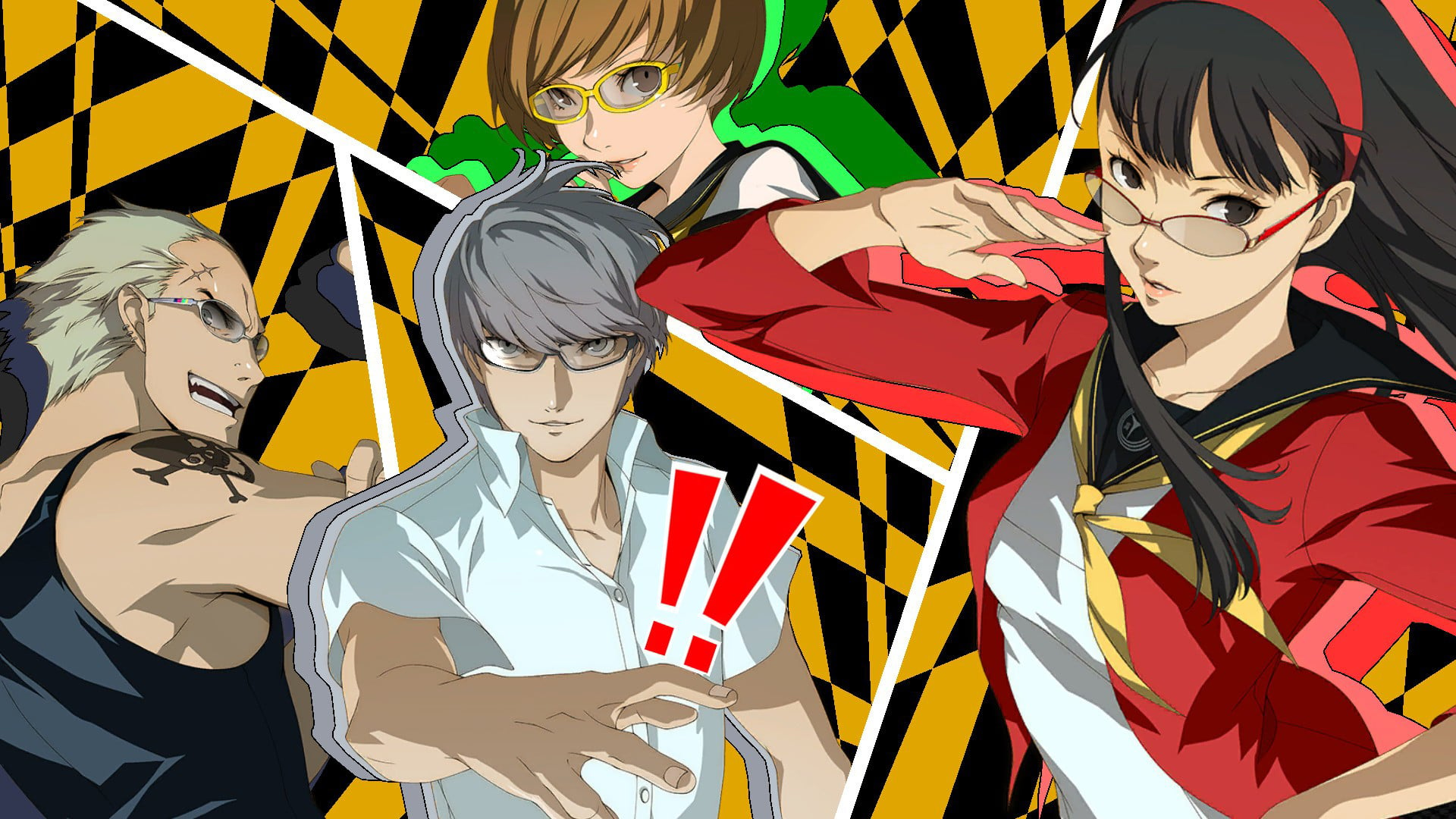
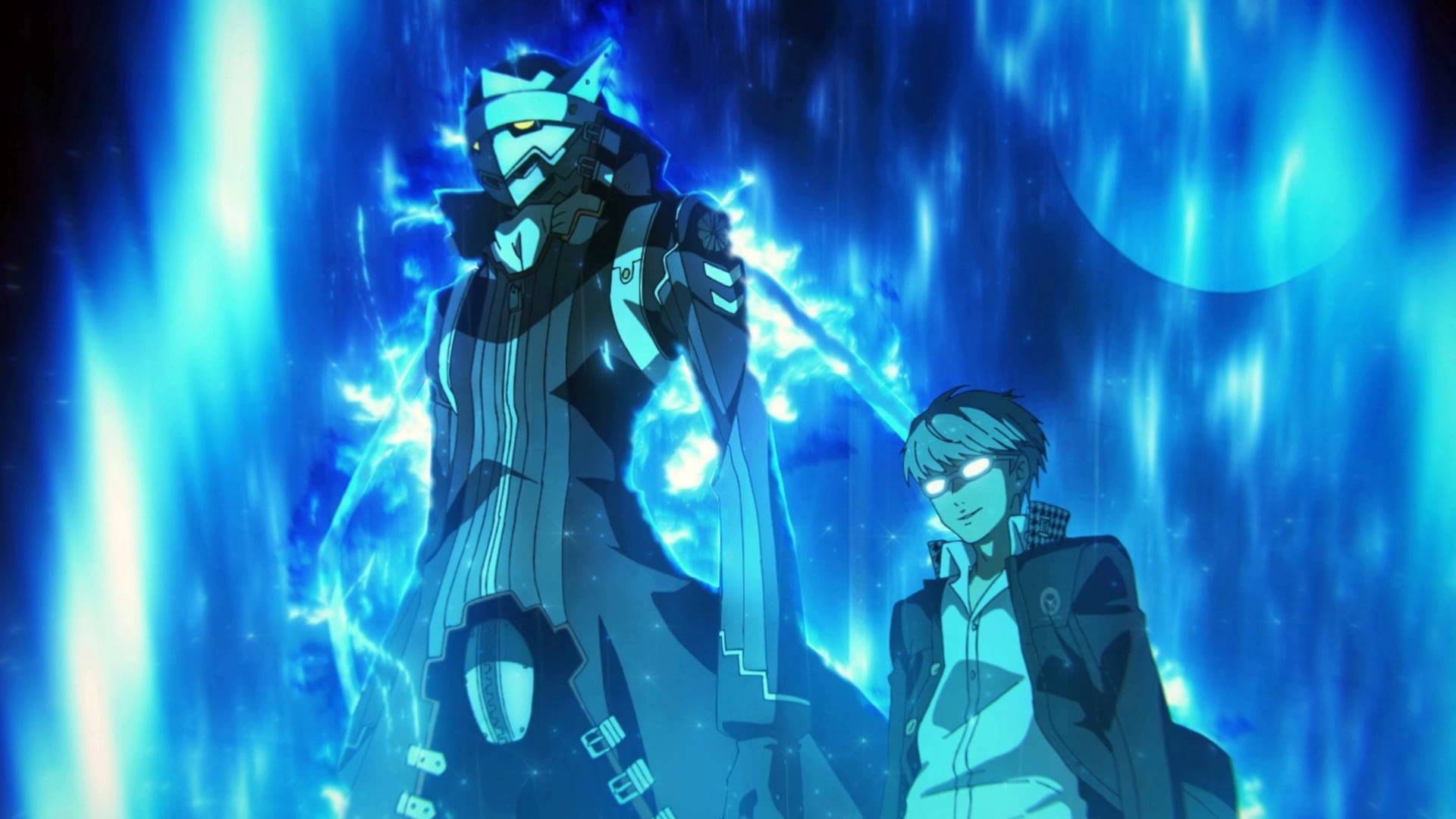
That stage that Yu and the rest of the Investigation Team fight Shadows on is as sleek as it’s ever been. Persona’s chain-centric turn-based battles are back, and given the remake’s modern Persona 5-esque touch-ups that put it in line with Persona 3 Reload, Atlus’ ability to turn even a simple random encounter into a spectacle remains unmatched. Revival riffs on Persona 4’s TV theme in cool ways that make it feel distinct as Atlus modernizes a PS2 classic. The team pushes a camera away during their victory pose like it’s following their dungeon-crawling and projecting it onto the Midnight Channel for the people of Inaba to watch. When the game transitions from a battle back to the overworld, it pans into a television and briefly shows the screen through a 4:3 aspect ratio, as if it were being watched through the CRT TVs several characters are shown having in Inaba before widescreen HDTVs had become standard.
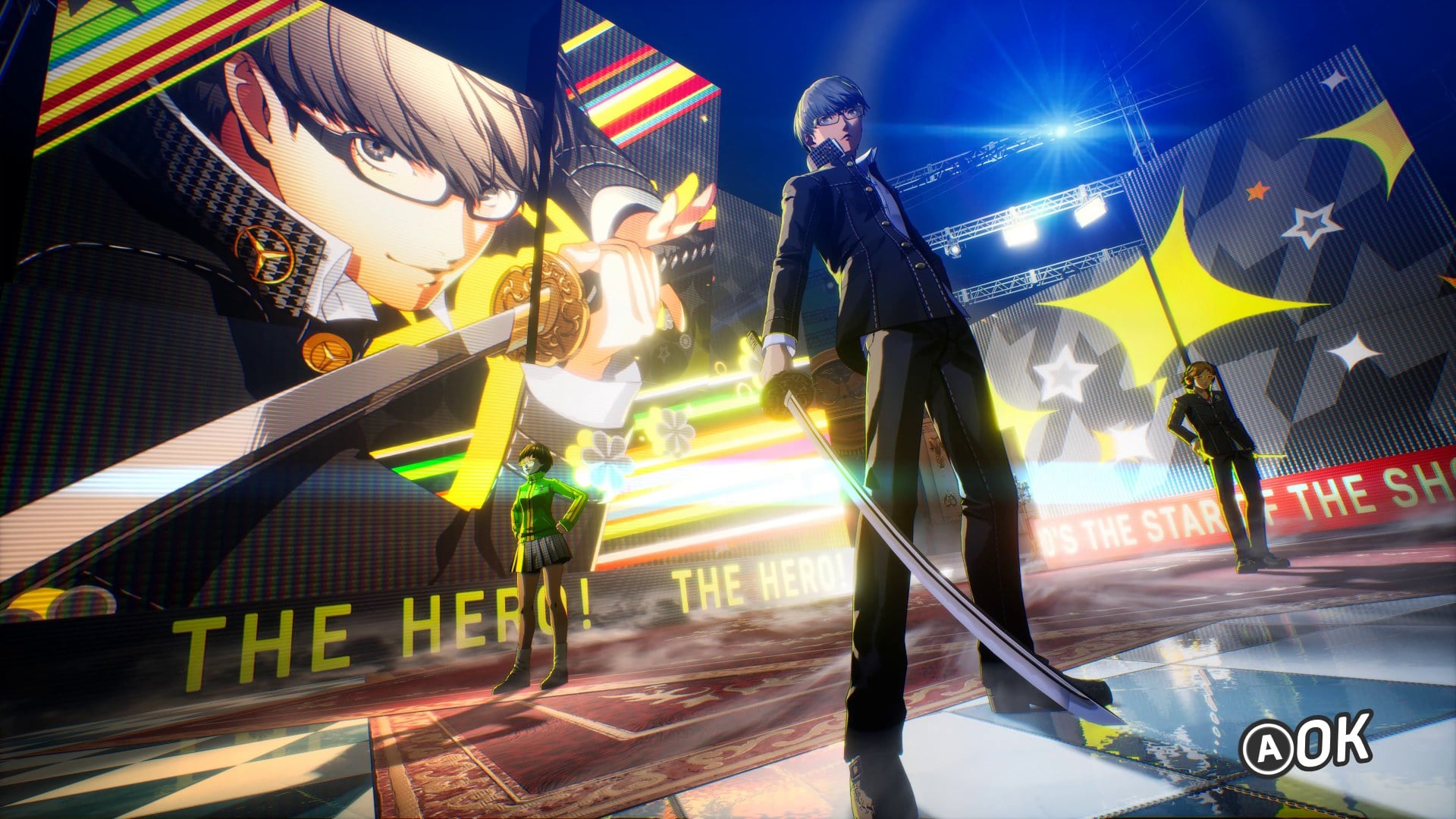
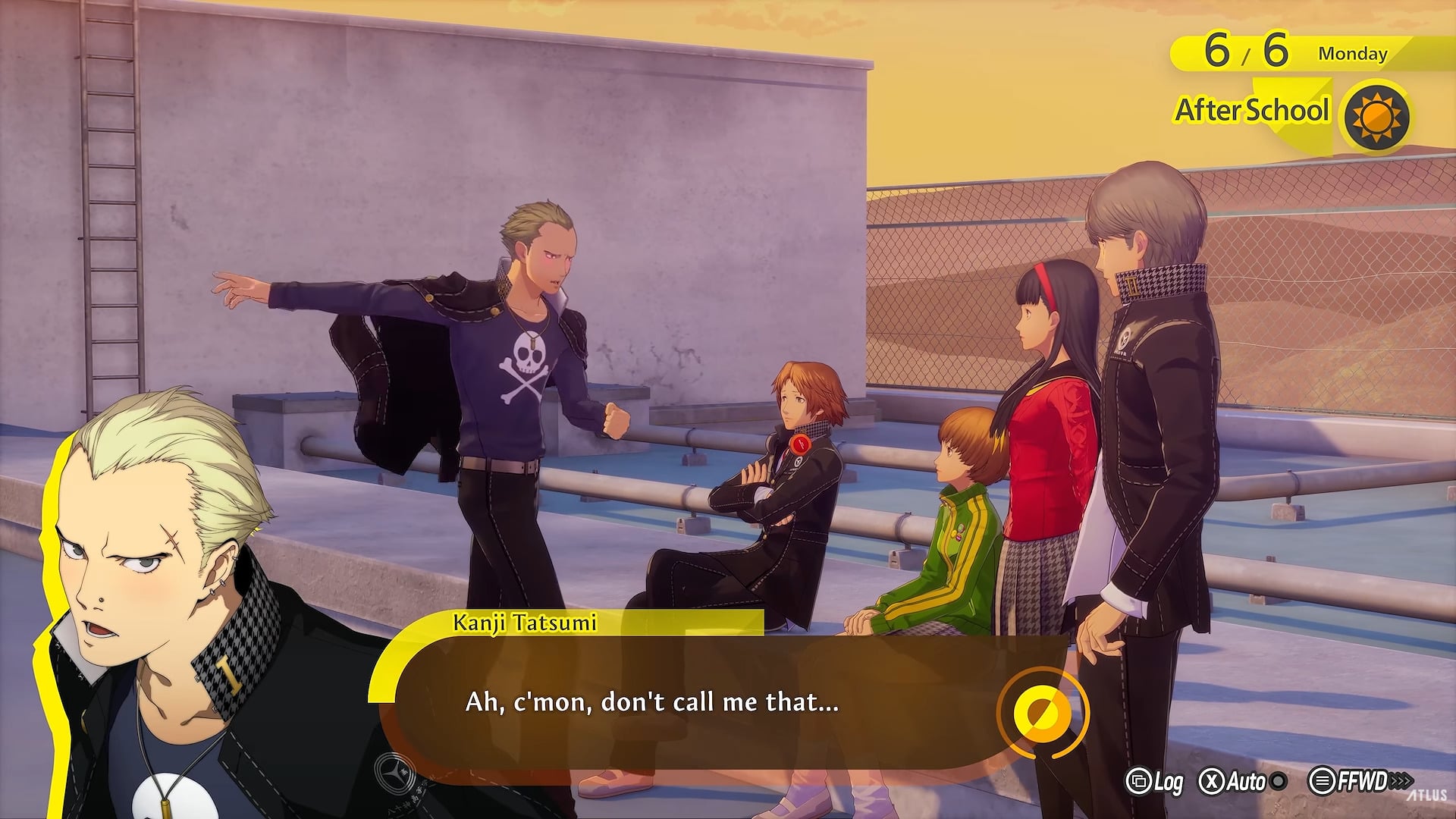
Even outside of the TV motif, Revival dials up the original’s bright yellow color scheme to capture the same smooth transitions and character portraits that made Persona 5’s menus a new standard back in 2017. Seeing Persona 4 realized through this modern lens is delightful, and I’m curious to see if the original game’s small-town, rustic feel still comes through when modern Persona’s flashiness is dancing at the edges of the screen.
What I played was fairly early into the game, and even late-game Persona isn’t that complex mechanically, with the challenge often coming from unpredictable one-hit kills that can only be blocked by the power of friendship and navigating through your collection of Personas to find and exploit your opponent’s weakness. In that way, Persona 4 Revival feels mostly unchanged, though new mechanics like the Primetime mode that grants you a few free turns of resource-saving magic casts and a powerful “finishing” move at least give you new resources to worry about. Most Persona combat is about chaining abilities together to most efficiently exploit weaknesses, swap between teammates, and then let out a team-wiping All-Out Attack. Revival isn’t breaking what doesn’t need fixing in that regard, at least.
Whatever Persona 4 Revival ends up doing to some of Persona 4’s more unsavory elements, the remake is likely going to cause a firestorm in the community. But what I was able to play did make me confident that Revival understands the things the original game got right, and that are still just as poignant as they were in 2008.
Persona 4 Revival is coming to PC, PS5, and Xbox Series X/S on February 18.