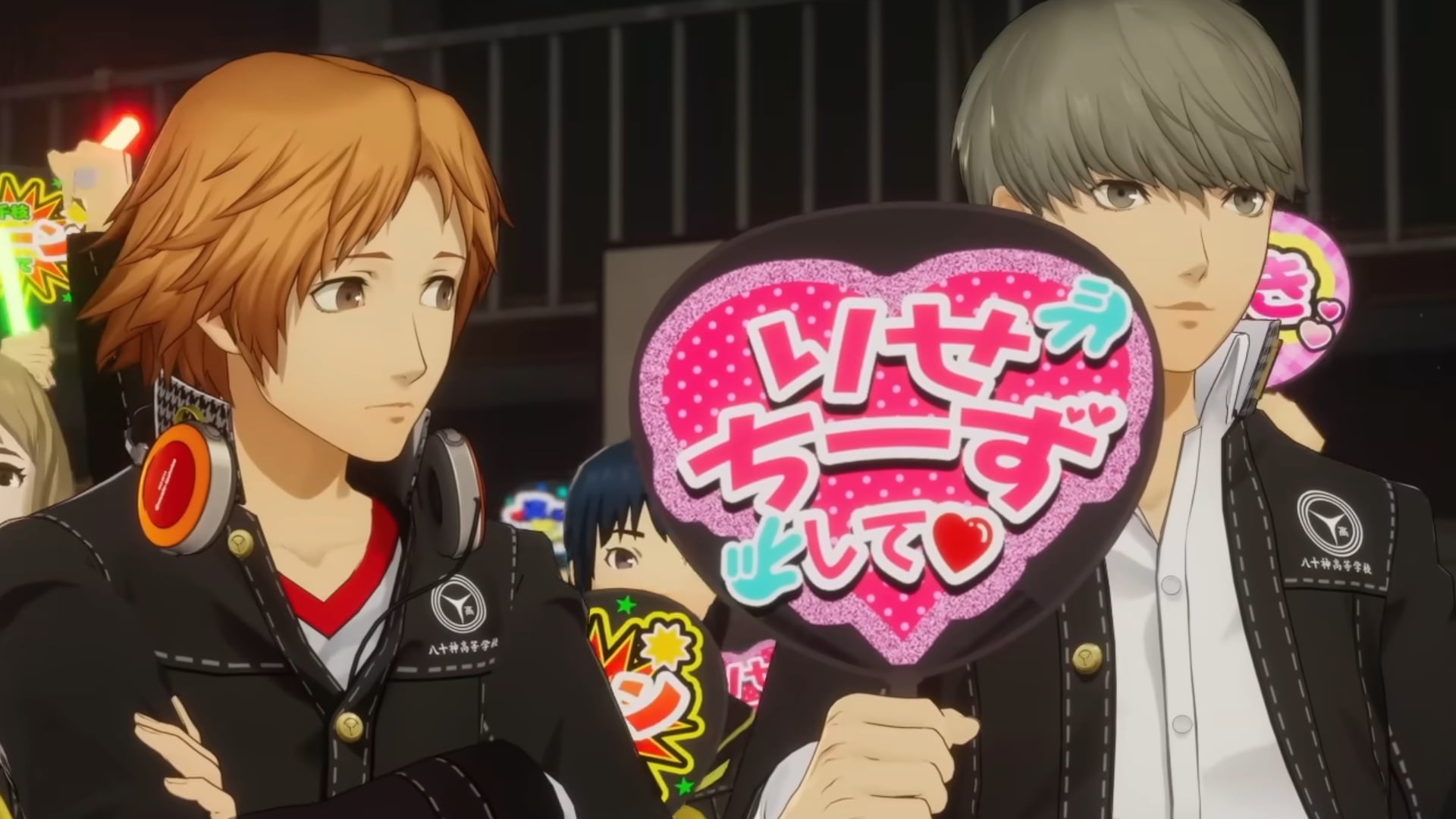
Persona games have always had awkward relationships with queerness, with quite a few games in the series awkwardly touching on it (or flat-out making fun of it) without ever fully committing to it as a normal, acceptable part of a character’s identity. However, no modern game in the series handles the subject quite as poorly as Persona 4, which has not one but two characters whose storylines reject the possibility of queerness in an especially clunky way.
As Atlus reveals more details about Persona 4 Revival ahead of its February release, it’s been hard not to wonder how the remake is going to handle the arcs of Kanji and Naoto, with quite a few fans online speculating that Atlus might rework their stories to finally confirm these two characters’ queer identities (or at least to be a little more inclusive). However, we now know that this won’t be the case. In an interview with Ungeek, the team behind Persona 4 Revival has confirmed that those stories will mostly remain unchanged.
“The story of Kanji [and Naoto] can seemingly be a little bit iffy at times, but if you look at it deeper, you’d understand that it’s a whole more sincere story,” General Producer Kazuhisa Wada told Ungeek. “So even back then and now, we can send these stories out with confidence. And I believe everyone will feel the same once they play it.”
“The characters of P4 are beloved by fans, so we didn’t want to change their own personalities and identities,” Director Daisuke Yajima said. “We kept all those intact, and while doing so we wanted to make them more graphically beautiful.”
While Kanji and Naoto’s “identities” will remain the same, the developers added that Revival will add a few minor details to contextualize things.
“With these events, there were times [where it] seemed that we lacked [a little bit of] backstories, a little bit more detail,” Yajima added. “So within these parts, we added more details to support the story and address the lack of understanding.”

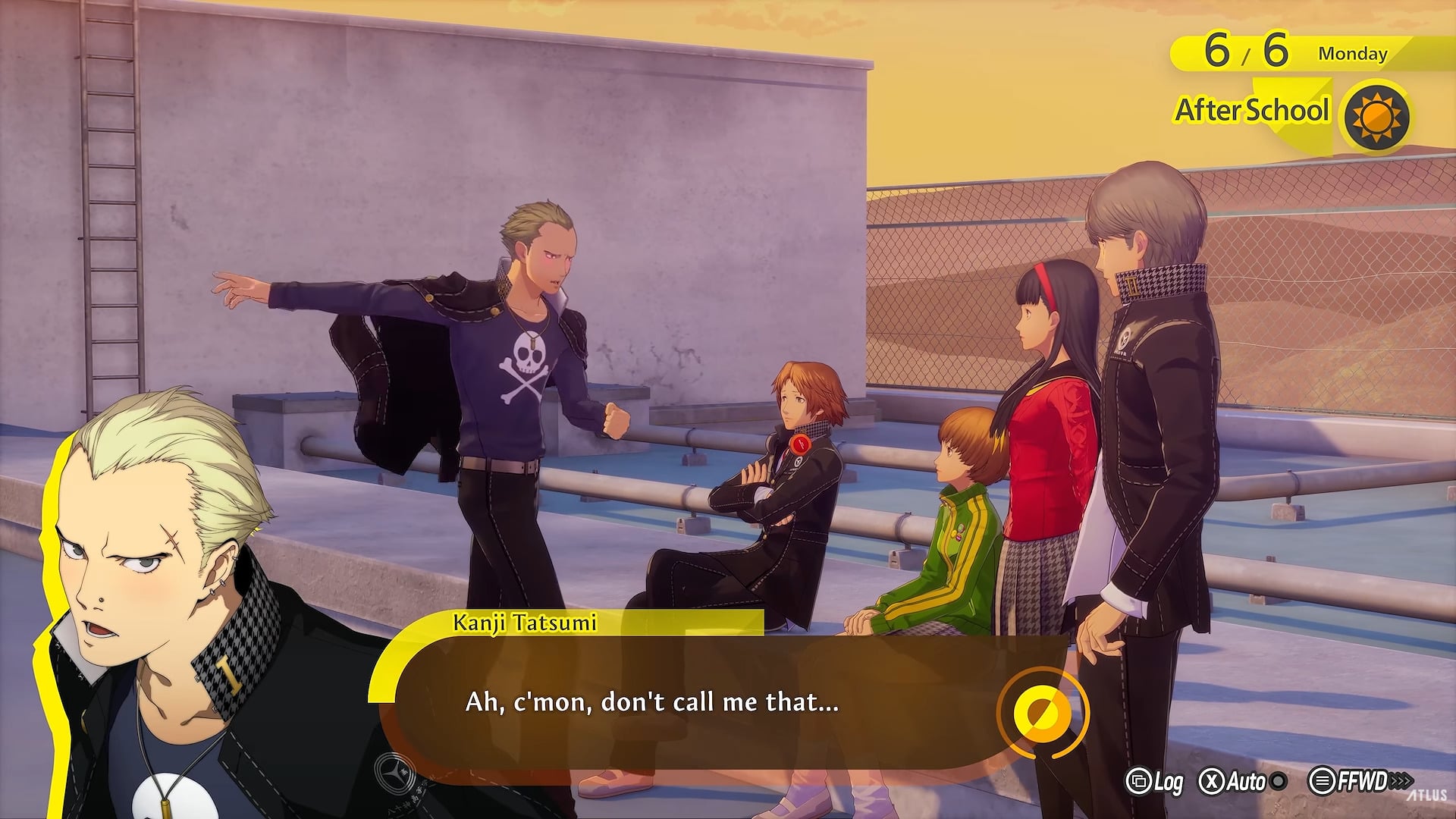
During Kanji’s storyline in the original Persona 4, the tough party member is implied to be bisexual and struggles with his possible attraction to men as well as his love for hobbies that are perceived as feminine. However, during his plot’s resolution, he realizes that he’s actually not queer, he just… really likes knitting. It seems like Atlus intended for his story to be an exploration of toxic masculinity and the way society assumes that men with “soft” hobbies are gay, which is a good message on its own. But Kanji does have a crush on fellow party member Naoto while perceiving her as a boy, and his arc seems to really insist that he worries about being perceived as a gay man (his dungeon, a reflection of the parts of himself he keeps hidden, is literally a men-only bathhouse described as “steamy”), which makes the resolution feel like a bizarre conclusion that suddenly rejects Kanji’s very real bisexuality and decides that he’s just confused.
Naoto’s storyline, which is introduced later on, follows a similar trajectory. After flying under the radar as a boy, fellow party member Naoto reveals that they’re “actually” a girl who was only dressing in masculine clothes as a way to be taken seriously as a young detective. However, Naoto also seems fairly uncomfortable with their own femininity (and their shadow, which gives voice to the character’s repressed thoughts and desires, even makes references to gender-affirming surgery), which has resulted in quite a few fans sticking with a trans reading of their arc.
To a lot of queer fans, both storylines initially seemed to be genuine representations of queerness, only for Atlus to weasel its way out of committing at the last minute, instead passing the queer aspects of these characters’ identities off as side effects of other problems rather than valid identities that they just need to come to terms with. And 18 years after the release of the original, both storylines are still endless wells of discourse—there are still plenty of Tumblr users who post stuff like “DNI [do not interact] if you think Naoto is cis” in the year 2026!
It seems like some of the minor changes promised by Atlus might have been made with the intention of erasing associations with queerness from these stories. Vice recently reported that Atlus has removed certain imagery from Kanji’s dungeon. His shadow version, or the boss that manifests from his insecurities, now wields a female symbol and a male symbol instead of two male symbols, and the “men only” signs on his bathhouse-themed dungeon seem to have been replaced with signs bearing the word “unisex.” That could be good, I guess, as the resolution of Kanji’s story could arguably seem less repressive if it doesn’t invite queer readings so openly in the first place. But it’s also disheartening that Atlus won’t just lean into things a bit!
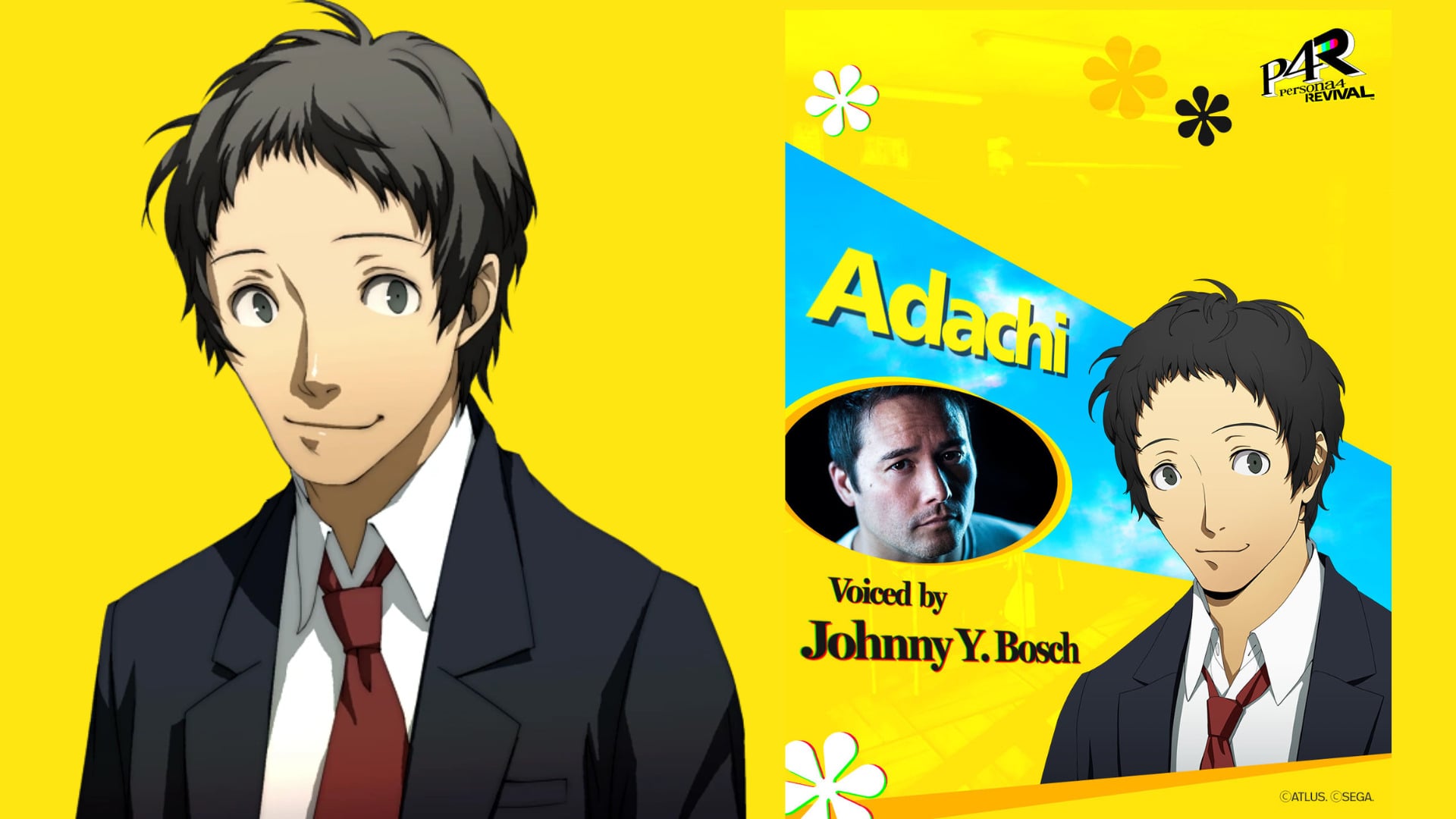
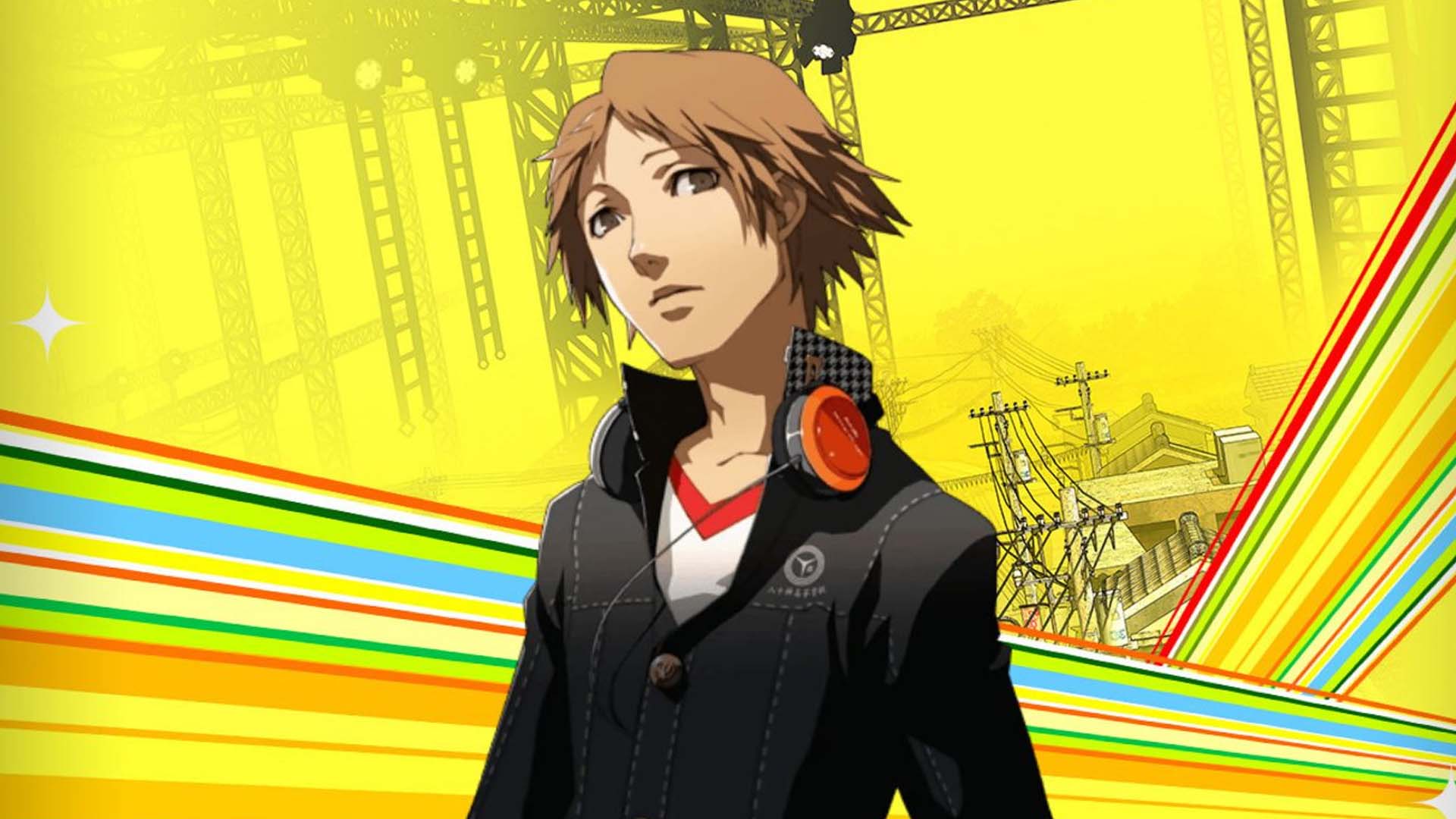
Atlus just doesn’t seem too eager to score points with its gay fans right now. Persona 4 Revival also won’t let players romance Yosuke, which isn’t necessarily a surprise, but is still a bit disappointing when you consider the fact that a gay romance option was scrapped during development of the original game (and was apparently put back on the table when Atlus began planning Revival).
Maybe things will change in Persona 6? Or Persona 7?…Or 8?