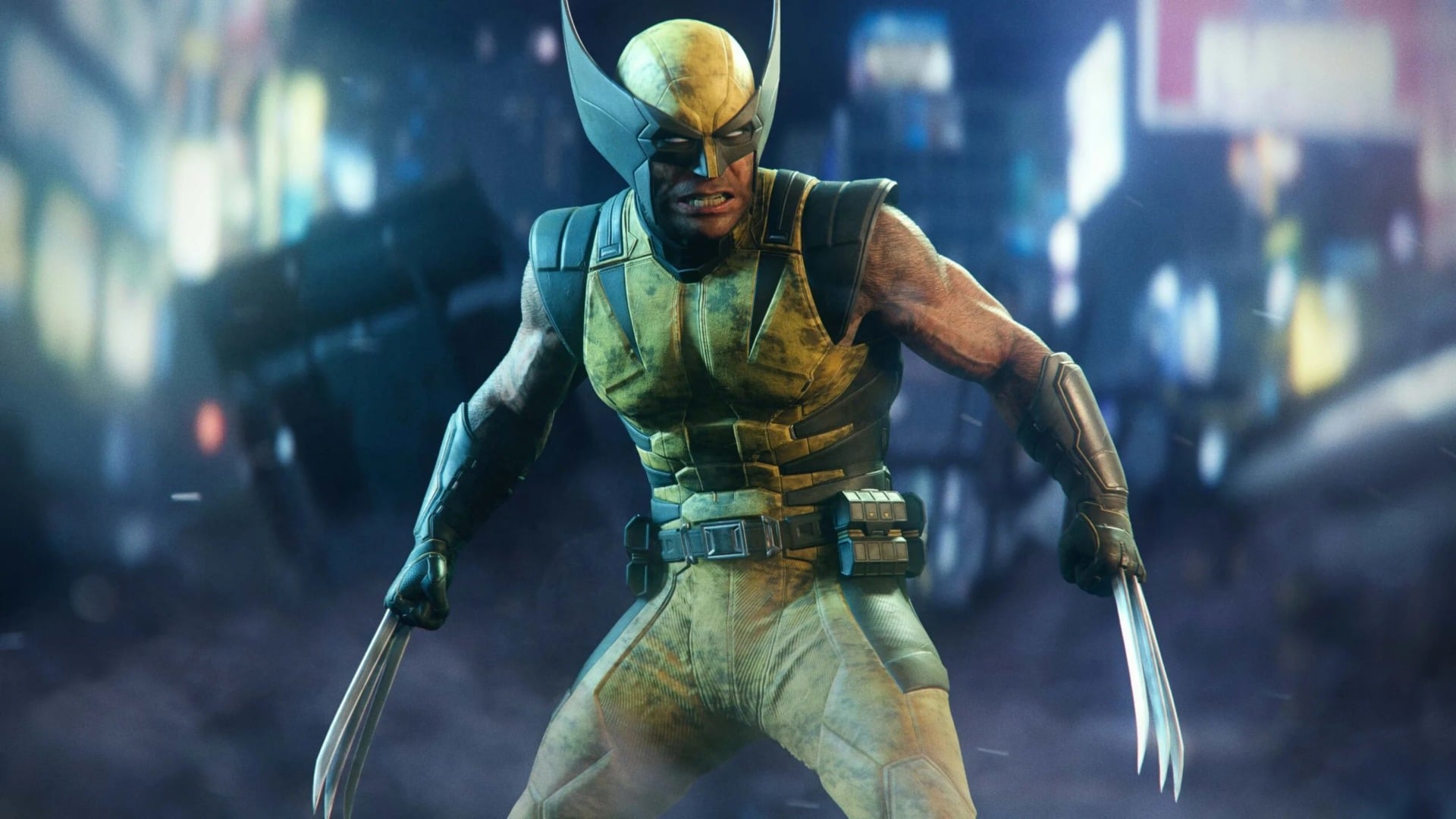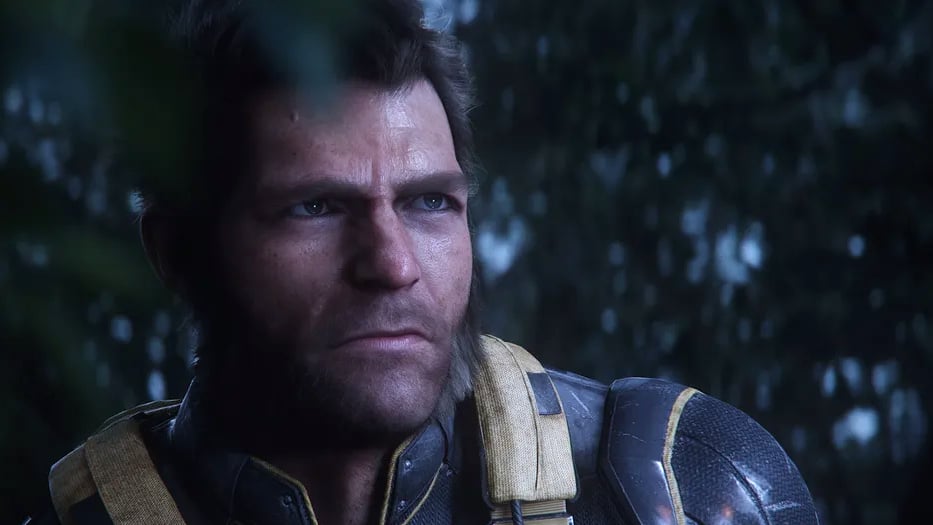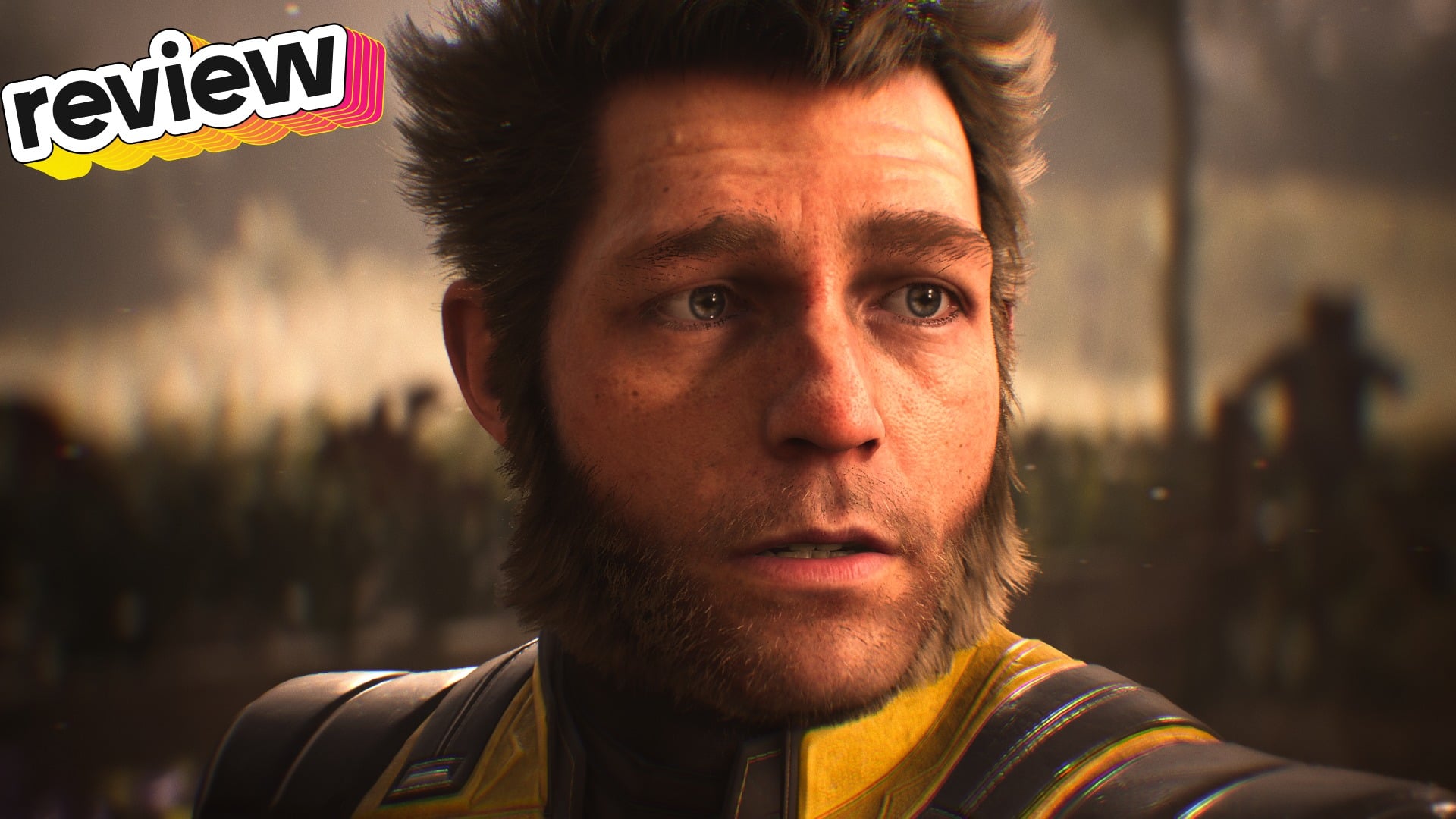
Much like its grizzled, tortured mutant hero, Marvel’s Wolverine feels caught between the past and present, for good and ill. Compared to Insomniac’s Spider-Man games, the studio’s take on the X-Men is far more streamlined, simple, and straightforward. It forgoes the sprawling open-world swinging of the studio’s last three superhero games in favor of a much more linear, crafted cinematic experience akin to something like Uncharted or the original God of War trilogy. On paper, that sounds delightful, as games have become increasingly insistent on eating up every bit of our free time in some ill-advised desire to hold a player’s attention forever. In 2026, Wolverine is refreshing in its straightforward focus, but that same one-track direction means it spends large swaths of its reasonably short runtime feeling as mindless as the violent rage Logan finds himself shrouded in.
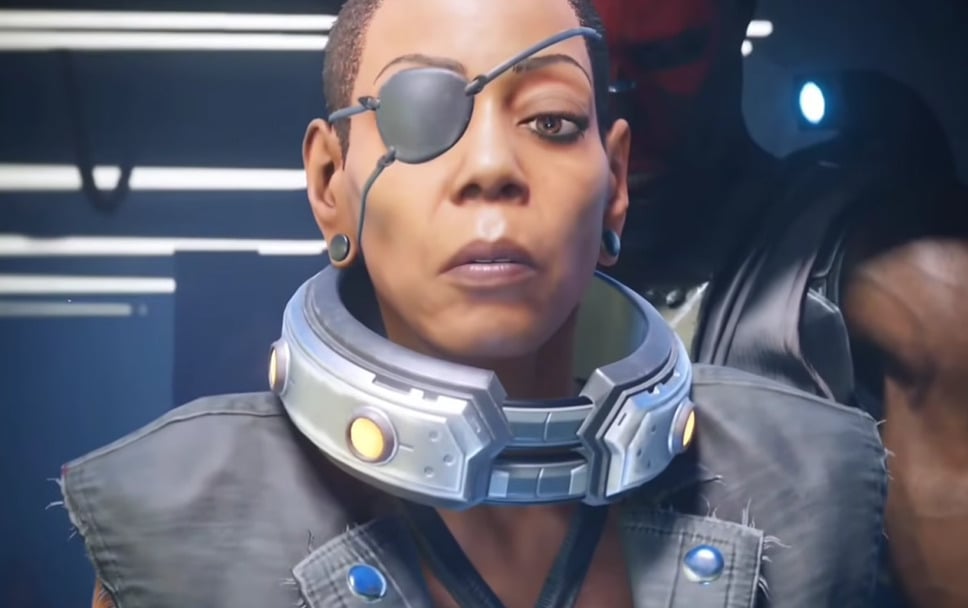
Wolverine is best when it’s an X-Men game, but it is definitively not trying to be one of those. You’ll find no Xavier Institute here, and if Magneto is so much as namedropped, I didn’t catch it. But even if those philosophical figureheads aren’t present, the political turmoil of the typical X-Men conflicts of prejudice and policy are still here. Logan, as part of a group called Team X—comprised of himself, the shapeshifting Mystique, equally violent Sabretooth, and enigmatic telepath Nathaniel Essex—has been fighting for mutantkind for years, though by the time we start playing, he’s been on the outs with the group long enough for grudges to have formed. What starts as a simple rescue mission to save Essex (played by and distractingly modeled after Troy Baker) from the clutches of bigoted scientist and engineer Bolivar Trask unravels a larger conspiracy to hunt down and round up mutants around the world.
As the Marvel Cinematic Universe moves closer to reintroducing the X-Men to its films, there are conversations around whether or not setting the X-Men story in the modern day means that it’s getting too far from the original comic’s storyline, which ground its political overtones in real-world events like the Holocaust and the Civil Rights Movement, to draw on those same events, which once helped the series’ themes of prejudice and persecution resonate. Magneto, for example, is a Jewish Holocaust survivor who knows all too well that anyone hateful enough will try to find some way to eliminate people who are different than they are. But as time goes by, some argue it becomes increasingly tough to buy into a character who was alive during the Holocaust and is leveling stadiums with his magnetic powers in the 2020s. That’s a problem for Marvel to solve, but one thing I was really struck by in Wolverine is that, for all the discussion as to whether or not the traditional origins of the X-Men make sense in the modern day, the actual plight of the mutants in the Marvel Universe remains, unfortunately, timeless.
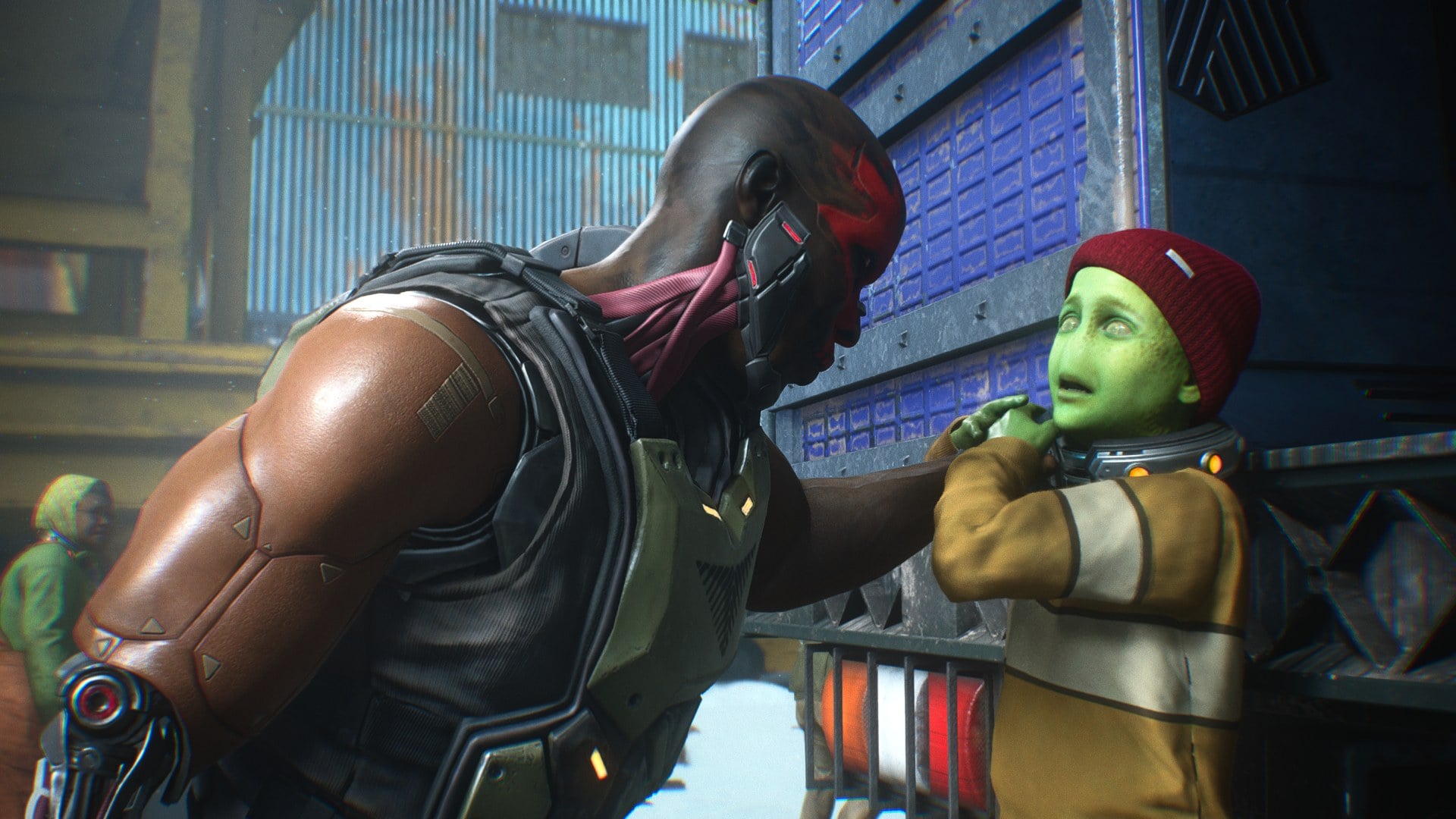
There are scenes in Wolverine of mutants being hunted, rounded up, and shoved into vans to be taken to god knows where. Villains like Trask speak of these superpowered beings as if they are a threat to the human way of life, only for it to be revealed that active mutants make up less than one percent of the population. The imagery of children being treated like cattle and the rhetoric spouted off by anti-mutant extremists echo the type of shit the Trump administration proudly flaunts as it continues its attacks on immigrants and transgender people.
History repeats and rhymes, and even without Magneto’s roots in the Holocaust, the anti-prejudice lessons of the X-Men storyline shine through in Wolverine. They are too ingrained in the mutant plight, and the coupling of hatred with systemic power is too common a human tradition, for those lessons not to be powerfully present here. X-Men’s use of people with superpowers to tell a story of the oppressed fighting against their oppressors will always be fraught with false equivalences and nuances that don’t apply to real-world prejudices, but it’s still an effective storytelling tool with enough grounding in reality that it remains prescient six decades after the first issue of The X-Men was published.
Sadly, the early segments of Wolverine, in which it’s serving up what seems like a pretty straightforward superhero story, are, in a word, sauceless. The opening hour or so gave me the same squeaky clean, focus-tested vibe that a lot of Marvel projects seeking to emulate the MCU’s brand of almost-patriotic energy often exude, a vibe that kills more interesting stories along the way.
Thankfully, the game really picks up when it starts to weave in the trials and tribulations of an X-Men story, and those threads remain its narrative highlights throughout. The marginalization of mutantkind looks different for everyone. Mystique’s blue skin means she has to exist as other people more often than herself. Leech’s green, alien-like features aren’t half as alienating as it can be to cancel out the powers of your fellow mutant just by being in their proximity. Team X scientist and doctor Walter Langkowski is treated as a second-class citizen among his peers because his X-gene remains dormant, much to his chagrin.
Wolverine packs a lot of nuance into its larger storyline of mutant persecution, which makes it kind of deflating when it moves away from this broader conflict to focus on Logan’s inner struggles. It’s all connected, sure, but Wolverine packs several X-Men and Logan storylines together in a way that feels pretty reminiscent of some of the MCU’s latest fumbles. It expands into a web of possible sequels and follow-up stories when the core X-Men of it all would suffice. But again, this is Marvel’s Wolverine, not an X-Men game.
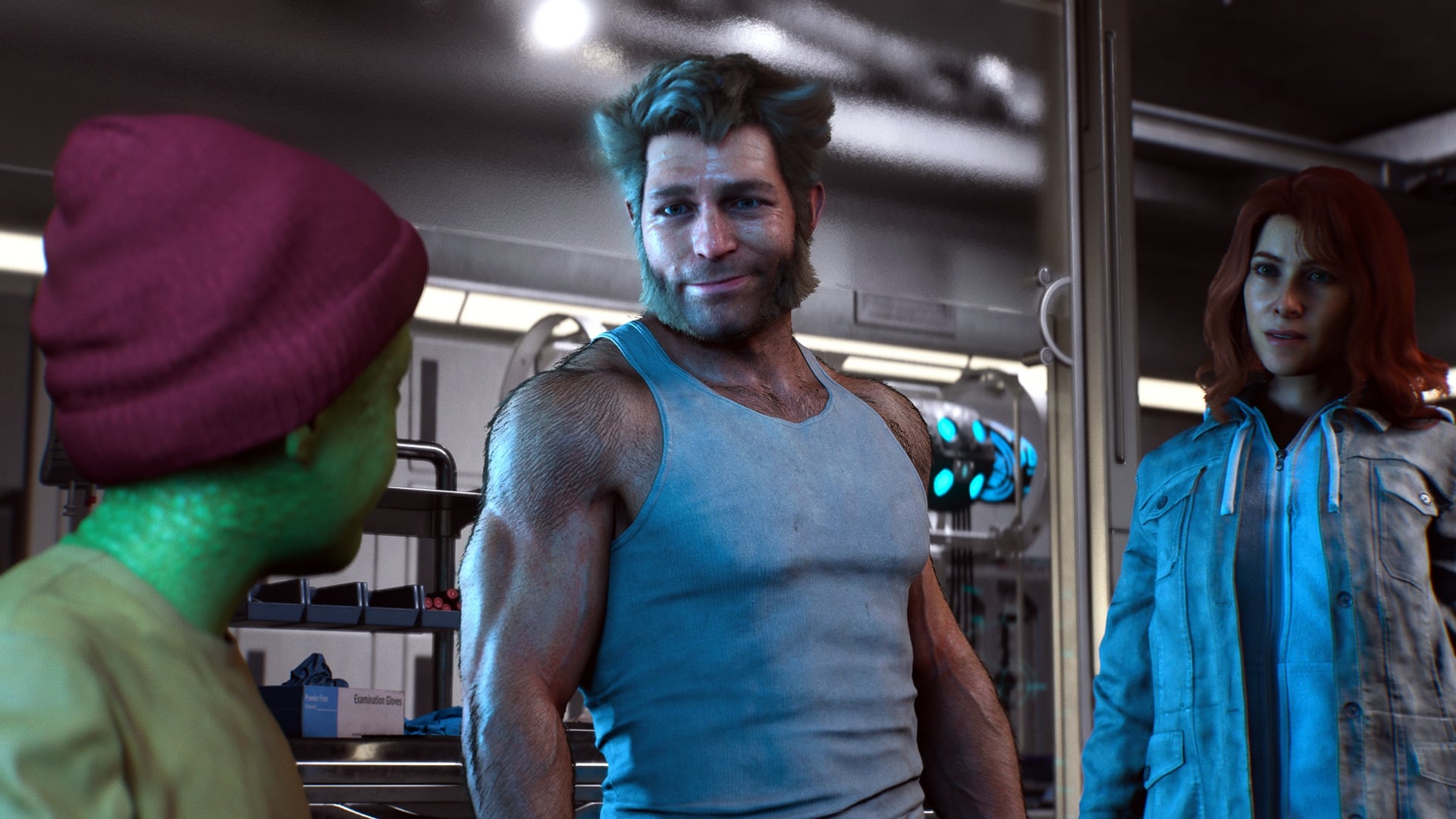
Despite rage and inner turmoil often being a key pillar of Logan’s character, Liam McIntyre’s take on Wolverine is remarkably more sedate than what we often see. He’s empathetic, and gentle toward children like Leech who have dealt with enough childhood trauma to keep a therapist employed for the foreseeable future. Much of that blind, violent anger we associate with the character is buried under some kind of mental block you’ll spend several hours digging your way out of throughout the game.
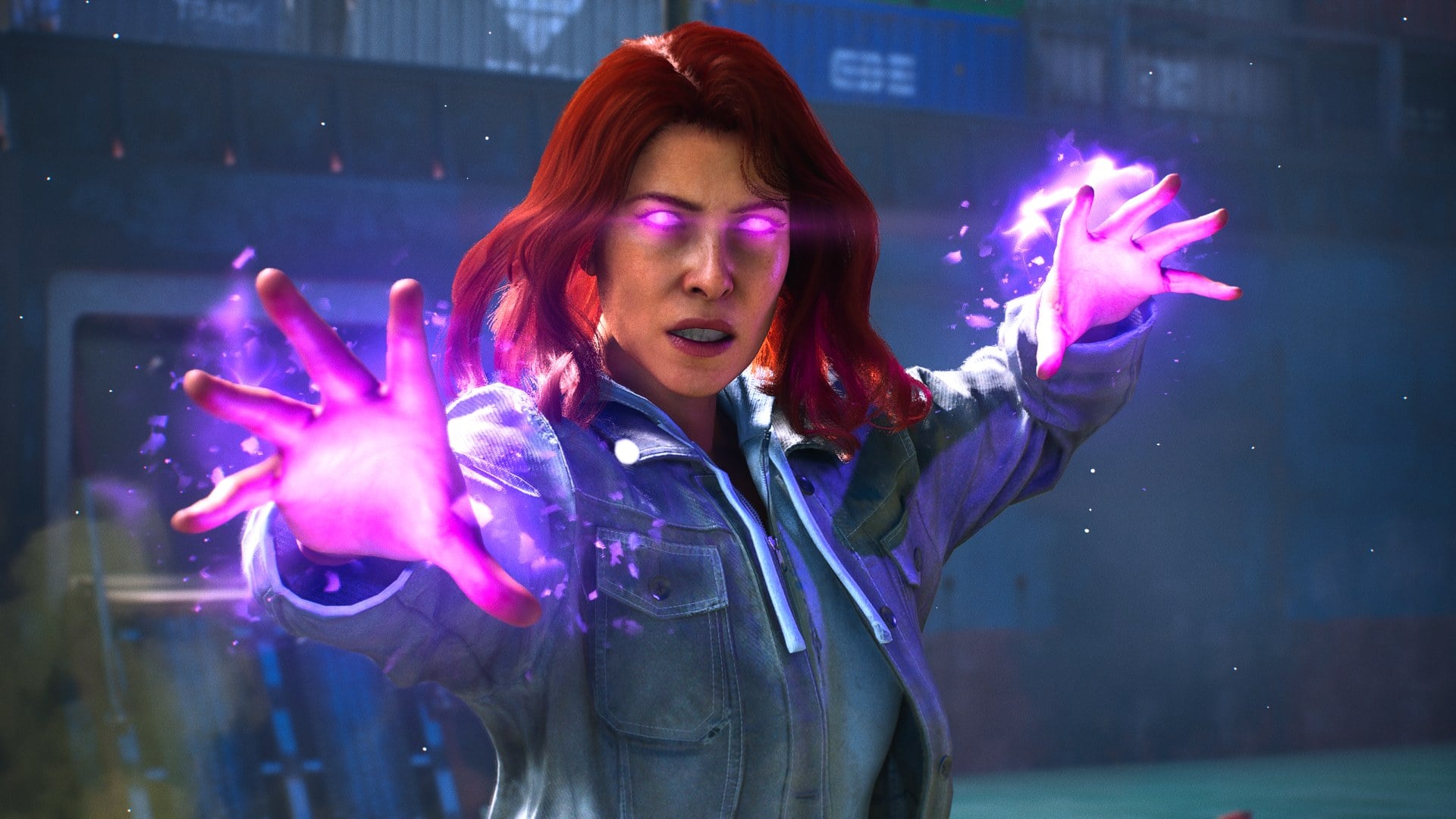
For much of Wolverine, Logan and you both know that something happened to him in his long, long life as a near-immortal mutant, but precisely what is a mystery kept at the end of optional obstacle courses and over the dead bodies of Nightmare hordes you’ll face in waves. Throughout Wolverine, the locks on whatever doors of his mind he’s stashed centuries of trauma behind start to shatter, and the arrival of Jean Grey only serves to agitate whatever his mind is hiding.
Logan and Jean’s relationship has been portrayed as complicated over the years, largely because there’s typically a big Scott Summers-shaped obstruction between the two. In Wolverine, it’s…well, complicated in a different way. Without getting into spoilery specifics, Logan and Jean’s relationship in this game is straight out of tragic, tropey fanfiction in a way that will either delight or exhaust you depending on your proclivities.
Wolverine is for the yearners looking to see two star-crossed lovers pulled back and forth by their duties, traumas, and an uncomfortable connection to one another that neither of them can quite explain. It is toxic (complimentary) but also fairly sexless, studiously avoiding anything that might alleviate all this tension. As Logan’s rage becomes more apparent, it often feels like Jean’s role is to nobly shoulder the man’s pain like he’s a beast only she can tame. Their chemistry is largely insisted upon, as if it was divined by fate and little else. But I can’t lie, the actual premise of their relationship that unravels as the game goes on does hit the part of my soul that loves a schlocky, angsty romance story. It’s wrapped up in tropes that will be tiresome to some, but sometimes a tale of two people torn apart and pushed together by misfortune and circumstance hurts just right.
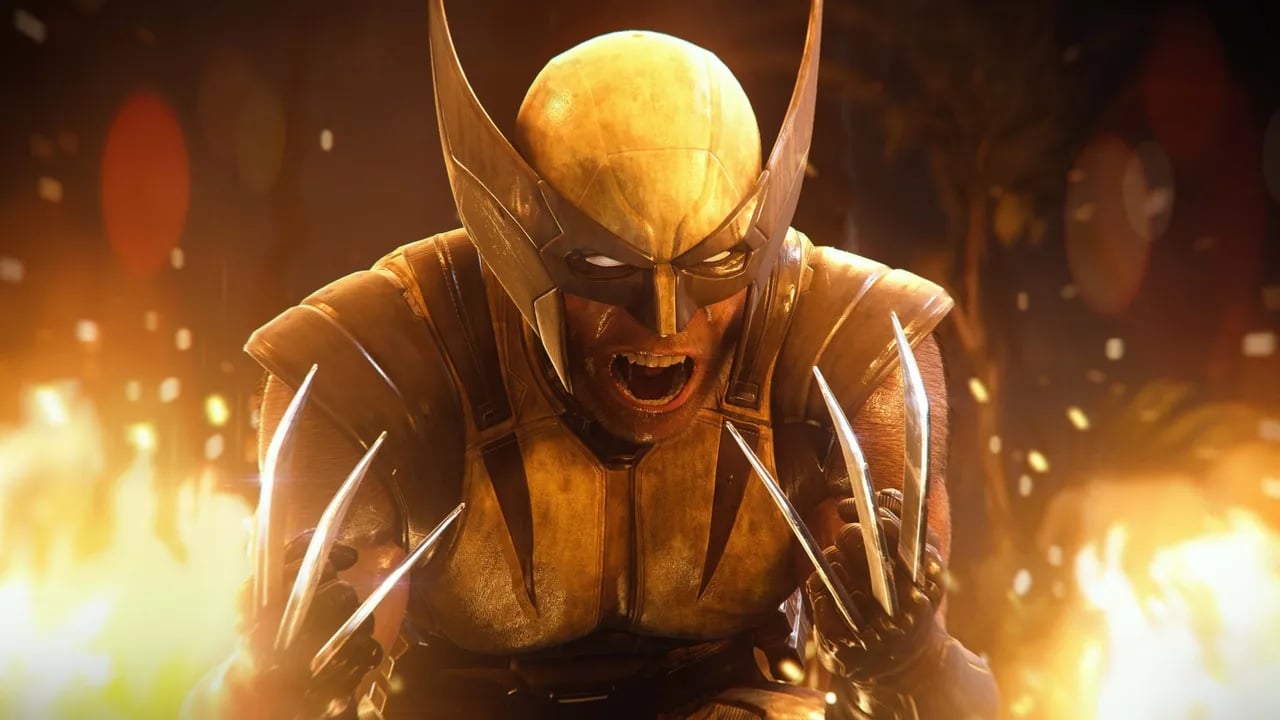
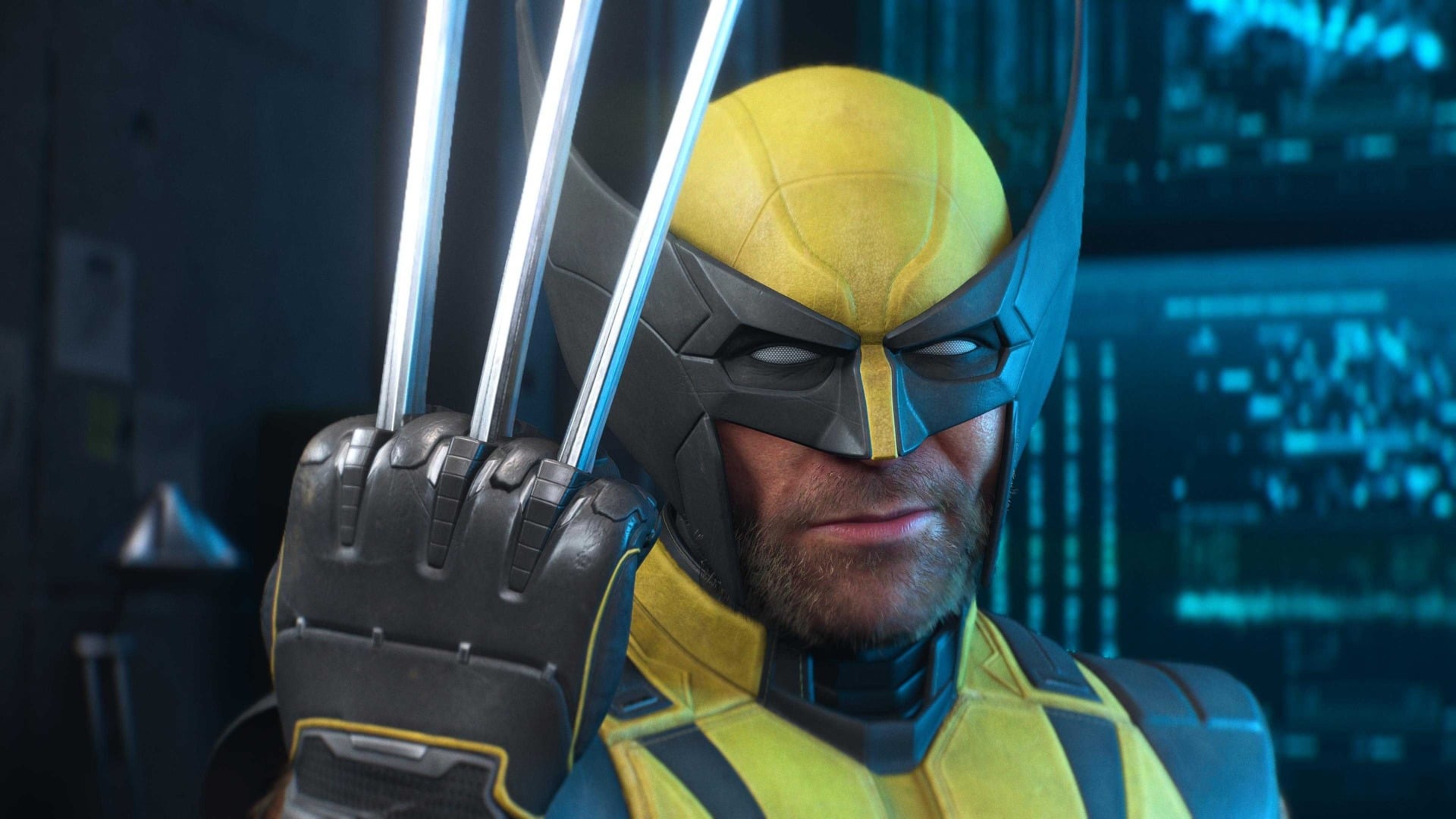
All the thematic complexities and spinning plates Wolverine balances on the tip of one of Logan’s adamantium claws make the actual slashing he does with those weapons embedded in his metal skeleton seem surprisingly simple by contrast, and how I felt about that depended largely on the specific fight Logan or his enemies had picked. Logan is pretty much indestructible, capable of slicing through just about anything and everyone as his foes surround him.
When I was really into a fight, I felt like I’d entered a flow state, swinging and springing through the motions as armed goons or Sentinel units came after me. Wolverine’s not a particularly complex action game, but it does feel snappy and rhythmic once you’re in the groove of slashing and parrying incoming attacks. During the occasional Nightmare Door trials in which you unlock one of Logan’s memories through a mundane task like running through an obstacle course or fighting over 25 waves of enemies, it would surprise me how much I actually liked and had become attuned to the violent excess of Logan’s claws effortlessly slashing through an opponent’s armor or swatting their attacks away like flies.
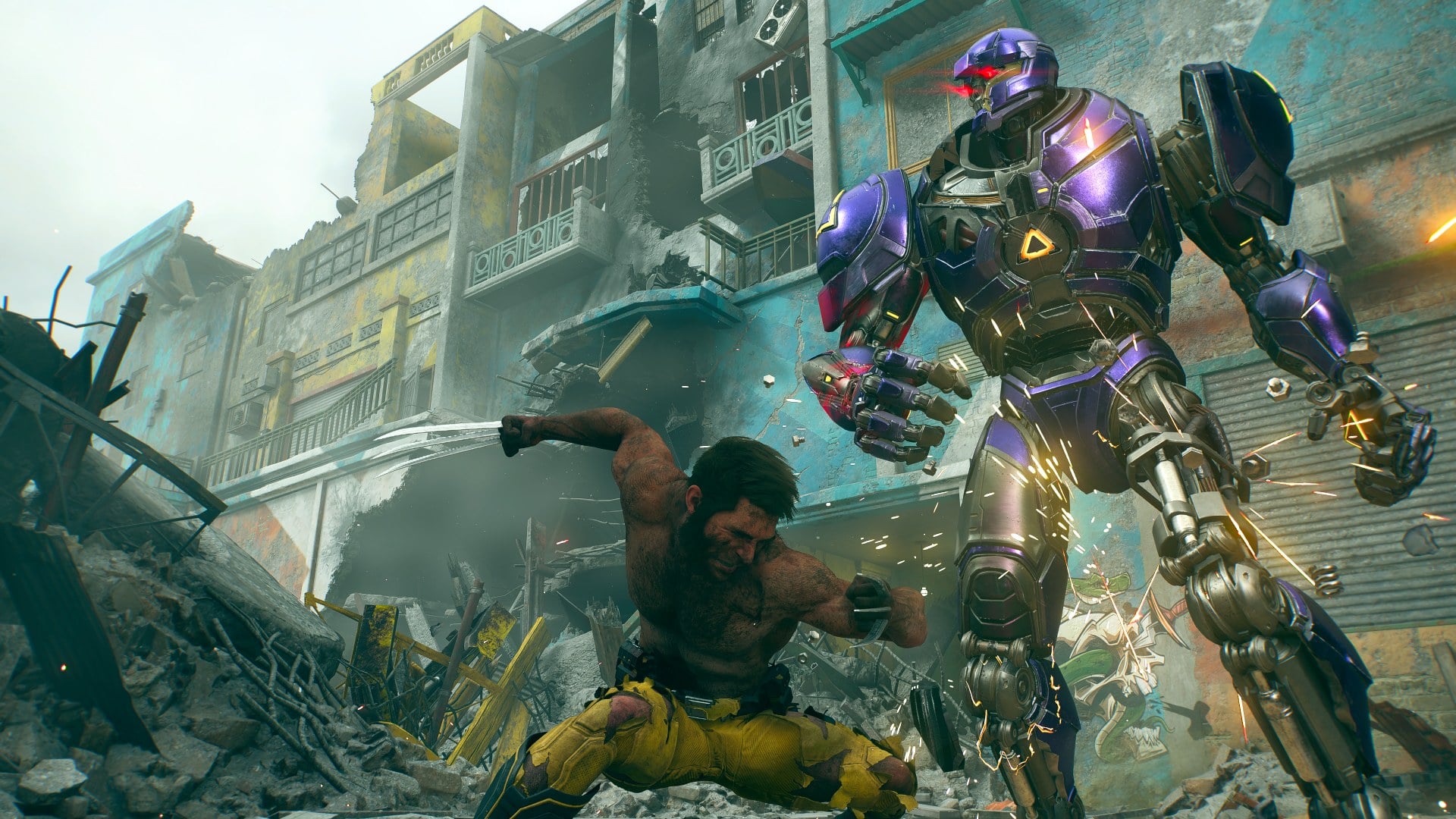
Logan has a handful of moves and attacks that he can use beyond the standard spikey punch, but there’s a notable lack of playstyle or expression as unlocks are mostly regimented in such a way that every player will get the same tools at around the same time. So many of the waves of enemies you face, whether they be cannon fodder on your way to the next big story moment or more formidable foes you face during a climactic moment of clarity, fail to really differentiate themselves from one another. Most enemies use the same tactics, and the ones that don’t still have the same vulnerabilities as anyone else. Logan’s claws are sharper than anything his enemies throw at him, so even as Logan gets sick new tricks to pull off, there’s not much reason to vary up your approach. A claw to the face will do, and once you rack up enough kills and gain enough Rage meter, Logan can enter an all-powerful state in which he can easily one-shot most enemies with a vicious takedown. It’s endlessly satisfying to leap across a battlefield and impale fools with Logan’s claws, then flip around and do it again to someone on the other side, and yet, once a fight dies down and you move onto the next goal, you realize Wolverine doesn’t really have that much else for you to do beyond slice and, well, smell.
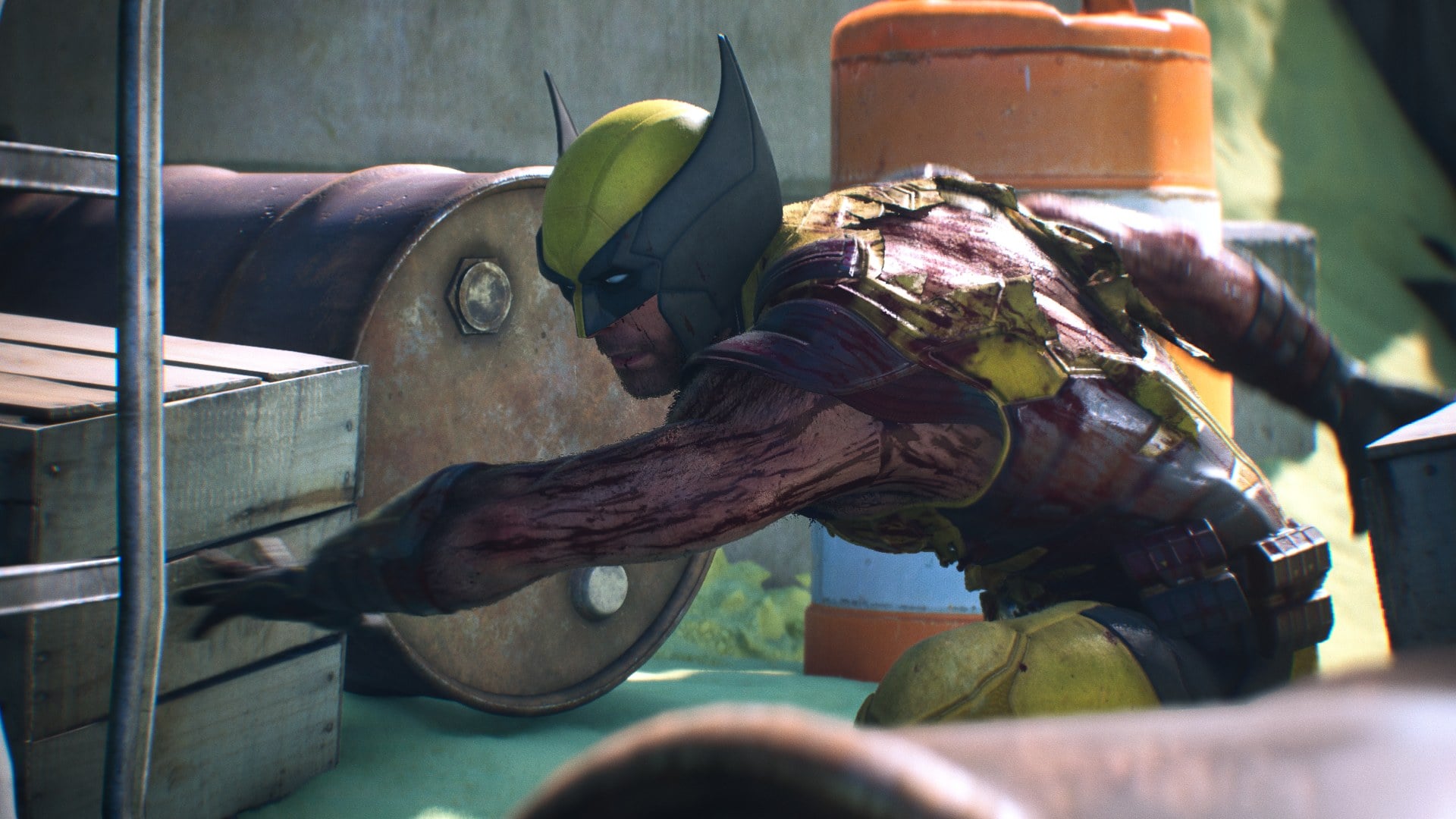
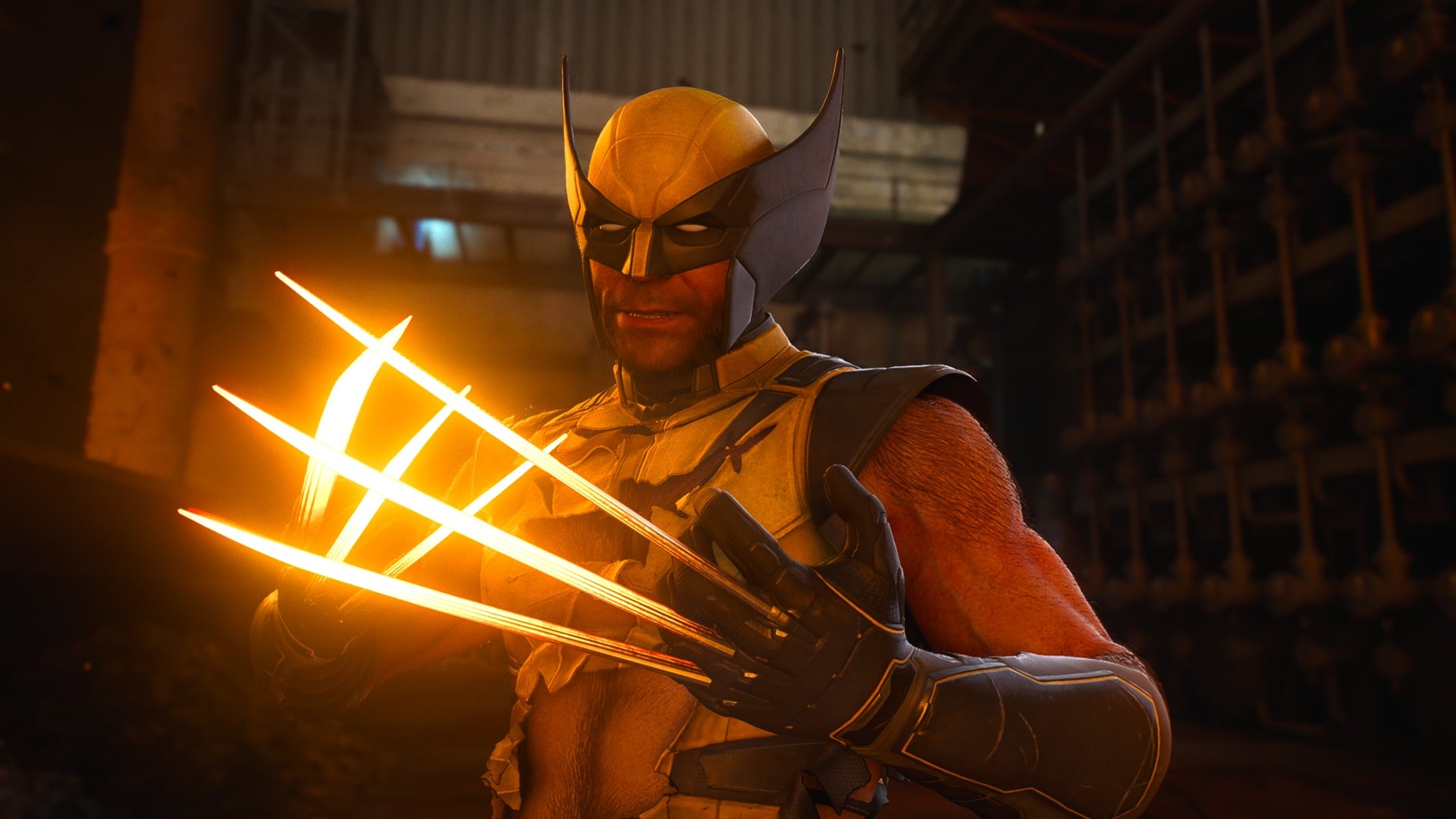
Logan’s armor keeps the score as you move from fight to fight, with the blood of his enemies lingering on the tattered remains of whatever he was wearing before the fight started, but if you’re not in the middle of slicing fools up, you’re probably using Logan’s heightened sense of smell to track down whatever you’re meant to see next. Wolverine’s story has half a dozen major threads going on at any given moment, but they rarely actually manifest in meaningful, varied gameplay moments.
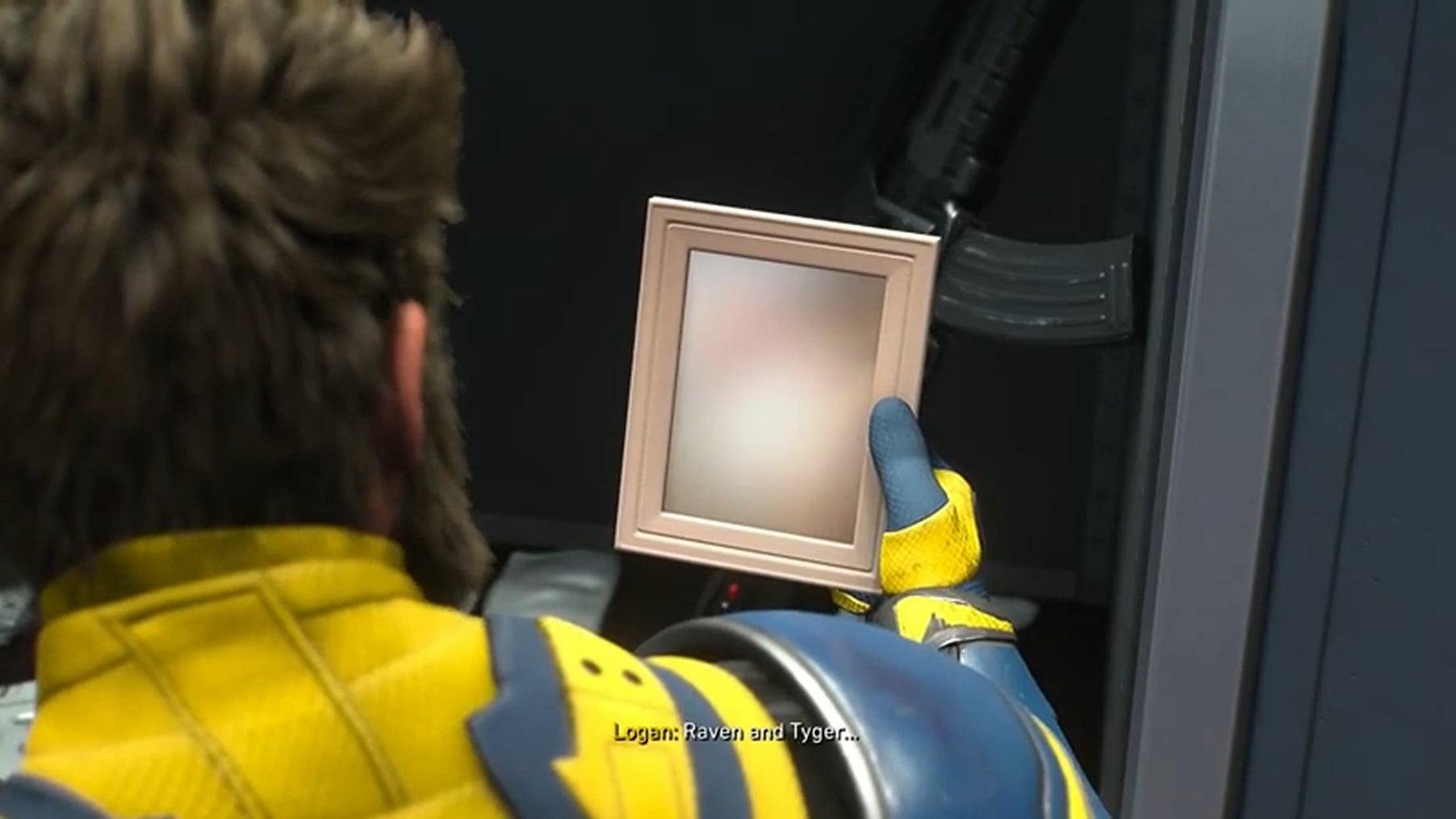
The game isn’t open-world; its smaller areas are akin to those of an action platformer. You mostly just run and jump through them, slashing up waves of enemies on the way, and anything that might be considered a puzzle is woefully simple. There’s occasionally some cool flair to how Logan fights, as in the periodic fight on the back of a motorcycle What breaks up the constant scratch-and-sniff are the signature Sony walk-and-talk segments where you can move around a pretty detailed space to chat with Logan’s allies, look at some of the objects Insomniac has left sitting around, and maybe find a collectible bottle of whisky and the story Logan tells attached to it.
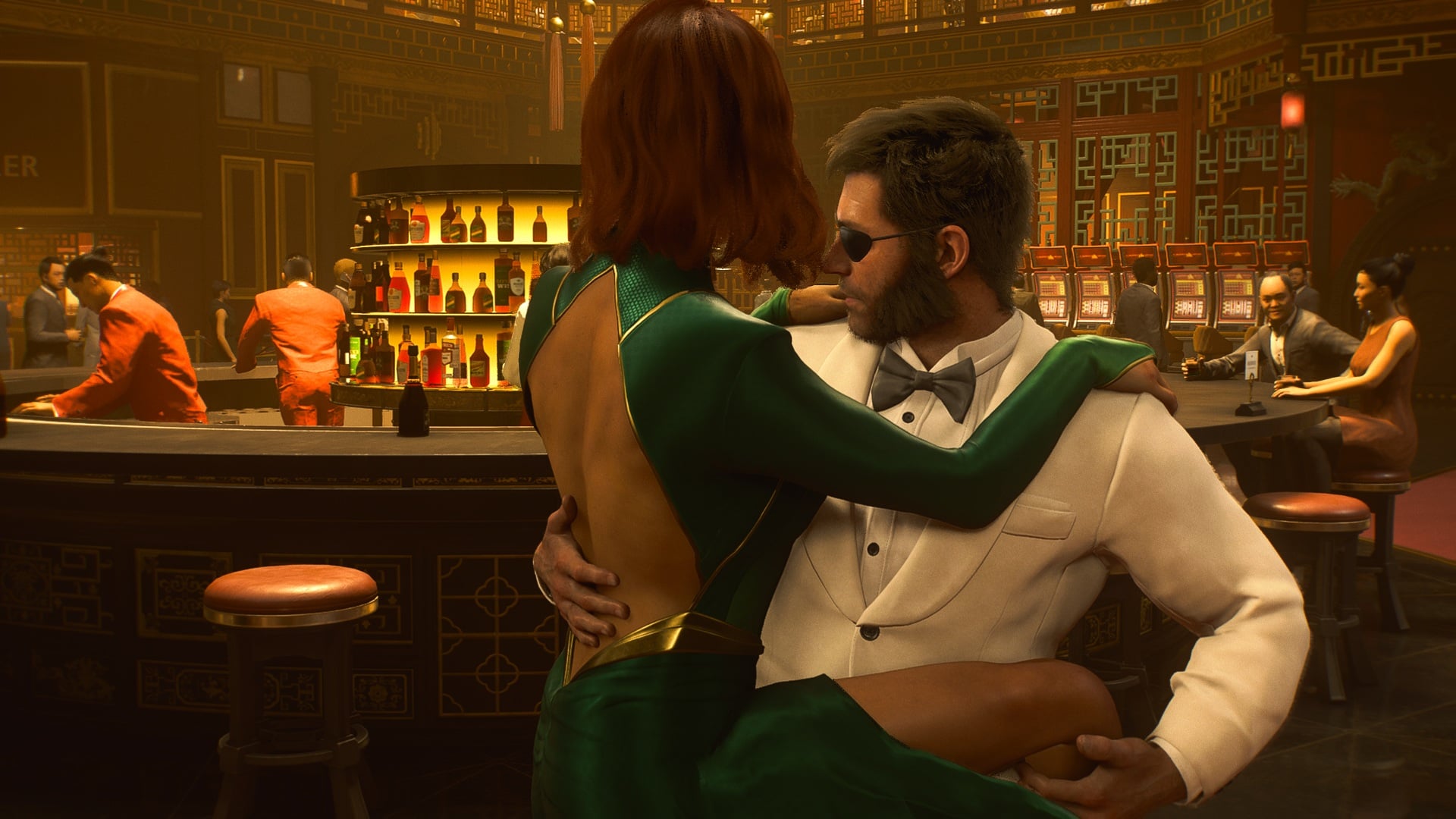
One segment that stands out involves Jean and Logan, undercover and searching for answers, crashing a party, disguised through Jean’s psychic powers to be unrecognizable to anyone who might have seen them on a wanted poster. There’s a bit of Bond-esque espionage as the two blend into their surroundings with no room for Jesus in between them, and though the section is short and simple, it’s moments like this that make me wonder what a game like this with more solutions than slicing a guy up or smelling his stank ass might’ve looked like.
Marvel's Wolverine
-
BACK-OF-THE-BOX-QUOTE:
"Just because someone stumbles and loses their path, doesn't mean they're lost forever."
-
DEVELOPER:
Insomniac
-
TYPE OF GAME:
Cinematic action game.
-
LIKED:
The core of the X-Men story still shines through, good performances, almost gleeful in the sort of “turn your brain off” bliss that comes from slicing people up.
-
DISLIKED:
You do like, two or three things in this game, the story stretches itself thin reaching for multiple sequels and storylines.
-
PLATFORMS:
PS5
-
RELEASE DATE:
September 15, 2026
-
PLAYED:
~18 hours
Sony’s continued pursuit of Last of Us-level prestige at the expense of all else has put its studios in a bind. Insomniac mercifully scales back from giving us another goddamn open-world video game to add to the neverending pile, and Wolverine manages to use its smaller spaces for something that feels even more polished and prestigious than the studio’s previous superhero stories, but it is, tragically, a bit thin in other ways. It’s paradoxically juggling so many storylines in service of a larger universe while setting you up as a character who seemingly has only one mode of operation.
In that way, the game’s relatively short runtime of around 15-to-18 hours works in its favor, because if Wolverine had been a massive superhero game in which Logan was running around entire cities doing odd jobs and side quests, that one note it repeatedly hits would have gotten old very quickly. It’s only when it does something more interesting, like making you fight a boss after Logan’s eyes have been gouged out and slowly recovering, that you get a hazy glimpse into something that could have at least broken up the monotony. If nothing else, it feels like a structural throwback to a simpler time when games didn’t have to consume your entire life. I just hope the inevitable sequel doesn’t feel as stagnant as this one.