Sony’s original plan was to launch nearly a dozen live-service games by March 2026. It later cut that number in half. Of the ones that eventually shipped, only Helldivers 2 turned out to be a runaway success. It’s been a long and messy road paved with big ambitious and painful failures. The company may currently appear to be retreating from the PS5’s live-service pivot, but PlayStation’s CEO says live-service games are still a key part of its future.
“We believe that live-service games are content that attracts users on a global level, so we want to continue to revitalize the market through both first-party and third-party content,” Hideaki Nishino said in a new interview with Famitsu (via Wccftech). He continued, “With live-service games, it’s important to continuously provide something. The genre itself is relatively new, and I think many people are trying various things, so we also want to continue to take on challenges within that context.”
Nishino pointed to the upcoming release of Arc Systems’ Sony-published Marvel Tōkon: Fighting Souls as an example of the company still being very much in the hunt for new online multiplayer gaming success stories. While Sony’s live-service flops, like the short-lived hero shooter Concord, are now well known, its canceled multiplayer projects are just as notorious. Those include the Last of Us Online spin-off that was reportedly nearly 80-percent complete when it was mothballed, as well as a multiplayer spin-off of God of War by Bluepoint Games that Sony reportedly canned before eventually closing the beloved remake studio altogether.
Maybe that’s simply the nature of the live-service beast: call a bunch of shots, watch a lot of things blow up in your face, but eventually land on a handful of hits that make the whole thing worth it. What companies like about this business model is the nearly limitless upside. Single-player games are limited by the ultimate size of their audience. An individual game can only be sold so many times, but a platform like Fortnite can print money for years. That’s the dream, at least. In reality, live-service games are expensive to maintain, interest can eventually wane, and there’s no foolproof formula for re-engineering the magic once it’s gone.
Reading the PlayStation handheld and PC tea leaves
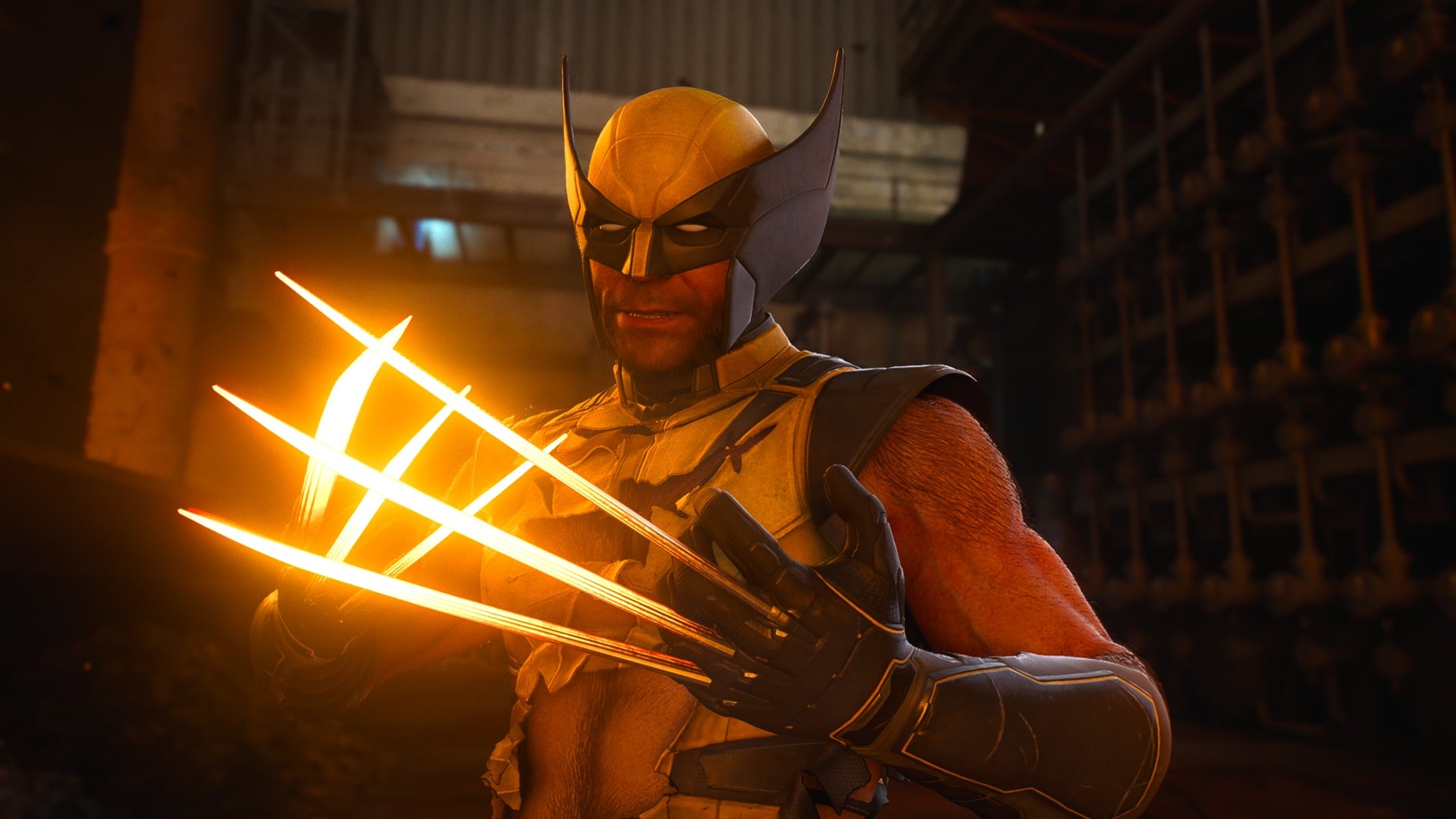
Elsewhere in his interview, Nishino signaled PlayStation’s evolving intentions around different platforms and form factors. Sony cut any mention of “plans to continue its efforts to deploy its first-party titles to multiple platforms such as PC” from its latest corporate filings following a report earlier this year that the company wouldn’t be putting Ghost of Yotei, Saros, or Marvel’s Wolverine on Steam like its other recent PS5 exclusives.
“Originally, platform selection is determined based on the characteristics of each title,” Nishino told Famitsu in his new interview. “If releasing on PC can maximize the gaming experience of a title, we will continue to consider it.” He continued, “Our main policy at the moment is that for single-player games developed as a first party, we will further refine the value of the gaming experience that we can provide on PlayStation, while for live-service games, we believe it is also important to have more people play through online multiplayer, so we are considering PS5 and PC as the basic platforms for release.”
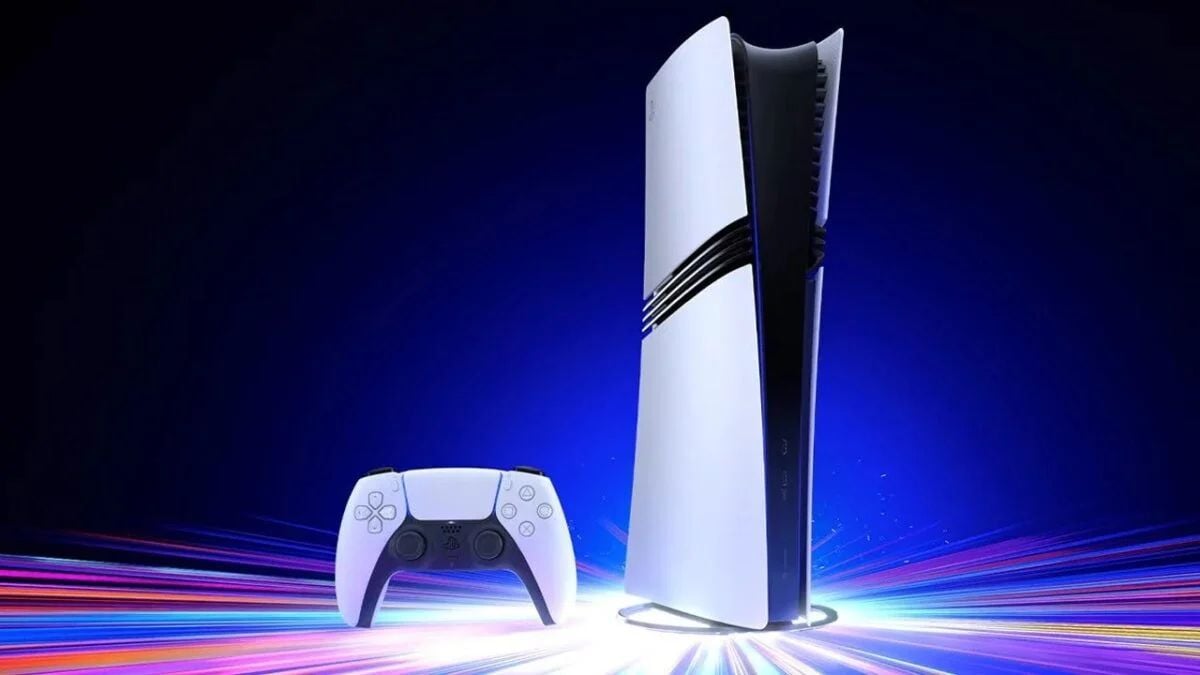
That’s as close to confirmation of the reported policy shift as we’ve gotten so far, but perhaps even more interesting was what the executive potentially hinted at regarding Sony’s expanding portfolio of PlayStation accessories and devices. “PlayStation is strongly associated with playing on a living room TV, but we plan to release monitors and speakers so that it can be played comfortably in other locations as well,” he said. “The PlayStation Portal was developed as part of this effort. We want to continue thinking and challenging ourselves to provide game experiences that suit increasingly diverse lifestyles.”
Could this be a subtle tease for that rumored PlayStation 6–generation portable Sony has reportedly been working on? I certainly hope so, though who knows when companies will be able to ship new hardware as the RAM crisis intensifies.