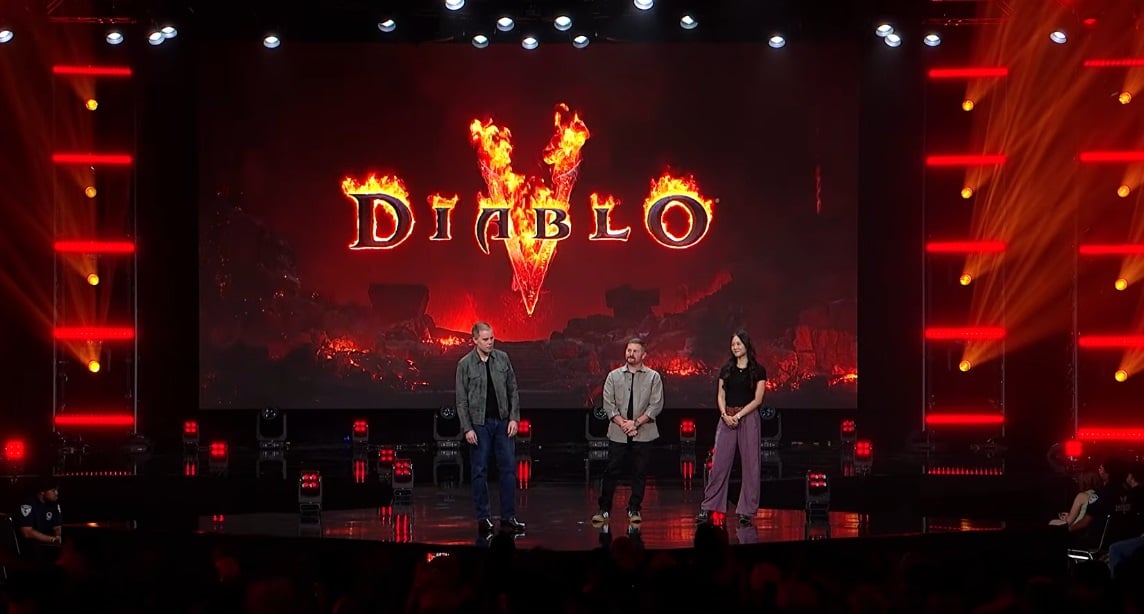
Diablo 5 is currently planned for release in spring of 2029. That’s a hell of a called shot.
Currently, as far as I can tell, it’s currently alone on the release calendar for 2029. No one else wants to announce video games that far out. But over and over during BlizzCon weekend, representatives of Blizzard and the Diablo team kept using the word “confident” to describe how they felt about that spring of 2029 release date. In a group interview I attended at the event, executive producer Matt Zitterman defended it, explaining that “that confidence comes from both clarity of creative vision and clarity of production schedule and understanding of what our team can do.” Blizzard president Johanna Faries said in an interview with Bloomberg that “we’re a Blizzard that’s going to ship, and ship big, and ship on time, and all hands on deck to set those projects up for success.”
Even so, even with all the reassurances, I was baffled by such a bold move. So when I sat down with senior production director on Diablo 5 Tiffany Watt and senior art director John Mueller, I really wanted to know more about this genuinely baffling, seemingly unnecessary decision. No one expected them to reveal Diablo 5 last weekend! They didn’t have to do this. No one would have been mad if they hadn’t. This feels, to me, like a really easy setup for some unfortunate headlines in a few years if this game gets delayed. And while delays aren’t inevitable, they’re so common nowadays (both publicly and behind-the-scenes, and for all sorts of reasons both dramatic and boring) that I would be completely unsurprised if at least one happened.
But Watt and Mueller do not express a flicker of concern as I ask them about the announcement timing. I ask them whose idea it was to announce Diablo 5 when they did, and Watt responds thus:
The team all agreed that it was a great time to tell the world about Diablo 5. You know, we are in full production on the game. We have a strong idea, or we know what the game is going to be. With John and Joe [Shely, game director] and their direction and their vision, we just felt very confident about the game that we’re building, confident in our features, and we wanted to share it with the world. And part of that is we’ve found a lot of success working on Diablo 4, talking to the community. Joe said at the end of the panel yesterday that it’s important that we are building the game that the community wants. And the easiest way for us to do that is to have a conversation with the community. And so being able to share Diablo 5 with the world now, it starts that conversation. And so we can start hearing from them, engaging with them on what our game is, if it has the feature set that we’re looking for. We have so many ideas about the game that we want to build. We are all longtime Diablo fans. But without that engagement from the community, we can’t be as confident as we want to be about making sure that we’re making the game that we want.
Mueller adds to this, telling me that at the beginning of development, a few of the leads wrote down things they wanted from the game. Shely, he says, wrote down “community involvement, as early as possible,” effectively turning that into a “team pillar” from the jump.
I think Blizzard has this history of waiting a very long time before [a game is] announced and unveiling it. It’s like the grand reveal. And I think there was a time for that. But I think just with an ARPG, we have such a passionate group of players. And meeting with them through Joe, we got a lot of them together early just to talk about the game. I think it’s this great collaboration of how things have evolved in the games industry, of involving the community. We had a good experience on 4, but it could have been better. And what would have been better is if we could have gotten them in there early to verify the things that we think are awesome about the game. Because without that, if it’s not landing for them, it’s not going to land for their people.
“You get so much great feedback, right?” Mueller added a bit later. “But if you don’t have time to implement it, it’s going to go into a patch, it’s going to go into a triage list, it’s going to go in late. A lot of the stuff that we got from those playthroughs with our core folks, they gave us a lot of great notes. But it took a while to get them all in with everything else, all the different competing priorities.”
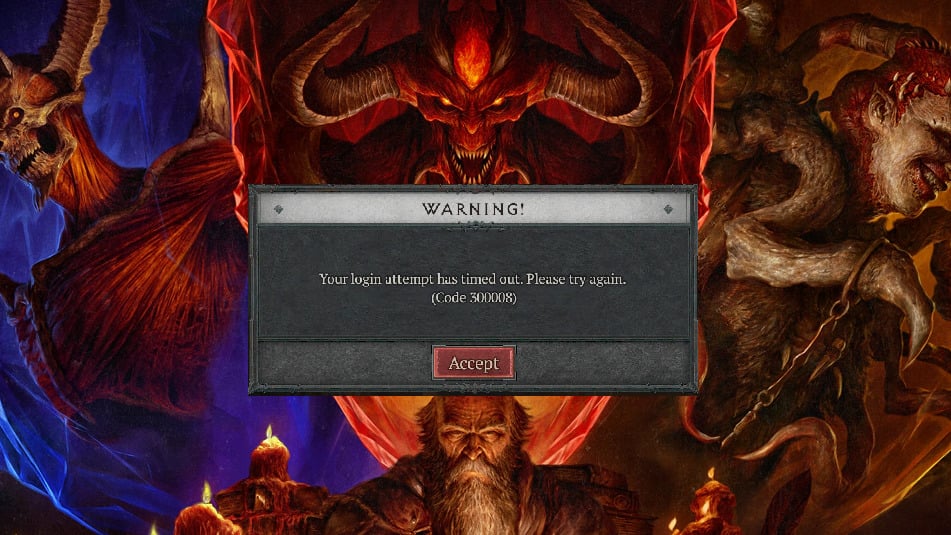
At this point, I ask them to forgive me for still being skeptical. Anything can happen in three years! The industry is in a highly unstable place right now, with funding in short supply, layoffs every other week, and hardware component prices skyrocketing. In recent memory, a global pandemic dramatically mucked up everyone’s production schedules. And then there’s just the fact of video games being difficult to make, taking a long time, and extenuating circumstances often requiring games to get delayed for months or even years. I point out, too, that Microsoft has promised to lay off 1600 more people from across Xbox in the coming year, and we have no idea where those cuts will come from. And while I don’t mention it to the pair in the interview (because it hadn’t happened yet), Diablo 4‘s big anniversary celebration just got delayed due to a wave of error codes. These things happen!
With all this, then, they’re still very confident on this spring 2029 window? Watt responded:
We have the incredible benefit that a majority of the people working on Diablo 5 are people that have worked on Diablo for a long time. Diablo 5‘s engine is an evolution of Diablo 4‘s engine. And a majority of the developers worked on Diablo 4. So we’re building upon the tech stack. Our pipelines are an evolution. And many of them are well-known by the team. And so because we were able to begin working on it a while ago, we were able to set a very, very clear and distinct vision of what the game should be. And as the team grew over time, it was easy for us to begin scaling production. I mentioned that my own producers talk about production a lot, but we are in full production. And you can’t enter full production unless you do have confidence in your pipelines, your capabilities, the talent that you have on the team. And because our team is so passionate about the game that we’re building, we’re able to move quite quickly. And we’ve learned how to iterate on things really quickly. We know how to work well with one another, collaboration, working through issues, prioritization. And so we do have a lot of confidence in our game and our team.
And here’s Mueller again with his answer:
You spend a lot of time and development on getting the team capable of making the thing that you’re trying to make and getting the tools where it’s like, yeah, we can build everything that we want to build without any kind of surprise delays, tooling problems, pipeline issues. So I think that that’s all inside baseball to a lot of people. But I think for us, we branched over a year ago from Diablo 4, like what we shipped with Lord of Hatred. And we’ve been working on that to make the game that we are specifically making. So all of the advancements we’re making on the procedural dungeon system, which is our third version of this tech, basically being able to, you know, I get to see the game every day and the environments are stunning. Like the exterior environments that we’re building that are procedural, they look as good or I think better than a lot of the work that we had done on Lord of Hatred, which I think was some of the best worldbuilding we had done with that technology stack. And so I think all the same folks now are working on 5, and you can’t do that unless you’re really into production and all your tools are working and you’ve got your team and you’ve got your leads and everything’s all set up together.