A former Ubisoft developer has hit back at “online conspiracy theories” that blame the French publisher’s ever-falling stock valuation and game development struggles on “DEI.” Instead, he says the problems arise from “Big Business Syndrome.”
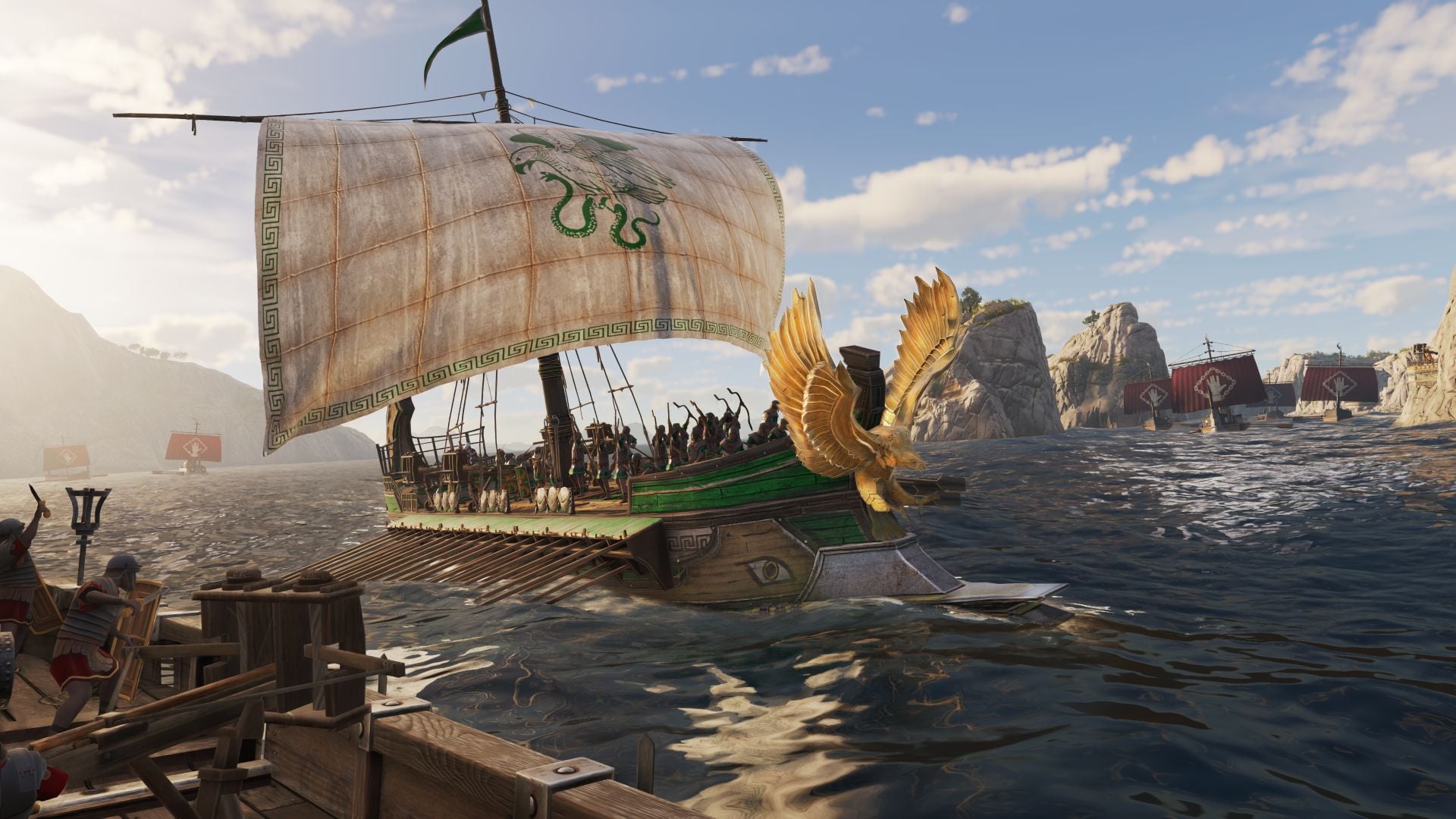
As translated by Automaton, ex-Ubisoft Osaka game designer Kensuke Shimoda shared his pushback on X in response to a comic by manga artist Sadataro attributing Assassin’s Creed Shadows’ sales performance to Ubisoft’s “DEI” initiatives. For context, Ubisoft has previously stated that Assassin’s Creed Shadows “performed within expectations,” and, as of July 2025, had amassed over 5 million players.
Ever since Shadows dared include an African samurai as one of its two protagonists, it’s been the target of anti-woke attacks, including from Elon Musk (who was later ratio’d by whoever runs the official Assassin’s Creed X account). Some of those same people have now been saying the company’s financial fallout vindicates their attacks on diversity and inclusion in gaming.
Shimoda, who worked for the publisher from 2021 to 2024, stated “unequivocally” that Ubisoft’s DEI initiatives “didn’t wield that much influence” and were, in fact, “actually beneficial” in helping them expand in South America and the Middle Eastern territories.
His comments regarding Ubisoft’s “excessively low turnover rate” and “lack of senior/lead-level staff with experience” imply that Shimoda lays the blame squarely at the feet of the publisher’s upper management, especially when paired with his “Big Business Syndrome” remark.
Big Business Syndrome is a term coined by Kazuma Tateisi, former president of Japanese electronic manufacturer OMRON, in 1987. In short, Tateisi believed that the profits of several prominent Japanese companies in the 80s began to fall once their leaders became too obsessed with maintaining the status quo. When stepping down as president in 1987, Tateisi warned OMRON employees that refusing to pursue the same riskier strategies that led to their initial success, yet continuing to expand in the process, would lead to them suffering the same fate as their contemporaries.
Shimoda is arguing that Ubisoft has become a victim of the same mentality. On January 21, the publisher announced a painful shakeup that included the cancellation of “4 unannounced titles, including 3 new IP’s” and the formation of “Five Creative Houses” that will solely focus on developing games for their pre-existing IPs. But some current employees feel like this latest reset is just history repeating itself.