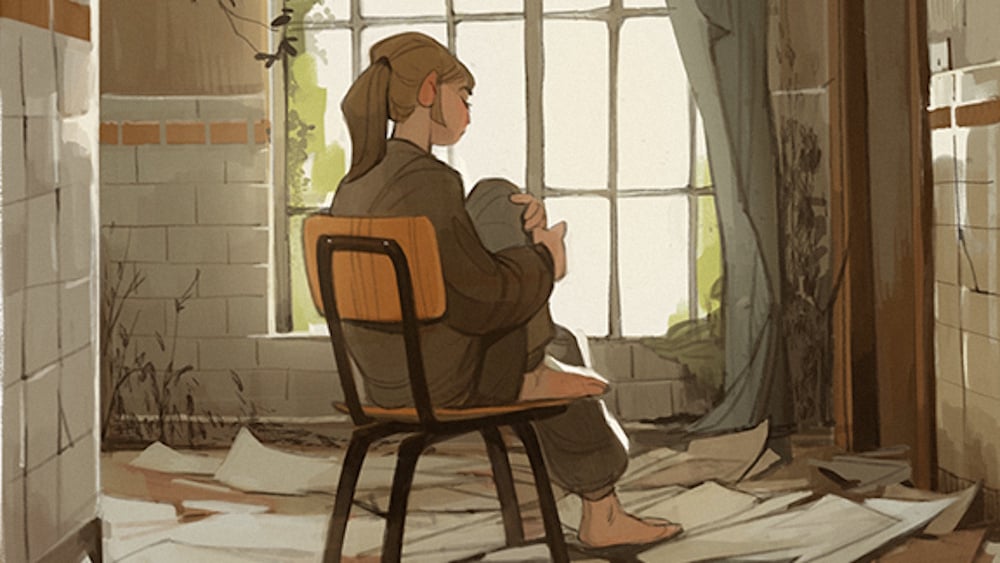
In a time when so many are rejecting creativity and the employment of actual creative people in favor of using generative AI, it’s fair enough to get angry. These vast plagiarism machines regurgitate the efforts of millions of talented humans without credit or compensation, while exacerbating environmental destruction and making technology unaffordable for the majority. It’s not great. But it’s also far from great to start throwing around spurious accusations that someone is using that technology, especially when that person is someone AI has stolen from. This is what’s recently happened to artist Loish (Lois van Baarle, whose work appears in Horizon Zero Down), among so many others, and it’s incredibly damaging.
In a post to her Instagram account, Loish detailed how she had recently been accused of using genAI in her artwork “over on Tiktok,” and the experience gave her reason to consider just how little thought sometimes goes into such ill-founded claims. In a superb video, the artist—who spends vasts amounts of her time teaching other artists and creating resources for them—details the many ways the people who suspected she’d used AI could have easily identified that the piece in question was original and entirely self-created. For one thing, she has videos on her feed showing the process of the specific piece’s creation, and proving that she made it in 2023 when genAI was only just beginning to emerge.
Add to this that she’s been creating and posting art since 2003, and goes out of her way to show the way in which her style has developed over that time, sharing her process in a very intimate and deeply useful way. Which is to say that of all the people one might accuse, she’s a particularly ridiculous target.
“It’s a rough time for artists,” Loish explains in the text accompanying the post. “We are forced to compete with slop in our social media algorithms and in our creative industries, while our work is relentlessly fed into this machine without our consent. Now we’re at a point where we can be accused of using AI for our art, even when documenting every step of our process.”
As Loish goes on to point out, the AI slop machines would have nothing to put out if it weren’t for the efforts of artists like her having their work put in. “Now our work has been overshadowed and drowned out by it,” she adds.
Working in an industry where we have to be ridiculously careful about noticing when a game has used AI crap instead of human talent, I know too well how important it is to be diligent in this process. A lot of the time it’s very obvious, but as the technology becomes more sinister, it’s getting better at passing off others’ collective work as its own, and we owe it to artists and creatives to investigate and refuse to tolerate its use. But at the same time, there isn’t room for false negatives, inaccurate allegations against those who work so very hard. Such thoughtless errors can do irreparable damage to a creative’s career. Loish’s final statement puts it all perfectly:
Real human connection is so important right now. Which is why it’s so important to learn the skills needed to figure out if something is real: whether it has been created by a living, breathing person. So click beyond the comment section. Check profiles, watch process videos, learn the warning signs for AI generated imagery. Especially if you’re part of a younger generation that has been exposed to this kind of content for much of your life. Don’t forget what makes us human!
Loish’s art is absolutely stunning, and you could do a lot worse than to lose an hour of your day scrolling through her Instagram, DeviantArt and personal website. Let alone her Patreon account where she posts full tutorials and detailed breakdowns of her creative process.