1. Alan Wake 2 and The Legend of Zelda: Tears of the Kingdom (tie) (continued)
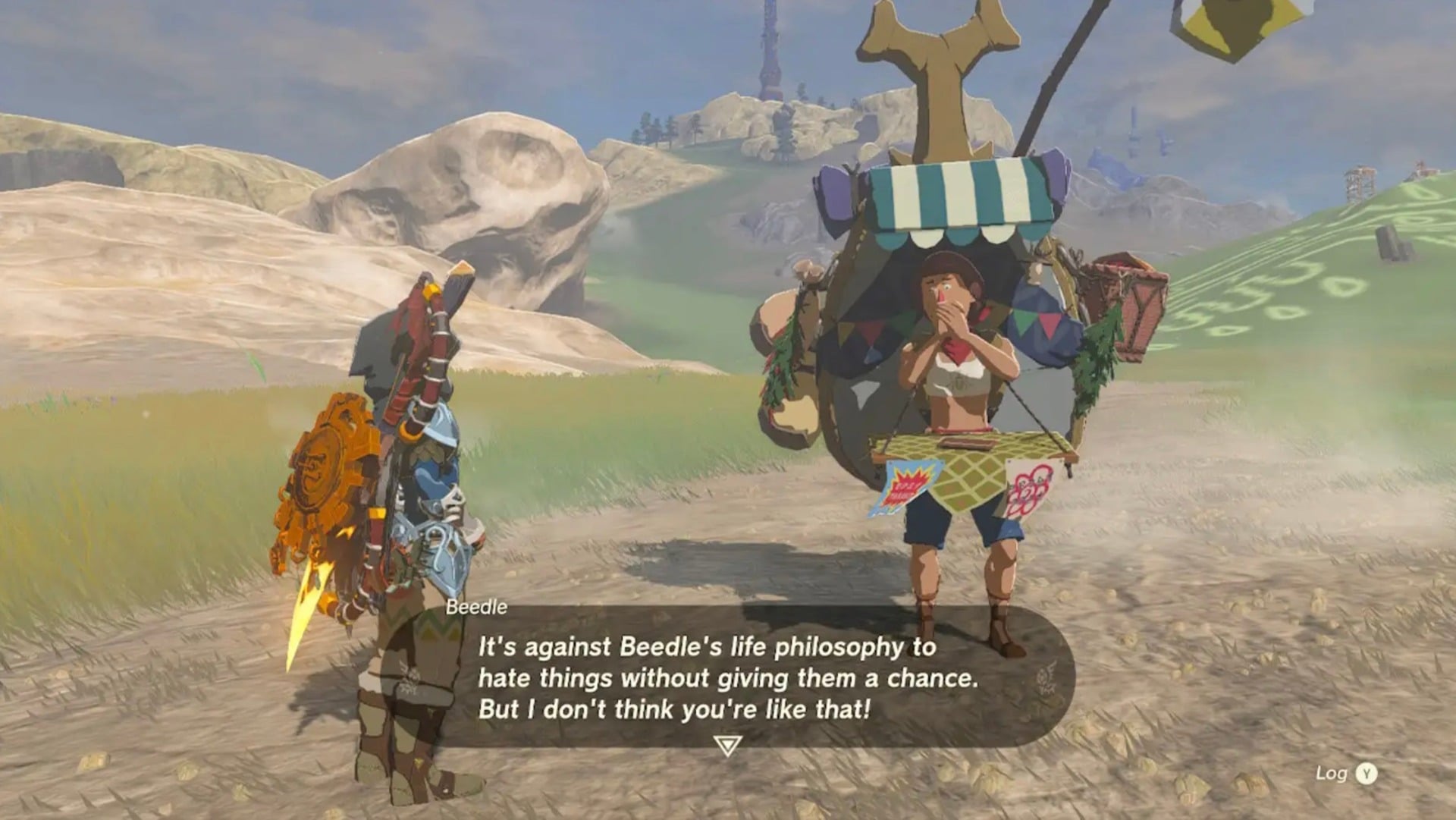
The Alan Wake games may have avoided ever getting trapped in a creative loop, but if ever a beloved game series exemplified just how easy it is for a franchise to start spinning its wheels and seemingly going nowhere, it’s The Legend of Zelda. There’s no better piece on this than critic Tevis Thompson’s urgent 2012 essay Saving Zelda, which details, in the wake of Skyward Sword, how the crushing sameness of so many entries in the series had started squeezing all the life out of it, sapping it entirely of the spirit of exploration and adventure that it had once embodied.
Read More: The Legend Of Zelda: Tears Of The Kingdom: The Kotaku Review
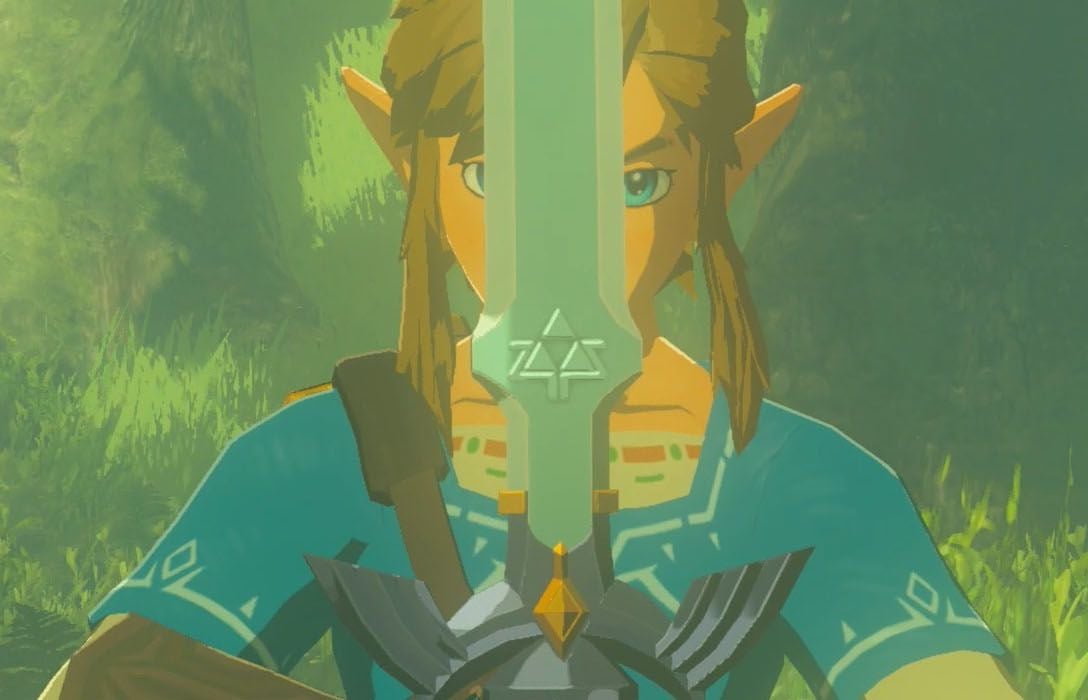
But finally, the loop that had begun to feel so hopelessly limiting and restrictive in games like Twilight Princess and Skyward Sword gave way with 2017’s Breath of the Wild, a game as grand and liberating as we could have hoped for. And perhaps, like Alan in the Dark Place struggling again and again to write himself a way out, all of that repetition and sameness had been in some way necessary for Nintendo to arrive at a place where it could break free. But now there was a danger that, with Tears of the Kingdom, a new loop would begin to set in, a new era of modest tweaks and re-skins of the same basic design principles.
Nintendo avoided this, however, by examining the core relationship in Breath of the Wild–the one between Link and the land of Hyrule itself–and giving you a wonderful new assortment of ways to explore that connection. Like Alan Wake at his plot board, experimenting with new ideas until he finds the ones that really click, one gets the sense that TotK’s designers tried plugging in all kinds of fresh ideas until they hit on those that created the greatest opportunity for creativity and wonder. Abilities like ultrahand and ascend encourage you to see Hyrule with fresh eyes, as a place full of new possibilities.
Tears of the Kingdom also gives you a world that feels so alive and responsive to your presence that new themes and meanings emerge naturally from the act of play. In the Los Angeles Review of Books, for instance, Martin Dolan argues, “Behind its thin facade of a PG-rated fantasy adventure, the world of Tears of the Kingdom is a parable of climate change in action.” I felt that too. The Hyrule of Tears of the Kingdom reminded me of what it is to feel deeply connected to the world around me, to feel caught up in the interwoven web of life. In its own very different way from Alan Wake 2, it’s a remarkable artistic triumph, one that perhaps could not have existed if years hadn’t been spent struggling to find an invigorating new creative direction to go in.
I wish real creativity were easier. I wish it really were just a matter of getting a flash of inspiration and seeing your ideas spill out onto the page. And I suppose once in a while it is. More often than not, however, it’s labor, grueling and arduous, which, if you’re diligent and lucky, might at long last produce something great, and it’s all the more rare in games because the industry often prioritizes the safe and reliable over the genuinely creative and visionary. I hope that Alan Wake 2, Tears of the Kingdom, and this year’s other big swings can light the way toward an industry that gives us more bold, daring games like these in the years to come.