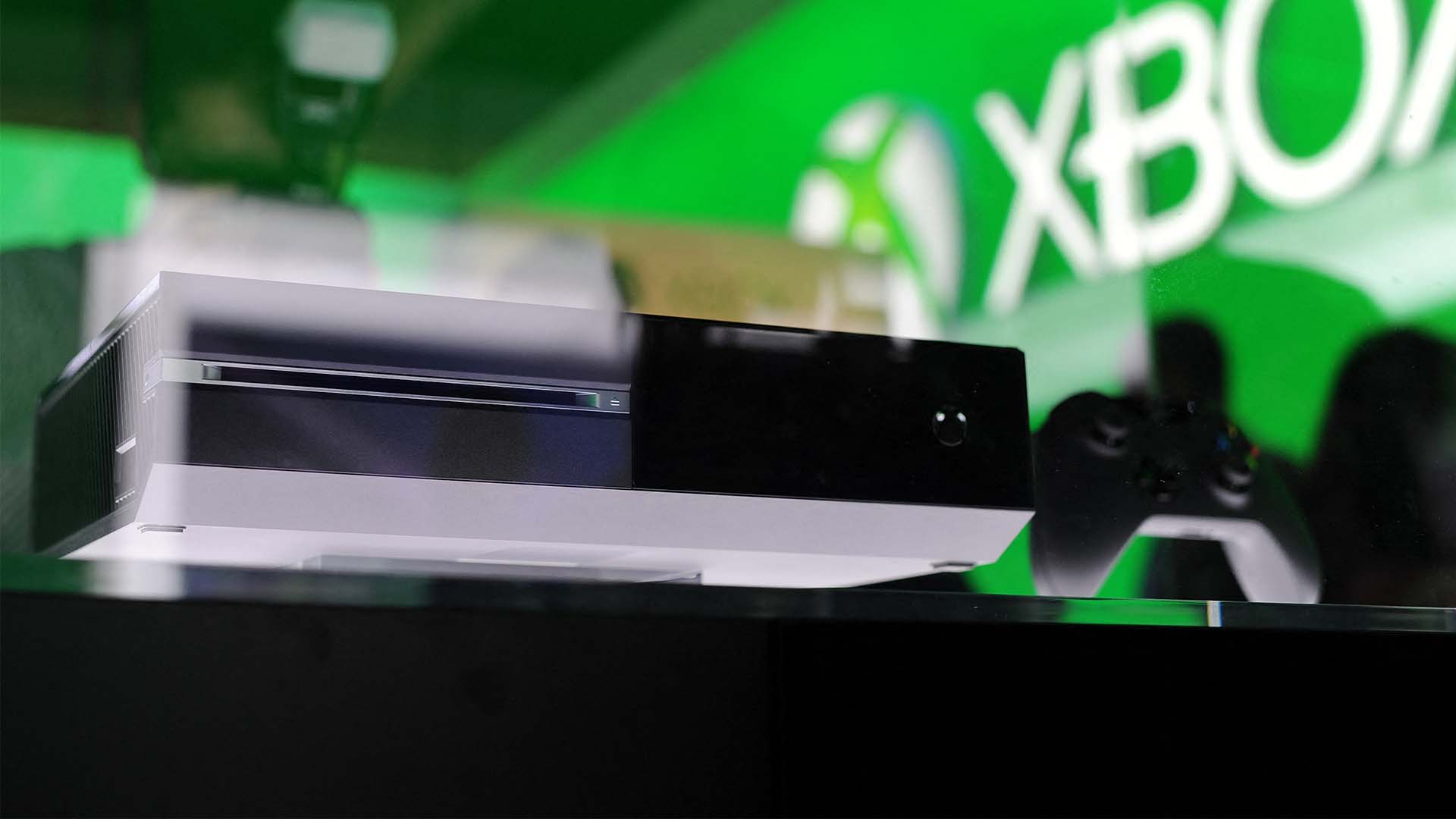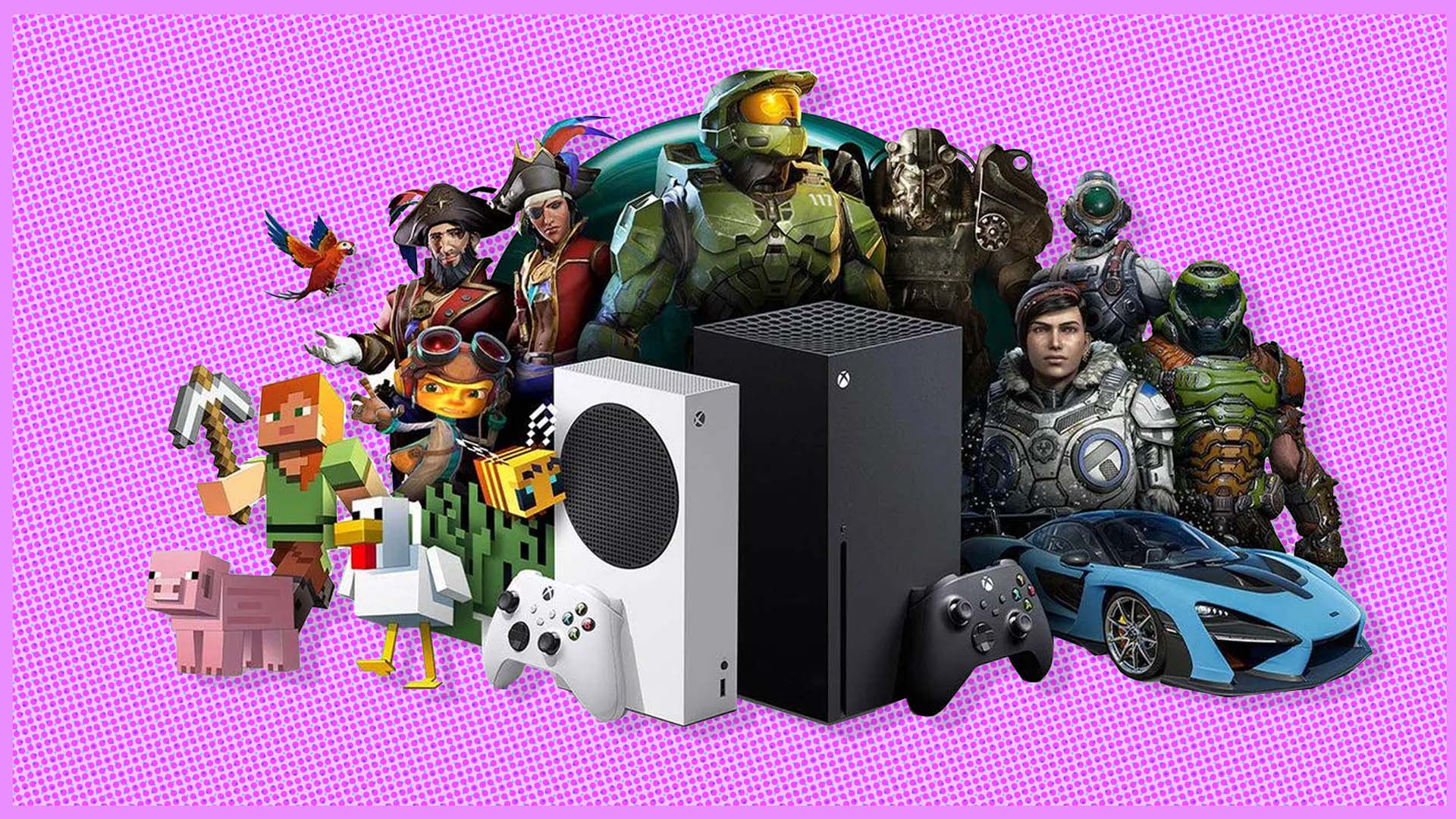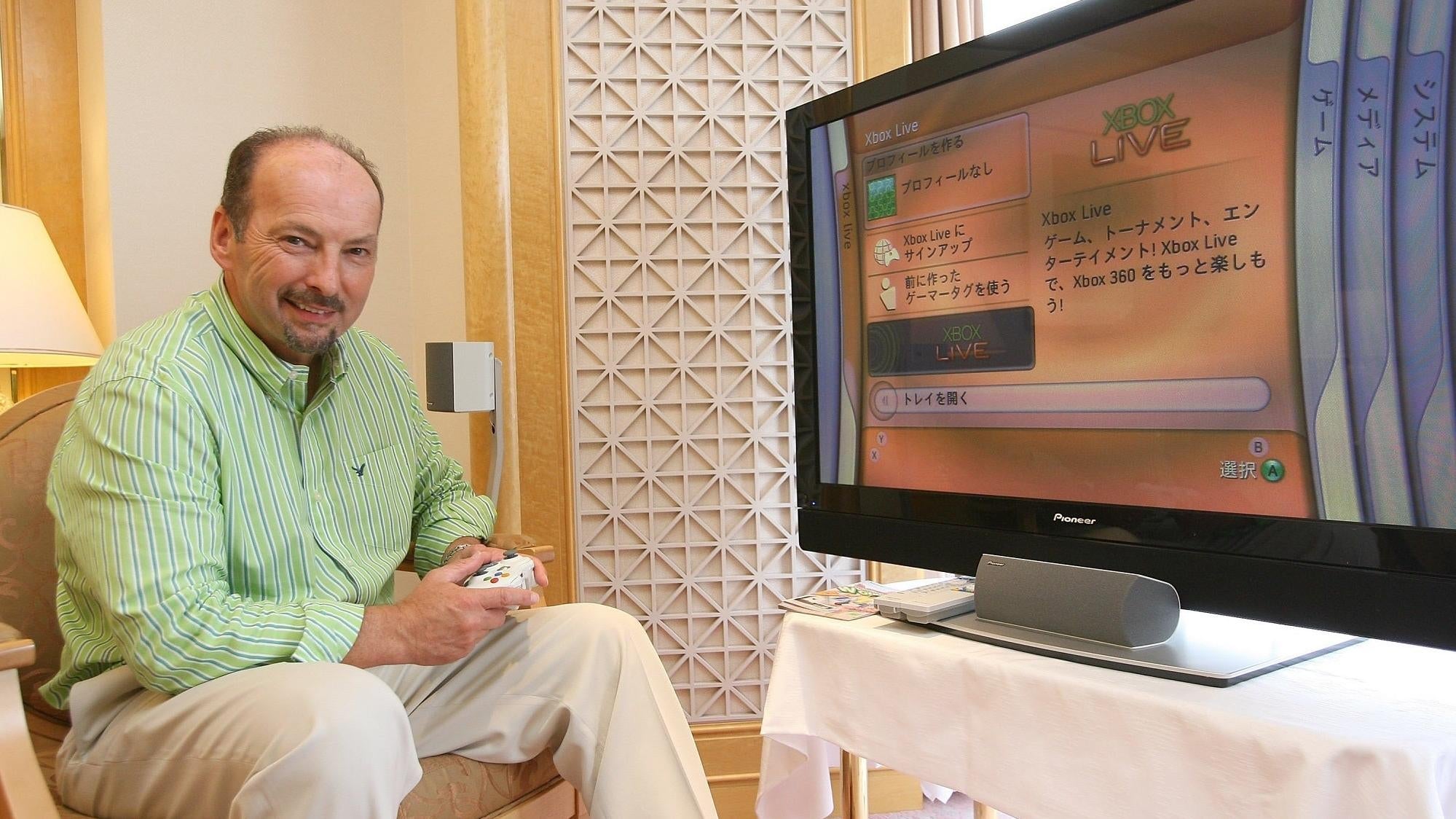
The Xbox that fans have known for decades is currently undergoing an unprecedented transformation as Microsoft sets it sights on a multiplatform approach to gaming and its console sales continue to decline year after year. Veteran gaming executive Peter Moore, an Xbox VP in the early aughts, recently suggested the company would get out of the hardware business entirely if it could get away with it.
“I still say if they had the choice, would they make hardware? No. Would they be delighted if they could be a multi-hundred billion dollar entity delivering content directly to your television, to whatever monitor you choose to play on? You bet,” Moore said in a recent interview with Danny Peña’s YouTube podcast (via VGC). “In the classically Netflix model if you will you just select, who’s playing this? There’s 5,000 people playing this, I’m gonna jump in right now, no latency, no lag, you’re in, and there doesn’t need to be a box between you and your controller and your TV set.”
Moore, who also held leadership roles at Sega of America and Electronic Arts, was alluding to Microsoft’s cloud gaming push and its “play anywhere” pitch. Instead of needing an Xbox Series X/S to play Indiana Jones or Halo, any PC or smartphone and a growing number of Smart TVs can stream the content directly to people wherever they are. In that model there’s arguably no need for consoles, at least if you’re happy for companies to control every facet of what you can play and how.
It’s felt to some like the future of gaming for years now, held back only by the current limits of online infrastructure and cloud-based technology. The veteran executive also pointed out that with the Switch, Nintendo has proven just how much some players still love their gaming hardware. And Microsoft’s existing Xbox install base, though much smaller than those of PlayStation and Switch, is nothing to sneeze at. Hence why the company continues to promise next-gen devices, including a possible handheld, coming in the years ahead.
But Moore, who spent the podcast waxing somewhat nostalgically about the early years of Xbox, also claimed that Microsoft’s recent major purchase and mergers have fundamentally changed its thinking around games. “The acquisition of Activision Blizzard changed things I think—not I think, I know—at Microsoft, so this is not the old days of the console wars and punching each other and trying to steal customers and trying to get market share and build your attach rate,” he said. “This is bigger than that in an economic sense.”
Reporting by Bloomberg and others has suggested that absorbing the massive publisher of Candy Crush, World of Warcraft, and Call of Duty has brought more scrutiny to Microsoft’s Xbox division, and a greater drive toward growth areas like other platforms, including PC. Moore also suggests that the earlier console war days, which famously saw the executive tattooing game reveals on his arm at E3, were in part an attempt to win the time, money, and attention that would one day make gaming more mainstream.
Now that it’s arrived, the priorities, including Xbox’s, are different. “What Microsoft is doing is no longer ‘we’re gonna get as much content as possible on our singular platform and the PC and we’re gonna fight for that and we’re gonna pay for that and we’re not gonna give it to anybody else.’ Those days are clearly over as you can see.”