One of the big surprises of 2026 was undoubtedly the return of Geralt of Rivia. With Ciri starring in The Witcher 4, many fans assumed that Geralt had hung up his sword for good. So after seeing a behind-closed-doors Gamescom demo of the new, Geralt-starring expansion, I had to learn more about the monster-slayer’s unlikely second epilogue. Here’s what to expect from Songs of the Past, as told by The Witcher’s long-term quest designer Pawel Sasko, and the gravelly-voiced Geralt of Rivia himself, Doug Cockle.
Tom Regan, Kotaku: How did you feel when you first learned of Geralt’s return?
Doug Cockle: It completely surprised me—I had no idea CDPR had this in mind at all. I knew that Geralt was going to be back in The Witcher 4 in some capacity, but Songs of the Past was a very nice surprise because…well, I thought that Geralt’s big journey was done.
Paweł Sasko: The idea for Songs of the Past actually came up quite some time ago. It was designed by our core Witcher team, including people like Philip Weber, who is our narrative director—and one of my quest designers on The Witcher 3. We were looking for the right circumstances, the right moment in the timeline, the right talent. After we shipped Cyberpunk 2077, part of the team went ahead to work on The Witcher 4 right away. In 2022, we released the next-gen update for The Witcher 3. That team was always in the mindset of The Witcher 3 and what we could still do [with that game], which is roughly when the ideas for the expansion first came up. So we aren’t stepping back into anything; that team never left The Witcher.
Regan: Letten looks like a refreshing new locale for The Witcher. Can you tell us more about this new island that players will be exploring?
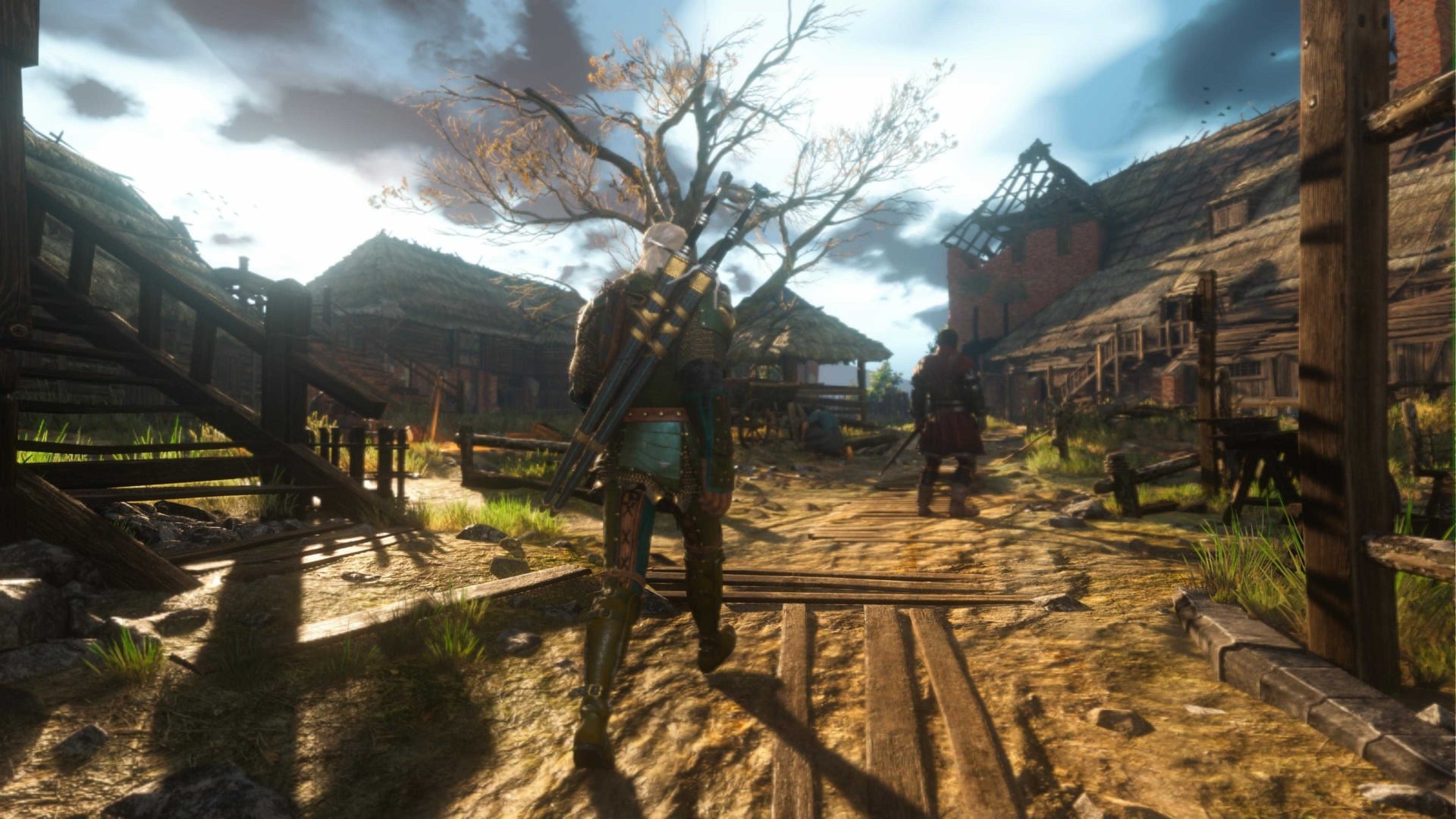
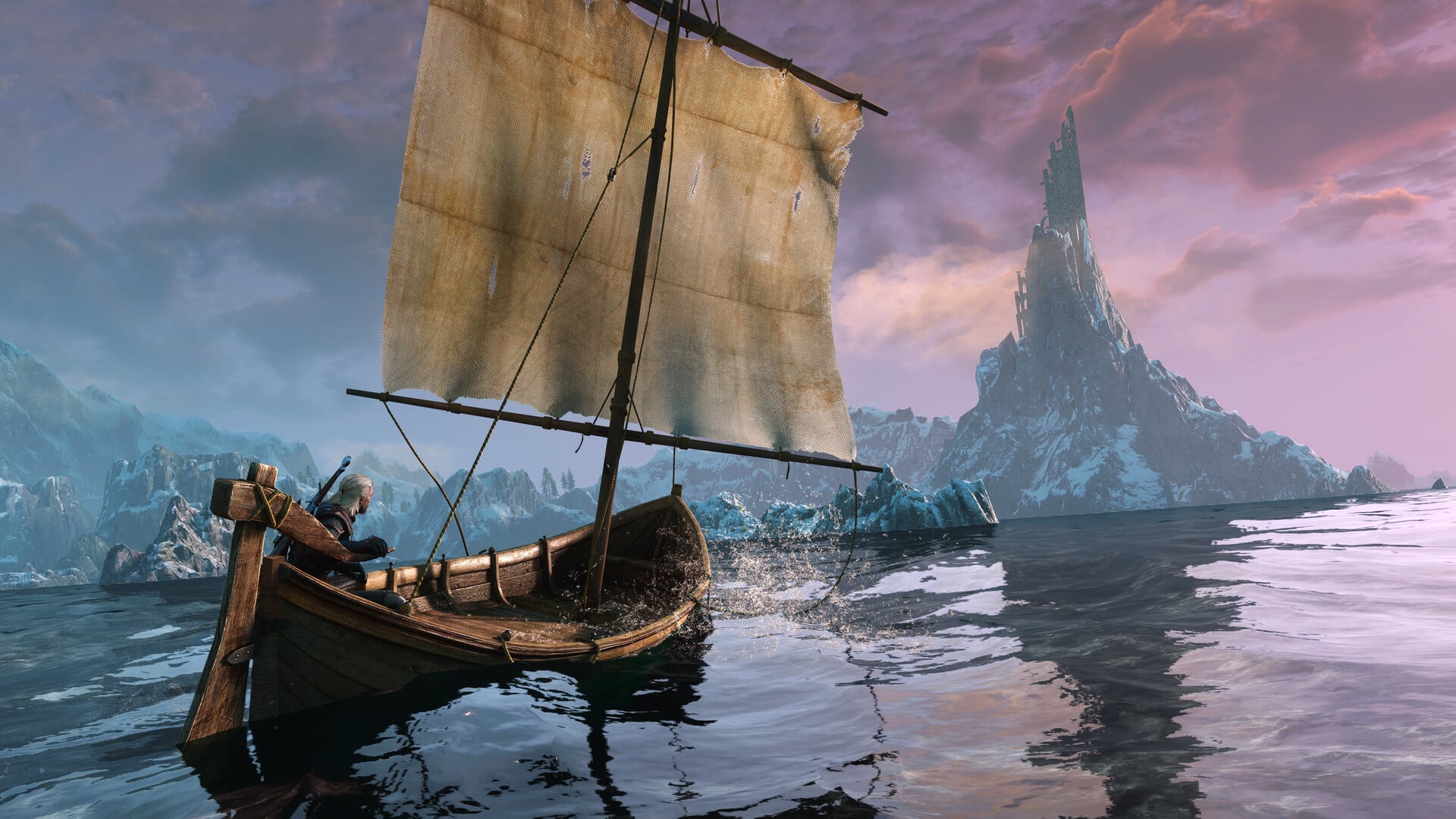
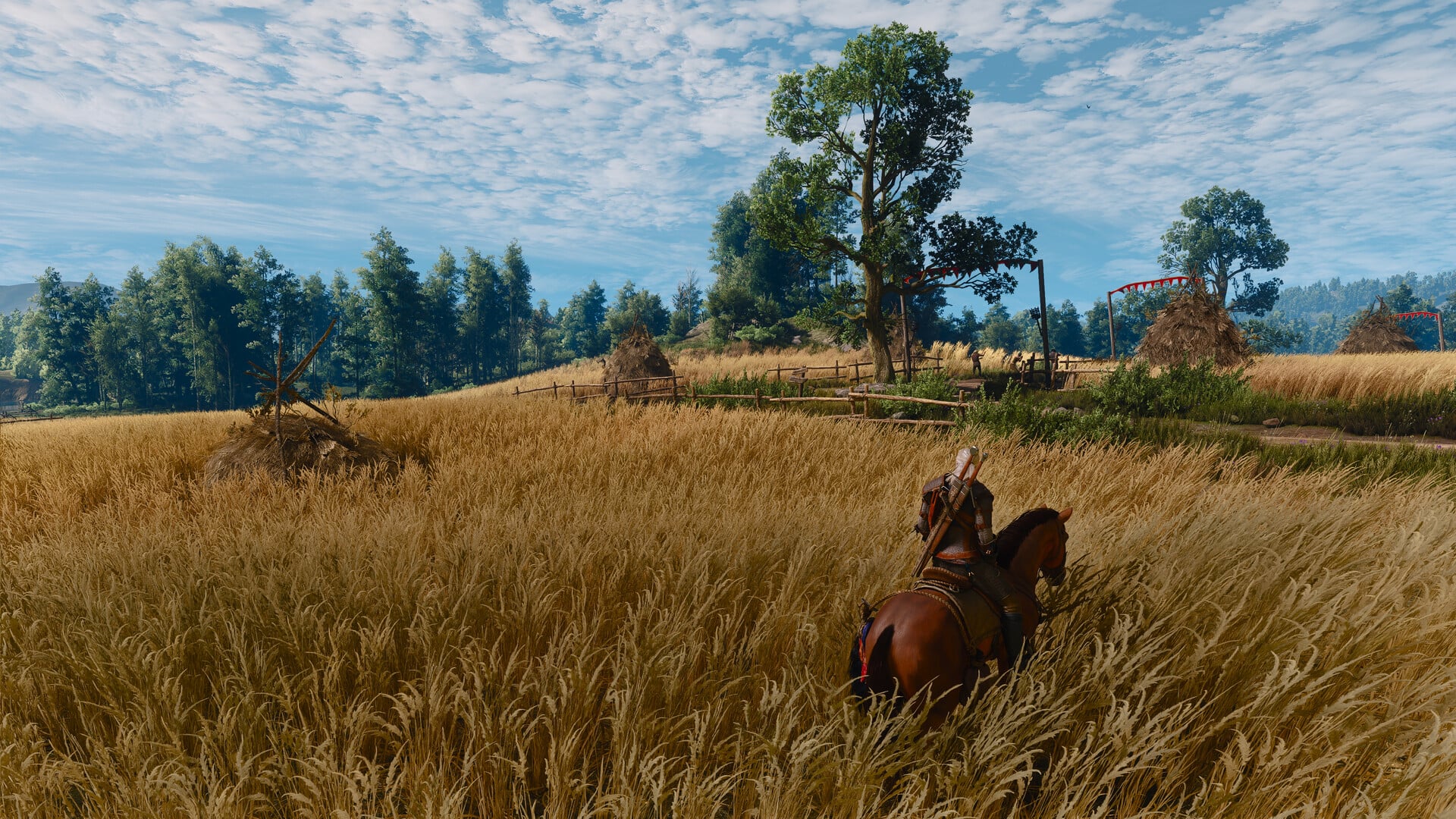
Paweł Sasko: Letten is located in northeastern Redania. One of our objectives was to capture an identity for that space that feels clearly distinct from previous locations. The Witcher 3 is massive, and locations like Novigrad, Velen (No Man’s Land), and Skellige are very distinct. When we worked on Toussaint in Blood and Wine, we drew inspiration from France and Spain. Here, we looked a lot at the Polish countryside and English countryside for defining elements. The art direction uses colors like pink and violet together, combined with the new ray tracing work, to make it feel different while remaining cohesively Witcher.
We have to balance making it feel fresh without straying too far from the base game. Players picking up the Complete Edition five years from now shouldn’t feel like it’s a completely different game. We couldn’t just repeat No Man’s Land, so we had to be very careful with our inspirations to hit that fine line.
Regan: The demo blends dreamy, fairy-tale aesthetics with a darker, more ethereal sense of horror. What inspired this?
Paweł Sasko: The surrealist, dark fairy-tale aesthetic stems directly from the books. When Andrzej Sapkowski wrote the books, he drew inspiration from fairy tales and English and Irish myths. In storytelling, we call this deconstruction—breaking a piece of art down to its core inspirations. One of Sapkowski’s main storytelling tools is the “fairy tale gone wrong.” We used that in The Witcher 1, The Witcher 3, and Blood and Wine. For Songs of the Past, the idea was to lean into those original roots Sapkowski planted while making it feel airy, dreamy, and slightly distinct. It ties into how the story starts when Geralt wakes up after a celebration and slowly pieces things together.
Regan: Songs of the Past’s story revolves around tracking down Dandelion, one of Geralt’s oldest friends. Why Dandelion?
Paweł Sasko: The Witcher 3 was really focused a lot on fatherhood and the relationship between Geralt and Ciri, and this expansion is about friendship. I wrote a couple of things for Dandelion in the base game and expansions, and for me, it always felt like he was getting the short end of the stick as a character—there wasn’t enough space for him to actually show who he was. I wrote the quest where you meet all of his girlfriends, and then Priscilla’s last concert. I wanted to build that relationship and show who he is, because sometimes players might see him as a light-hearted clown or a comedic character who shows up and says something funny and unruly. In reality, they have a pretty deep bond and understand each other. Dandelion was always able to challenge Geralt in interesting ways, ask him questions, and sometimes make him realize things he hadn’t thought about himself.
Doug Cockle: In the books, there are a number of stories involving Dandelion where we see a very serious side of him, his family history, and all this cool stuff. In the games, there just hadn’t been an opportunity to do that yet. He’s not just a jokester and a songster; he’s got a lot going on behind the scenes. That’s part of what makes Geralt and Dandelion such a great team as friends and companions.
Paweł Sasko: What I really love as a designer about this is that Geralt has this very rough, almost impenetrable shell. Every time you write a character like this, it’s hard to depict someone who doesn’t say much and characterize him through absence or a void. Dandelion creates an interesting counterbalance. He penetrates that shell from time to time, which allows us to characterize Geralt. It’s a cool narrative structure.
Doug Cockle Dandelion acts as a foil for Geralt’s seriousness. In some ways, he’s almost Geralt’s sense of humor—a less dry version of it. The whole thing is like a really wonderful deep dive into a whole other bit of the Witcher world that we just haven’t experienced yet. I’m really excited for players to see it.
Regan: How have you aimed to modernize The Witcher 3’s gameplay 11 years later?
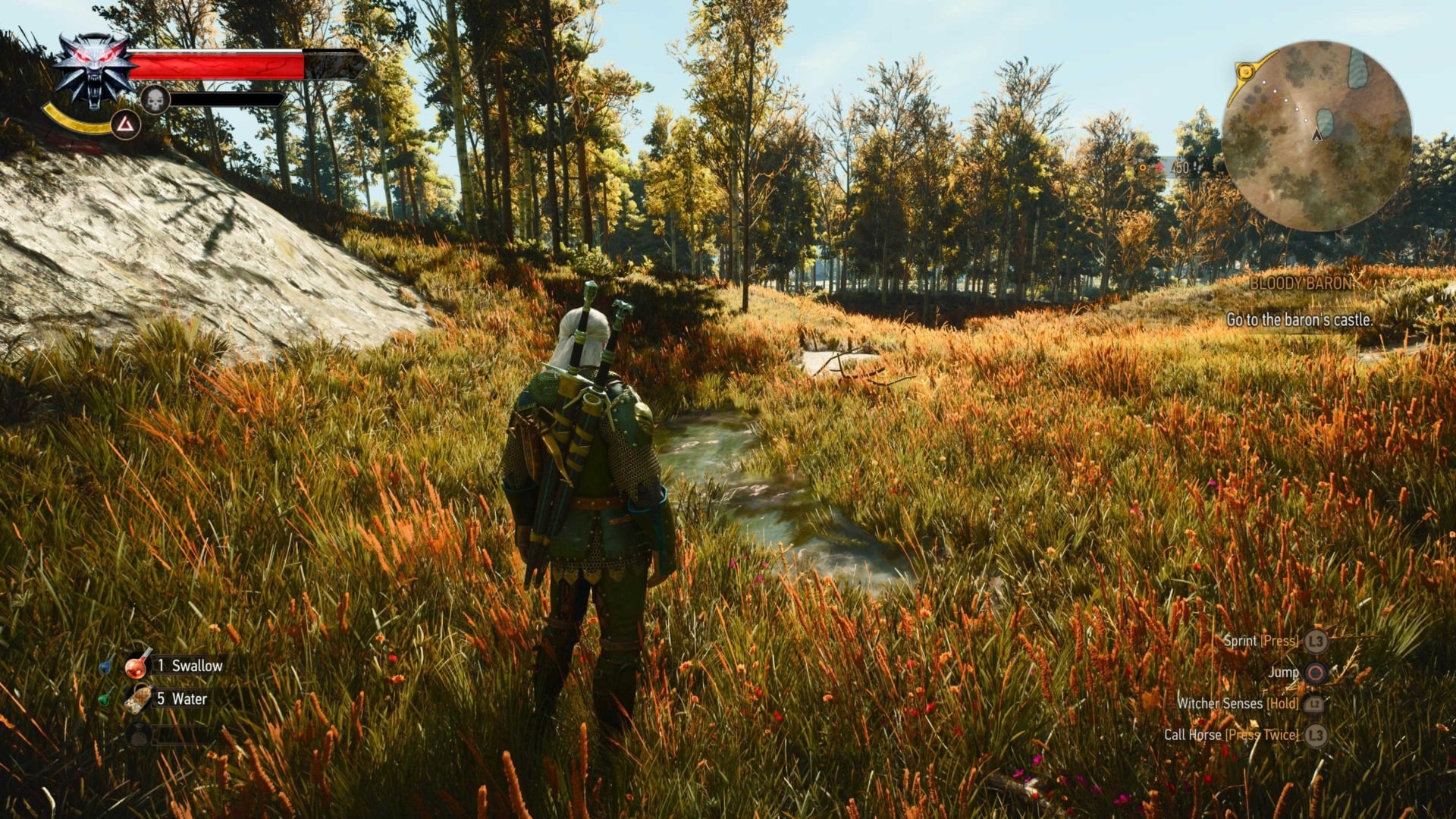
Paweł Sasko: When you look at The Witcher 3 and the opinions of players and press, gameplay is what was criticized most—it’s the aspect that is most outdated. That’s the main thing we wanted to fix. Having worked on update 2.0 for Cyberpunk, when we think about this remaster, it’s almost like a 2.0 overhaul [for The Witcher 3]. We applied the same design principles to RedEngine 3 that we learned from RedEngine 4 on Cyberpunk. We analyzed what annoyed people most—like exploration, Geralt’s movement controls, and the lack of finisher [attacks]. That has all been addressed, and it makes the biggest difference in how the game feels to play.
Regan: Speaking of finishers, the combat looks to have had a big overhaul. Can you talk more about what players can expect from Geralt in battle this time around?
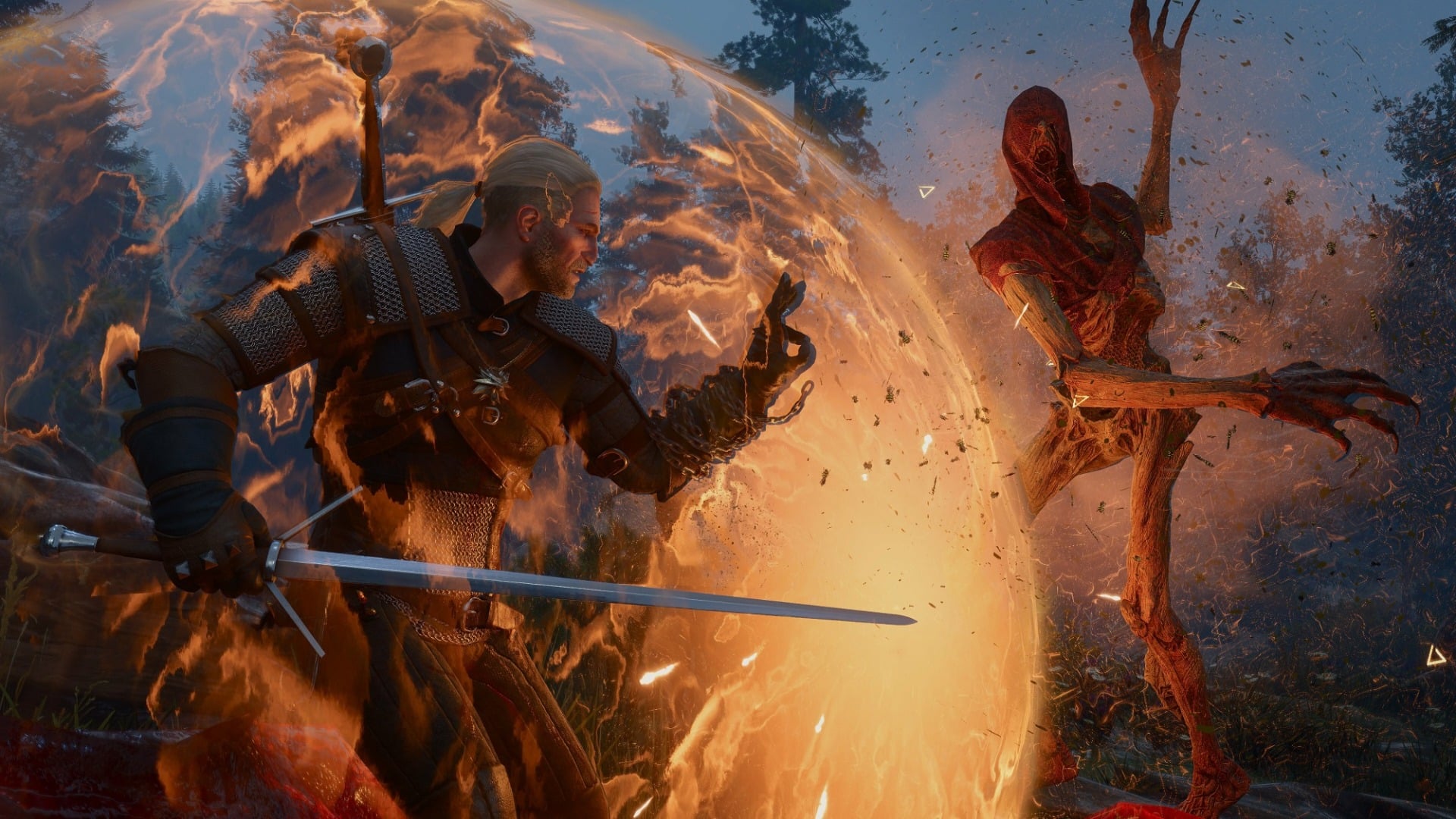
Paweł Sasko: In the base game, different builds shared too many passive skills. Now, we’ve added many more active abilities rather than just passives, making the combat much more interactive. You will feel your choices immediately in combat with new moves and synergies.
We are also adding new tools, like the iron chain. The chain was mentioned multiple times in the books and was featured in famous scenes like the Witcher 1 CGI intro, so I’m glad we can finally bring that dynamic element into the combat.
Regan: Many players famously stopped playing The Witcher 3 after The Bloody Baron, feeling narratively satiated after that beloved quest came to its conclusion. You designed that quest Pawel, how do you ensure that players finish Songs of the Past?
Paweł Sasko: In the Bloody Baron quest, I made so many mistakes. The way it was built, it’s almost four hours long when you play it. The quest is good on a narrative layer, but I could have told that story better with better pacing. The way we learned to do it on expansions for both The Witcher 3 and Cyberpunk is structuring gameplay into focus beats of around 40 minutes of intense, thematic gameplay and story. After that, we give the player a breather where the world opens back up to explore.
There are moments where you can break that rule—like in finales, or like the Somewhat Damaged quest in Phantom Liberty where you’re trapped in a bunker with a monster. In those cases, we consciously don’t let you put the controller down because we want you to feel exhausted by the situation.
Regan: How did it feel to step back into the booth and voice Geralt again in his own playable adventure?
Doug Cockle: I never really let Geralt go. As an actor, every role I play, I put a little piece of myself into. In that process, you also take little pieces of the character into yourself. There’s a give-and-take that creates a sort of symbiosis, and because I’ve been voicing Geralt for over 20 years, that symbiosis is quite established.
Sometimes parts of him slip into my day-to-day life. I’ll walk around the house and be like, [Geralt voice] ‘Oh man, I gotta do those dishes. Wind’s howling. Socks need folding.’ I argued a parking ticket recently, and I did slip into Geralt because I was completely in the right! I watched the guy put the ticket on my car while I was trying to pay via the app, so I had to call the company to argue it, sounding a bit like Geralt.
Regan: What are you both most proud of about Songs of the Past?
Doug Cockle: [Geralt] has changed for me. Obviously he’s older and I’m older as well, and bringing that life experience to the character adds a lot. I’m always happy to step back into Geralt’s shoes. He’s such a great character, and I’ve been playing him now for so many years that it literally feels like slipping back into a warm bath.
Pawel Sasko: I love how bold we are as a company, that we are releasing a brand-new expansion 11 years after the original game’s release. That it’s free day one and on Switch, too—it’s almost unheard of, and I’m really proud of that. There are also parts of the story arc that I’m really proud of, but we can talk about that after release…