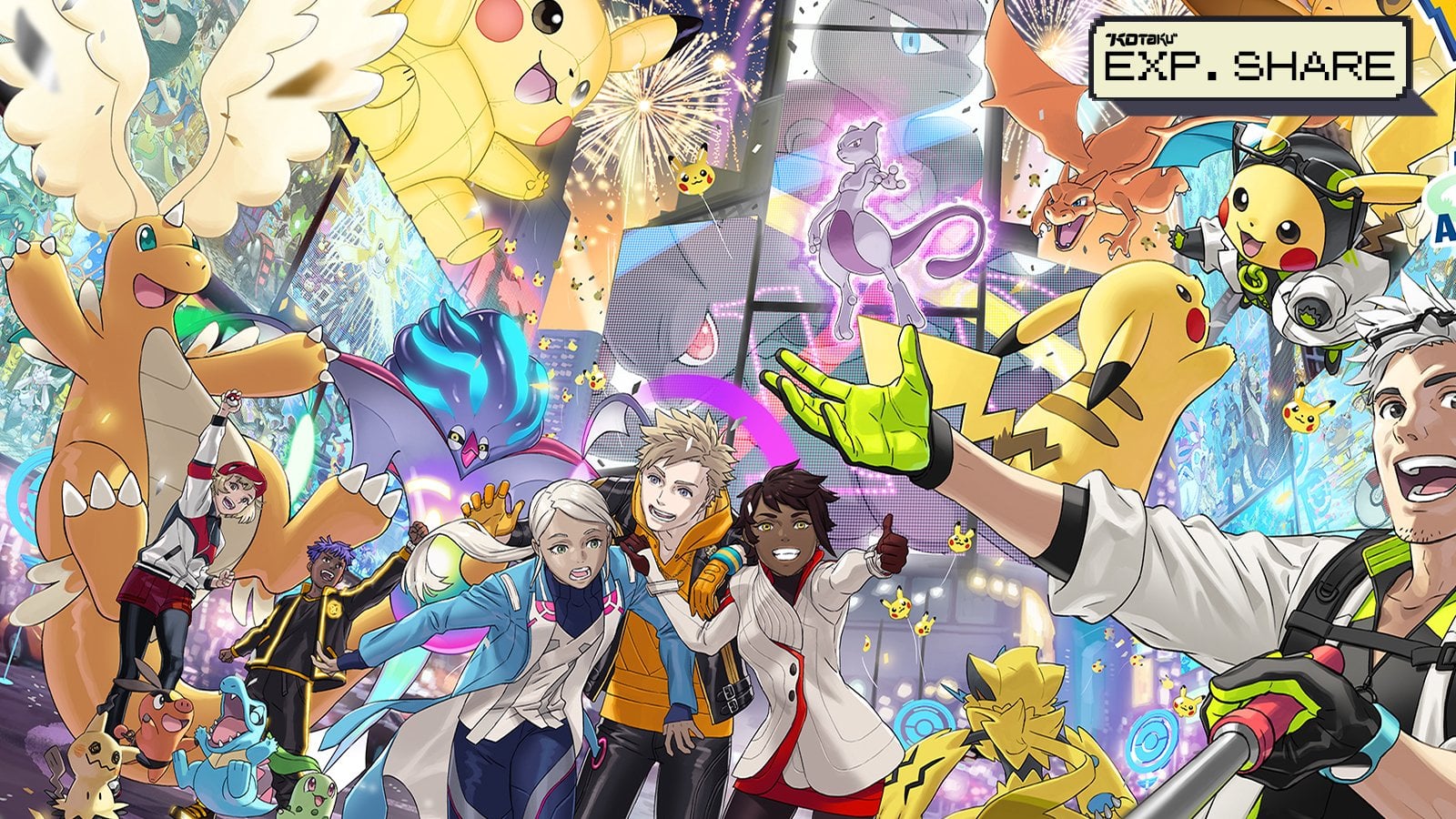
Donned in a leather hat, our ghost tour guide has told us not to worry. He had already altered the route through Salem to better accommodate “Pokémon trainers.” The crowd chuckled. I wasn’t underestimating the gravity of the situation. Not anymore. It was July of 2016. Night three of Pokémon Go’s unleashing. Night two of my road trip. My brother and I happened to be driving through New England, watching in real time as one one game transformed the use of public space.
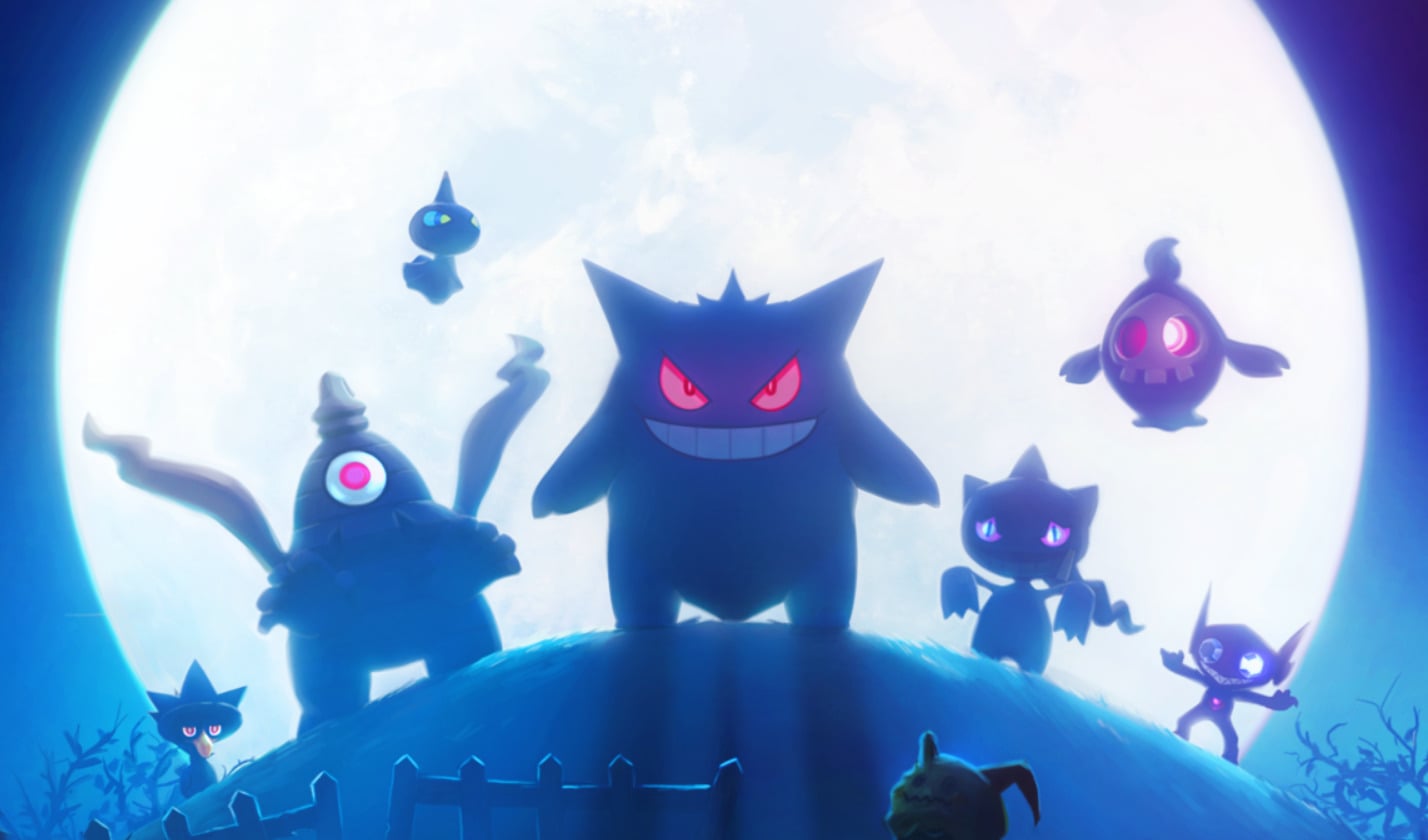
Standing before the Gardner–Pingree House, where Captain Joseph White was murdered in 1830 by the Brothers Knapp, I asked my brother if Gengars were floating through the halls. Playing tag and slobbering all over the old naval specter. He told me the game wasn’t that sophisticated yet, and beyond identifying bodies of water the Pokémon were mostly a crapshoot.
Weaving through the quiet night, the guide pointed out landmarks of the grisly witch trials, the more ominous graves, and estates that hosted deaths that would inspire the likes of Edgar Allen Poe. All the while tourists glanced at their phone, scanning for Pokémon. Despite the reroute, a third peeled off and vanished before the tour ended. On most days that would be creepy.
Pokémon Go wasn’t available back home in Toronto. Niantic launched the game in the United States and Australia, while most of the world had to sit on their hands. But us hosers caught wind. Driving towards the Falls to cross the border, I was on the phone with Raina Douris, a radio host working on a piece about the game capturing our southern neighbors. I ran a primer on the game and augmented reality. Fads like Foursquare were fresh enough in memory as a shorthand for geotagged playground games. Pokémon, prematurely labeled a fad in the late ‘90s, never went away, leaving space to gab.
“Pokémon are still really popular, not just with us millennials,” I told Douris. “There’s all kinds of Pokémon. There’s one that’s basically a horse on fire.”
Our goal was to bolt to a friend’s place in Boston for the first night, then curve through Maine and Vermont to French Canada. That meant the first day would be a cannonball run of a drive. Thankfully it was a breathtaking stretch. Even parallel to the Catskills, the forested length through New York state was lush in waves of foliage. The radio call had nearly faded from my mind when we pulled up to grab some Wegmans snacks. With bags of sodas and Pop Tarts they don’t allow in Canada, I noticed something odd across the parking lot. Four young kids, eyes locked on their phone, perching on the steps of a small derelict church. Not talking. Not boarding. Almost ritualistic like focus and configuration.
Daylight was a memory by the time we arrived in Boston, and parking wasn’t any easier to find. Scanning the road for a spot, earlier foreshadowing evolved into something of a zombie film. We kept spotting packs of kids roaming in unusual places. Inspecting lane ways and YMCA dumpsters. Lured out into the world by the Pokémon Company. We generally had to accept this new reality as it increased through the trip. From historical graveyards to seaside lobster pounds, dozens of kids seemingly being pied piper into the public. I suspect the only reason we didn’t come across any at the Battery Steele was a lack of reception.
Much like the video games it spun-off from, Pokémon Go has persevered. It’s also refined itself through a decade of user trends, the data from which might be used for less splendid applications. But it’s hard to top those first wild west days in an already surreal summer, where Hillary Clinton tried to do youth outreach with DOA puns and Pokémon trainers were accidentally Stand By Me-ing themselves with a ravine-side corpse or two.