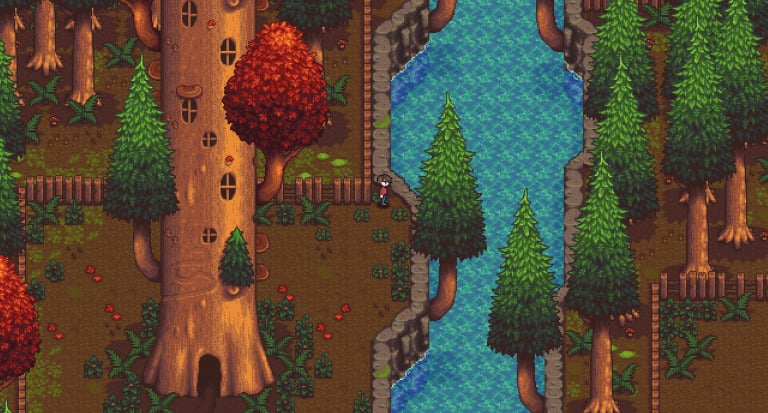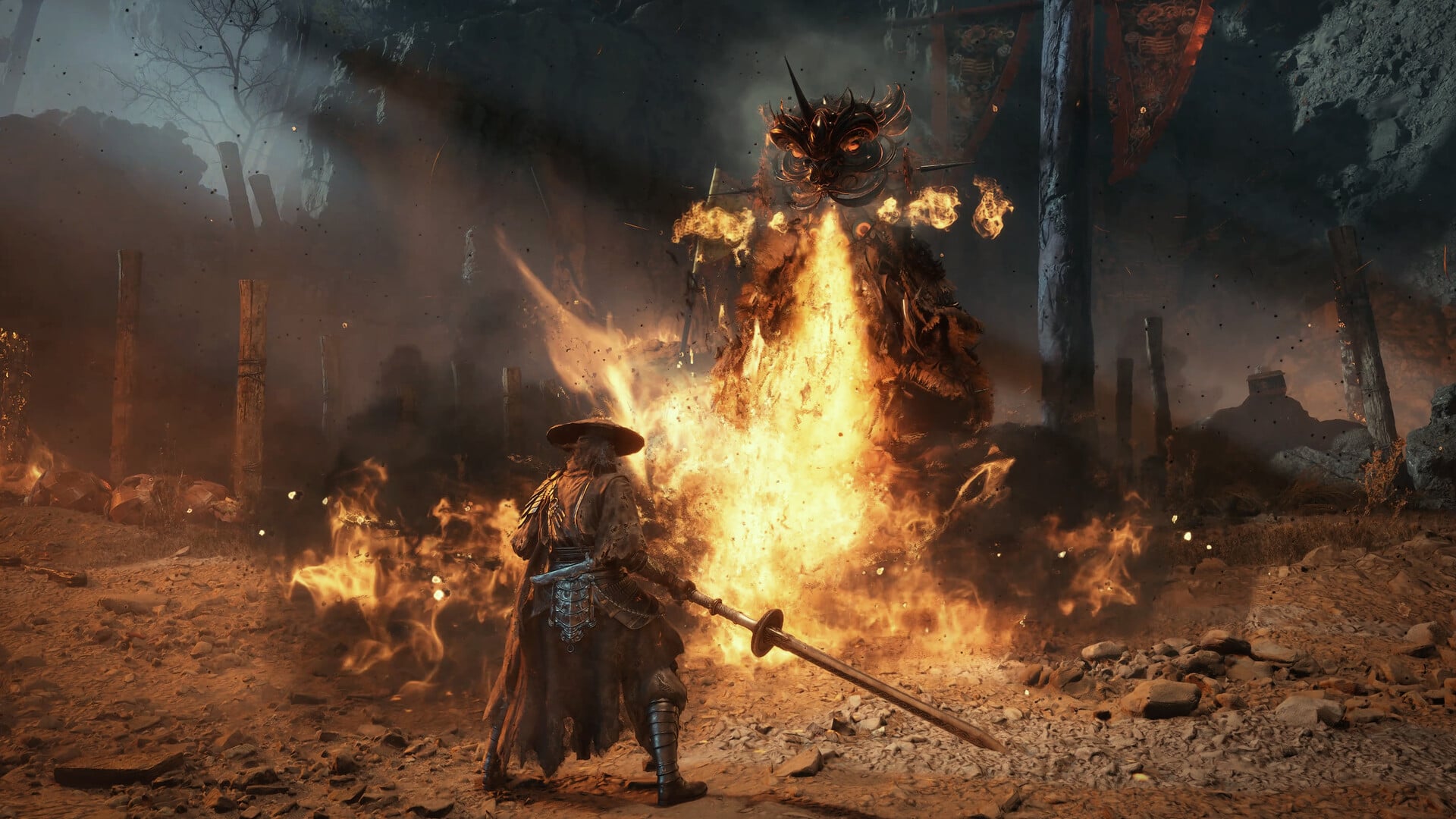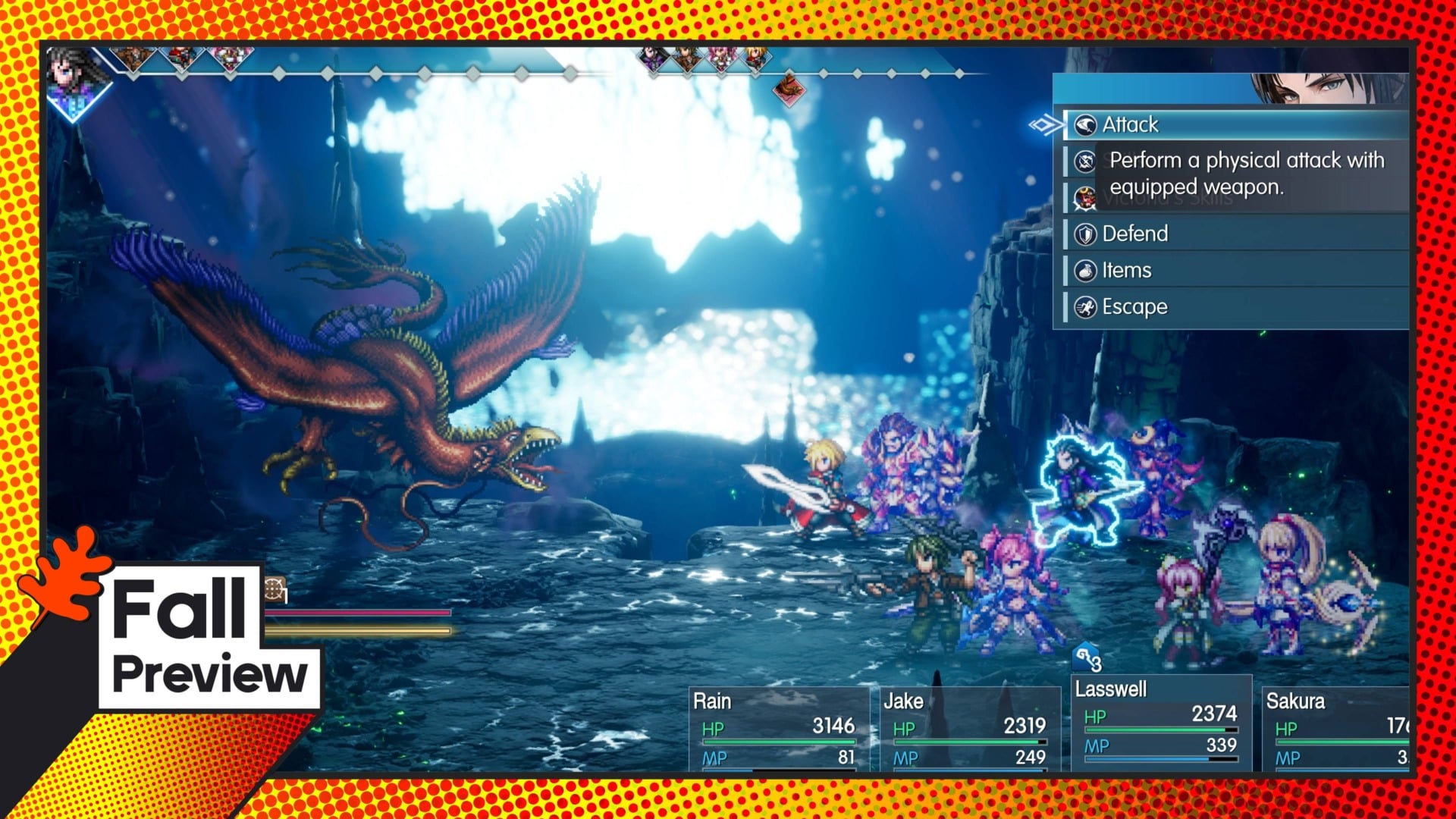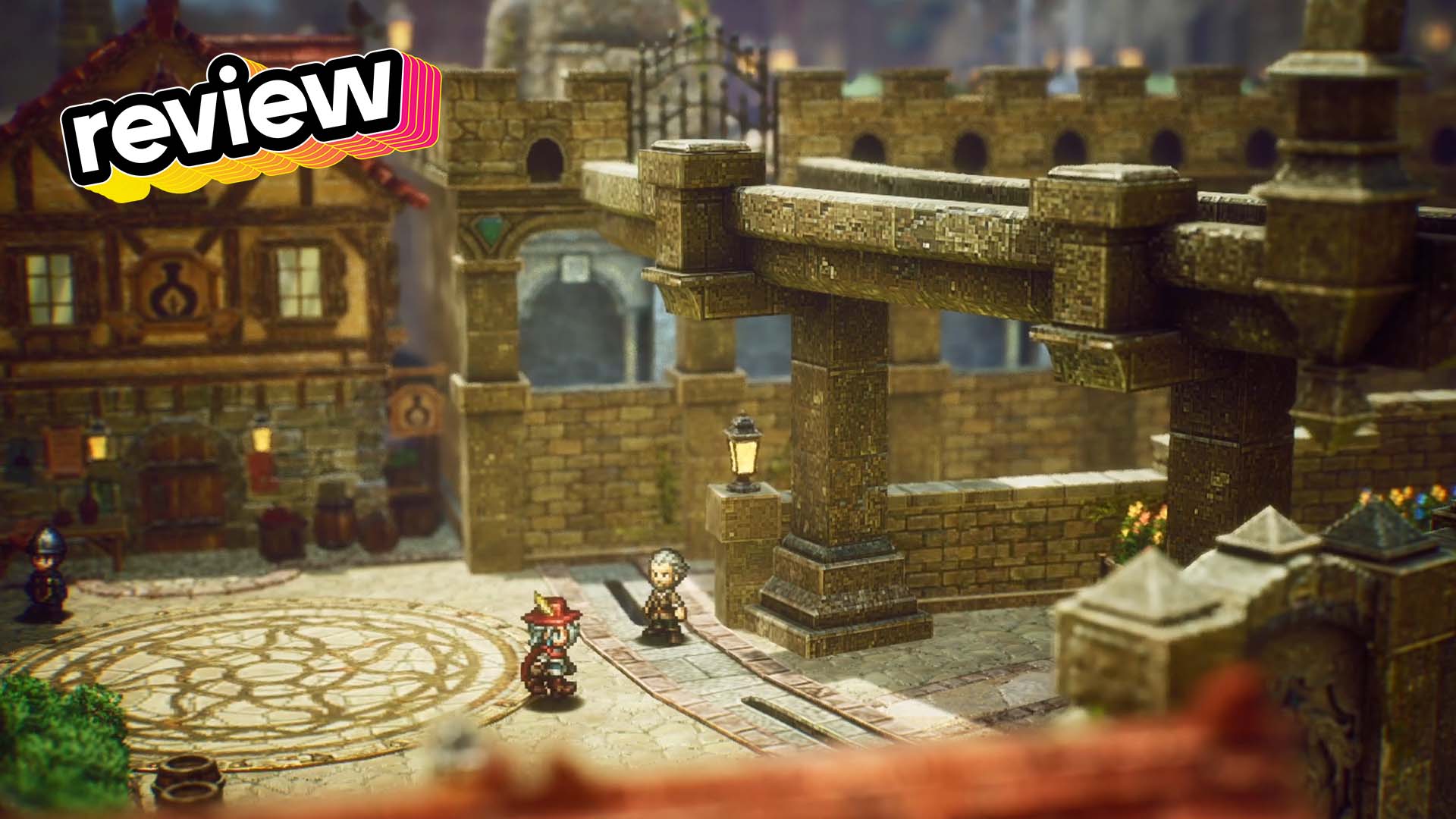
When I look back on The Adventures of Elliot years from now, I do not think I will remember any of its cast. I will not recall most of its plot, its side quests, or any of its big story moments. Instead I will remember using a fairy to suck up many snails from different corners of a large room into a huge snail pile before chucking and detonating a bomb right in the middle of them. That, to me, is The Adventures of Elliot.
The Adventures of Elliot is easily described by its title. It’s a top-down action-RPG starring Elliot, an “adventurer” (see the title), which apparently is an actual job in the land of Philabieldia held by at least half the citizenry somehow. This occupation mostly seems to consist of leaving the continent’s one (1) town and adventuring into old ruins and things, finding treasure, fighting monsters, and running minor errands for townspeople to gather items like herbs and sundry. In typical adventuring fashion, you very quickly move from minor chores (collect these herbs, kill these monsters) to kingdom-saving escapades when the evil royal advisor (yes) betrays the king and uses a magic sword to open a door into the past, while the local princess unrelatedly gets frozen in a mysterious block of ice. More on that shortly.
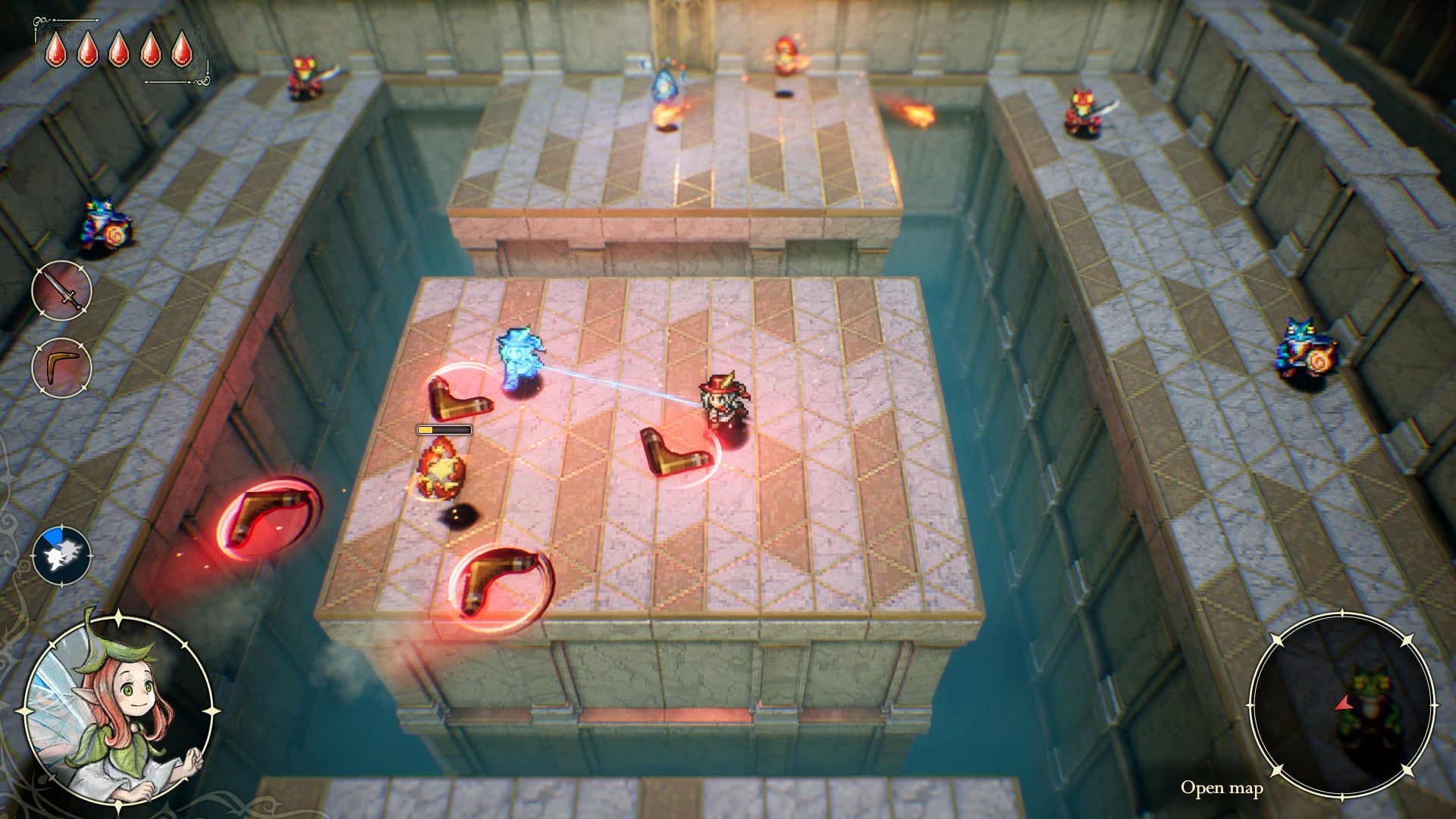
I like being Elliot. He runs exactly as fast as he should. His slashy slashes with his sword move exactly where I want them to, as fast as I want them to, as far as I want them to. I like his bow and arrows a lot for long-range fighting, and his boomerang—I love to throw it at exactly the right distance so it spins and spins right on a monster and does lots of damage. I like swinging his chain weapon around in circles above my head so enemies get whapped when they get too close. I like using the lance to keep big guys back away from me, and the hammer to smash groups of little guys all at once. The bombs scared me a little, because they hurt me too, until I found upgrades that helped alleviate that.
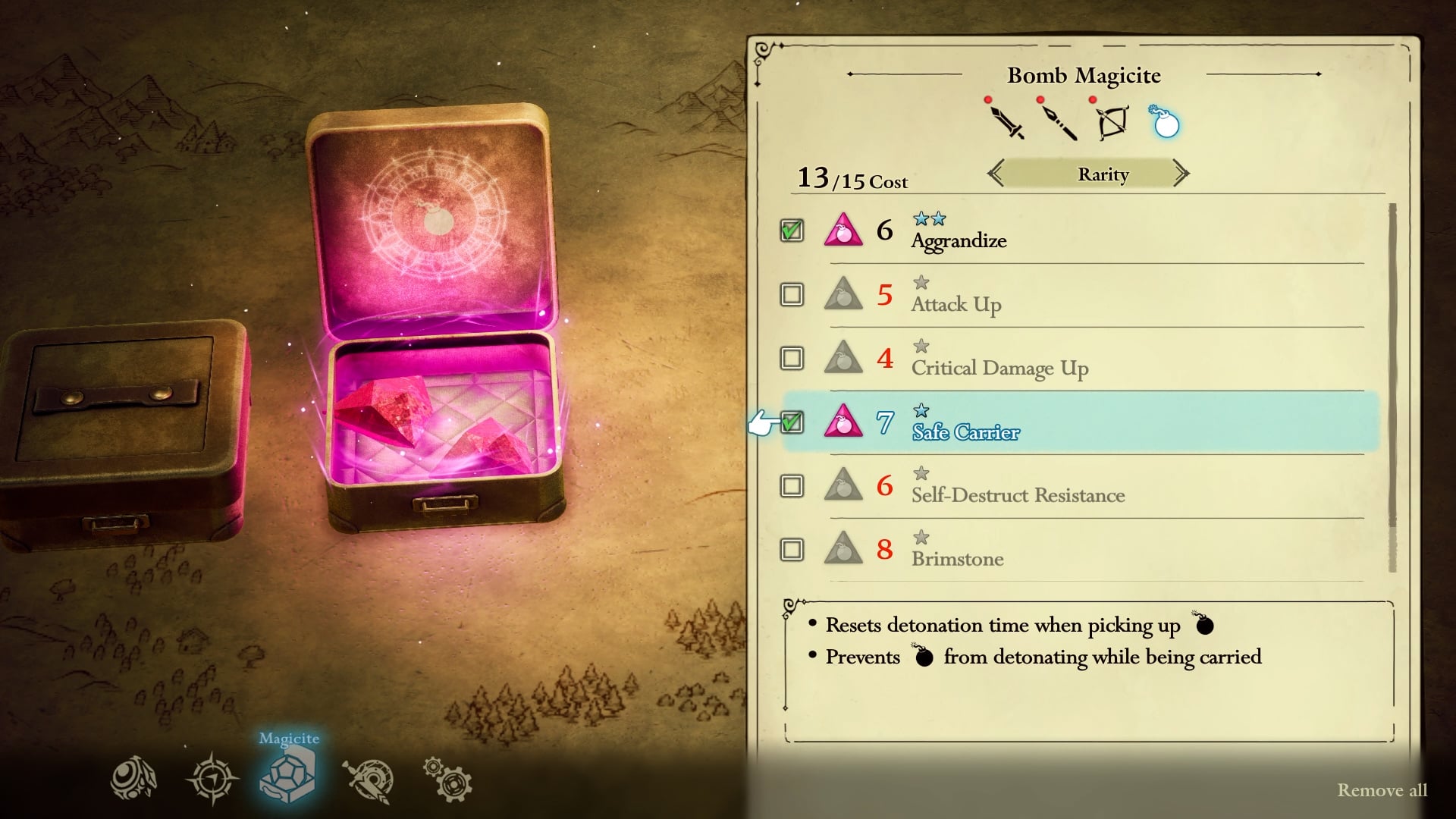
The upgrades, by which I am referring to Magicite, really make this game’s weapon system. There are Magicite available for each weapon with a wide range of effects, from baseline stat increases to cool effects like making bombs spit colorful sparklers or your chain sickle shoot fireballs when you spin it around. The regular acquisition of new Magicite effects also helped encourage me to actually use my entire arsenal, as otherwise it would have been far too easy to just stick with my two preferred weapons (sword and bow) the whole game. My only complaint with this system is that I wish there were even more Magicite options, as the fun effects on offer start to feel more and more limited as you get deeper into it.
Elliot is accompanied for most of the journey by a fairy named Faie, who you can control with the right stick or with the help of a second player in co-op. It’s a rather boring job for a co-op partner (possibly slightly more interesting if you have a child?) but in single-player, I liked having to split my brain up a bit to move Faie around in tandem with Elliot. I like her abilities, too. She can give Elliot a huge speed boost, set herself on fire to do damage or light torches, turn into a copy of Elliot that mimics his moves, allow Elliot to warp to wherever she is, and turn herself into a weird vacuum that can suck up enemies and objects (including bombs, hehehe) into a big pile. Her warp ability is probably my favorite of all of them, as it challenged me to think about dungeon spaces differently in order to pull off some pretty silly and fun shortcuts.
Loaded up with all his equipment, his boxes of rocks, and a talkative fairy, Elliot goes out into Philabieldia to do some adventuring. While the first few hours are relatively on rails, The Adventures of Elliot does a good job of opening up its world wide to you pretty quickly, especially once Elliot gets to time traveling and can visit any of four different ages through a simple fast-travel selection. For the most part, if you want, you can just wander off at any point and start plundering different dungeons for treasure. There are Zelda-shrine-like buildings dotted all across the four ages that include buffs for Elliot and Faie, and all sorts of dungeons and caves with weapon upgrades, Magicite, collectible cats, and other treasures to be found.
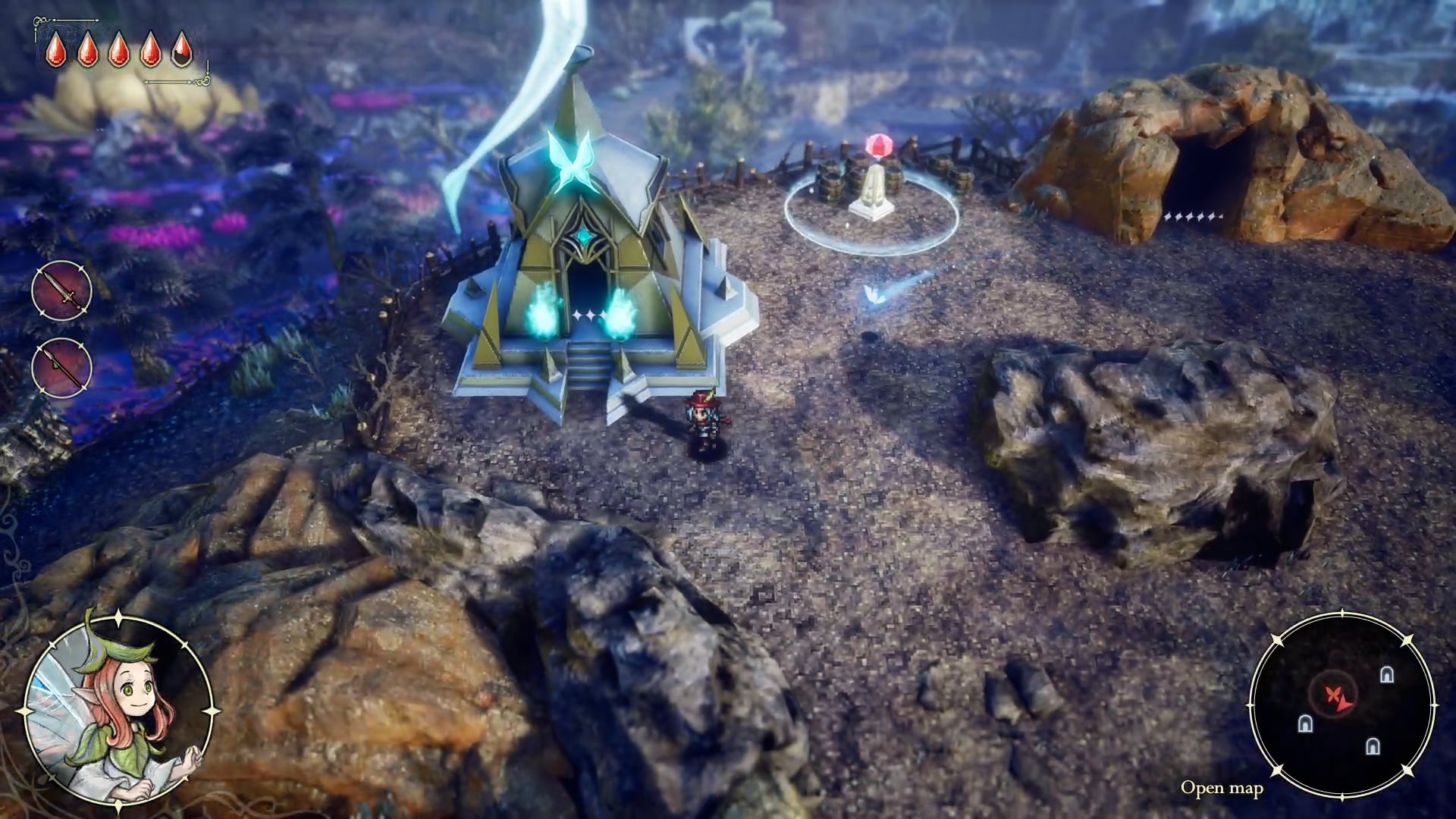
The downside here is that apart from in the main city itself (which changes dramatically from age to age), there isn’t much variety in the world between eras. The snowfield is the snowfield in the present, and hundreds of years in the past. The volcano is the volcano. There are no other towns, hardly any new structures built or destroyed. Treasure chest locations are different, and some paths might be blocked off or have slightly different puzzles, but otherwise if you’ve seen the big rainbow swamp in one era, you’ve seen it in all of them. Even monsters are noticeably repetitive, often appearing in the same places consistently in every era—and it’s not like The Adventures of Elliot has a lot of monster variety to begin with, either. I really wish there had been more done to show the progress of time outside a few key locations. You’re telling me absolutely no one settled anywhere else on this continent at any time in hundreds of years?!
One neat thing I discovered about this, though, is that just about every dungeon is present in just about every age, just in a limited format. So while the volcano dungeon, for instance, only has multiple levels and a tough boss and a big treasure in one era, I can still revisit it in the other eras in a truncated format to collect some minor treasure. Thoughtful aspects like this really helped keep the “adventuring” aspect of Elliot’s personality alive throughout, even when the actual main quest was focused on other business.
It is fun to play The Adventures of Elliot. Even with the repetition, I really liked the pleasant distractions of getting lost in the world. It was easy and fun to meander off into some other cave than the one I was trying to find and, after a few minutes, find myself halfway across the map from my objective. I inadvertently got close to 100-percenting everything without even trying because of this. I am extremely grateful for this good gameplay, because I was deeply irritated almost any time any character opened their mouths.
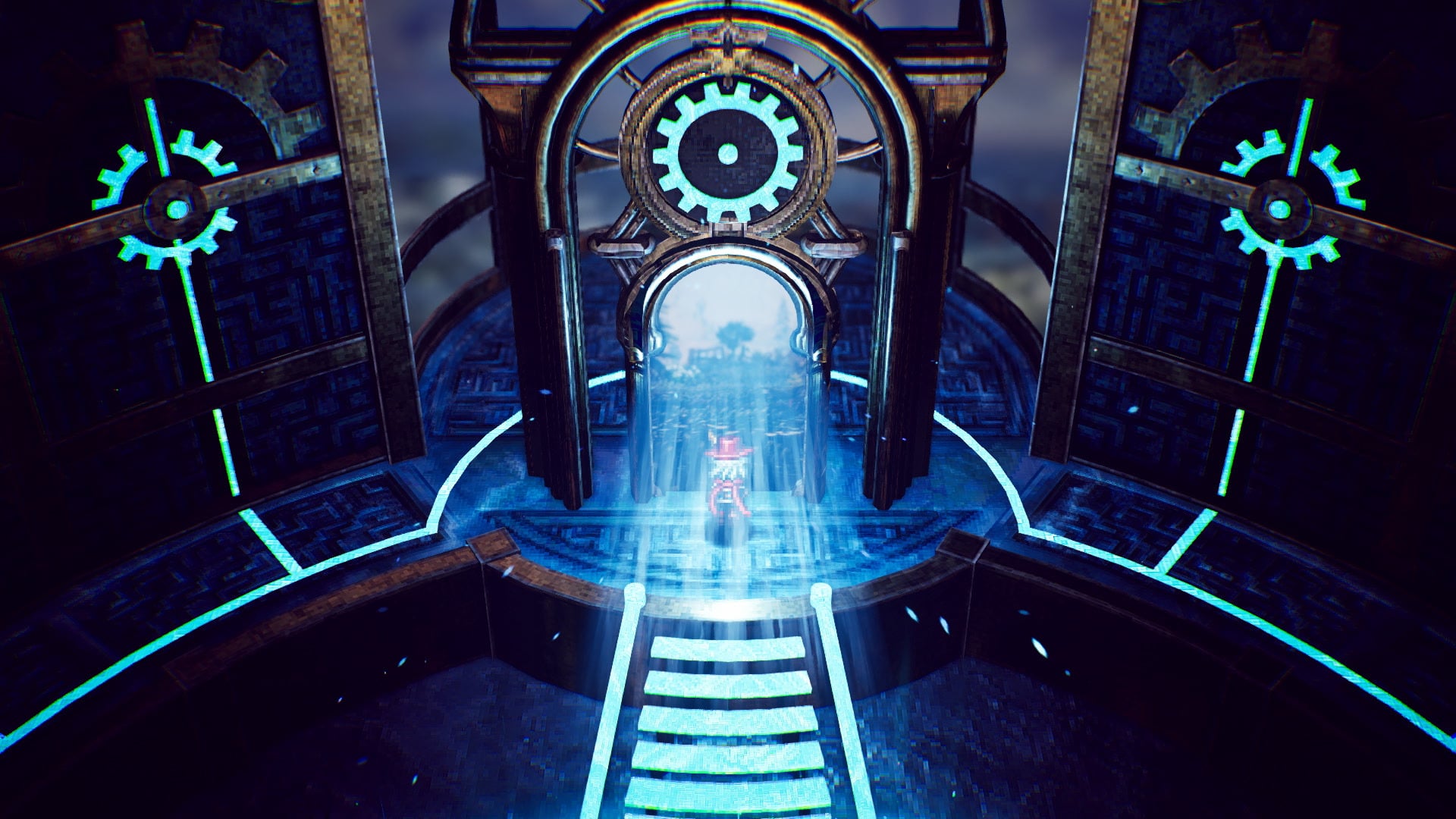
The Adventures of Elliot: The Millennium Tales
-
Back-of-the-box quote:
"You should try using your shield!"
-
Developer
Square Enix: Team Asano, Claytechworks.
-
Type of game:
Top-down, HD-2D action-RPG.
-
Liked:
Fun combat, open-ended exploration, exactly the right amount of collectibles, fun upgrade system.
-
Disliked:
Safe story, one-note characters, predictable conclusion, annoying fairy.
-
Platforms:
Nintendo Switch 2 (mostly played docked, runs a little worse in handheld for some reason), Xbox Series X|S, PS5, PC.
-
Release date:
June 18, 2026
-
Played:
18 hours for an "ending," 23 total hours for the true ending.
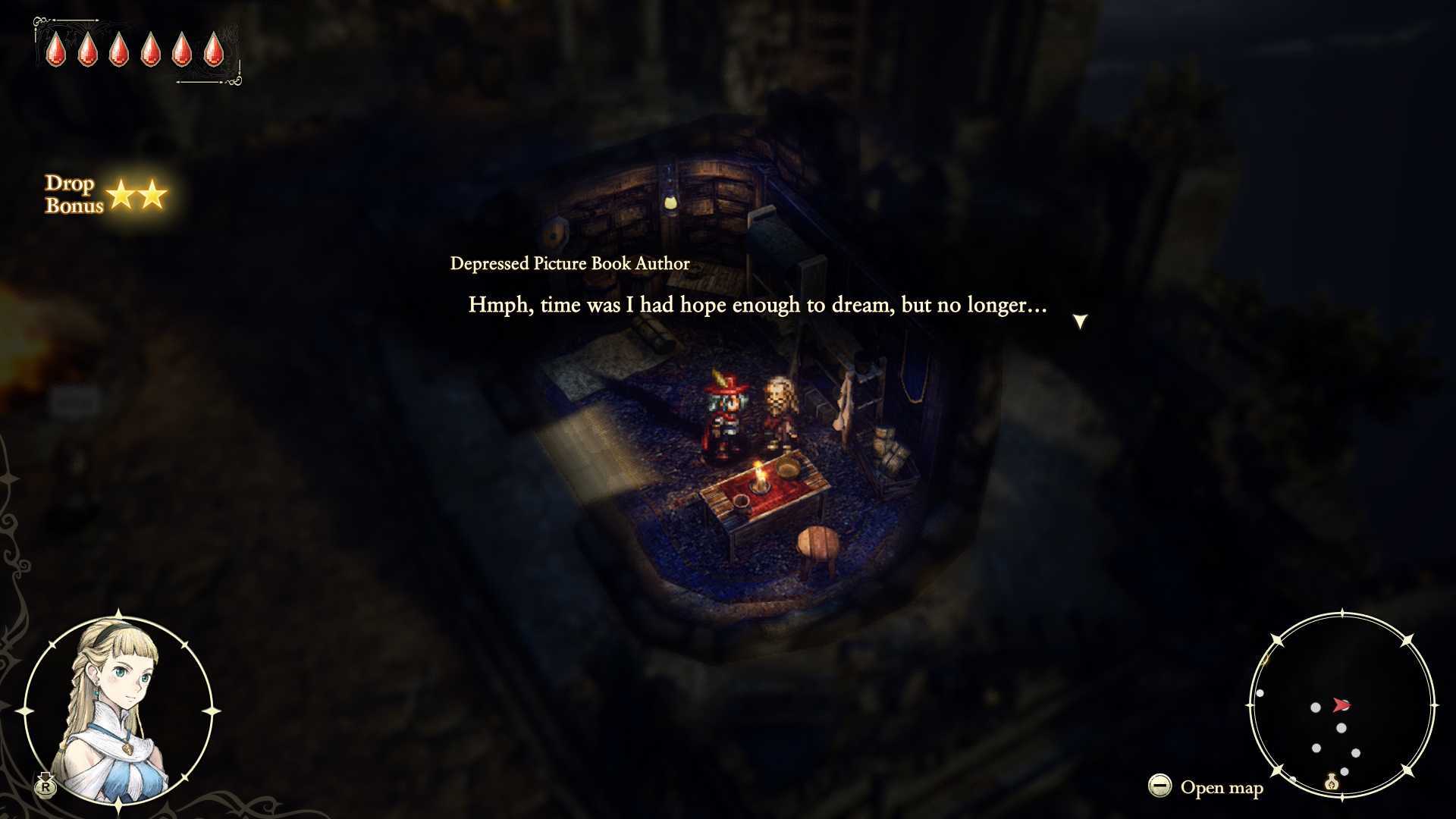
Just about everyone is insufferably one-note. Elliot is the worst offender, a perfectly good and flawless hero character who never does the wrong thing, never questions himself or anything else. He immediately becomes the best friend of anyone he speaks to for longer than three lines of dialogue, solving complex relationship problems or deep depression by repeating the agonizingly corny moral (I guess) of the whole game: “Hope is always there.” Shut up, man! You are in an era of extreme poverty and famine in a village ravaged by beasts, speaking to a blind man you met two minutes ago whose only wish is to make picture books for children for some reason! You think just because you tell him there is hope, that will solve all his problems?! Oops, well it did, somehow. Sure, whatever.
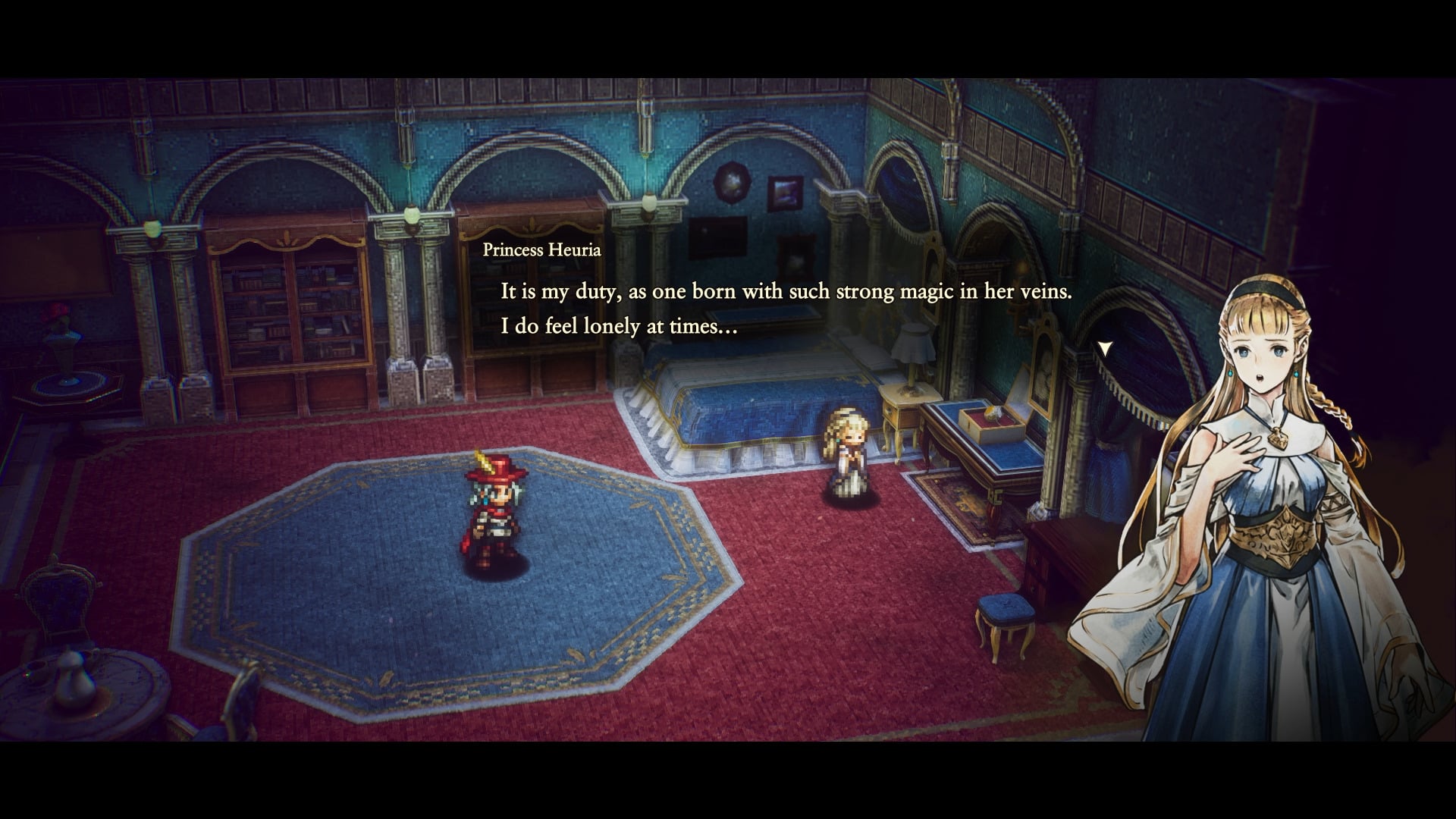
Team Asano seemingly did this to “ensure that his character never strays too far from what players might think or feel,” which I think is giving the players either too much credit or too little as people, but sure. I would be able to tolerate Elliot if he were, for instance, surrounded by a party of flawed weirdos, but instead he’s accompanied by the high-pitched voice of Faie, an obnoxiously talkative, innocent and equally flawless companion who has also never done anything wrong in her life except never shut the hell up, even when I turn the shut the hell up setting on. These two are working to save the perfect and noble princess Heuria at the request of the perfect and noble King Hichard with the help of the perfect and noble scholar Euygene (pronounced yoo-ee-jeen for some reason)…almost everyone in this world is like this.
You meet a handful of marginally more complex characters later on, but they never get much farther than “Woe is me, I have suffered, therefore I will temporarily let my suffering govern my actions and make a poor choice that I will immediately regret and atone for.” The “bad” guys, such as they are, have a similar issue, where they are mustache-twirling villains through and through in all of Elliot’s encounters with them. Most of them have a single sidequest that reveals a tiny shred of their humanity and suggests “maybe they were a big softy after all.” You know, as if being nice to someone you met one time justifies literal human rights abuses. That sort of thing.
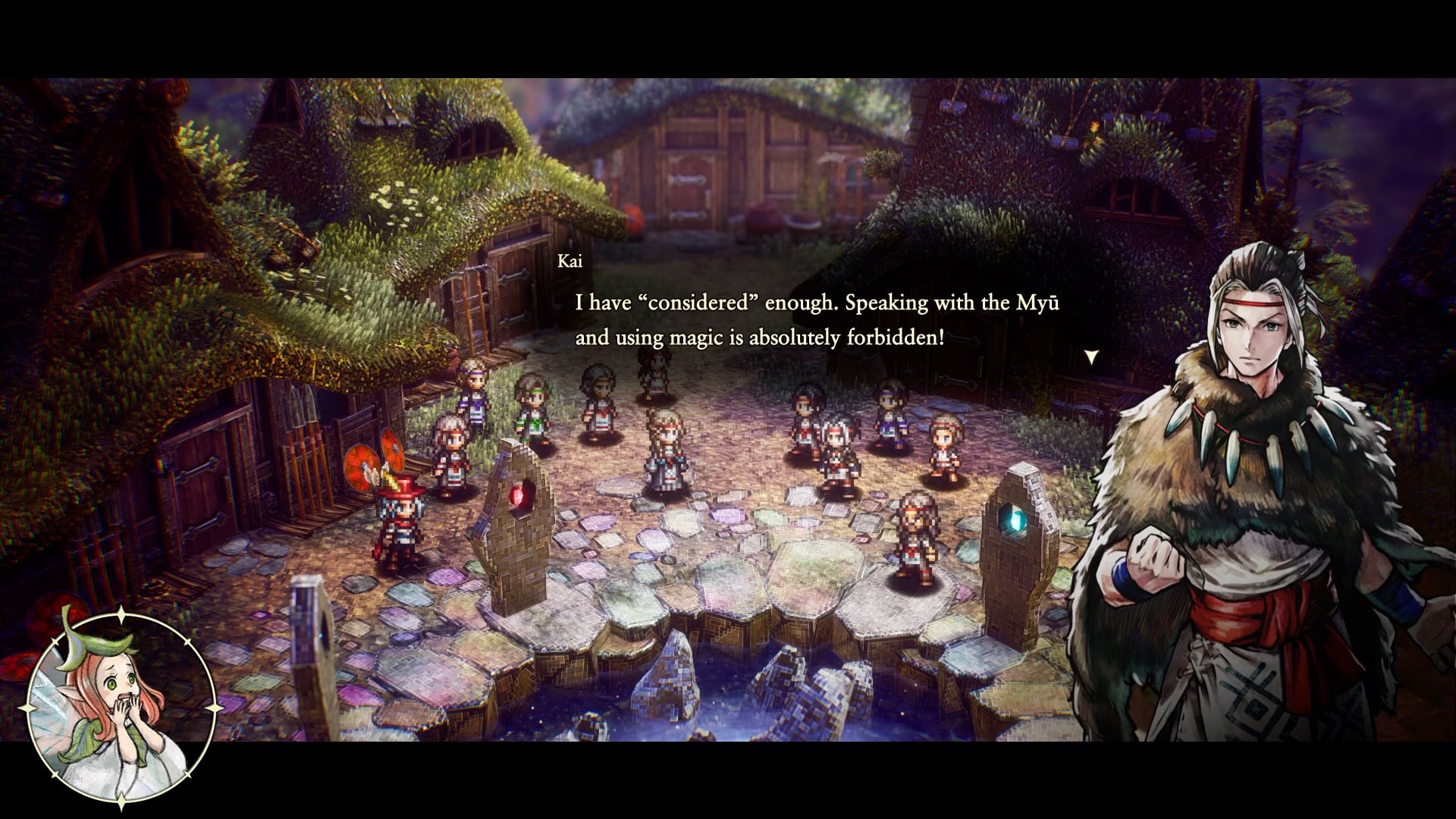
The plot is like that too. If you regularly play RPGs, you’ve probably played some variant on the story of this one. You know when RPGs introduce two or more different races, one of which is either oppressed or thought to be evil, and then by the end of the story the “good guys” discover that actually the other race is more like them than they thought? Yeah. It’s just that. I can’t be more specific than that under the embargo, but you can see almost every swing this story has coming from a mile off. It’s a cheesy, shallow take on how humanity treats differences that doesn’t even manage to pass basic ludonarrative scrutiny. Even after all the main characters manage to work out that racism is bad, you’re still wantonly slaughtering these people as “enemies” in regular gameplay.
To be clear, there are narrative elements of The Adventures of Elliot that I think are kinda neat, too. I like some of the world building, especially the way it plays out in a few specific sidequests where you’re left to infer what happened on your own. I think it’s cool how often the main quest encourages you to just freely explore the world until you find something relevant to continuing on. Very broadly speaking, I like how intimate the story becomes on the path to the true ending, though the choice to make the story smaller and more personal is somewhat nullified by the final hours of the game.
But taken altogether, the bulk of this adventure feels uncharacteristically, aggressively safe compared to Team Asano’s past work. I’m a big fan of Tomoya Asano and, by extension, Team Asano, whose last several HD-2D RPGs have really hit home runs in the narrative department. Games like Octopath Traveler 2, all the Bravely games, and even the Live A Live remake (which has a different ending from the original!) all pull some incredible narrative twists, especially near the end. Maybe The Adventures of Elliot feels so careful because the risk the team took here was in swapping up its usual genre and framework from turn-based, party-based RPGs to a more solo (well, duo) affair. If that’s the case, then I have to commend them for doing really well at the mechanical execution of that. I just wish that, in doing so, Team Asano hadn’t sanded off all the storytelling edges that I always look forward to scraping against.