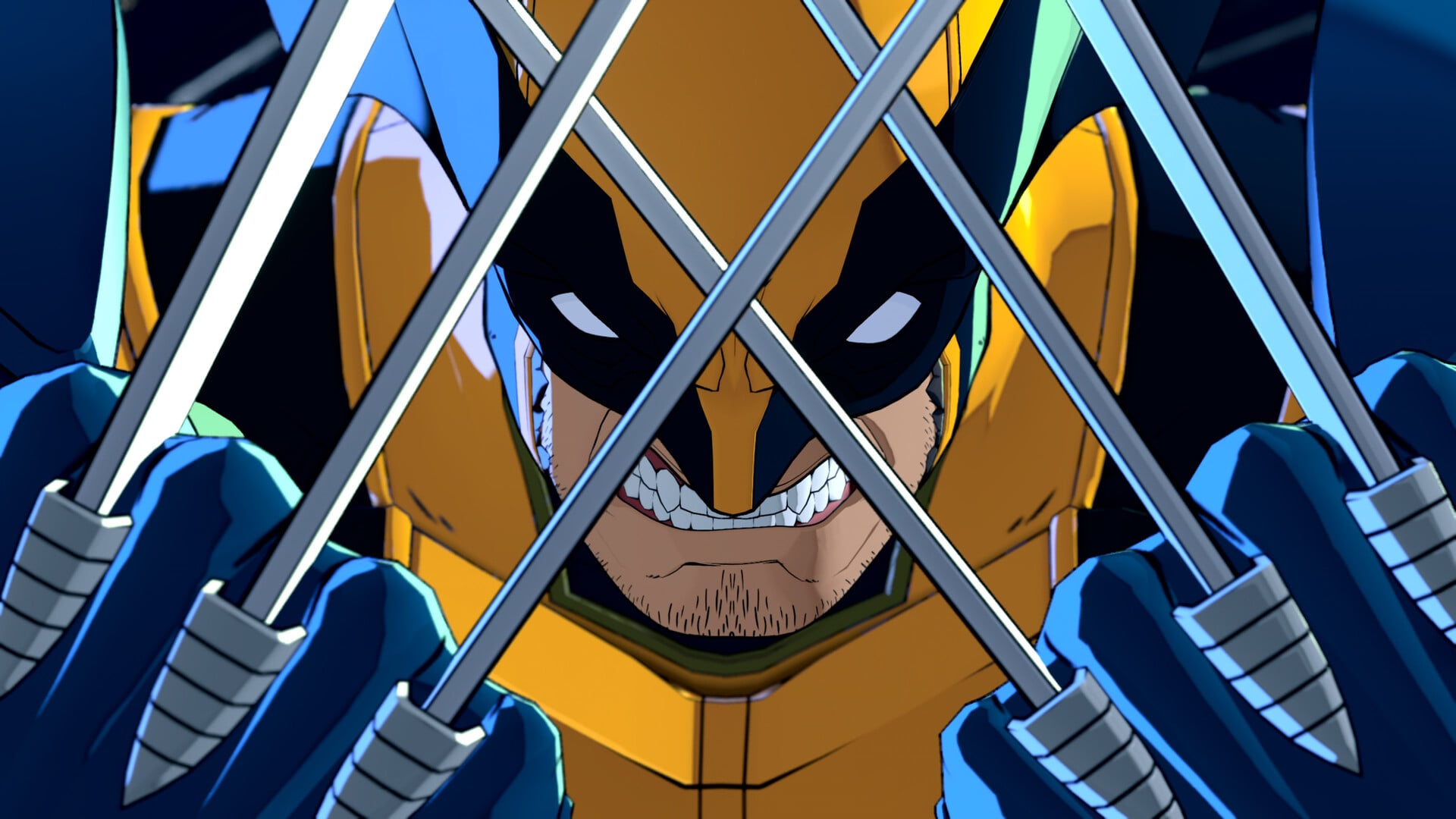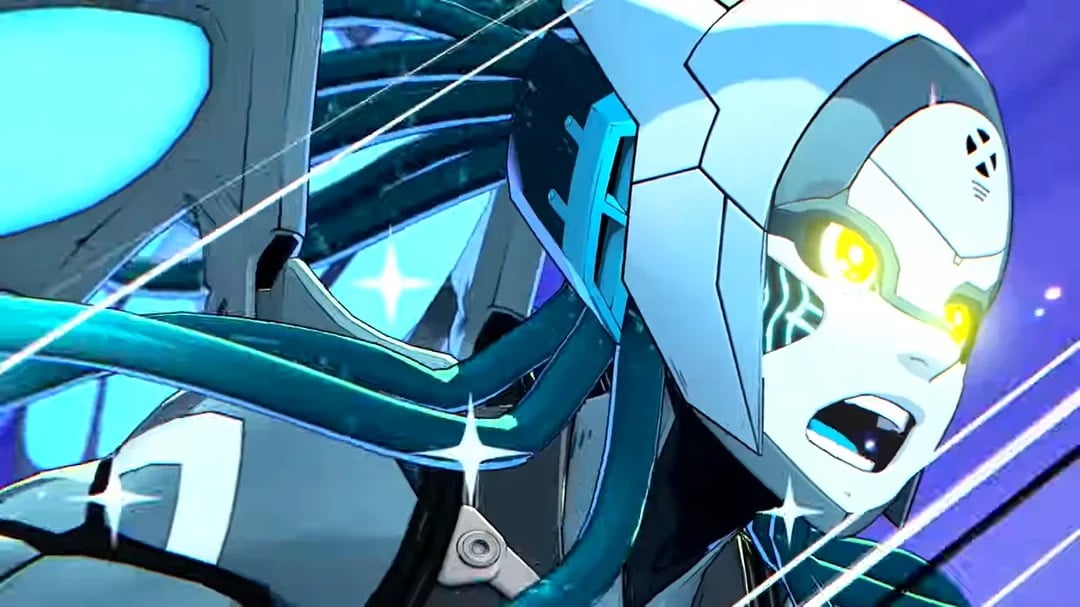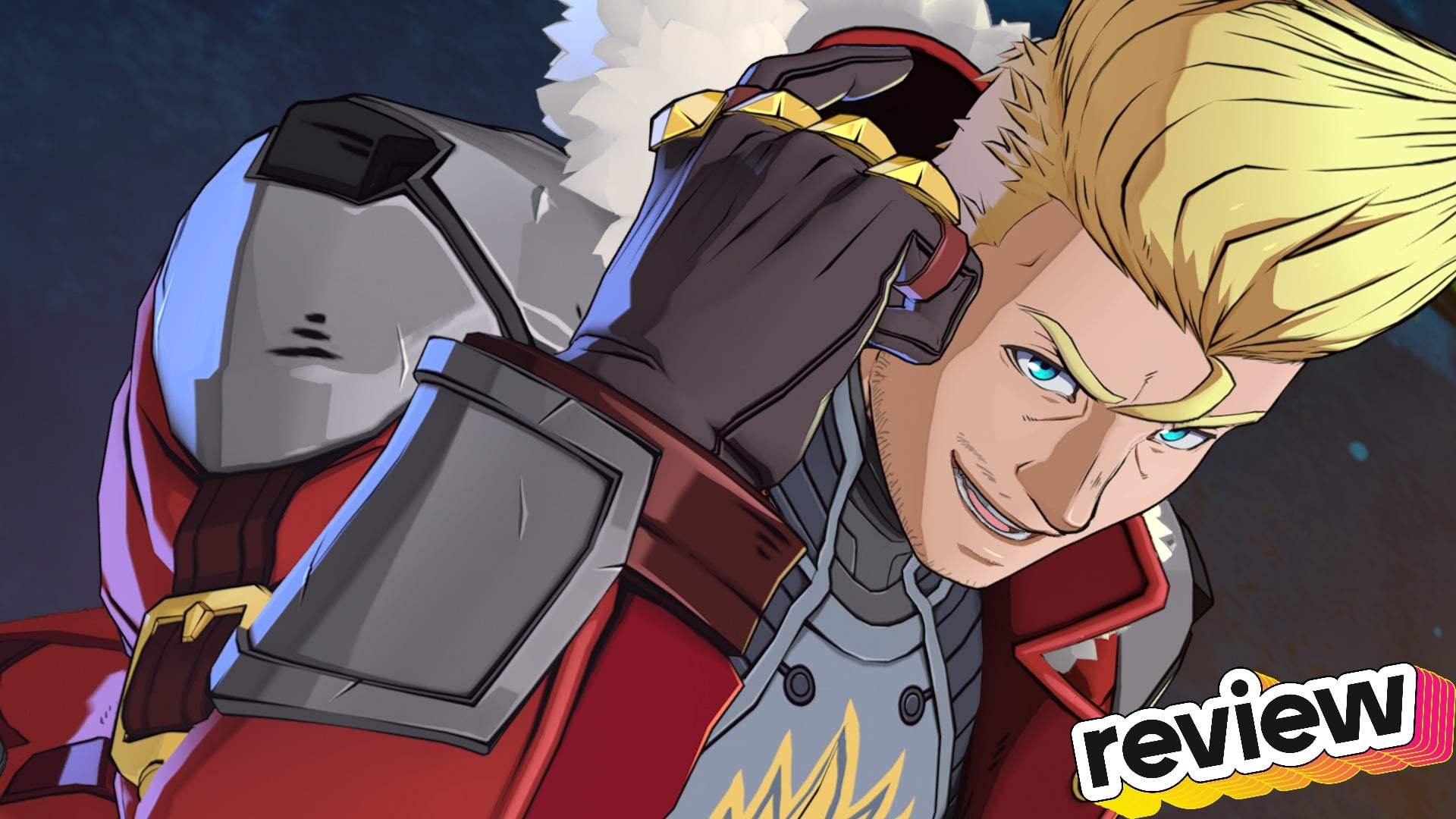
At first, Marvel Tōkon: Fighting Souls felt too simple for me. Its inputs were so straightforward that I sometimes felt like my matches were playing themselves as autocombos so easy to accidentally pull off had my quartet of Marvel superheroes stylishly dancing across the screen with developer Arc System Works’ signature anime fighter flare. Then, as I spent dozens of hours between the beta and main game learning the ropes, I realized Tōkon was challenging me in ways fighters don’t often do, because I am a stubborn son of a gun who gets particular about how he plays fighting games and wanted to focus almost entirely on mastering Star-Lord, something the game’s design wasn’t going to let me get away with. Hours before I started writing this review, I was considering dropping the game entirely, despite several of my friends still being eager to gather in online lobbies. But just as I was about to hang up my Elemental Guns and maybe go back and play Guardians of the Galaxy or Marvel Rivals to get my Star-Lord main fix, something finally clicked.
I play a lot of fighting games, but I’m pretty picky about how. I’m a one-trick for whoever my main is, meaning I find a character I love and spend dozens to hundreds of hours learning the game through the lens of mastering them. I consider myself an above-average fighting game player, and that’s largely because I spend so much time with one fighter that their movesets and how they react to every other character on the roster becomes embedded in my muscle memory. Fighting games often put me in a rhythmic flow state, parrying, grabbing, punching, kicking, and dodging in a manner that is pretty much instinctual. It’s how I do pretty all right despite never picking up a fight stick. Playing fighting games has always been like feeling my way through a room blindfolded, learning by walking into walls and stubbing my toes until repeated injuries help me move through the space without a second thought. As a tag fighter, Marvel Tōkon made me feel like I was trying to move through the room with weights on my wrists and ankles.
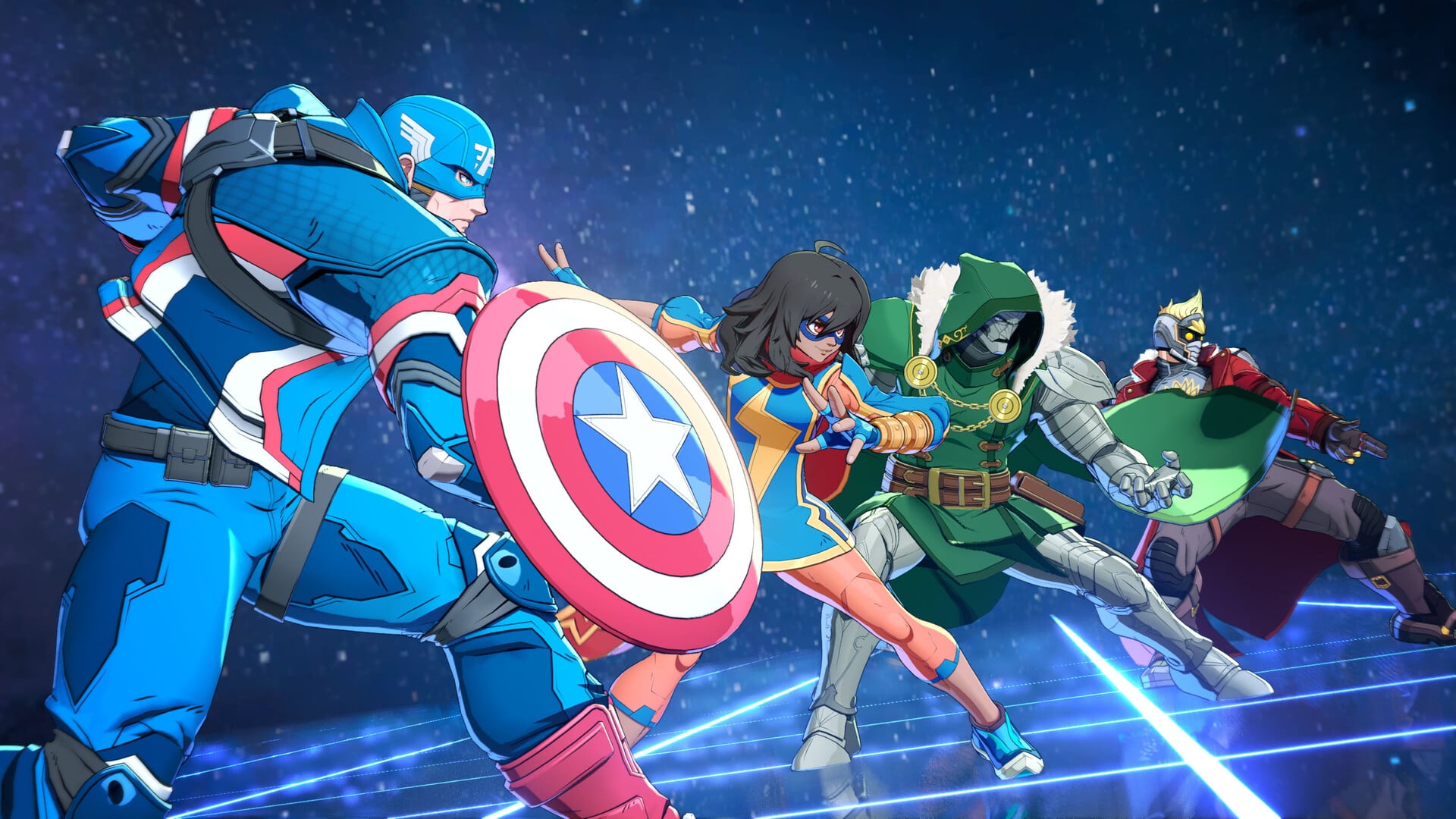
Marvel Tōkon: Fighting Souls, the latest flashy fighter from Guilty Gear developer Arc System Works, is a 4v4 tag fighter that features, at launch, a roster of 20 heroes and villains from across the Marvel multiverse. But unlike some Marvel games which come off as extensions of the Marvel Cinematic Universe’s marketing campaign and seem to be devoid of their own identity, Tōkon is filled to the brim with a blend of Arc System Works’ best-in-its-class anime excess and the recognizable, iconic heroes from the comics. Matches have an interesting sense of progression as players gradually unlock their full team of four heroes throughout rather than having access to all of them from the jump, adding layers of rewarding strategy and party-building savvy to its tag-based systems. Tōkon’s fast-paced, but the speed with which matches play out masks a pretty layered system that can overwhelm as much as it can delight.
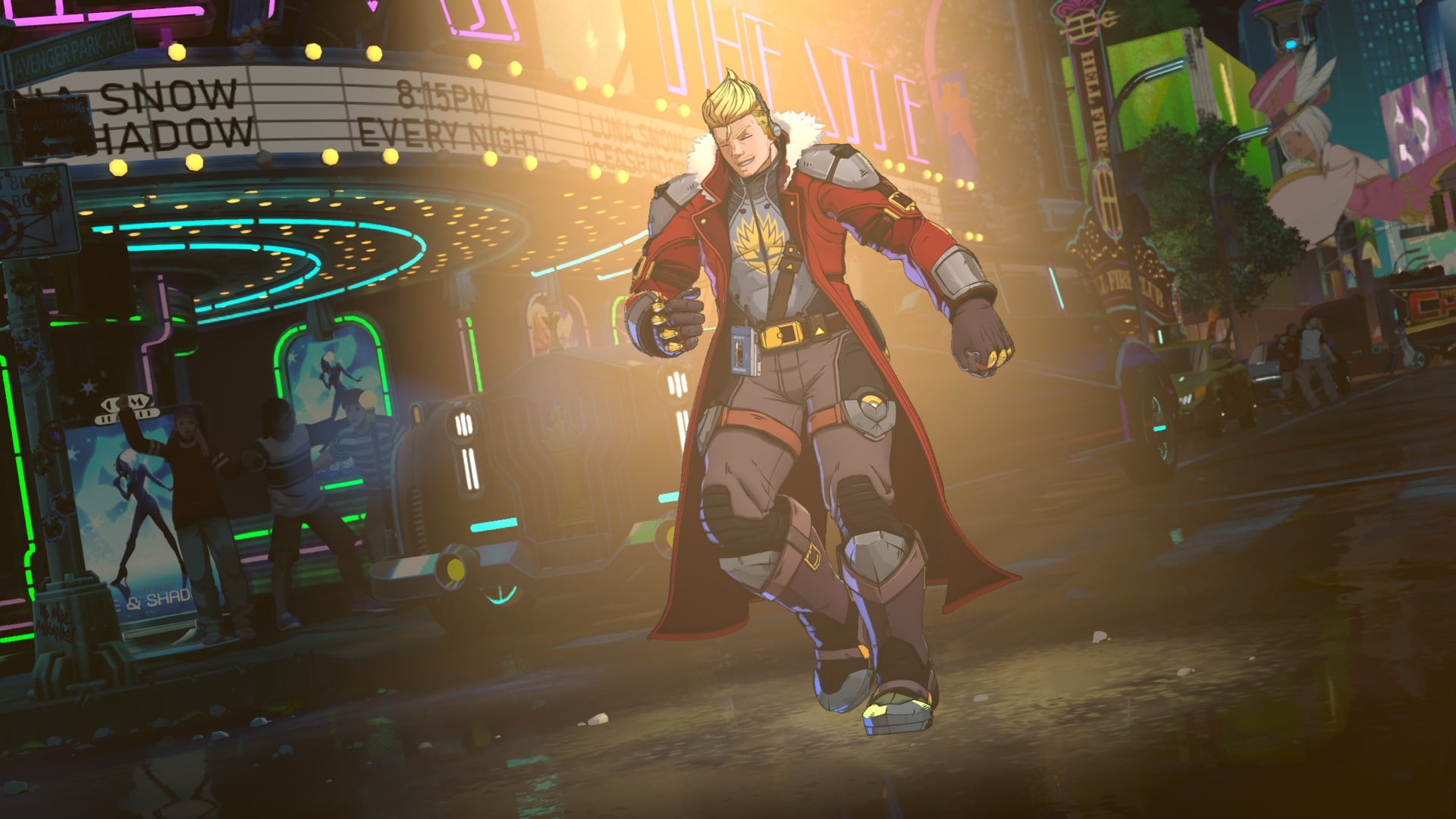
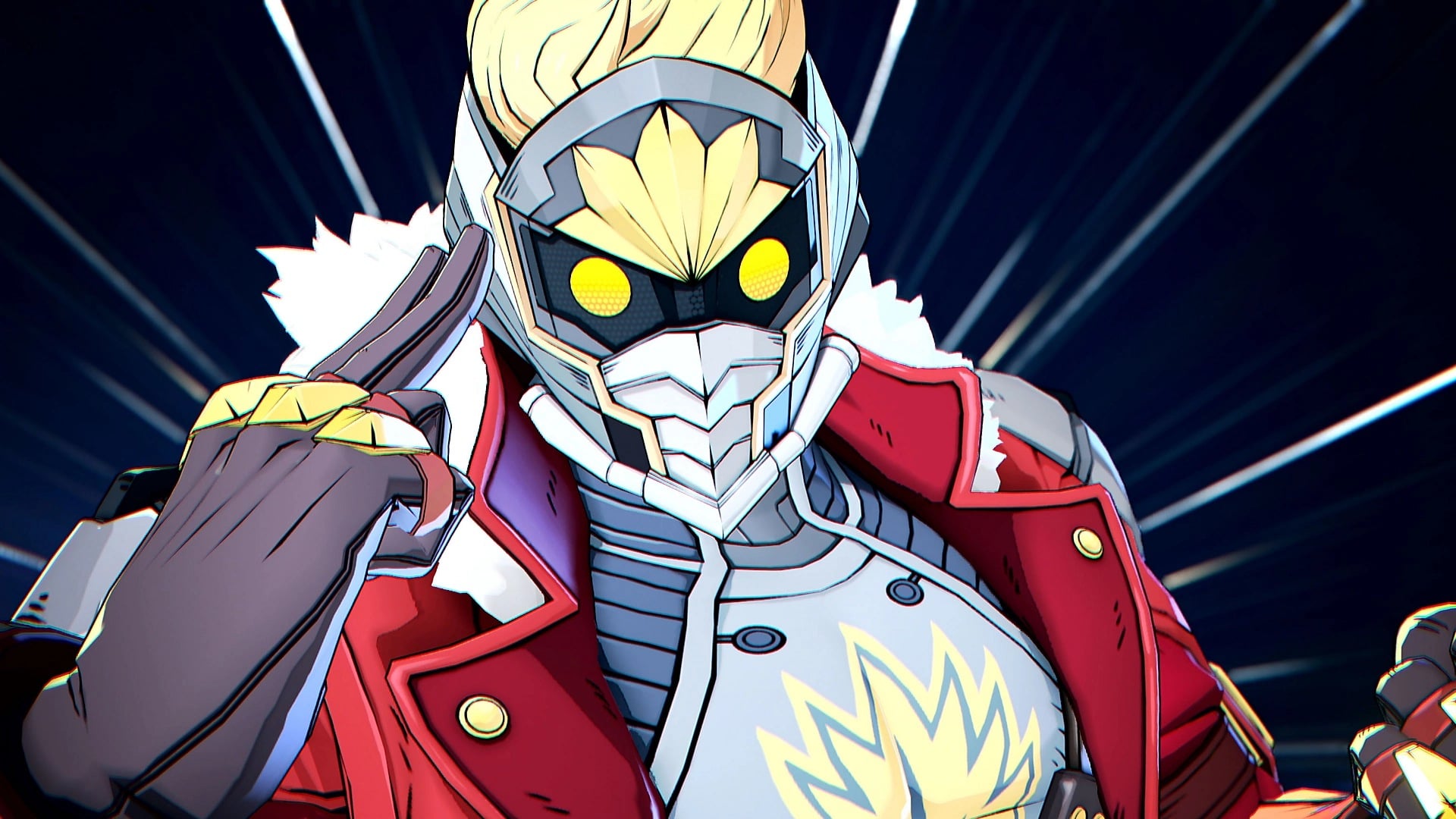
Star-Lord, the wise-cracking, classic rock–loving galactic gunslinger was always going to be my main, as he is my favorite Marvel character, and I gravitate toward a character and mold myself around their playstyle, rather than finding the same fighting game archetype in every game—the “Ryu” of each game, for instance—and putting it on like a reliable glove. Luckily, his modular Elemental Guns function similar to Green Arrow’s bow in Injustice, another superhero fighting game I’ve spent hundreds of hours in, so Peter Quill’s hover-boots were a pretty natural fit. For a time, I felt like I was able to comfortably find my groove, keeping my opponents at range and taking advantage of openings I knew how to exploit with Star-Lord. But gradually, as my friends also played more, I felt the gap widening in a way that I frankly wasn’t used to. Even in games like Street Fighter where my usual groups played together and trained enough to maintain an even playing field, I could usually hold my own, or at least give skilled players a sweaty match before I lost. With Tōkon, I felt myself unable to get a foothold on the ladder, because I was so steadfast about sticking with Peter Quill that I was not engaging with the tag elements, to my detriment.
I thought this would be fine. Unlike Marvel vs. Capcom, Tōkon doesn’t give your team separate lifebars, so there isn’t the same resource management that actively incentivizes you to swap between characters in your team of four. Each of the benched heroes on your team serves a distinct role in your assists, whether that be providing a pressure-pushing ranged attack like Spider-Man’s webs or Captain America’s shield throw, or dishing out an anti-air uppercut to swat enemies out of the sky as they try to pounce on you. Which move each character uses depends on the formation you decide upon before a match, and each is gradually unlocked through knocking your opponent’s point character through stage transitions that reset corner pressure. Picking characters you like and could hypothetically switch to isn’t enough, Tōkon requires you to carefully plan, down to which directional button you’ll use to swap, how your characters synergize with one another, and which fighter is best equipped to take on a certain assist role.
At first, I had sorted my team of four by who I liked the most, expecting that if I was going to swap to any of them, I’d want to unlock them in the order I’d like to be playing them. Star-Lord led my group, with Black Panther, Deadpool, and Captain America following behind in that order. In my mind, they were mostly just cheerleaders for my Star-Lord one-trick antics, which I assumed would be enough for me to excel. I was barely even touching the button that would call in assists because I was so sure I could handle anything my opponents threw at me while playing as Star-Lord. But the more I played, the more I noticed how skillfully other players used assists, and I felt like there was a gap I couldn’t cross.
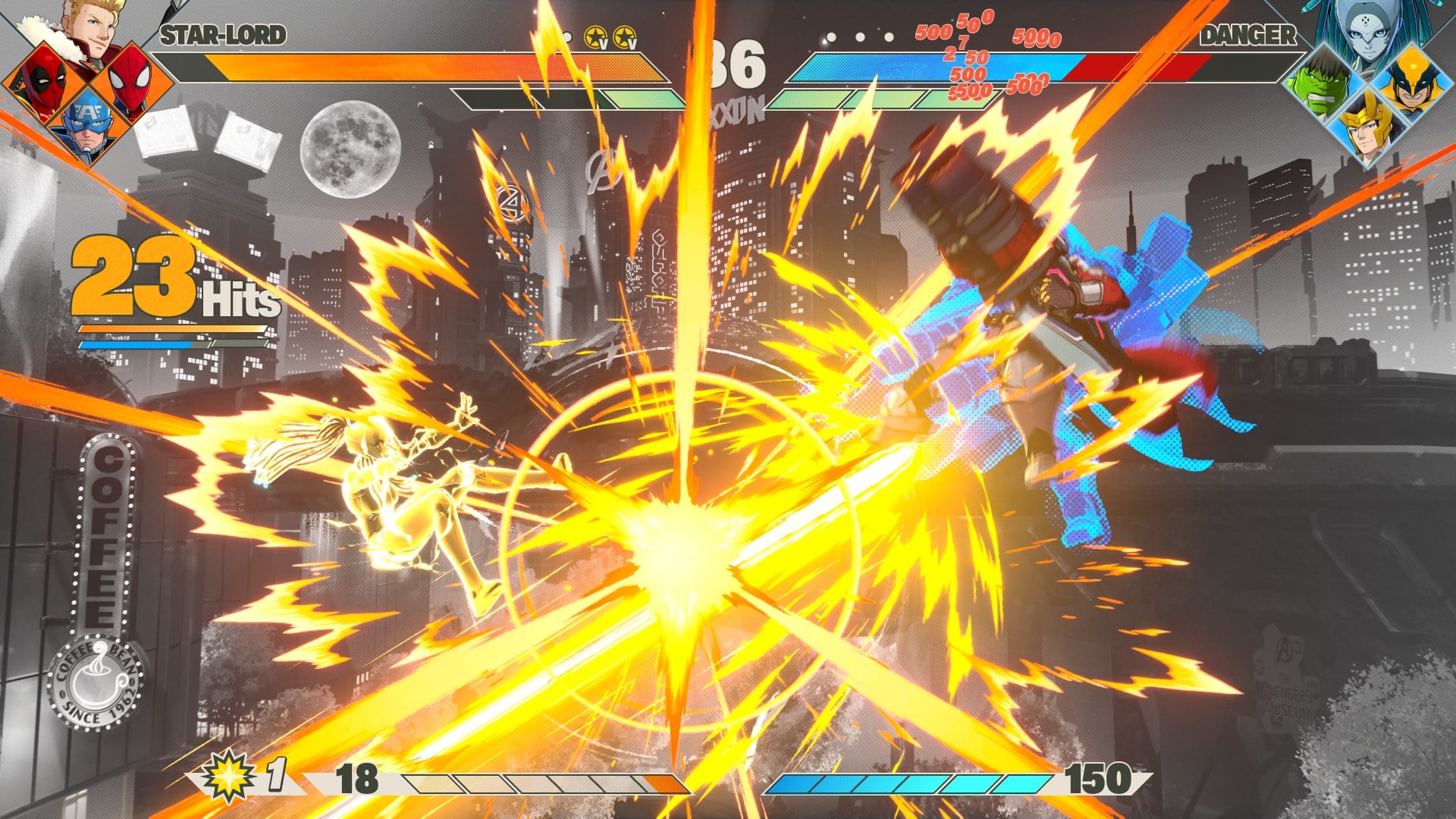
Tagging assist characters didn’t come naturally to me, and neither did swapping out to different characters when Star-Lord was my best one. When I realized that my second-best character was Captain America, I swapped him to my second slot, then was pretty underwhelmed at how ineffective his assist shield toss felt at keeping up pressure while I dashed in to get close as Star-Lord. Plus, when I summoned any assist character I was just opening myself up to more damage, as the team’s shared health bar meant that an exposed teammate could be just as much a liability as an asset.
None of it was clicking with me. I could see other players excelling because they had learned how to weave assists into the gaps of their lead character’s skills, and here I was barely able to juggle Star-Lord’s combos and sprinkling in support attacks. It wasn’t until I gutted my support team for a new one that I started to see that your team of four can’t just be three other characters you like. You have to be mindful of what abilities they’ll use. Swapping out Captain America, with his single shield toss, as my secondary character in favor of Spider-Man, who sprays a barrage of webs across the screen, may sound like a small change, but Spidey’s webs give me a slightly longer window to close the distance between me and a guarding enemy than Steve’s metal frisbee does. Suddenly, with one change, I’d broken through a ceiling that I had been bashing my head against for days.
I’m still feeling my way around this particular room, moving characters to different slots and trying to figure out who I actually want to take into the ring with me. Marvel Tōkon’s relatively simple inputs tricked me into thinking it was a simple game, but its tag systems and the need to coordinate different characters to make skillful plays give the game a passive complexity that might not be as hands-on and tactile as Marvel vs. Capcom’s, but they do make or break a fight if you’re not taking advantage of them. It grinds against my usual way of playing fighting games, but maybe after so long being a stubborn one-trick, it’s time I welcomed the challenge and expanded my horizons. What initially turned me off from the game has become a new trial to overcome, and it’s made my gradual climb up the ranks more rewarding than a fighter has felt for me in several years. FGC veterans may not jive with its simplified control scheme, but Tōkon’s swath of synergetic systems offers enough depth to hold a skilled player’s attention, while those easy inputs give those scared off by the genre something to hold onto.
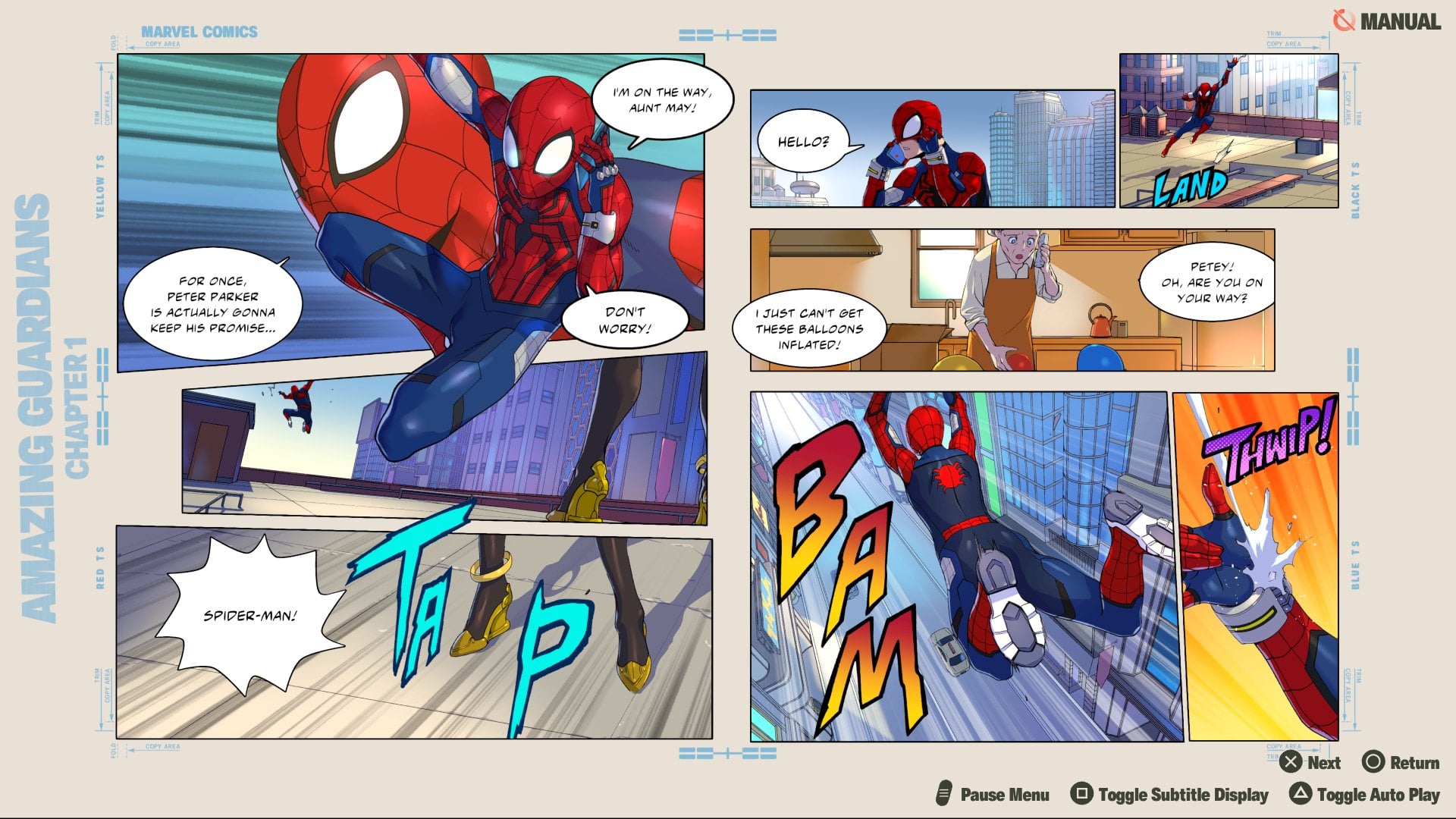
Marvel Tōkon’s slick, stylish fights are set up by the game’s multi-perspective story mode, which has five designated teams fighting their way through a tournament that is essentially put together for the amusement of the Champion of the Universe. He wants to fight worthy heroes, and what better way to bring out the best of them than to threaten to destroy the planet they live on? It’s a pretty thin premise, but Tōkon’s presentation of this contrivance is better than the synopsis makes it sound.
Each team has a digital comic that presents the story from their point of view, exploring what would happen if the Avengers, X-Men, or the other groups scraped together from different heroes and villains were the ones to finally face the Champion. They’re each written by prolific Marvel comic writer Kieron Gillen, but all five are illustrated by different artists, giving each one a distinct vibe. Most of the fights that break up the motion comic aren’t particularly challenging, presumably so Marvel faithful who don’t get on the sticks very often can still get something out of it. If you’re not a fighting game player but want to see a fun, low-stakes crossover event with 20 of Marvel’s most iconic heroes, the episodes are fully voiced and you can find them on YouTube, where they can make for a fun marathon. Or those stories might be a gateway into a comic fan’s first fighting game.
Though Tōkon’s highest level of play may be overwhelming, the game isn’t lacking in ways for players of multiple skill levels to access its dense systems. Not everyone wants to get sweaty online, and there’s plenty to see and do outside of just the story mode. There’s your standard arcade and survival staples, some of which have an almost roguelike twist in which you can mess around with buffs and find new challenges without having to hop online and face the collective might of the FGC. There are even some pretty casual party modes, such as Arcadia Rumble, which lets players run around as their lobby avatars and pummel other players to find perks before grouping up for a quick fight. Though that’s not worth the price of admission on its own, it’s an entertaining diversion and a low-stakes place to learn the ropes or play something with multiple friends at once.
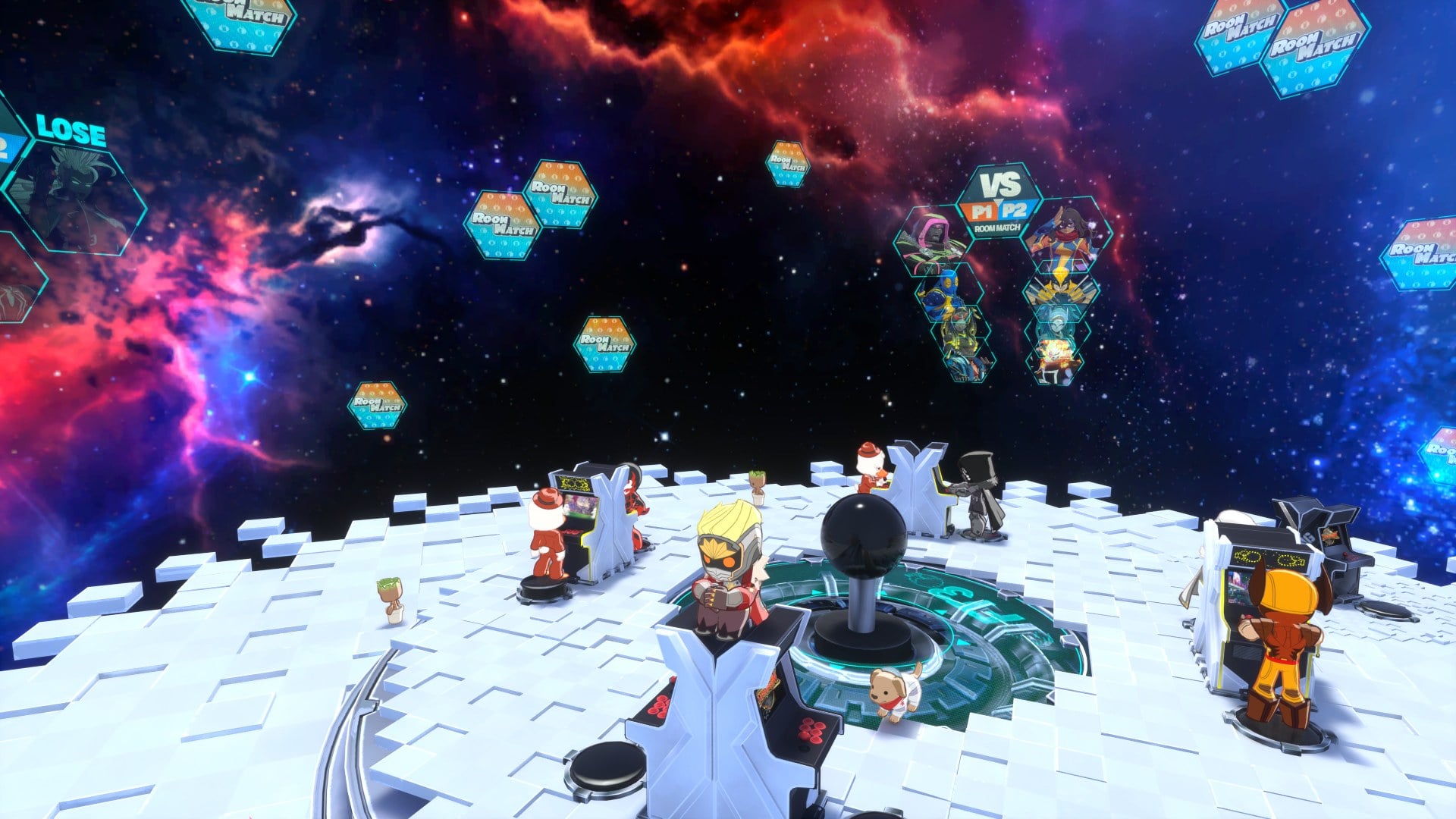
In some ways, Tōkon feels like it wants to be an accessible fighting game that the Marvel faithful can jump into without fear of being skilled out of the lobby, which is part of why its autocombo-heavy control scheme allows you to do so much with little effort. Tōkon’s wild flurry of activity and the ease with which players can light up an explosive barrage of color, motion, and sick moves can feel like sensory overload sometimes. It can also make moments hard to read as characters swerve in and out of the field. I frequently find myself trying to start up a combo on my enemies, only to realize that I’m attacking one of their assist characters, missing that their actual point hero is gearing up to punish me for falling for this misdirection. But as frustrating as it can be to be on the receiving end of these non-stop combos, seeing them unfold is part of what I think will make Tōkon a fighting game mainstay.
Tōkon is an absolute blast to watch, and even new players who are feeling it out can accomplish a lot with only a few buttons. Every character’s cool factor is cranked up to anime-exaggerated levels and feels primed for incredible pop-offs in front of a roaring crowd. But as my own experience demonstrates, Tōkon’s style isn’t at the expense of substance, as button mashing and playing it safe with your main is only going to get you so far.
Marvel Tōkon: Fighting Souls
-
BACK-OF-THE-BOX-QUOTE:
"Fun isn't something one considers when balancing a fighting game. But this...does put a smile on my face."
-
DEVELOPER:
Arc System Works
-
TYPE OF GAME:
4v4 anime fighter set in the Marvel universe.
-
LIKED:
A blast to play and watch, accessible for newcomers but deep enough for fighting veterans.
-
DISLIKED:
It can be hard to read the fight sometimes, may overwhelm if you're not used to tag fighters.
-
PLATFORMS:
PC, PS5 (played on)
-
RELEASE DATE:
August 6, 2026
-
PLAYED:
~40 hours across both base game and beta
With the struggling PC version apparently in better shape in record time, Tōkon feels like it has only slightly stumbled on its path to being a fighting game mainstay for the next few years, and with Capcom seemingly not making Marvel vs. Capcom again any time soon, it can take up space for a bit while its spiritual predecessor in the Marvel tag fighter pantheon slumbers. There will be patches and characters to debate as years go on, but now that Arc System Works has gotten the game on its feet, there’s an excellent foundation to build upon here. Tōkon has challenged me in ways fighting games often don’t, and is also such a solid, well-rounded fighter that I’m going to keep pushing through.