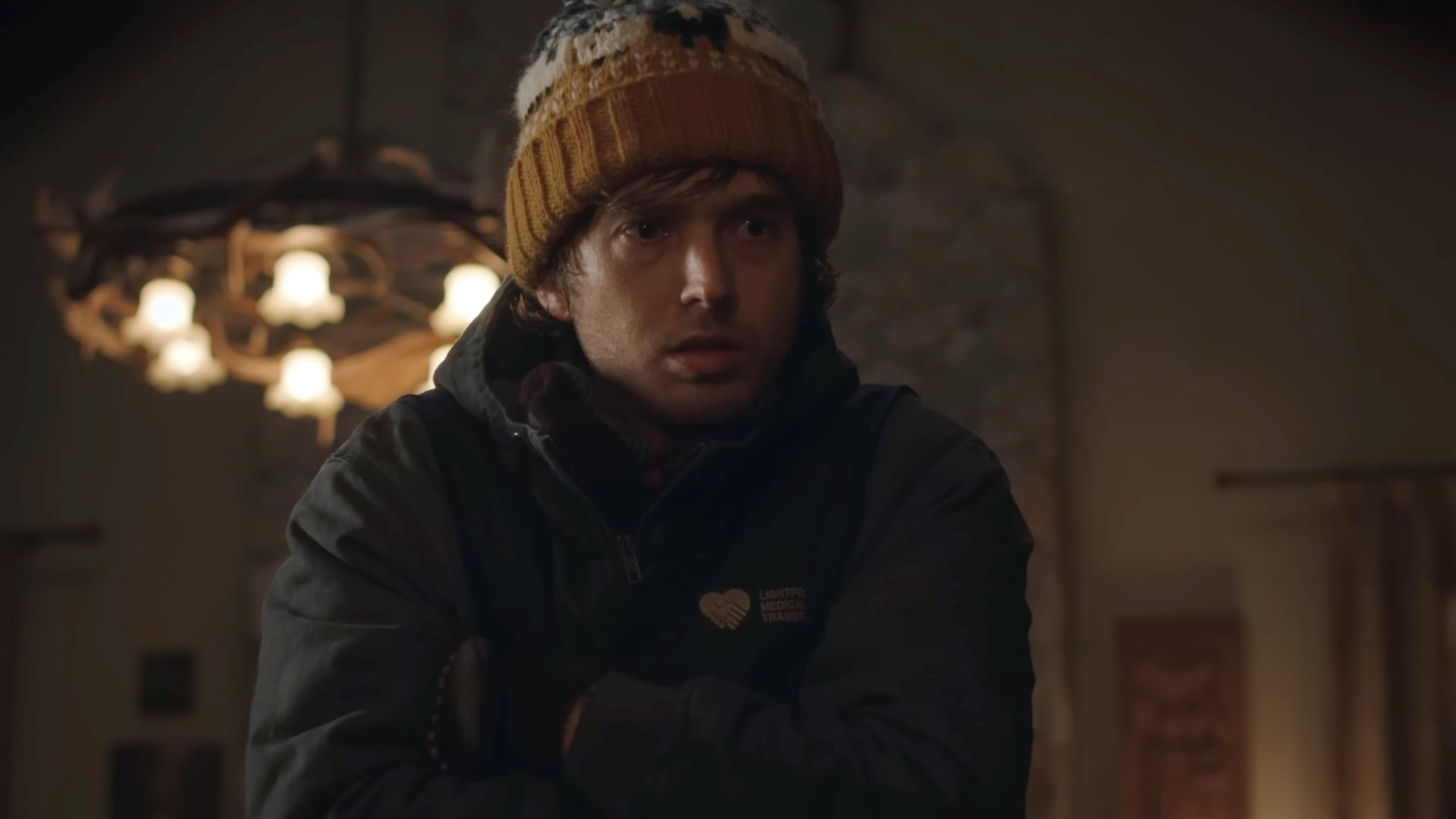
Zach Cregger’s Resident Evil is out in theaters after months of fan skepticism surrounding the “creative liberties” the film takes regarding its place in the overarching story of Capcom’s survival horror series. By and large, the reviews are pretty great, and we’ll have one here at Kotaku soon in which I tell the world that I mostly enjoyed it as well. However, after all this hubbub from Resident Evil purists, what do fans actually think of the movie?
Like most things on the internet, reactions to the Resident Evil movie have been mixed, though it’s trending pretty positively on a lot of fan-driven platforms. As of this writing, it sits at a 3.9 out of 5 stars on Letterboxd, has a 91-percent approval rating from audiences on Rotten Tomatoes, and an 83 user score on Metacritic.
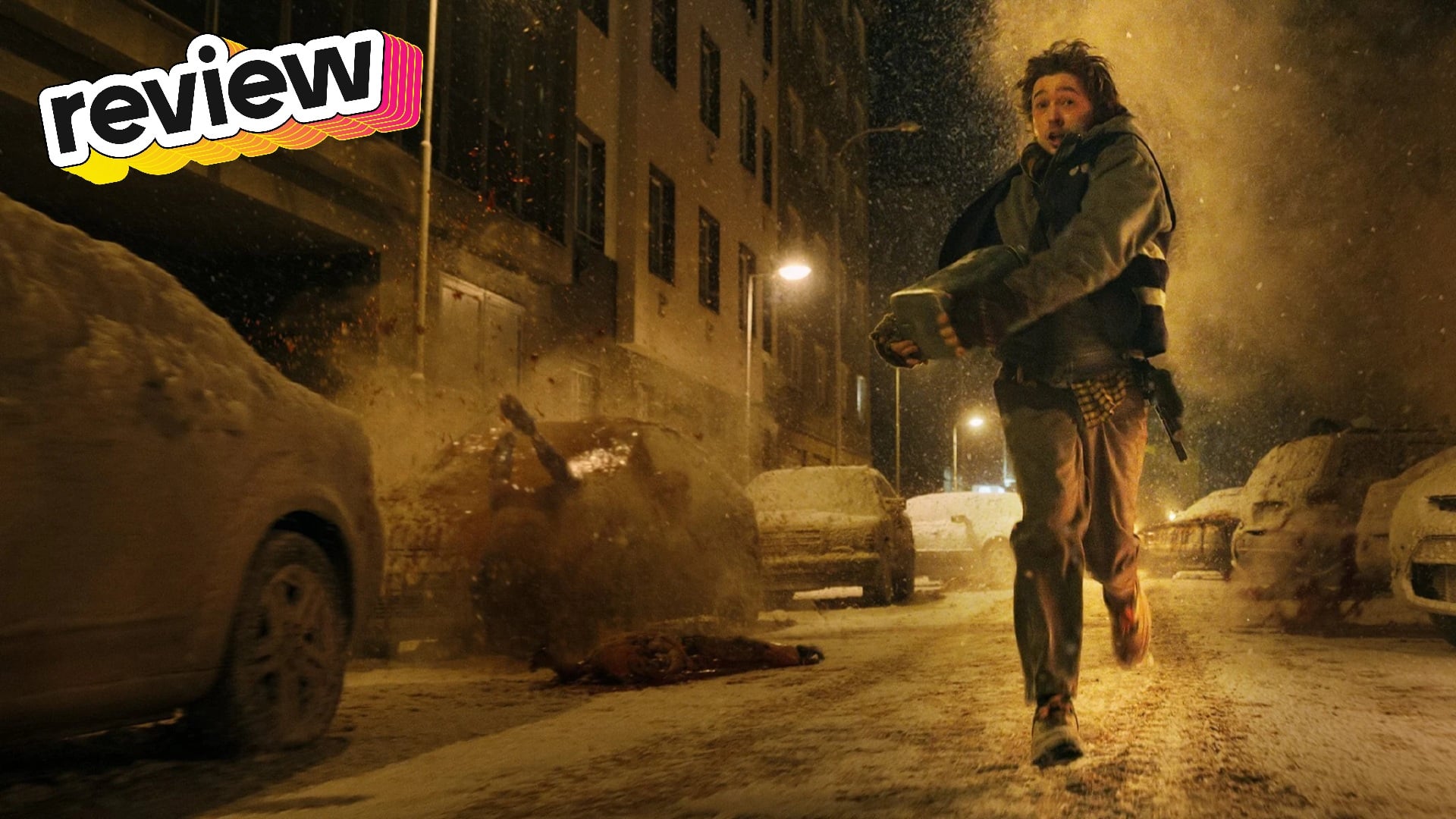
While most Resident Evil games focus on cops, special agents, and others who might seem at least somewhat well-suited to confronting zombie horrors, Cregger’s film follows a regular guy named Bryan, a medical courier delivering some important package to Raccoon City at the beginning of the outbreak, so instead of doing sick kick-flips and dishing out one-liners like Leon Kennedy, this guy’s genuinely in peril the whole time.
“The movie was incredible,” a fan writes on Reddit. “The POV scenes flowed seamlessly with the film, they weren’t over the top or begging to be noticed. Each set piece felt like an encounter in the game as well. I especially loved the ending too, it was ironically twisted. Respectable jump scares and the lead actor played a convincing everyday guy going through the motions of trying to survive an overnight apocalypse.”
A lot of fans seemed to have appreciated the movie for what it was, which is a somewhat comedic, almost Evil Dead-style horror movie, with the laughs largely driven by Bryan’s incompetence and disbelief at all the spooky, scary shit that’s unfolding. But some fans who were hoping for a more recognizably Resident Evil movie are less pleased, not just for deviating from the source material, but because the connections it has to the games it’s named after are fleeting at best.
“If not for 2 key name drops, Raccoon City, and Umbrella, the movie itself can genuinely be renamed into anything else and make about as much sense,” another fan writes on Reddit. “If you call it The Thing 2 or Slither 2, you would believe it more than Resident Evil. The zombies in the movie are never explained to be caused by the T-Virus, Umbrella themselves feels like such a minor aspect that they are never really felt like an omni percent threat like in the games or even previous movies. Not only that but this brand of infection is extremely different from anything in the games which again goes to why this Resident Evil feels so disconnected from the games it is based on, however I will say, the movie does have a stalker enemy, so there are still aspects that feel like it is inspired by the games.”
As Cregger explained in previous interviews, a lot of his take on Resident Evil is based on the feeling of playing the games rather than getting too into the weeds of the lore or adapting a specific story, so moments like Bryan missing padlocks he has to shoot, anxiously searching for bullets as an infected monster approaches, or being skittish, scared, and swearing under his breath are evocative of what players feel while holding a controller. As a result, a lot of fans are saying that watching Bryan fumble his way through the movie is a lot like watching a scared Let’s Player make their way through a Resident Evil game.
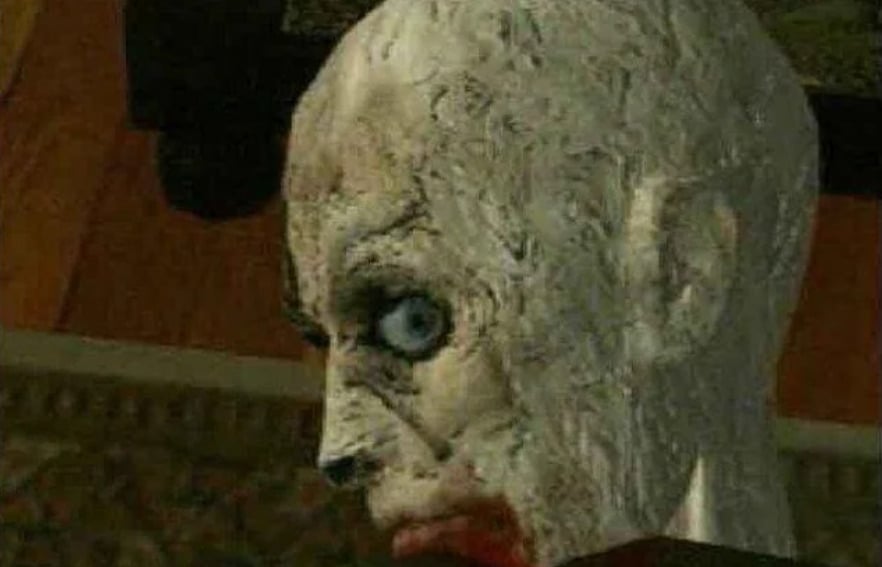
“I just saw it and I liked how there were moments that reminded me of what it felt like playing the game,” a fan writes on Reddit. “I remember playing the RE remake and hearing Lisa Trevor in her cabin and not wanting to leave haha. The [movie scenes] in RV and Tunnel and house had a lot of the same feelings. There was a lot of small RE stuff like the key shape and typewriter I liked too. Some of the humor was a little much but overall I liked it.”
The film’s comedy has been one of its more divisive aspects. The Resident Evil games are occasionally funny in a campy way, like when Leon is spouting out one-liners, but Cregger’s use of humor is constant, less of a direct attempt at cornballness than it is just pressing the gas on Byran’s exasperated attitude toward all the bullshit he’s dealing with. If you can believe it, Cregger cut a lot of jokes out of the movie after test audiences said the movie was too funny.
“Gonna be in a massive minority, but I wasn’t a big fan,” another fan writes. “The forced humor ruined a lot of the suspense, the characters were either bland, boring, or super annoying. There were a lot of strong moments, but overall, there was just something missing. It felt more Resident Evil than I initially thought it would, but felt like a reinvent of the franchise other than a part of the Raccoon experience.”
Anecdotally, the audience I saw the movie with laughed a lot more than they jumped for any scares. I’d describe the movie as more gross and tense than actively “scary,” which could describe some Resident Evil games, too. I can absolutely see the argument that Bryan’s constant quipping dampens the movie’s tension a bit too often, though as someone who knows Cregger from the days of the sketch comedy Whitest Kids U’ Know, I can see a lot of his comedic cadence in the film.
Everyone saying “Resident Evil has always had goofy humor” must really have only looked at Leon highlight reels because even in his case, everything is done with a sincere and played straight energy.
The series has not gone out of its way to make the joke in a ironic “well,… https://t.co/nlw83sX82Q
— J. Y. Song (@Critical_Scribe) September 18, 2026
Also, the ending has ruffled some feathers, but we’ll put that underneath a spoiler tag:

Midway through the film, Bryan is bitten by an infected child, and is gradually succumbing to the same infection that plagues the monsters he’s facing. This gives him a reason to continue his medical delivery, which is revealed to contain the last component scientists need to create a cure. When he finally reaches his destination and a cure is nearly made, he begins transforming into a monster and kills all the scientists who could have saved the world from the virus turning everyone into zombies or worse. The film ends with Bryan losing all his humanity and seemingly being gunned down by helicopters on top of the hospital after he’s had a whole personal-growth arc about responsibility and wanting a future for himself and his pregnant girlfriend Michelle. Even by Resident Evil standards, it’s pretty tragic, and in stark contrast to this year’s Resident Evil: Requiem which took a hard left turn at the end to avoid a sadder ending.
“I absolutely loved the film, and it really did feel like it captured the Resident Evil essence, but the ending was such a shame,” a fan says. “Bryan’s character went through so much growth in his survival skills and through near-death experiences, making him realise he wants to be a father. All that just for him to be killed off so abruptly was just so disappointing.”
Some interpret it very differently, though, and view Bryan’s transformation as an important, if morbid, thematic endpoint for the character, as Chris Lambert argues on FilmColossus:
I think a lot of people will chalk Bryan’s conversion into the monster as a tragic ending. But I’m not sure it is. Remember, it was the little girl in the trailer who bites Bryan. That’s what causes him to start to change. And “change” becomes a loaded word, thematically, after the voice memo, because Bryan calls out that he was afraid of the baby changing him, of making him grow up, because he’s happy with how things are.
What then happens at the very end? Bryan’s still trying to prevent change by trying to get the antidote. But the bite from the kid causes the transformation (whether he wanted it or not). And the result is Bryan quite literally growing up.
Overall, I expect people who were skeptical about the film to feel vindicated in some way now that a lot of people are coming away from it saying they felt Cregger’s take made for a “good horror movie, but not a good Resident Evil movie.” While for some, being a “good Resident Evil movie” might have meant delivering straightforward fan service in the form of Leon or Claire cameos, I think other, more reasonable viewers may just feel that the movie plays more like a spoof than a proper Resident Evil film.
The question of what makes a good adaptation is complicated because while some folks expect video-game movies and TV shows to be line-for-line recreations of the source material, some writers and filmmakers want to take a creative swing within a universe. The fear that Hollywood is descending upon video games with no real respect for them or the people who make them is very real, whether that be because game writers are often kept out of the process entirely or because companies see an opportunity to pillage video games for their next big IP without actually caring about what made the source material beloved in the first place. So if something appears to be using the Resident Evil name without capturing what people believe to be the spirit of the games, it leads to fans being stuck between trying to enjoy the movie for what it is and wondering why it has Resident Evil in the name. It’s about more than looking for references and cameos, and gets at the heart of what defines Resident Evil for its fans, beyond recognizable faces and proper nouns. Whether fans believe Cregger’s movie succeeds in capturing that uniquely Resident Evil quality will likely be the real debate as more people see Resident Evil in theaters.