The feeling that there are too many interesting video games to keep up with has never been stronger. Gamescom 2026’s Opening Night Live showcase has only added to the overload, but generative AI is casting a shadow over some promising games at the same time that it’s fueling a big new tax on gaming. This tension was on full display during Geoff Keighley’s latest event.
“It is no secret that video games and the video game industry is changing and evolving,” the host said on stage this week. “On one level that’s exciting, but on another it’s kind of scary. It feels like there isn’t a week we don’t see headlines about layoffs and studio closures, and on top of that, the larger electronics storage and memory crisis means that acquiring game hardware is more expensive than it’s ever been.”
But that increased expense isn’t happening in a vacuum. It’s being perpetuated by some of the very companies Keighley allowed to promote their games on his global stage.
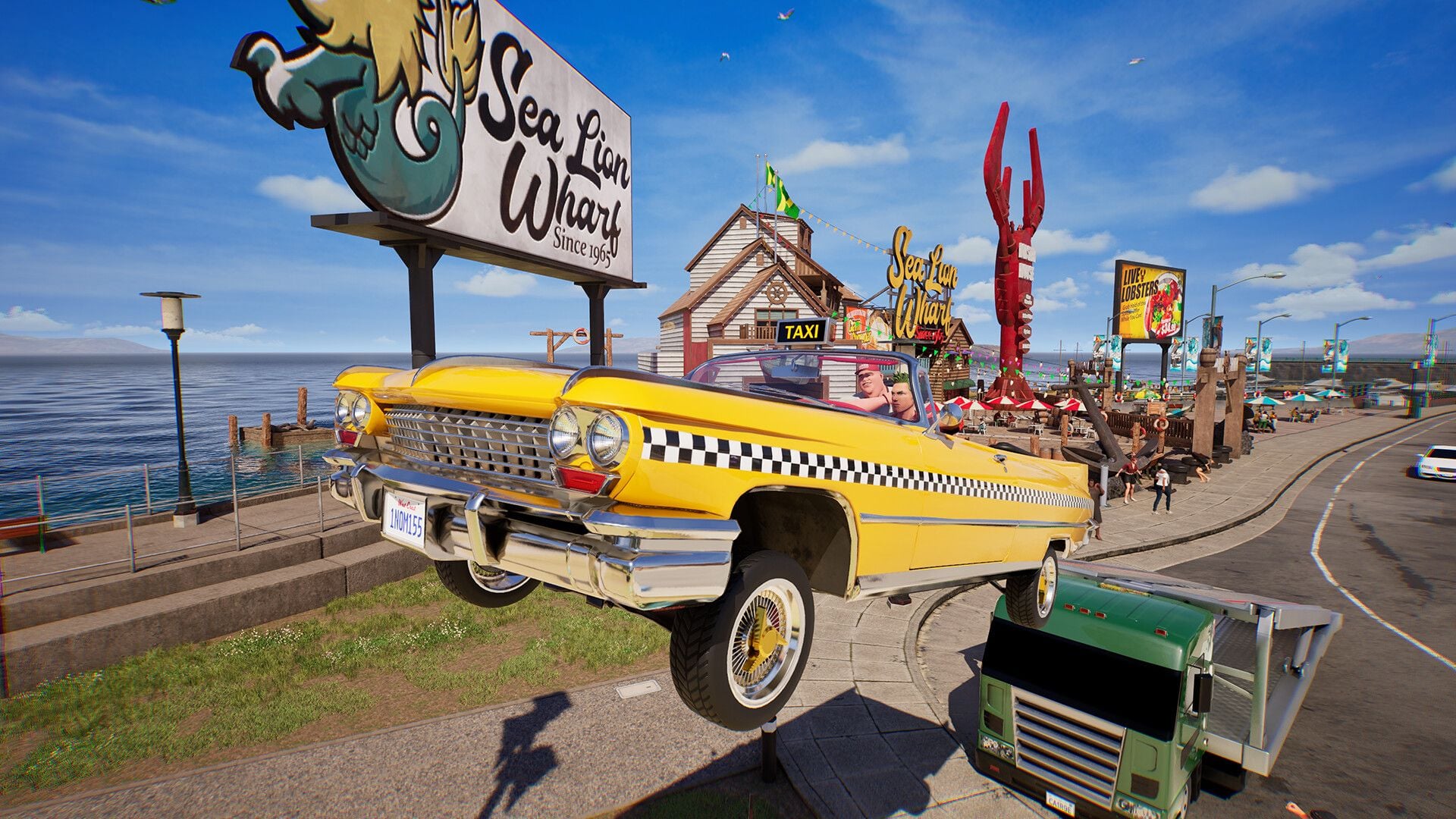
Some of the games featured during Gamescom ONL were already known to include genAI. The developers of Crimson Desert apologized to players for that game’s usage of genAI and promised to remove the offending assets in later updates. After players caught genAI in 1666: Amsterdam, its developers also said they would make changes. Sega doesn’t seem to give a shit that the usage of genAI in Crazy Taxi: World Tour has muted the return of a well-loved classic, and Zoopunk‘s genAI usage is for its user generated content tool that’ll let players create in-game assets.
The only reason we know about AI usage in some cases is because of Steam’s disclosure requirement. Project Zeta, Aion 2, Train Sim World 7, Like or Die, and PUBG Ded.Net followed those rules and feature store pages that list varying degrees of genAI usage. One game, Aniimo, doesn’t have a disclosure on its Steam page, but the developers admitted in a post on Discord that they are using genAI in some ways during the development of the Pokémon-like RPG.
AI will NOT be used to design our Aniimo, nor will any AI prototypes be used in Idyll. AI is now helping us in several ways (e.g. testing) but it’s not imagining the world of Aniimo for us.
PUBG: Ded.Net is one of the games featured at ONL that has disclosed genAI usage.
Gamescom was a two-hour show. What about the rest of the games shown off throughout? Here’s where things get tricky. Some games shown don’t expressly disclose genAI usage and might not feature genAI at all, but because their publishers have full-throatedly endorsed genAI with massive investment in the technology or usage of it in other titles, they end up falling under a similar cloud of suspicion.
It sucks that such vigilance is required, and that genAI-free games may get tarred by suspicions or accusations. But we’ve already seen several examples of developers not disclosing genAI usage on Steam until they’ve been caught. Road Kings, for example, was developed by Saber Interactive, which just went through a whole dustup over its usage of genAI in another title, usage that was not initially disclosed on its Steam page.
On the investment side, Hoyoverse, which is developing the ONL-featured Nodus Fall, invested $14 billion in in-house genAI tools that will power AI NPCs, among other applications. Krafton, the publisher of Tarae: The Unbound, is making similar moves, announcing that it will be an AI-first company with its own suite of in-house AI tools. And NetEase, which publishes both Ananta and Sea of Remnants, has boasted about its AI usage, saying in an earnings report that the technology “has become a foundational competency for our development and operations.”
At this point, it feels quaint to call out Keighley for trying to play both sides, calling attention to rising hardware prices and widespread layoffs while showing off games that are embracing a contributing factor to those issues. As long as the checks are good, and we know they are, it doesn’t seem like he cares that the events he hosts perpetuate genAI sanewashing.
The casual spread of genAI has even seen some developers be perceived as guilty until proven innocent. Strategy game Humankind 2 was revealed during the Gamescom pre-show to viewers who immediately accused its live-action trailer of being AI slop. The developer was promptly forced to clarify that it was filmed at Nu Boyana Film Studios in Sofia, and said it would be releasing behind-the-scenes proof soon.
“I think in the current system that we have, it’s just a plagiarism machine that makes people lose their jobs,” Talos Principle 3 narrative designer Jonas Kyratzes said in a recent interview with Game Informer. “But I want to have hope that it’s a good thing. It’s very troublesome to me.”
The fact that so many of these games’ genAI disclosures feature some version of the message “we promise we only used genAI in the ideation process and everything in the final game was created by human hands” means they know that gamers (and devs) hate this shit, and we know that these mealy-mouthed declarations are attempts to mitigate any reputational damage. So it serves those of us who care about the craft of video games to be loud when the technology quietly pops up after attention has moved elsewhere. Because it feels like the people with the biggest platforms, who have the most power to take a stand and say “no, I won’t be party to this” and have it mean something, won’t.