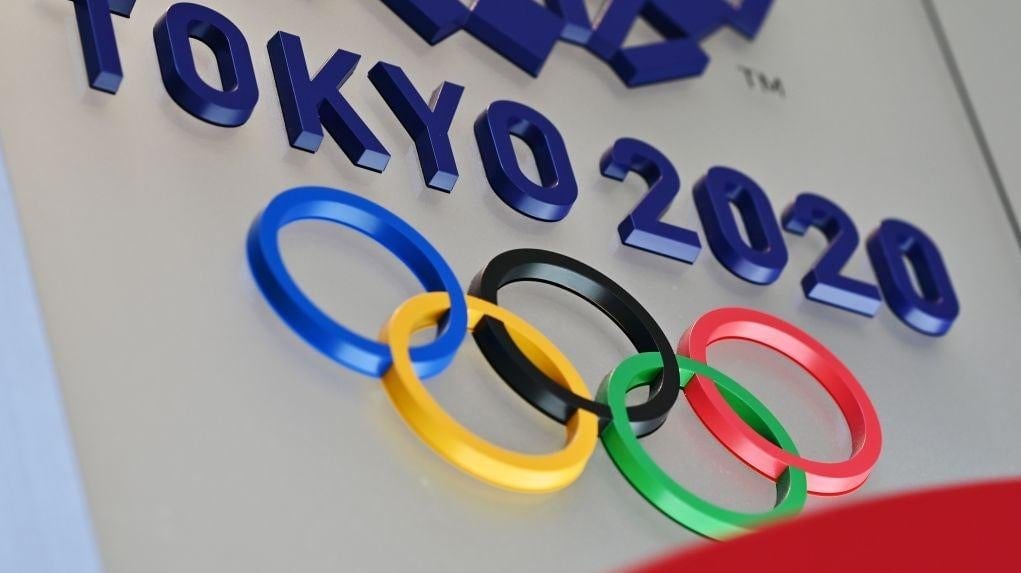
During the Tokyo Olympics opening ceremony, the official announcer introduced the country as “Nihon.” Sponichi Annex reports that this surprised some.
While “Japan” is the official English name—a name believed either to be evolved from the way it was transcribed by Marco Polo or even from the Shanghainese pronunciation, in its native language—there are two official pronunciations for its name: Nihon and Nippon. This is because the kanji 日本, typically translated as “Land of the Rising Sun,” can be read either way. However, over time, the pronunciations have developed different usages and nuances.
There are certain instances where “Nihon” is used. For example, you would say “Nihongo” as the word for the Japanese language or “Nihonkai” to name the Sea of Japan. But, often, for sporting events, “Nippon” is used. “Ganbare Nippon” or “Go Japan” is heard at international matches. Japan has written “Nippon” on Olympic uniforms in the past, so it has a strong association with sports. This is most likely why, as Sponichi Annex reports, it surprised some that the country was introduced as “Nihon” instead of “Nippon” during the Olympics. The word can have a nationalistic tinge, though, especially because the Empire of Japan was Dai Nippon Teikoku. But, it can also simply be a way to refer to the country.
There is a fluidity here, and Japan’s name has changed over time. The earliest recorded name for the country is “Wa,” which is why Japanese food today is still called washoku. Later, Japan began referring to itself as “Yamato,” even after the kanji 日本 was adopted by around 700 AD. As noted on Unseen Japan, “Nippon” later started coming into wider use, with the pronunciation possibly coming from Chinese diplomats who referred to the country as nyet pan
According to Wandering Tanuki, during the Edo Period (1603-1868), people in modern-day Tokyo starting pronouncing the word as “Nihon.” This might be why the Osaka district 日本橋 is pronounced as “Nipponbashi”, while the Tokyo district 日本橋 is “Nihonbashi.”
But is this why the country was introduced as “Nihon” during the Tokyo Olympics? Sometimes Japan has a hard time deciding which to use! The Bank of Japan is “Nippon Ginko”, while as Unseen Japan points out, the country’s most famous broadcaster NHK goes with “Nihon Ginko.” To further complicate things, “Nippon Ginko” is written in English on Japanese money.
There have been attempts to pick one as the “correct” pronunciation, but those efforts have seen little legislative interest or support. But according to a 2012 poll by National Institute for Japanese Language (via Nikkei and Unseen Japan), over 98 percent of Japanese speakers preferred “Nihon.” Regardless of how the country was introduced during the Olympics, do expect “Nippon” to live on in chants during sporting events.