Miranda
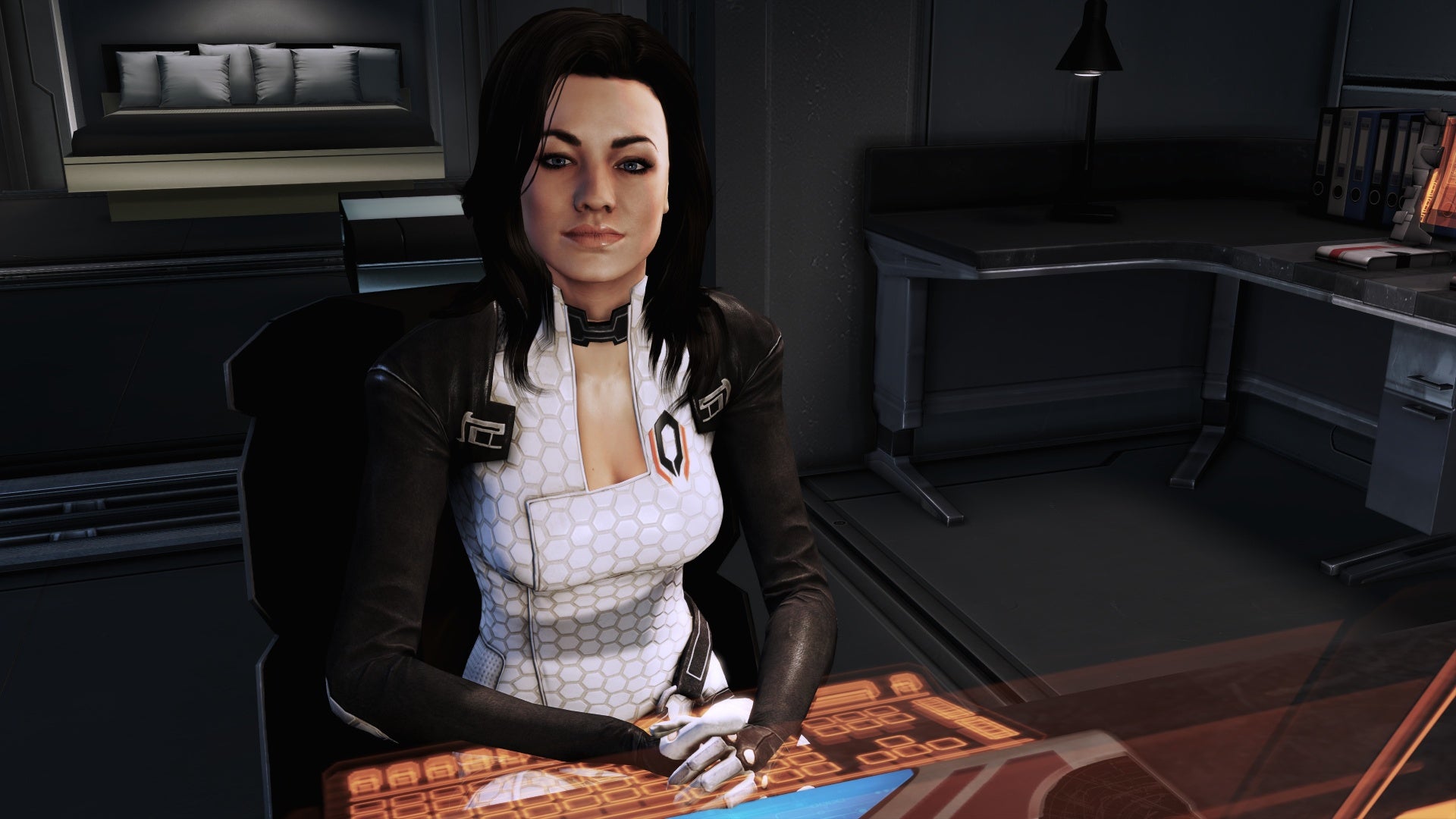
Miranda Lawson is not going to be everyone’s cup of tea. Unlike universally beloved characters like Garrus or Tali, The Illusive Man’s right-hand woman starts off cold, dismissive of the player, and generally mad that you’re even there. As her icy heart defrosts, you come to learn that Miranda’s cold exterior is a wall built up after a lifetime of everyone who’s ever cared about her always having ulterior motives. It’s not easy to put your trust in anyone when every connection you’ve made has come with a catch. That’s why she initially had only invested emotional energy into her distant relationship with her sister, largely facilitated anonymously as she saved her from her manipulative father’s clutches as a baby.
Miranda, much like Jack, is a concise summation of Mass Effect 2’s team-building focus, starting off operating on her own interests, then slowly but surely learning to trust the team she works with after believing for so long she could only rely on herself. What puts her a notch above Jack in my eyes is her role in Mass Effect 3. Miranda is a bit enigmatic in the third game, mostly working in the shadows as Shepard handles the Reapers. Having shed her Cerberus ties, Miranda seeks to atone for helping the extremist group reach the status it has in disrupting the war effort, but as she looks into her father’s plans and how they tie to Cerberus, she does so alone. Part of this is because Miranda still feels like she has to handle things on her own, but there’s something potent about someone who was once a radical unlearning their views, realizing that they can’t just integrate back into society and still doing the right thing anyway.
Miranda’s story can end tragically, as most characters in the Mass Effect trilogy can, and there’s a gutting sadness to that ending if that’s where your choices take you, but if she makes it to the ending, there’s something kind of beautiful about someone having gone to the dark side and reaching the opposite end.