Jason Paige, the vocalist millions of Pokémon fans know for his performance of the original anime’s theme song, has responded to a viral controversy after he was accused of ripping off young fans in a Pokémon card trade, claiming the exchange was “absolutely fair.”
The saga began (thanks Dexerto) when Pokémon card vendor and content creator Bryan Kuznitz, also known as Boosters and Bangers Collectibles, accused Paige of scamming kids at the Orlando-based Collect-a-Con event. While some of the videos from the saga have been deleted, the gist of what Kuznitz claims took place is that Paige made an underhanded trade with a child at the show, which included trading an old Gengar card for a “fake” (albeit autographed and inscribed) card. The specific grievance is that the Gengar card would have been valued more highly than the autographed card.
Paige released a response video denying the allegations, and explaining that the “fake” card is actually a promo card from the AGS trading card grading company, featuring a Charizard and Pikachu and the company’s logo on the back. Though the card on its own isn’t that valuable, Paige shows his autograph price list, and after all the math between the signature, inscription, grading, and shipping is done, he estimates the card to be worth “around $150.” After that breakdown, Paige shows the Gengar card, arguing that its condition and lack of grading would put its value below the roughly $150 Kuznitz claimed it would have, with Paige estimating it would have been worth around $75 when accounting for the scratches and scuffs it’s gathered over the years.
View this post on Instagram
“The instinct to protect the kid is the right instinct,” he said. “I’d have the same reaction if I heard that kids were getting scammed, but here is what the vendor’s video didn’t show you: The truth is that the trade we made was absolutely fair and in their favor. I’m not saying this to dodge responsibility for how it looks and how it was presented. The full story is just different from what it appears to be.”
According to Paige, the kids traded the original promo card for a different autographed one and says they “left happy” with the trade, but he offered to trade back the Gengar if they wanted to reach out to him privately.
Where this gets messier is that Kuznitz released a follow-up video in which he revealed that the $150 value he estimated for the Gengar card was a graded pricing, even when damaged, rather than the raw pricing it would technically be valued at without having been graded. Kuznitz estimates that it could have been graded a PSA 1, a rank reserved for damaged cards in relatively poor condition which can nevertheless sometimes be highly sought after and run for higher prices based on their own rarity. Even so, the fact that Kuznitz was basing his claims on estimates for graded prices on a raw, ungraded card has put him under new scrutiny for bad practices. As such, he has released a video apologizing for misleading the community, though he does not apologize to Paige.
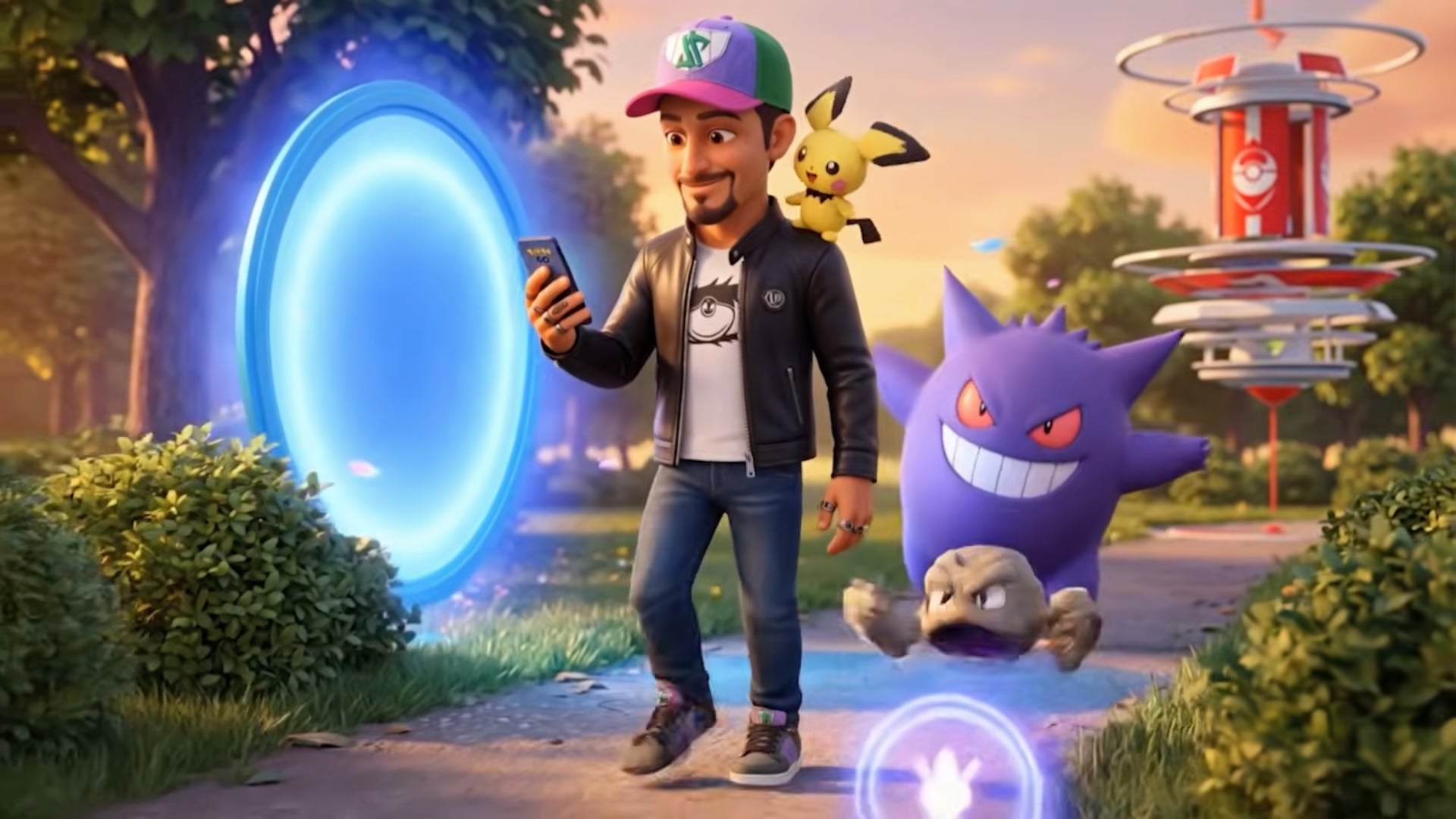
In response to the whole thing, Paige has released a new song called “The Bigger the Fire, The Bigger the Fame,” which seems to be a reference to Kuznitz’s rock band called Fame on Fire. It also comes with an AI-generated music video that is uh, a rough watch. He’s also hosting contests on Instagram for people to do the “Gengar dance” featured in the video for a chance to win $5000.