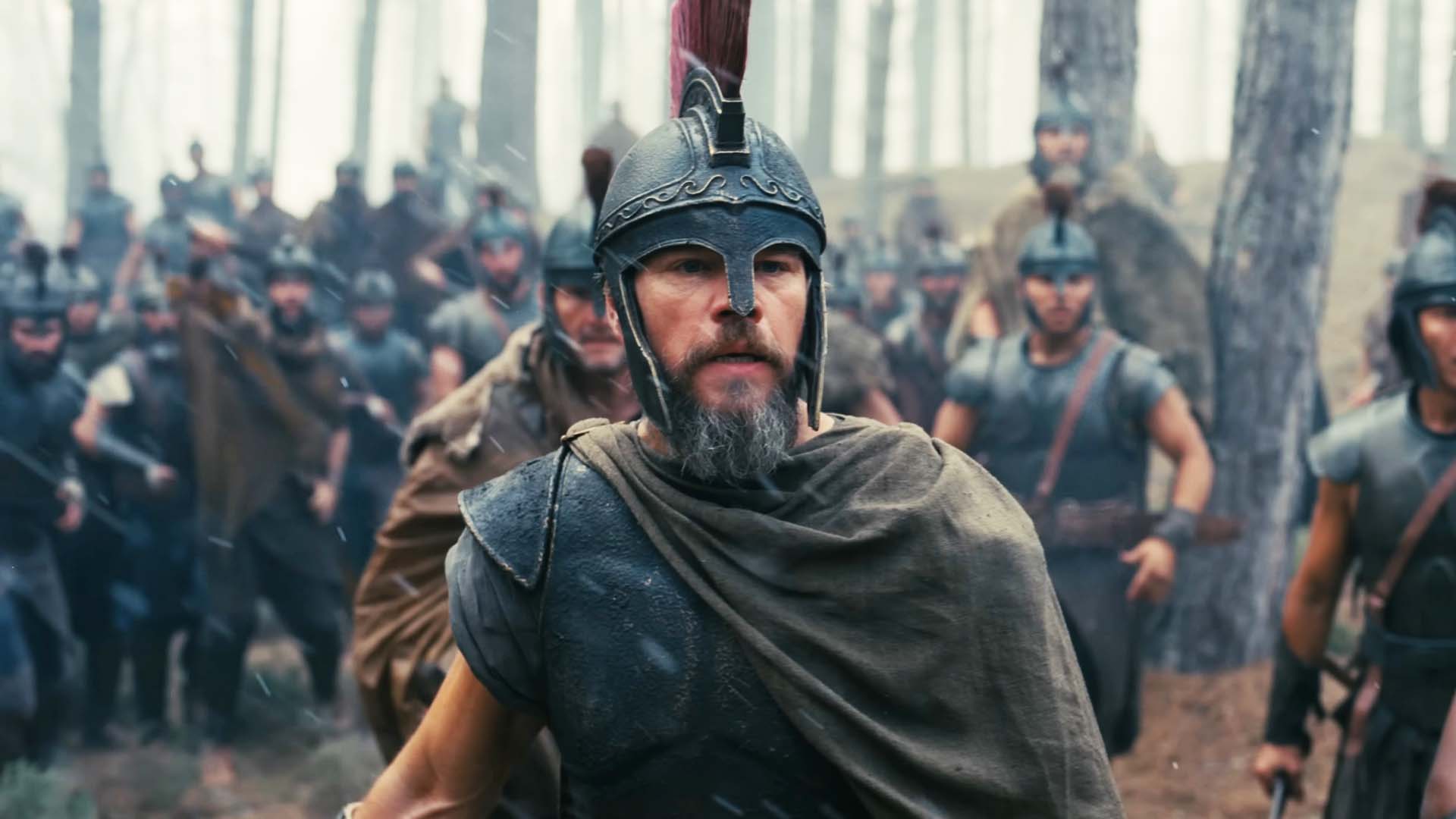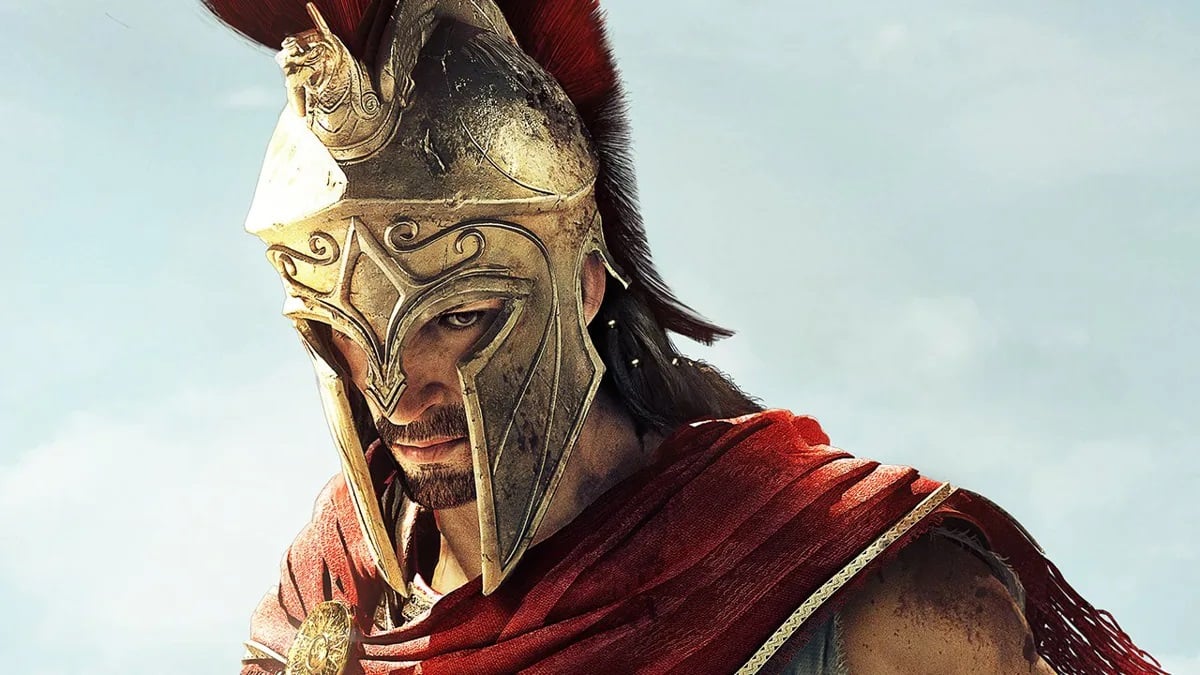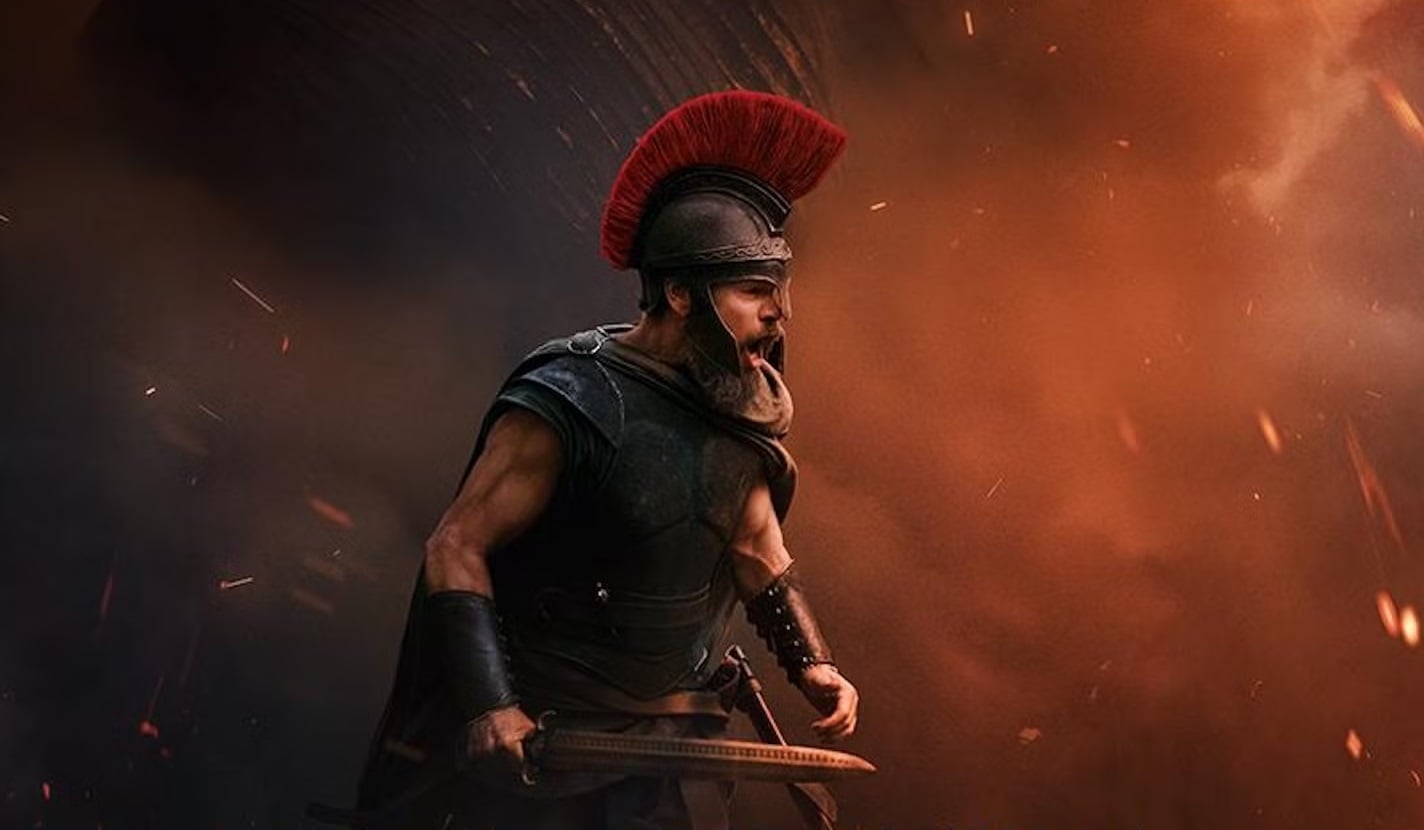
For as long as humans have had spoken language, we have told stories, and for only a bit shorter than that, we’ve been telling one in particular: The Odyssey. It would please the shit outta Homer to know his tale (as dubious as it is to ascribe this epic to a single source) still has the power to captivate audiences so many milennia after its first uttering. So powerful and legendary is his poem that it has attracted the attention of one of our most celebrated living directors, and with a 98 percent certified fresh rating on Rotten Tomatoes, it seems Christopher Nolan’s treatment of The Odyssey is one worthy of a tale that is quite literally the foundational text of western storytelling.
The Odyssey is the hero’s journey that invented the hero’s journey. It stars Matt Damon as the crafty Odysseus and takes us through his 20-year quest to defeat the Trojans and come home to his equally cunning wife Penelope, played by Anne Hathaway. According to the reviews, The Odyssey is replete with all of Christopher Nolan’s favorite movie-making tics, including non-linear storytelling and incredible action sequences.
While initial trailers pissed some viewers off with the film’s use of American accents and anachronistic turns of phrase, Nolan’s execution of the movie indicates a metatextual understanding: that Homer’s epic poem is one of performance. The Odyssey, at its heart, is a tale meant to entertain and enlighten, not a historical record to be recreated with an eye on historical accuracy. The liberties he’s taken with costuming, direction, and casting only enhance this understanding, with critics saying that Damon, Hathaway, Tom Holland and Lupita Nyong’o all deliver stand-out performances. Here’s more of what they had to say:
BBC
In one explosive set piece after another, Nolan uses his IMAX cameras to reflect the scale of Odysseus’s journey and also how powerless mortals are next to the gods. Much of the film takes place on a sapphire-blue sea, with a wide horizon and enormous cliffs that dwarf the boat carrying Odysseus and his men. The film is so immersive that we feel like we are in the boat with them.
Sydney Morning Herald
In hindsight, it’s evident [Nolan’s] been doing Odyssey riffs for much of his career: Inception portrays a journey to the underworld, while Interstellar hinges on a long-delayed family reunion and Memento evokes the willed amnesia of the lotus eaters. Reversing the order of precedence, here the flashbacks to soldiers crammed inside the Trojan Horse recall the nightmare images of suffocation in Dunkirk, while the horse itself is equivalent to the atom bomb in Oppenheimer, leaving the scarred Helen of Troy (Lupita Nyong’o) to lament the destruction carried out in her name.
Forbes
Odysseus is praised for his role in the Trojan War, with his most regrettable achievement immortalized in a ballad. His guilt led him to wander for 10 years, lost in his own pain. It was his resilience and his desire to rectify the wrong that allowed him to return and reclaim his family. It’s a tale that only Nolan could have really told with this massive Hollywood production – and he did it epically.
Metro
The Odyssey is known as a universal tale for a reason; it’s utterly gripping and this version will convert new classics fans immediately on its own merits too. Nolan manages to reassert both the humanity and brutality of this story to bring something truly timeless to the big screen.
The Irish Times
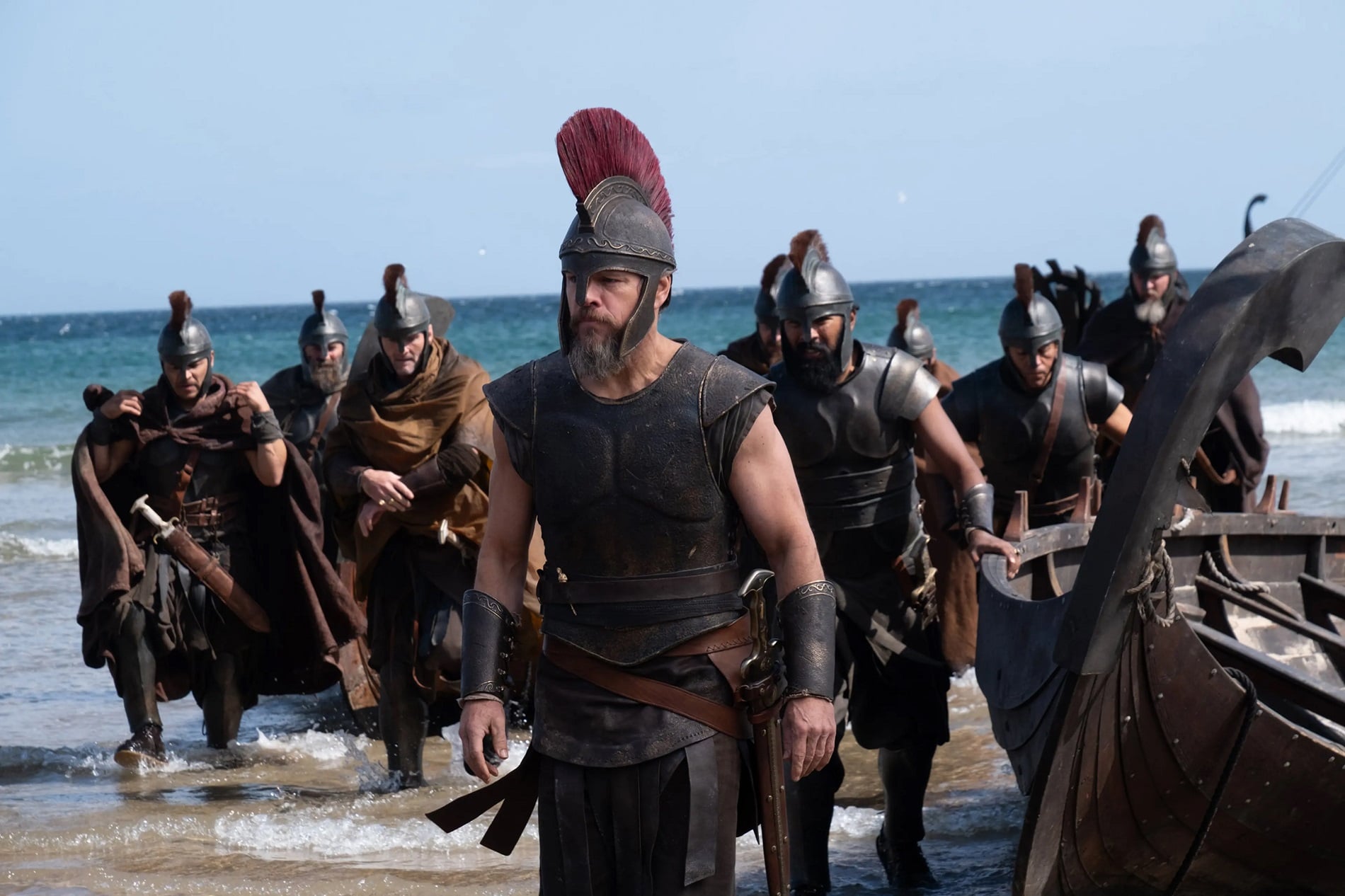
It is fruitless to worry if The Odyssey looks and sounds “authentic”. Even if the film were a perfect facsimile of this locale in 1200 BC, nobody alive could confirm that was the case. As every mainstream film-maker has done when tackling classical texts, Nolan and his gifted team – the production designer Ruth De Jong and the costume designer Ellen Mirojnick among them – have, successfully in their case, set out to create an stylised ancient world that succeeds on its own terms: various eras of armour blending into a catch-all heroic aesthetic.
SFGate
Cineastes likely formed their opinions about Nolan’s work a long time ago, and nothing about his latest opus will make them, or you, think differently about the man as an artist. Every frame of this movie may as well be sporting a DIRECTED BY CHRISTOPHER NOLAN watermark, such is its maximum Christopher Nolan-ness. But this is what moviegoers pay for. They know that every Nolan movie will be an experience, that the director will subject them to levels of sensory overload normally reserved for interrogation subjects. They want the pain.
LA Times
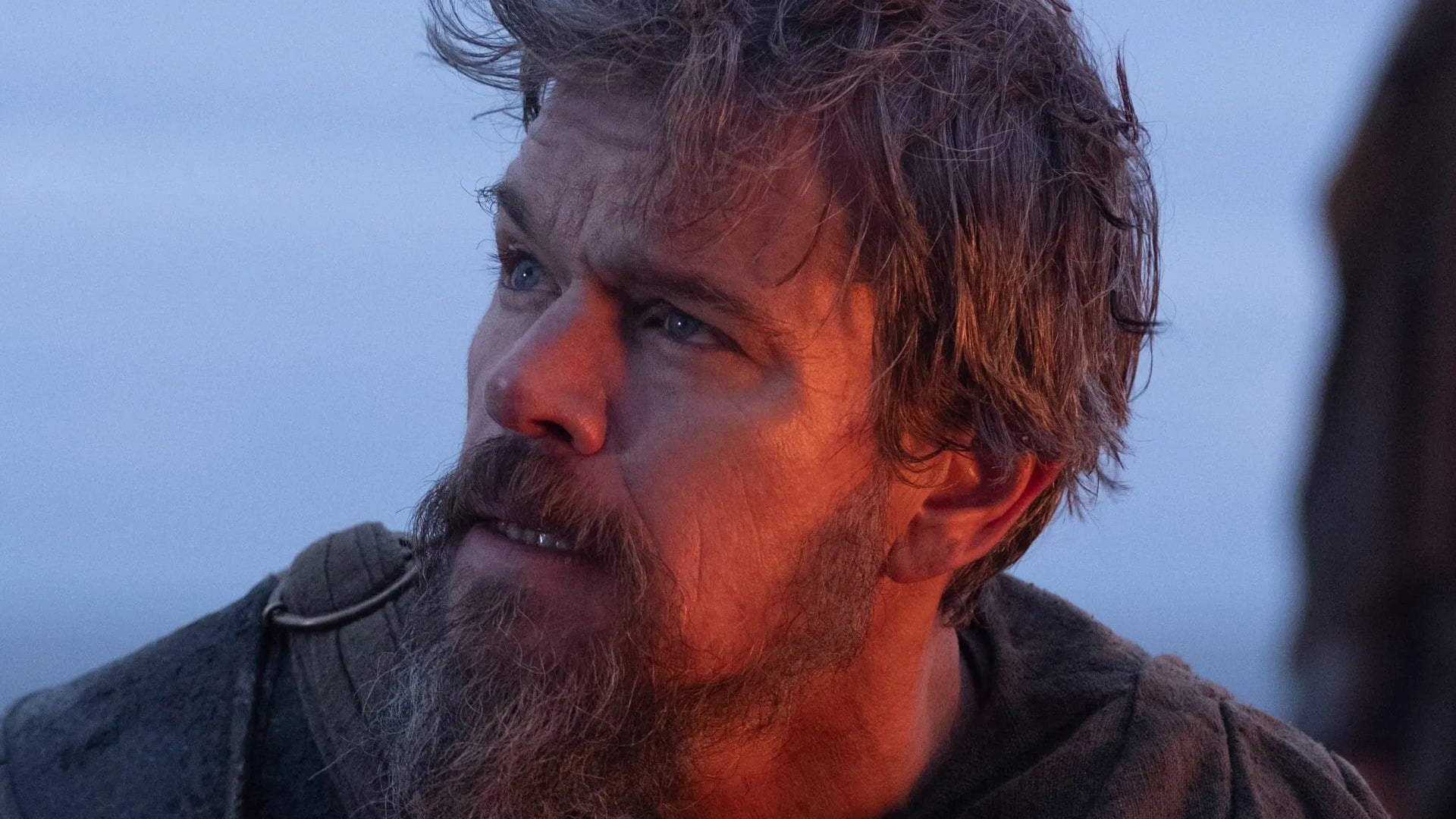
Nolan has anchored his “Odyssey” at the fall of the Bronze Age, a once-great era toppled by wealth-hoarding, diminished trade and climate catastrophes. Fearful of invading marauders, humankind has turned distrustful and stingy, ignoring Zeus’ command to show generosity toward the poor and foreign-born, a cornerstone of faith that would later be repurposed in the New Testament. This Odysseus (Matt Damon) is both witness to and wrecking ball of the collapse.
Fresh Fiction
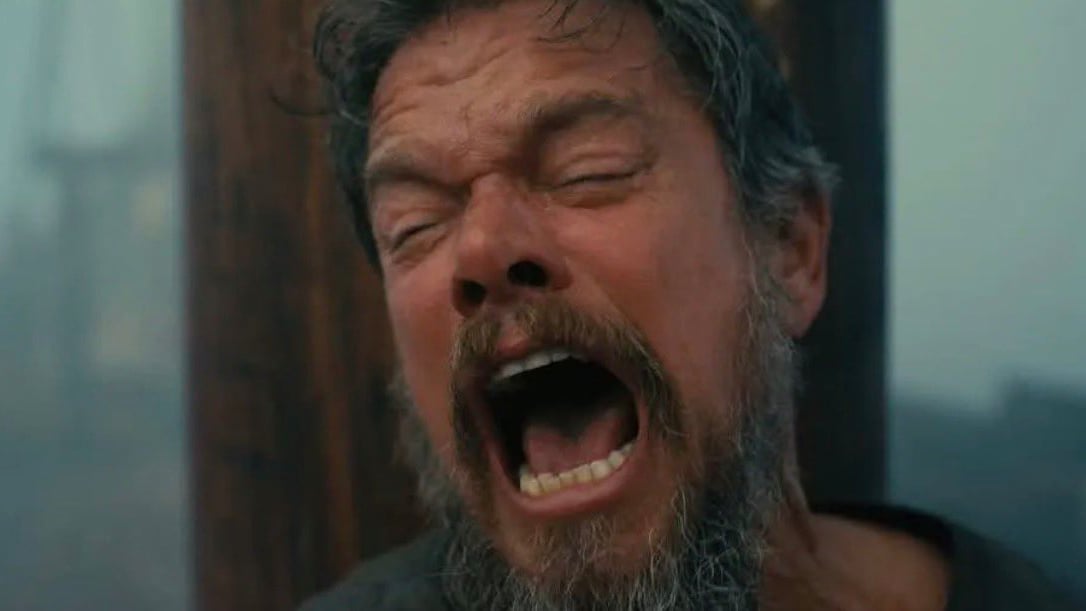
If Homer didn’t himself create a story about PTSD, Nolan was sure to thread that needle and create a whole tapestry out of it. Nolan casts Odysseus similarly to many a male hero in his films: as a man reckoning with the consequences of his destructive actions and his human need to exorcise his demons. In this case, Odysseus wrestles with his conscience because his leadership skills, strategic intelligence and persuasiveness have brought him success, but he’s defied the gods and broken Zeus’ law by using a gift for nefarious purposes. His dealings with Calypso (Charlize Theron) and Athena (Zendaya) in the aftermath, as he struggles with guilt and memory loss, serve to highlight this parallel.
The Telegraph
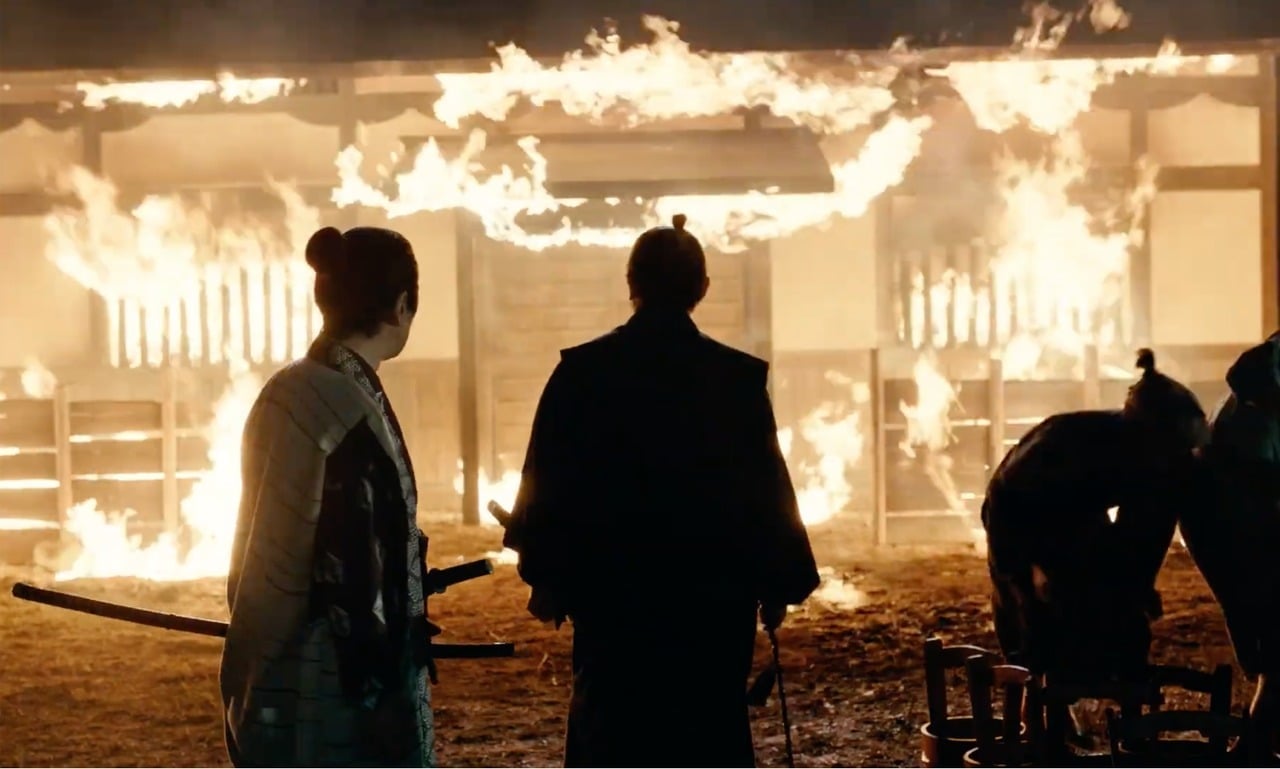
Its tonal palette is thrillingly all over the place, lurching within minutes from firelit palace intrigue on Ithaca to the horrors of the Cyclops’s cave and the bloody magnificence of the sack of Troy. Elsewhere, Nolan introduces the famous wooden horse half-buried in the coastal sand as if it were the Statue of Liberty in Planet of the Apes, and frames and lights the Cyclops himself (played by Bill Irwin in concert with puppetry, optical effects and computer graphics) like Goya’s Saturn Devouring His Son.
The New Yorker
Nolan advances his vision, however crowd-pleasing and anachronistic, with vigorous confidence and unimpeachable clarity. The dialogue, terse and contemporary, puts his distinguished cast of actors in their comfort zone and turns ancient, iridescently complex figures crystalline and hard-edged. As Penelope, Hathaway has a laser gaze to match; she borrows a sublime gesture from classic Hollywood when, informing Telemachus that he’s not yet enough of a man for a big fight, she momentarily glances down mockingly from his eyes to his body. Menelaus, the king of Sparta, gets, from Jon Bernthal, an oddly apt New York white-ethnic outer-borough accent. As Helen, who is somewhat uneasily married to him and whose abduction led to the Trojan War, Lupita Nyong’o rises to a quiet pitch of fierceness when she laments being used as a justification for death and destruction.