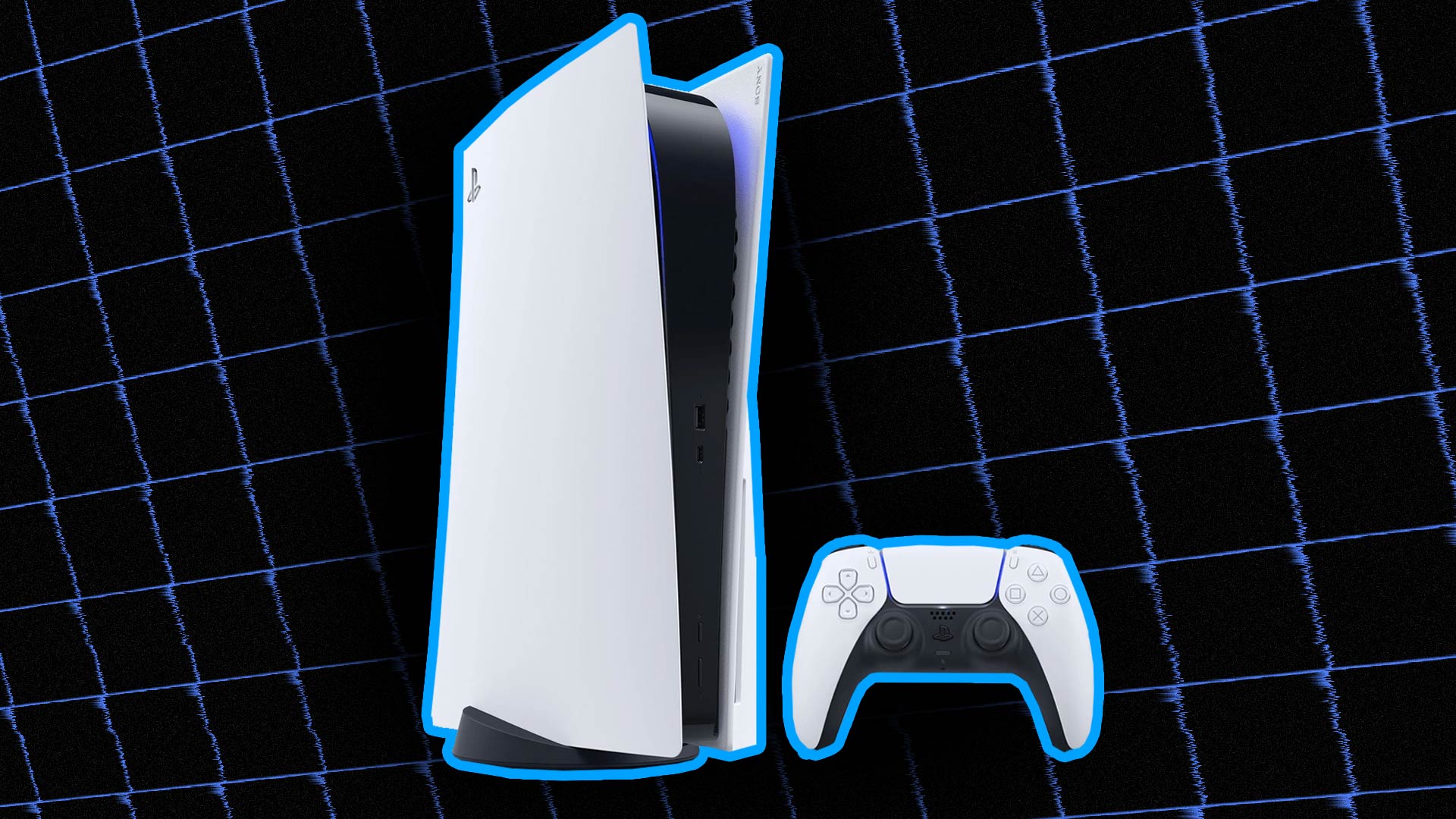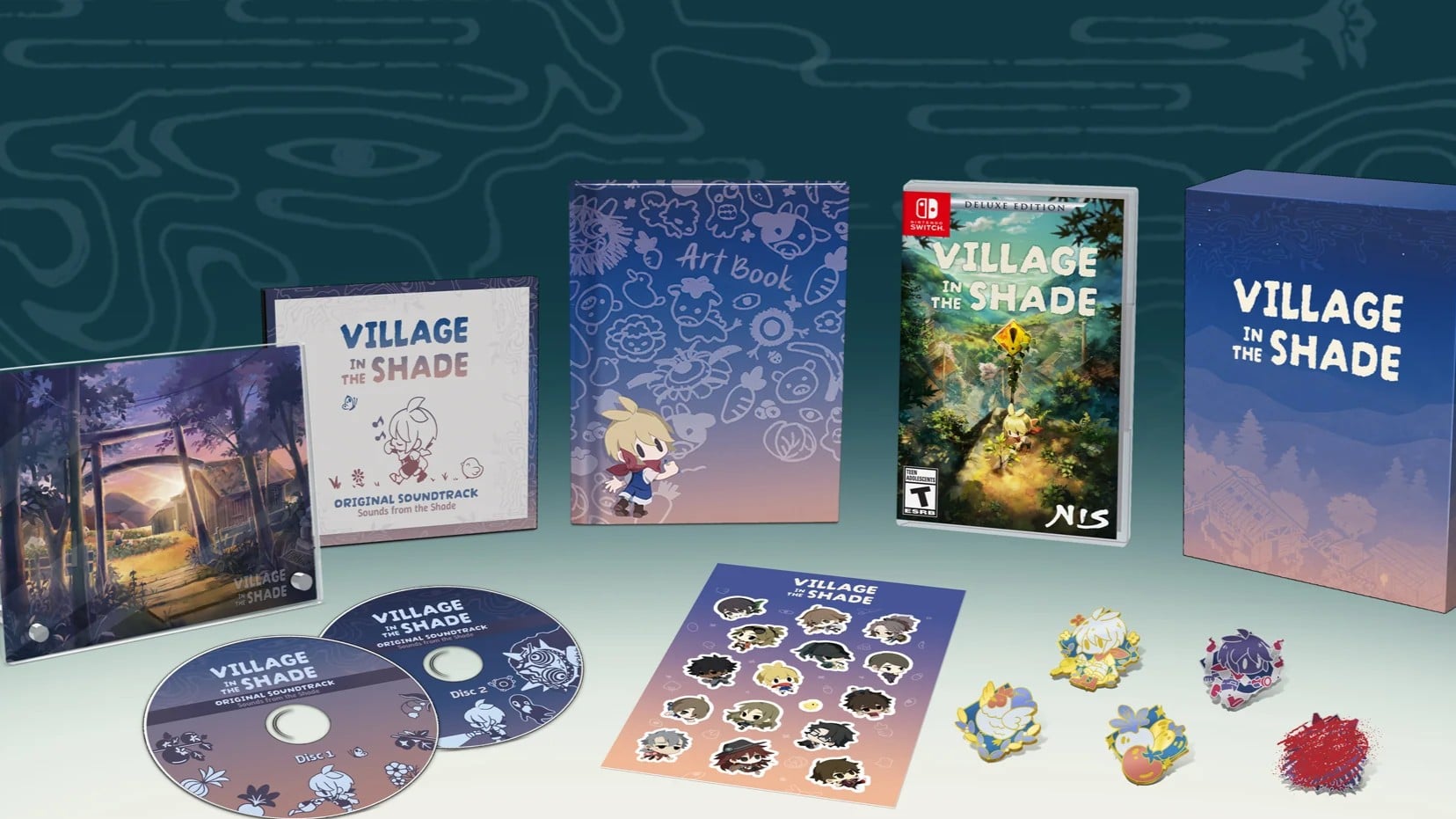
Despite the mounting campaign of anger, Sony remains steadfast in their decision to cease production of physical discs for the PlayStation. Plans were so entrenched by the time of announcement that some of their manufacturing facilities had already begun pivoting to new product. And while the tradition may be ending, how these PlayStation games are ultimately made will likely remain a trade secret. At least that’s Stephen Totilo’s conclusion.
“As I reported on that news, I realized I didn’t know how video games wind up on discs in the first place,” writes Totilo in Game File. “I started asking sources in the industry, and they started explaining the steps involved from making a video game to getting it on a disc: What Sony and Microsoft require game publishers to do and some of the quirks about how their approaches differ.”
On certain, unsurprising details, Totilo’s sources were generous. The cost to manufacture a game disc is approximately 15 percent of suggested retail price. A ways out a ways out from the nickels and dimes it costs to press a plain jane CD. Obviously if the game requires additional CDs, the cost will increase. But beyond the details Sony would likely provide to interested publishers, those in manufacturing were too intimidated to speak on the record. Refusing to divulge any insight on what it takes to make the discs that run on these machines.
For generations, the success of your console could come down to how secure the game pipeline was. Even though the Dreamcast printed their games on custom discs, hardware oversights allowed pirates to burn their own games for the console, spooking away certain publishers as they needed them most. A lot weighs on the proprietary media formats of these consoles, who gets to make them, who gets to license them. Clashes such as these gave us the Sony PlayStation in the first place.
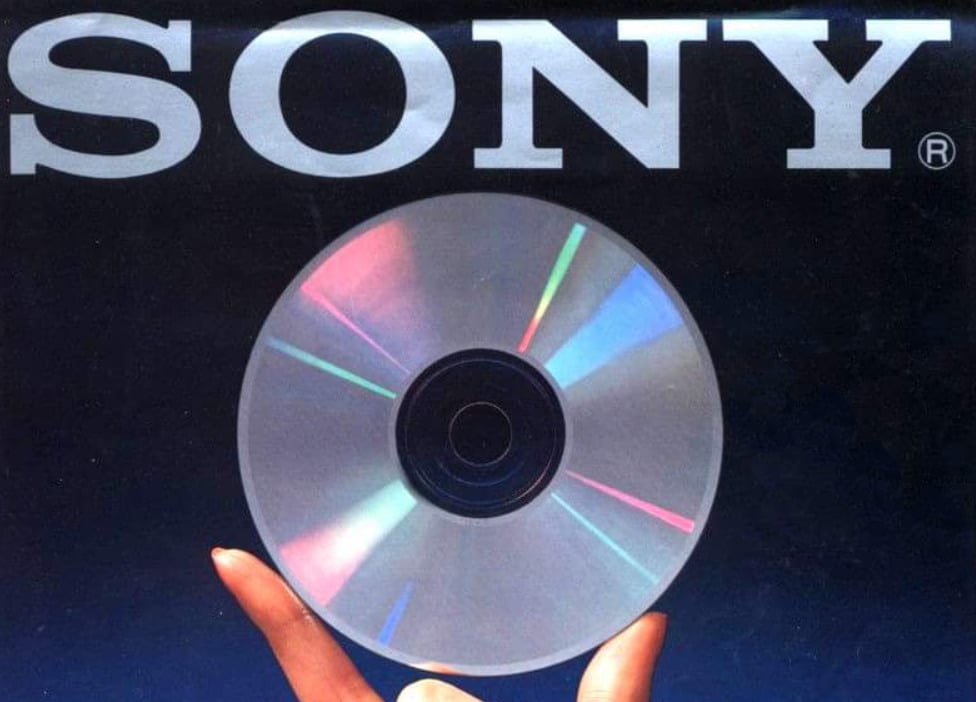
Compact discs have been a large part of Sony’s history. Prior to games they were first and foremost a home entertainment powerhouse, earning windfall on speakers, portable Walkmen and printing the discs themselves. To depart from CDs now is a pretty seismic pivot for them, marking a deeper wade into producing film and games to be streamed than media to be pressed. And deeper into a future where players will pay more for games and own less of them.
No matter how esoteric or bespoke a publisher wants their distribution to be, it must go through Sony to manufacture the physical media. Once they end these operations, there won’t be any alternatives. While the homebrew scene for bygone consoles often fill the void, getting new games on PlayStation discs will require one of these insiders to stick their neck way, way out.