I thought we were past this bullshit, Game of Thrones. After all the many complaints about the original series’ treatment of women, especially in regards to the many instances of sexual assault in the show, I would have thought House of the Dragon, a Game of Thrones spinoff series set more than 100 years before the events of the original show, would take a different tack. I thought the series’ showrunners had come to understand graphically depicting sexual assault was not something a serious television show did anymore. This latest episode of House of the Dragon, though, proved me wrong.

Trigger Warning for mentions of sexual assault.
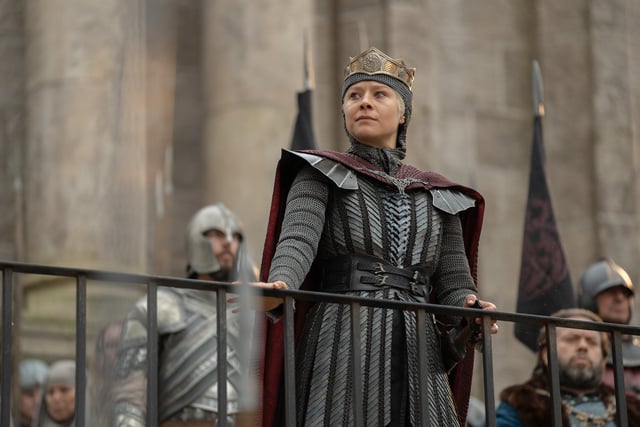
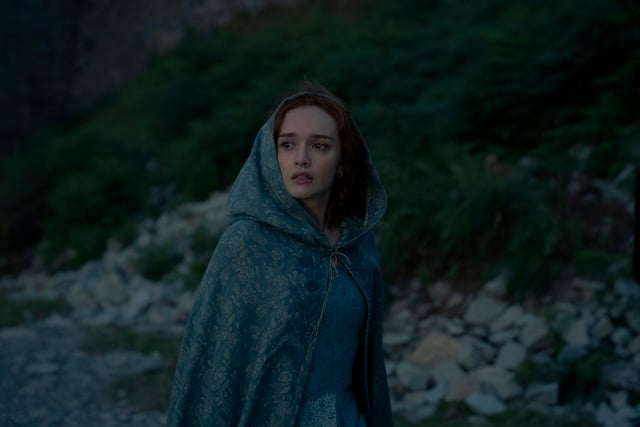
In the latest episode, Alicent Hightower, the Dowager Queen of Westeros, was attempting to escape the capital city with her daughter and granddaughter. Before she could make her escape, she’s cornered by a member of the king’s council, who confronted the queen about an illicit relationship she had with a member of the Kingsguard. From there the scene progressed to a violent altercation but Alicent was saved in the nick of time.
Watching all that play out as a woman and a survivor made me angry. I thought, “We really can’t be doing this shit again can we?” When the physical assault was thwarted, I thought that would be the end of it, until the show gave a last parting shot that struck me straight in the heart. Though apprehended by the palace guards, Alicent’s attacker tried to rally the men that had come to her aid to his side. My stomach dropped into the floor. The assault wasn’t over. It was like watching the ending of Get Out in a theater full of non-Black people. In that movie, as everyone else breathed a sigh of relief when the police car showed up sirens blaring, I knew the horror might not be over. Though Alicent had been saved, her attacker tried to make her rescuers believe that no matter what they caught him doing, she deserved it. And just like what happens to so many survivors, even myself, I thought the gambit would work.
Thankfully it didn’t, but the moment left a powerfully sour taste in my mouth. The original Game of Thrones series had a similar problem. Cersei Lannister, Sansa Stark, and Daenerys Targaryen—arguably the three most prominent female characters on the show—all suffered on-screen assault scenes, to say nothing of the various “incidental” assaults featuring background or less well known characters. The prevalence of sexual assault in Game of Thrones inspired tons of thinkpieces and fandom backlash online. It was so bad that a reasonable showrunner might think, “Hey let’s maybe not do that this go round.”
To be clear, sexual assault is an unfortunate part of life and it is a disservice to victims and society if we ignore that. At the same time, there are ways a TV show or other piece of media can thoughtfully incorporate such ugliness into a narrative. When grappling with depictions of rape in media we should be asking, “What purpose does it serve?” Do we learn something about a character? Does the assault push some element of the plot further, or, if working with an adaptation, is this something that happens in the source material that the show just faithfully recreates on screen?
What’s so fucking infuriating about this event in House of the Dragon is that the answer is “no” to all three questions. The man who assaulted her is of little consequence to the plot. As for Alicent’s own character and plot, a rape does nothing for her. She’s already been the victim of the machinations of the men around her. Her agency and autonomy, things stripped from you in an assault like that, were taken from her long ago through far less violence. And finally, none of this happens in the story House of the Dragon is based on. This event was created from whole cloth, and for what? To remind us that this is Game of Thrones we’re watching, a show that once liked to sprinkle needless assault throughout its run as if it were seasoning to enhance some kind of sick flavor?
House of the Dragon had the opportunity to be different. After all, the beating heart of the show is a conflict between two queens who find themselves on opposite ends of a war of succession. With two powerful women driving the action, there was a chance to play with all the different ways such women can still be rendered powerless—a thing the show actually does very well!—without relying on old, tired, harmful, tropes.