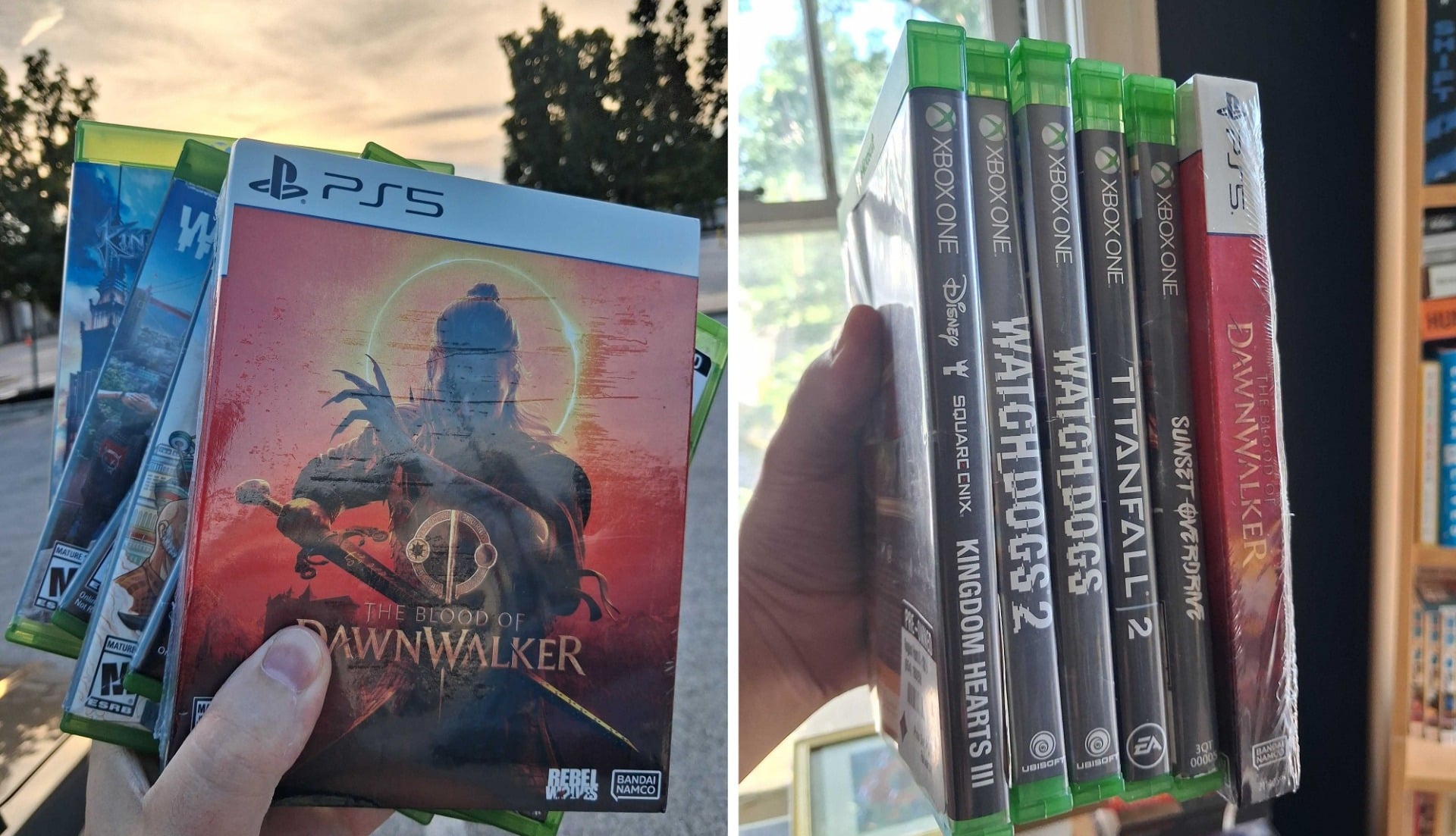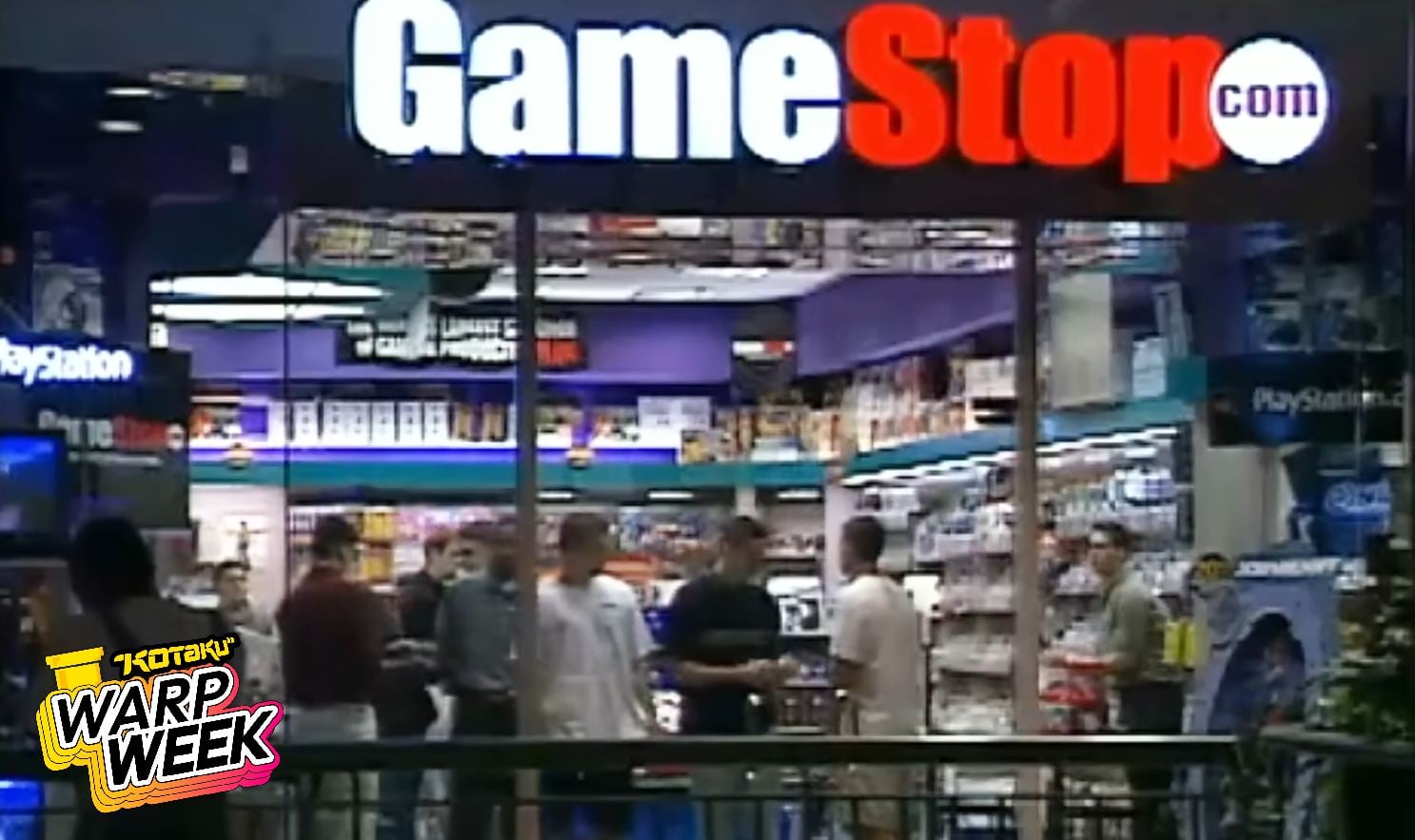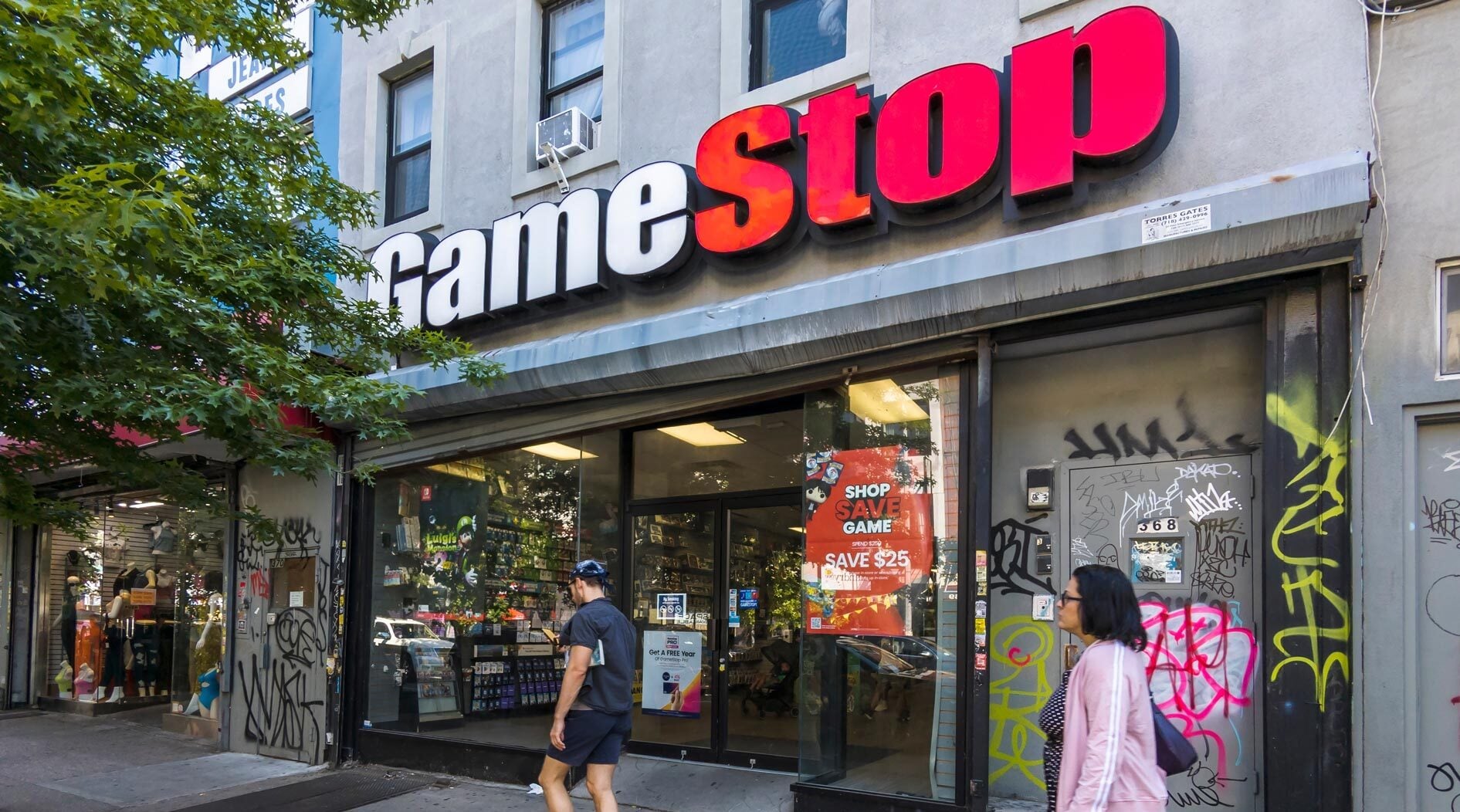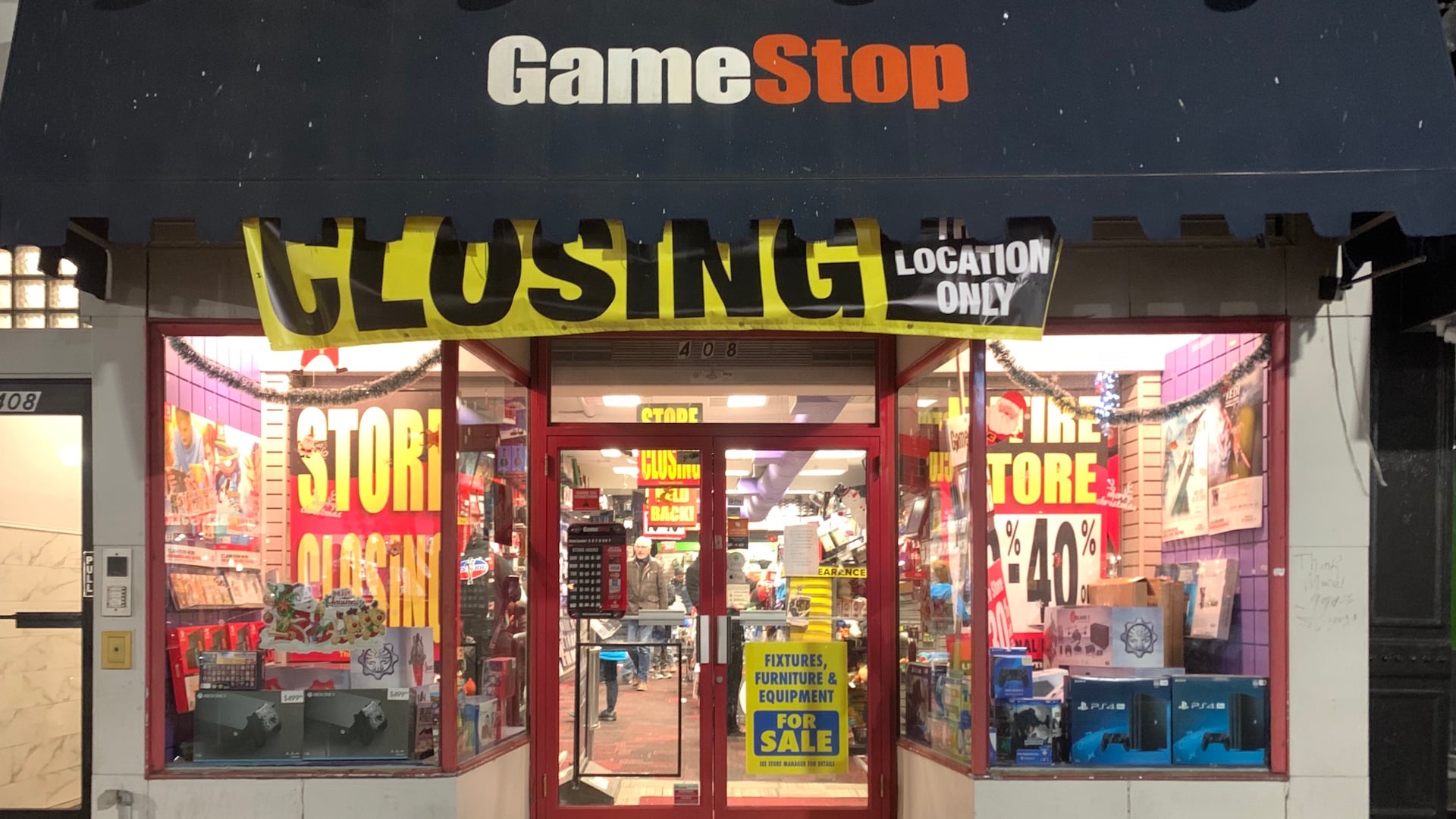
According to former Stardock business developer Larry Kuperman, retail chain GameStop was once convinced that the digital distribution of video games was merely a “passing phase,” and that once the fad was over, brick and mortar stores would continue their dominance in the industry. This would be the same GameStop that right now is selling your second-hand Funko Pops, price gouging on Pokémon cards, and riding memes as it closes down hundreds of stores. Pretty much anything but selling video games.
As reported by PC Gamer, one of the creators of GameStop’s one-time digital store Impulse gave a talk at GDC this year that reflected on this extremely misguided portion of GameStop’s history. Larry Kuperman was a business developer at software company–turned–games developer Stardock, where he helped create Drengin, a web store for games that would go on to be rebranded as Impulse. The latter was launched in June 2008 in response to the sudden rise of Valve’s Steam, and for a while looked like it could be a competitor. It was bought in 2011 by GameStop, where Kuperman reports it was just not taken seriously, with the company convinced its physical stores was where the future lay.
It’s hard to remember now that in 2008 Steam, while still significant, was much less of a big deal. 2006 had seen the storefront start to grow, where previously it had mostly been used for keeping Valve’s games up-to-date, as well as selling a handful of games Valve wanted to support, but it wasn’t until 2007 and the release of games like BioShock and Team Fortress 2 that people really started to take notice. Even so, by 2008 it was still nowhere close to replacing the notion of physical copies of games. Stardock, the creators of Galactic Civilizations and Sins of a Solar Empire, was also a very established software company, and swiftly responded with Impulse, a direct rival that was mostly selling the same games as Steam. There was a (very brief) time where gaming sites were listing the two as equal primary choices for PC games.
Impulsive Decisions
As such, all the major publishers got on board with Impulse, making it a very interesting prospect for a games retailer to buy. By 2011, GameStop made that purchase, and as a result employed Kuperman to keep working on it for a couple more years. This should be the point at which we say, “And that’s how GameStop ensured it was future-proofed at a point where brick-and-mortar stores began to lose ground, preparing itself to become the main rival to Valve’s Steam…” Except that’s not what happened at all. According to Kuperman, when the retailer gave him the role of head of electronic distribution, “I thought that was going to be my forever job.”
Now retiring, Kuperman told the story at this year’s GDC, where he explained, “I guess, back in that time, [it was] completely different management than it is at GameStop now, but GameStop thought that electronic distribution was just a passing phase, and brick and mortar was going to come back strong.” He parodied this, PC Gamer says, as “I’ve seen the future, it looks just like the 1950s.” By April 2014, GameStop had completely run Impulse into the ground and closed down the whole online store, and it hasn’t been possible to access games bought via the site for over seven years.
But how has that whole brick-and-mortar prediction worked out? GameStop has closed over 1,300 stores since 2024, with 727 of them going in 2025, and hundreds more in January this year.