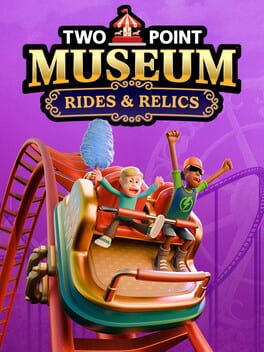
About Two Point Museum
The developers of Two Point Studios are back. After letting you manage a hospital, or kind of, or create your dream school, for real, they offer a new way to create museums. Did you like the other two titles? Do you like games that are fun but need managing at the same time? You’re in the right place!
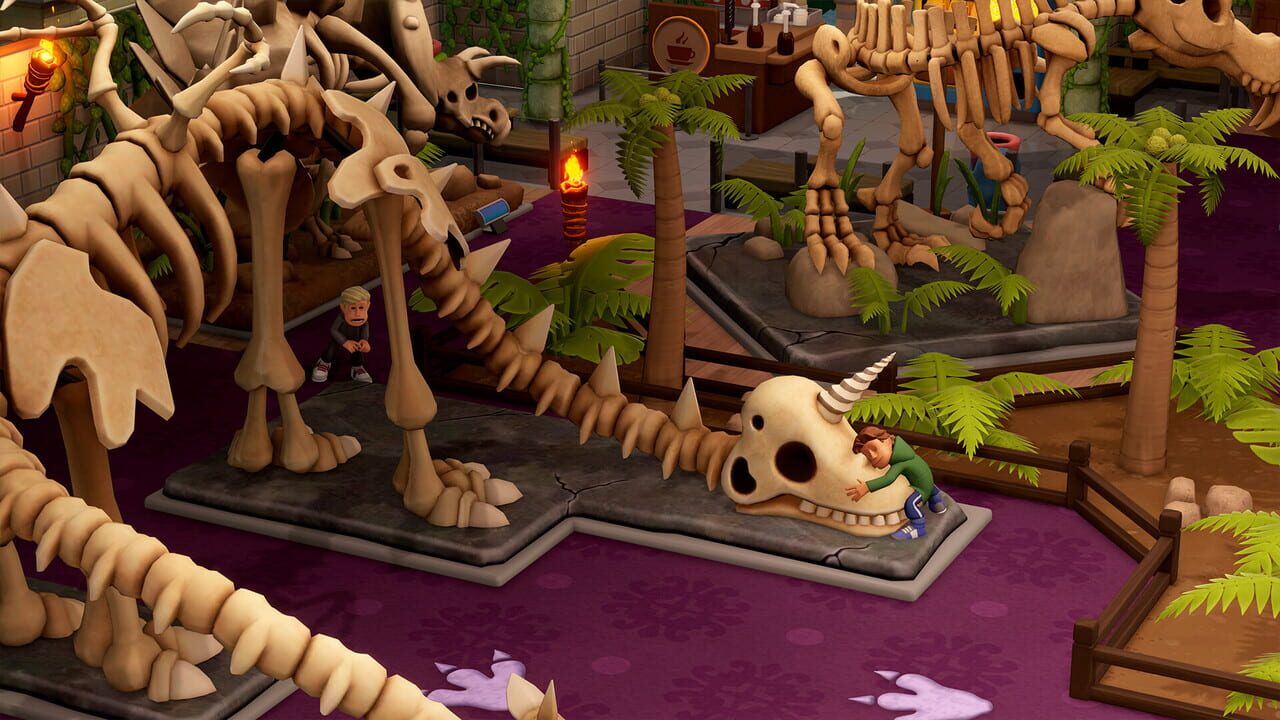
Two Point Museum is a management and building game that allows you to create and run museums in different locations in Two Point County. It is not a strict simulation, and it does not purport to recreate all the aspects of a real museum functioning. Rather, it is an amalgamation of a light tone and humor with a chain of minor systems—expeditions, layout selections, personnel requirements, and visitor demeanor—with which you learn to achieve in gradual steps.
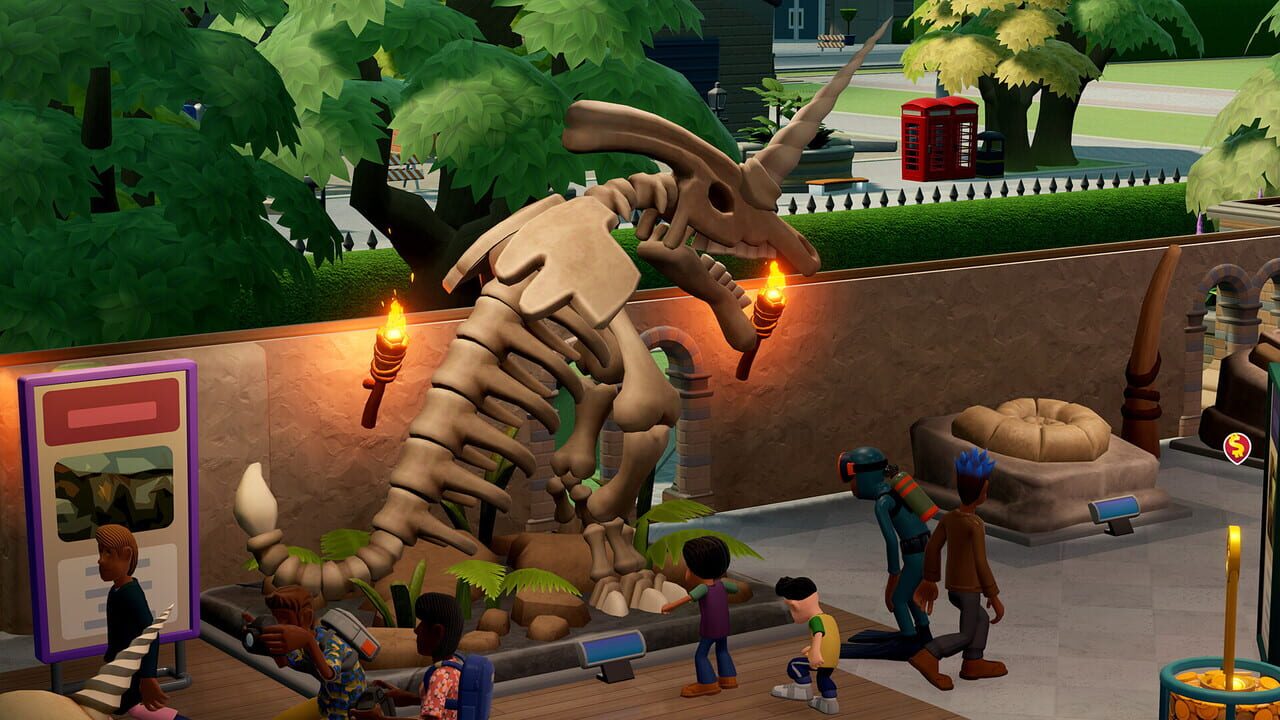
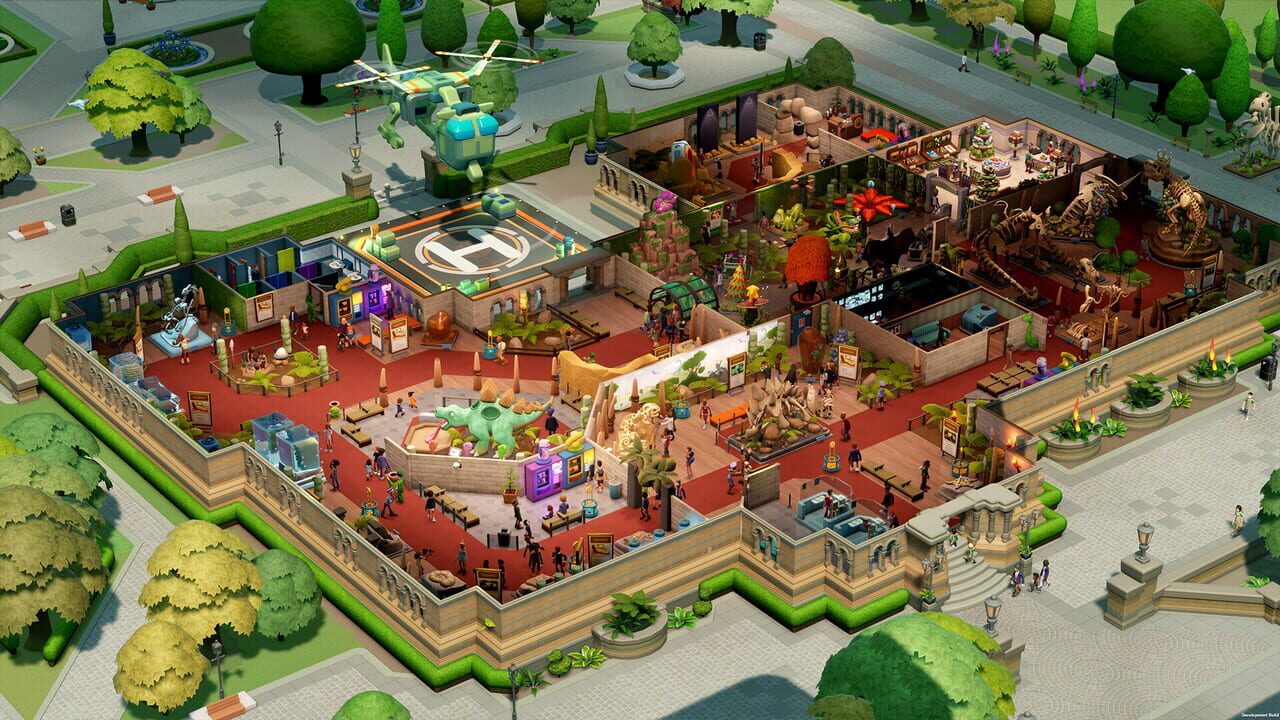
You begin with a small museum that has little space and few exhibits. The more rooms you add and experts expand missions, the larger your museum will become, and it will be saturated with new artifacts and visitors. The essence is very straightforward: exhibit and showcase exhibits, invite people, and ensure everything is clean and operational as you grow in your collection.
There is a lot of space to be creative with decoration, and gradually, your museum starts to look like you. The speed may be different: sometimes the process is slow, and at other times floors are messy, personnel become discontented, and children may destroy the exhibits. The game is so nudgey on you to improve your design as it goes.
Why Should I Play Two Point Museum?
This title fits into a niche: management games that don’t take themselves seriously but are still hard to handle. Like in Two Point Campus, where you could create a room to study magic, or Two Point Hospital, where you had to care for unknown diseases straight from movies (disappearing men?), in Two Point Museum, you can create exhibitions on ghosts or aliens!
The game does not require a professional-level strategy, but it will not allow you to relax and not care. Visitors need stuff, employees need rest, shows get old, and thieves or careless guests compel you to rearrange the items. The most interesting thing is playing around with it by experimenting with room arrangement, repainting the theme, repositioning the artifacts in various parts of the room, and observing the effect of this on the flow of guest traffic.
The expedition system is another unique characteristic. Instead of creating a building solely within the house, you dispatch professionals on varied maps having over one hundred points of interest on them. These visits convey new artifacts, some of which are messy, others rare, and those discoveries define who your museum is. The higher the buzz created by an exhibit, the more donations you get that further accelerate your growth.
The game has a light mood; it wants you to have fun. There is a sense of spreadsheet simulation replaced by convincing the audience to play along due to staff conversations, oddball types of guests, and the never-ending battle between formality and fun. In case you enjoy fiddling with layouts, creating themed rooms, and being able to figure out how to use the system without intensive penalties, Two Point Museum falls right into that sweet spot.
Is Two Point Museum Free-to-play?
No, the game isn’t free‑to‑play. It has to be bought just like the other Two Point titles. After purchase, you receive all the game mechanics, campaign phases, pop-up museums, and sandbox mode without subscriptions or continuous charges.
Where Can I Download Two Point Museum?
The game can be downloaded on PCs on platforms such as Steam. For console players, the game is available for PlayStation (PS5), Xbox Series X|S, and Nintendo Switch 2. The official Two Point Studios site also connects directly to the supported storefronts, so that new players do not need to search manually. It is easy to install: once a purchase is made, downloading and updates are done by the launcher.
The Steam version tends to be the least complicated option, as it automatically handles patches. The game is currently distributed for PC through Steam across Windows, macOS, and Linux, but the most commonly used platform by the players is Steam. The Steam page and the official site of the studio offer the most recent information in case you desire the most recent one or need to read the requirements before purchasing.
What Games Should I Play If I Enjoy Two Point Museum?
Two Point Hospital and Two Point Campus are created by the same authors; thus, the style and format are familiar. The graphics are luminous, the characters funny, and the games make you solve small issues before they get out of control. The theme of the hospital is patient flow, rooms, diagnostics, and fanciful medical conditions. Campus becomes student-oriented, courses are planned (you can learn magic!), and buildings are Byzantine. In both games, you have the option of decorating spaces, as well as having guests with different personalities and needs, and a lot of humor. Being a follower of the rhythm and humor Two Point Museum provides, these titles seem the logical extensions thereof. Many players download these games because they are full of humor, fantastic situations, and you can create fun places.
Planet Zoo has a greater level of realism and detail. In place of plain things or screens, you have to deal with enclosures, habitats, animals, visitor numbers, and a complete ecosystem of personnel and maintenance. The environmental variables that need to be carefully considered and used in the game include temperature, terrain, enrichment items, and breeding programs, and this requires planning and not a trial-and-error game. The construction of enclosures allows a significant amount of creativity, and the actions of the guests are directly referenced in the quality of animal care. Assuming that you enjoyed the freedom Two Point Museum had to offer but would prefer something more detailed and earth-based, Planet Zoo can provide the same experience. It is the kind of game that people download on the occasion when they want more systems and more detail of nature.
The next game is Jurassic World Evolution 3, the focus of which will be on running dinosaur parks, keeping everything safe, and maintaining the safety of visitors. You construct fences, manage teams at research centers, and react to erratic dinosaur actions. The conflict arises between spectacle and danger: visitors desire it, and dinosaurs are highly restrained, or all they do is cause destruction. The game is not as comical and rather dramatic as Two Point Museum, yet it also fulfills the need to build thematic spaces, observe the response of the guests, and resolve unexpected issues. It is a good game to play when one wants to enjoy a film-like experience based on management gameplay. And in case you like that drama aspect of it, you could download it to have that park-management kind of experience.